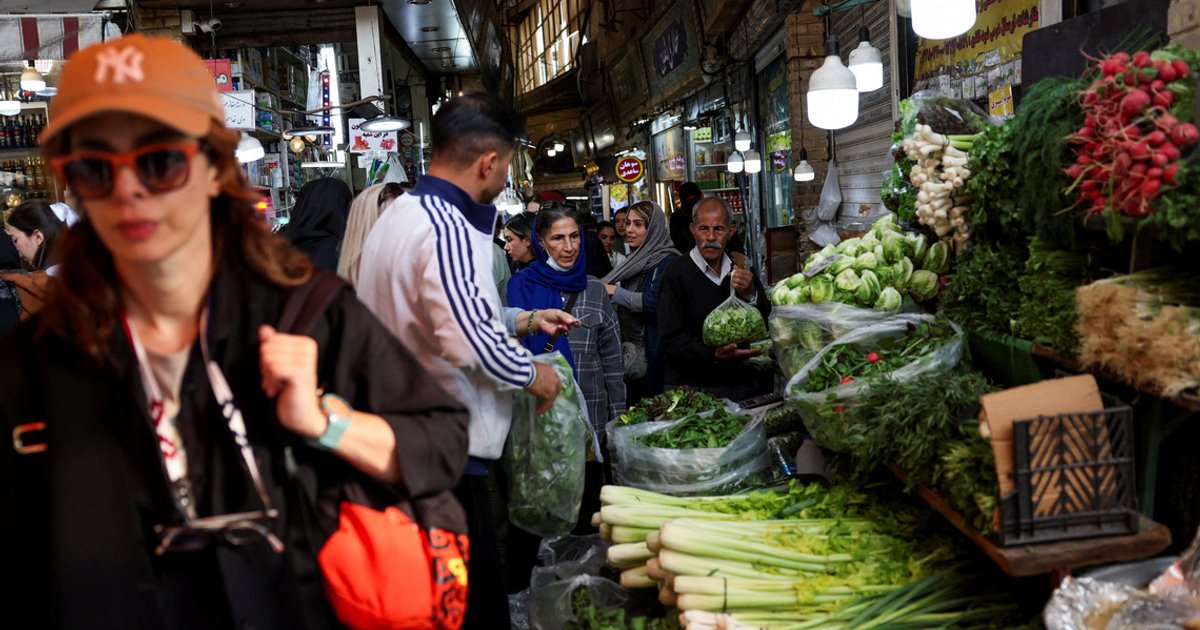
迪拜,10月28日——伊朗家庭正在削减食品、住房和教育开支。与美国持续八个月的战争助长了该国数十年来最严重的通胀飙升之一,侵蚀收入,并将家庭推向崩溃边缘。
DUBAI, Oct 28 - Iranian families are cutting back on food, housing and education as the eight-month-old war with the United States fuels one of the country's worst inflation surges in decades, eroding incomes and pushing households to the brink.
这种压力远不止于该国主要城市。工人们表示,工资已无法覆盖基本开支;而随着家庭将大部分预算用于食品、房租和其他必需品,企业面临成本上升和需求疲软。
The strain is being felt far beyond the country's major cities. Workers say wages no longer cover basic expenses, while businesses face rising costs and weakening demand as families spend most of their budgets on food, rent and other necessities.
这场冲突由美国和以色列于2月28日对伊朗的打击引发,随后德黑兰关闭霍尔木兹海峡、美国封锁海湾伊朗港口,扰乱了石油出口、贸易和政府收入。这场动荡加剧了数十年制裁和经济管理不善的影响。
The conflict, triggered by US and Israeli strikes on Iran on February 28 and followed by Tehran's closure of the Strait of Hormuz and a US blockade of Iranian ports in the Gulf, has disrupted oil exports, trade and government revenues. The turmoil has compounded the impact of decades of sanctions and economic mismanagement.
路透社采访了伊朗各地二十多名不同社会和经济背景的人士,他们表示,不断恶化的状况使他们难以负担食品、住房、医疗和教育。
Reuters spoke to more than two dozen people across Iran from different social and economic backgrounds who said worsening conditions had left them struggling to afford food, housing, healthcare and education.
“我们没有钱,没有未来,也没有希望。我们厌倦了生活在恐惧中,害怕美国再次袭击,害怕每个月月底入不敷出,”47岁的穆罕默德阿里说道,他是东北部城市马什哈德的店主,有两个孩子。
"We have no money, no future and no hope. We're tired of living in fear, fear of another US attack and fear of not being able to make ends meet at the end of every month," said Mohammadali, a 47-year-old shopkeeper and father of two in the northeastern city of Mashhad.
据官方媒体报道,伊朗经济部长阿里·马达尼扎德周二就伊朗人面临日益加重的生活成本压力道歉,称养老金领取者、工人和公务员首当其冲承受物价飞涨和高通胀的冲击。
Iran's Economy Minister Ali Madanizadeh on Tuesday apologised for the mounting cost-of-living pressures facing Iranians, state media reported, saying pensioners, workers and civil servants were bearing the brunt of soaring prices and high inflation.
伊朗的通胀飙升几乎没有缓解的迹象。根据官方数据和官方媒体报道的数字,9月消费者价格同比上涨近90%,年通胀率加速至73.6%。
Iran's inflation surge has shown little sign of easing. Consumer prices in September were nearly 90% higher than a year earlier, while annual inflation accelerated to 73.6%, according to official data and figures reported by state media.
食品价格涨幅更大。食品和饮料价格同比上涨121.8%,迫使许多家庭削减其他方面的开支。物价涨幅超过工资,就业机会枯竭对于中部城市伊斯法罕44岁的政府雇员马哈茂德来说,工资与生活成本之间的差距每个月都在扩大。
Food prices have risen even faster. The cost of food and beverages was 121.8% higher than a year ago, forcing many families to cut spending elsewhere. PRICES OUTPACE PAYCHECKS, JOBS DRY UP For Mahmoud, a 44-year-old government employee in the central city of Isfahan, the gap between wages and living costs widens every month.
“我不到100美元的工资,只够活10天……每当女儿们要玩具或新衣服时,我和妻子总是对她们撒谎,”他说。
"With my salary of less than $100, you can survive only for 10 days ... My wife and I lie to our daughters all the time when they ask for a toy or new clothes," he said.
官方估计,一个三口之家的工人阶级家庭每月最低生活成本约为336美元,按自由市场汇率计算,是约92美元平均月工资的三倍多。
Official estimates put the minimum monthly cost of living for a three-person working-class family at around $336, more than three times the average monthly wage of roughly $92 at the free-market exchange rate.
由于工资跟不上通货膨胀,许多家庭已经耗尽储蓄、削减消费或借钱来支付日常开支。政府强制规定的加薪很快就被不断上涨的物价所超越。
As wages fail to keep pace with inflation, many families have exhausted savings, cut consumption or borrowed money to cover daily expenses. Government-mandated pay increases have been swiftly overtaken by rising prices.
对许多伊朗人来说,挑战不再是维持生活水平,而是避免财务崩溃。
For many Iranians, the challenge is no longer preserving their standard of living but avoiding financial collapse.
“上个月我们不得不搬到我父母家,因为我丈夫5月份从一家小型瓷砖厂被裁员了。我们花光了所有积蓄。但我丈夫仍然失业,我们再也付不起房租了,”北部城市拉什特39岁的两个孩子的母亲哈米德说。
"We had to move to my parents' house last month because my husband got laid off from a small tile factory in May. We spent all our savings. But my husband is still jobless and we could no longer afford rent," said Hamideh, a 39-year-old mother of two in the northern city of Rasht.
住房成本上涨加剧了家庭预算的紧张。官方数据显示,9月份租金同比上涨32.8%,而住房、公用事业和燃料成本上涨了近38%。
Rising housing costs have added to the squeeze on family budgets. Rents in September were 32.8% higher than a year earlier, while housing, utilities and fuel costs were up nearly 38%, according to official data.
压力延伸到了劳动力市场。官方失业率在春季攀升至9.1%,比一年前上升了1.8个百分点。经济参与率降至40.7%,表明就业或积极寻找工作的劳动年龄伊朗人减少了。15至24岁的年轻人中近四分之一失业。
The pressure extends to the labour market. The official unemployment rate climbed to 9.1% in the spring, up 1.8 percentage points from a year earlier. The economic participation rate fell to 40.7%, indicating fewer working-age Iranians were employed or actively seeking work. Nearly a quarter of young people aged 15 to 24 are unemployed.
“我毕业于广告专业,一直在找工作,但搜索数月后,我开始失去希望。公司正在削减预算,不再招聘。我的大多数同学不是失业,就是在与所学专业无关的领域工作,”23岁的菲鲁泽说,她与父母同住在西北城市乌尔米亚。
"I have been looking for work since graduating in advertising, but after months of searching I've started to lose hope. Companies are cutting budgets, not hiring. Most of my classmates are either unemployed or working in fields unrelated to what they studied," said 23-year-old Firouzeh, who lives with her parents in the northwestern city of Urmia.
留学海外成遥不可及的梦想 里亚尔贬值也正在关闭曾被视为向上流动途径的机会。伊朗货币过去一年已贬值超过一半,让许多家庭望洋兴叹,无力承担海外教育费用。
STUDYING ABROAD A DISTANT DREAM The weakening rial is also closing off opportunities once seen as pathways to upward mobility. Iran's currency has lost more than half its value over the past year, putting overseas education beyond the reach of many families.
“我父母都是政府雇员。他们的梦想是送我出国学习成为一名医生。但在土耳其学习两年后,我无法支付今年的学费,正在返回家乡,”25岁的沙赫里亚尔在伊斯坦布尔说。他说,他的几位朋友也处于同样的境遇。
"Both my parents are government employees. Their dream was to send me abroad to become a medical doctor. But after two years studying in Turkey, I could not pay the tuition for this year and I am returning home," said Shahriyar, 25, in Istanbul. He said several of his friends were in the same situation.
分析人士表示,华盛顿于8月24日宣布的扩大制裁,作为“经济弃绝行动”的一部分,旨在切断德黑兰为战争提供的资金,给普通伊朗人带来了更大的经济压力。
Washington's expanded sanctions, announced on August 24 as part of "Operation Economic Outcast" and aimed at cutting Tehran's funding for the war, have added to the economic strain on ordinary Iranians, analysts said.
企业面临压力。制裁和战争相关的中断增加了进口成本,限制了外汇和原材料的获取,而零售商和小企业在需求疲软之际面临更高的运营成本,威胁着收入和就业。
Businesses are under pressure. Sanctions and war-related disruptions have increased the cost of imports and restricted access to foreign currency and raw materials, while retailers and small businesses face higher operating costs just as demand weakens, threatening revenues and jobs.
对伊朗统治者来说,挑战在于维持基本进口和公共服务,同时为一场代价高昂的冲突提供资金。央行行长阿卜杜尔纳塞尔·赫马蒂10月中旬表示,美国声称伊朗经济正在崩溃的说法是“一种幻觉”。
For Iran's rulers, the challenge is maintaining essential imports and public services while financing a costly conflict. Central Bank Governor Abdolnasser Hemmati said in mid-October that US claims Iran's economy was collapsing were "an illusion".
生活水平的下降也给当局带来日益严峻的政治挑战,他们依然警惕,经济条件恶化可能重新点燃全国范围的动荡。
The deterioration in living standards also presents a growing political challenge for the authorities, who remain wary that worsening economic conditions could reignite nationwide unrest.
近年来,经济上的不满已多次引发一波又一波的抗议浪潮,这使得官员们对战争、通货膨胀和失业率上升正在进一步消磨公众耐心的迹象保持敏感。
Economic grievances have fuelled repeated waves of protests in recent years, leaving officials sensitive to signs that war, inflation and rising unemployment are further eroding public patience.
对于此前爆发的骚乱,教士统治集团以大规模镇压作为回应。据伊朗官员和人权组织称,这场镇压在1月份导致数千人死亡。
The clerical establishment responded to previous outbreaks of unrest with a sweeping crackdown that, according to Iranian officials and rights groups, killed thousands in January.