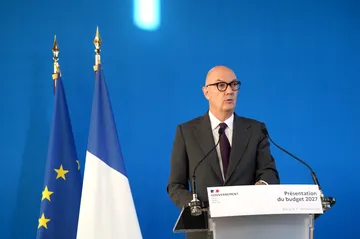
财政部长罗兰·莱斯屈尔表示,政府决心推动一项削减赤字的预算案通过,并将动用一切可用工具,包括从未使用过的行政命令。
Finance Minister Roland Lescure said the government is determined to get a deficit cutting budget enacted and will use any tools available, including untested executive orders.
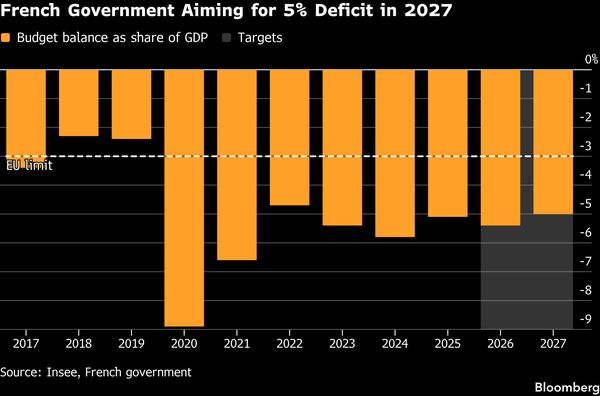
莱斯屈尔本月早些时候提交了2027年财政法案,其中包含异常严厉的支出限制,旨在安抚投资者,并将赤字从今年的国内生产总值(GDP)的5.4%压降至5%。但由于议会中没有多数派,该文本不太可能在投票中获采纳。
Lescure presented a 2027 finance bill earlier this month with unusually tough spending restrictions that aim to reassure investors and slim the deficit to 5% of economic output from 5.4% this year. But the text is unlikely to be adopted in a vote as there is no majority in parliament.
财政部长表示,政府可以动用被称为“第49.3条”的条款,绕过对法案的投票表决,这在近年来已多次使用。或者,为避免该程序导致预算案被否决并延误,政府也可以改用从未启用过的行政命令——即第49.4条。
The finance minister said the government could use the provision known as Article 49.3 to bypass ballots on the bill, as it has in recent years. Or, to avoid the risk of that process rejecting and delaying a budget, the administration could instead deploy the never-before-used executive order known as an .
“我们决心将赤字控制在5%或以下,”莱斯屈尔周三对记者说。“全世界都在注视着我们,我们需要直面现实,确保表现得当。”随着投资者因担忧法国无法控制膨胀的公共财政而抛售该国债券,法国通过预算的途径正受到密切关注。近期的抛售潮推高了法国10年期借贷成本相对于德国的利差,升至自欧元区债务危机以来的高位。
“We are determined to keep the 5% or less,” Lescure told reporters Wednesday. “The world is watching us and we need to be facing that music and make sure we play it well.”France’s avenues to adopt a budget are under close scrutiny as investors are dumping the country’s bonds on concerns it can’t get a grip on bloated public finances. Recent selloffs have driven 10-year borrowing costs compared to Germany to highs not seen since the euro area’s debt crisis.
对于2025年和2026年,政府最终依靠第49.3条通过预算,该条款规定:如果总理能在随后的不信任案投票中存活,法案即视为通过。为避免在这些场合被推翻,部长们曾向部分反对派议员做出让步,说服他们在不信任案投票中弃权。
For 2025 and 2026, governments ultimately relied on Article 49.3, which adopts a bill if the prime minister can survive ensuing no-confidence ballots. To avoid being toppled on those occasions, ministers offered concessions to some opposition lawmakers to convince them to abstain in those votes.
然而,莱斯屈尔表示,今年的情况“截然不同”,因为距离总统大选仅剩六个月,正式谈判很可能不会发生。因预算案引发的不信任案若获通过,将导致实施延误,政府已警告这可能使法国陷入更大的赤字泥沼。
However, Lescure said the situation is “very different” this year as formal negotiations probably won’t happen with just six months to go until presidential elections. Losing a no-confidence vote over the budget would delay implementation, something the government has warned could put France on course for an even wider deficit.
“这样只会引入更多波动、更多不确定性和更多观望情绪,并延续到明年,”他说。“你想先把预算案定下来,然后再转向总统大选。” 第49.3条的优势在于,虽然反对派仍可提出不信任动议,但即使政府倒台,预算案依然有效。缺点是,在议会辩论预算案满70天之前——即12月中旬左右——不能动用该条款,且只能适用最初的草案文本,不得作任何修正。
“You just introduce more volatility, more uncertainty and more wait-and-see and we carry over into next year,” he said. “You want to get the budget down and then move on to the presidential election.”The advantage of an over 49.3 is that while opposition groups could still propose no-confidence votes, the budget would stand even if the government falls. The drawbacks are that it can’t be used before parliament has debated the budget for 70 days — so until around mid-December — and it applies the initial draft bill without any amendments.
“目前说我们会处于什么境地、会采取何种方式还为时过早,但这两个选项今天都是敞开的,而且完全敞开,”莱斯屈尔说。
“It’s too early to say where we’ll be, how we’ll be, but those two options are open today and they’re wide open,” Lescure said.