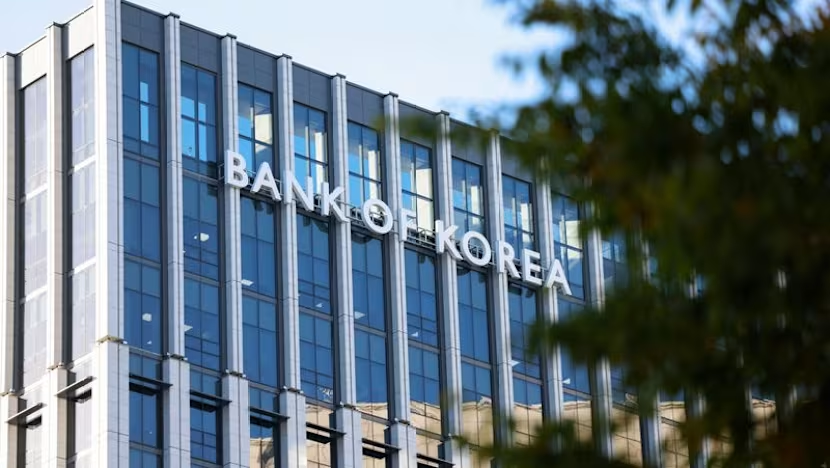
首尔,10月29日:韩国央行货币政策委员会的一位投票委员警告称,韩元近期的波动速度值得密切关注,释放出对汇率的谨慎信号,尽管这个依赖出口的经济体正因人工智能芯片的旺盛需求而受益。
SEOUL, Oct 29 : A voting member on the Bank of Korea's board warned that the recent pace of the won's moves warranted close monitoring, signalling caution over the currency even as the export-reliant economy benefits from booming demand for AI chips.
“关于汇率,你必须关注波动性和变动速度,而非水平,”黄圭日(Hwang Kunil,音译)在接受路透社采访时表示。“近期变动的速度比预期稍快一些。我们正在密切关注波动性。”
"With the exchange rate, you have to look at volatility and the speed of its moves rather than the level," Hwang Kunil said in an interview with Reuters. "The pace of the recent move has been somewhat faster than expected. We are watching volatility closely."
“话虽如此,一旦巨额经常账户顺差和外国投资再平衡得到调整,汇率承受下行压力的状况依然成立。”黄圭日曾任韩国副财政部长和世界银行执行董事,他表示,韩元近期走强,是因全球人工智能建设热潮带来的巨额美元流入,推动了对韩国顶级芯片制造商SK海力士和三星电子专用存储芯片的需求。
"That said, once the massive current account surplus and foreign investment rebalancing are adjusted, downward pressure on the exchange rate remains valid." Hwang, a former deputy finance minister and World Bank executive director, said the won's recent gains came as surging dollar inflows from the global artificial intelligence buildout fuelled demand for specialised memory chips from top Korean chipmakers SK Hynix and Samsung Electronics.
分析人士视黄圭日为央行七名委员中最偏向鸽派的成员之一。他反对8月份加息25个基点,这凸显了关于紧缩程度应走多远的争论。
Hwang is viewed by analysts as one of the most dovish members of the central bank's seven-member board. He opposed August's quarter-point hike in interest rates, which highlighted a debate over how far tightening should go.
这是他自2024年2月加入货币政策委员会以来的首次采访,也是他首次详细阐述亚洲第四大经济体在巨额经常账户顺差背景下的货币政策权衡。
This is his first interview since joining the board in February 2024, marking the first time he has detailed monetary policy trade-offs amid Asia’s fourth-largest economy's massive current account surplus.
作为韩国资深金融外交官,黄圭日在美国前总统特朗普首个任期内负责管理韩国汇率政策,在华盛顿指责首尔制造过大经常账户顺差的强烈压力下周旋。
A veteran financial diplomat for South Korea, Hwang managed the country's currency policy during US President Donald Trump's first term, navigating intense pressure when Washington accused Seoul of engineering excessive current-account surpluses.
韩国央行本月将利率维持在3.00%不变,此前曾在7月和8月连续两次加息,但考虑到能源价格和经济复苏韧性带来的通胀风险,并未排除进一步紧缩的可能性。
The BOK held interest rates steady at 3.00 per cent this month following back-to-back hikes in July and August, but left further tightening on the table amid inflation risks due to energy prices and a resilient economic recovery.
韩元兑美元在第三季度升值约13%,录得自1998年第四季度以来最大单季涨幅。虽然强势货币传统上能缓冲进口成本,但黄某指出,出口仍是该国宏观经济结构的基石。他说:“情况已非往日,但出口仍是我们经济结构的脊梁。”
The won gained about 13 per cent against the greenback in the third quarter, logging the sharpest rise in value since the fourth quarter of 1998. While a strong currency traditionally buffers import costs, Hwang noted that exports remain the bedrock of the country's macroeconomic structure. "It's not what it used to be, but exports are still the backbone of our economic structure," he said.
增长不均衡 关于国内物价前景,黄某预计,总体消费者物价通胀将在2027年上半年结束时开始接近央行2.0%的目标。他预期通胀将在明年底或2028年初完全稳定在目标水平。黄某说:“我们现在当然需要关注的是通胀的轨迹。”
UNEQUAL GROWTH On the domestic price outlook, Hwang projected that headline consumer price inflation would start approaching the central bank’s 2.0 per cent target towards the end of the first half of 2027. He expects inflation to be fully stabilised at the target by the end of next year or early 2028. "What we need to focus on right now is, of course, the trajectory of inflation," Hwang said.
虽然他预期强劲的出口势头将在一段时间内持续,但他表示担忧,积极的经济影响并未均匀分布。
While he expects blistering export momentum to continue for the time being, he expressed concern that the positive economic impact has not been distributed evenly.
他说,私人消费复苏步伐较慢,而中小企业继续面临居高不下的逾期率和疲软的国内需求。
Private consumption was recovering at a slower pace, while small and medium-sized companies continued to deal with elevated delinquency rates and weak domestic demand, he said.
他说:“积极因素仅限于特定群体,而高利率和高物价影响所有人。这取决于哪一方力量更强。”黄某还对小企业融资的底层质量表示谨慎。它们的逾期率在攀升,而其大部分借款用于支付工资和原材料等即期运营成本,而非扩大资本投资。
"The positives are limited to certain groups, while high rates and prices affect everyone," he said. "It depends on which side proves to be stronger." Hwang also expressed caution about the underlying quality of corporate financing for smaller businesses. Their delinquency rates were climbing, while much of their borrowing was going to cover immediate operating costs, such as wages and raw materials, rather than expanding capital investments.
当被问及全球人工智能支出放缓是否会损害出口主导型增长时,黄某表示,今年经常账户顺差可能从韩国央行8月预测的4500亿美元上修至近5000亿美元。
Asked whether a slowdown in global AI spending could hurt export-led growth, Hwang said this year's current-account surplus could be revised up to nearly $500 billion from the BOK's August forecast of $450 billion.
他说,缺口若达十分之一左右,即500亿美元,“当然”会构成打击,他援引韩国央行此前关于放缓潜在影响的预测称。“但这波繁荣可能会持续更长一段时间,”他说。
A shortfall amounting to about a tenth of that, or $50 billion, would "of course" be a blow, he said, citing an earlier BOK projection on the potential implications of a slowdown. "But this boom is likely to last somewhat longer," he said.