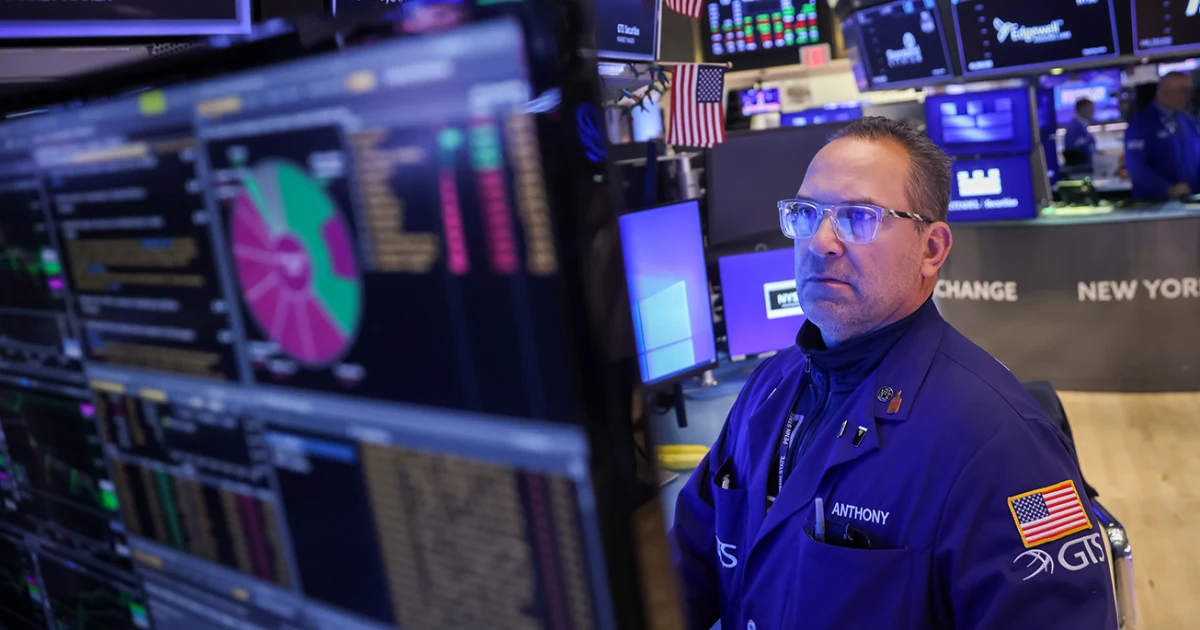
科技股周五暴跌,市值蒸发超过1万亿美元。纳斯达克100指数盘中下跌3.4%,创下自6月中旬以来最大单日跌幅。此次抛售使纳斯达克100指数逼近所谓的“回调区间”,即较指数上一历史高点下跌10%或更多。标普500指数也大幅下挫1.8%。标普科技板块当日表现最差,暴跌逾4.2%。随着万亿美元级科技巨头投入数千亿美元建设人工智能数据中心,投资者正在寻找更明确的迹象,以判断这些巨额支出是否真正带来了回报。
Tech stocks plunged Friday, erasing more than $1 trillion in value. The Nasdaq 100 index fell 3.4% in afternoon trading, its worst one-day drop since mid-June. The sell-off pushed the Nasdaq 100 close to what is known as “correction territory,” which is a decline of 10% or more from an index’s last record high. The broader S&P 500 also sharply dropped 1.8%. The S&P’s tech sector was by far the worst performing of the day, tumbling by more than 4.2%. As trillion-dollar tech companies spend hundreds of billions of dollars to build out artificial intelligence data centers, investors are looking for clearer signs that all that spending is actually delivering returns.
这些疑虑拖累了当日表现最差的股票之一英特尔,其股价暴跌29%,创下据1980年代有数据以来最惨单日跌幅。英特尔多家大型同行股价随之下跌。闪迪重挫13%;芯片制造商AMD、ARM控股、高通和美满电子均下跌约10%。然而,周五的巨额亏损种子是在周四埋下的,当时亚马逊和英特尔发布的季度财报未能令投资者和分析师放心。
These questions underpinned one of the day’s worst-performing stocks, Intel, which plunged 29% in its worst-ever single-day drop, according to data dating back to the 1980s. Several of Intel’s large peers followed it lower. SanDisk plunged 13%; chipmakers AMD, ARM Holdings, Qualcomm and Marvell all fell around 10%. The seeds of Friday’s massive losses were sown Thursday, however, when Amazon and Intel reported quarterly earnings that failed to reassure investors and analysts.
亚马逊股价周四盘后一度下跌多达10%,随后在周五全天逐步收复失地。该公司股价周五收盘仅下跌1.4%。费城半导体指数(英特尔为成分股)周五暴跌7.2%。追踪与计算机内存和存储相关公司的“DRAM”ETF重挫7%。所谓的“新云”股票也遭抛售。这些初创公司旨在为软件公司建设数据中心。Nebius和CoreWeave跌幅均超10%。
Shares of Amazon declined by as much as 10% in post-market trading Thursday, before recovering throughout the day Friday. The company’s shares ended Friday down just 1.4%. The Philadelphia semiconductor index, of which Intel is a member, sank 7.2% on Friday. The “DRAM” ETF, which tracks companies linked to computer memory and storage, tumbled 7%. So-called “neocloud” stocks also sold off. These upstart firms aim to build data centers for software firms to utilize. Nebius and CoreWeave dropped more than 10%.
追踪在该交易所交易的3000多家公司的更广泛的纳斯达克综合指数下跌2.8%。亚马逊的支出狂欢周四,亚马逊报告称,其用于建设人工智能的支出上一季度继续以快于预期的速度增长,而其核心网购业务增长放缓。
The broader Nasdaq Composite, which tracks the more than 3,000 companies that trade on the exchange, fell 2.8%. Amazon’s spending spree On Thursday, Amazon reported that its spending to build out AI had continued at a faster clip than expected last quarter, while growth in its core online shopping business had slowed.
上一次亚马逊向投资者透露将提升其人工智能支出预算时,市场对该决定作出积极回应,股价上涨超过15%。但过去三个月已经发生了很多变化。一些付费使用人工智能模型的大公司收紧了代币预算。另一些公司则对它们在人工智能采纳上投入的时间和资源究竟能带来多少收益提出了质疑。对此,一些投资者现在以更为怀疑的视角审视大型科技公司巨额的人工智能支出。
The last time Amazon told investors it was upping its AI spending budget, the market rewarded the decision by sending shares up more than 15%. But a lot has changed in the past three months. Some of the big companies that pay to use AI models have tightened their token budgets. Others have raised questions about exactly how much benefit they’re getting from all the time and resources they’re putting into AI adoption. In response, some investors are now looking at Big Tech’s massive AI spending through a more skeptical lens.
尽管如此,亚马逊首席执行官安迪·贾西在周四的股东大会上仍表示,要做好进一步加大支出的准备。他在公司财报电话会议上说:“我们仍预计2026年的现金(资本支出)约为2200亿美元,主要用于AWS,并预计2027年的支出将显著增加。”亚马逊的支出已计划从2025年起翻倍。
Nonetheless, Amazon CEO Andy Jassy told shareholders Thursday to brace for even more spending. “We still expect 2026 cash [capital expenditures] of approximately $220 billion, the majority for AWS, and expect to spend meaningfully more in 2027,” he said on the company’s earnings call. Amazon’s spending had already been set to double from 2025.
周五的跌幅紧随周四谷歌母公司Alphabet股价的大幅抛售。该公司市值蒸发约5000亿美元——创下有史以来最差的单日表现,也是历史上第二大市值蒸发。周五,股价再下跌1.4%。英特尔的供应链问题与此同时,英特尔向投资者表示,其第四季度的利润和销售额将低于预期,这导致股价大幅下跌。英特尔的股价在近期因管理层对这家长期困顿的芯片公司进行全面改革而出现飙升。
Friday’s losses follow significant selling in shares of Alphabet on Thursday. The Google parent company shed about $500 billion in market value — its worst day ever and the second-worst wipeout of value in market history. On Friday, the stock dropped another 1.4%. Intel’s supply chain woes Intel, meanwhile, told investors that its profits and sales in the fourth quarter would be lower than expected, which sent the stock tanking. Intel’s stock has surged in recent months as its management implements a sweeping overhaul of the long-ailing chip firm.
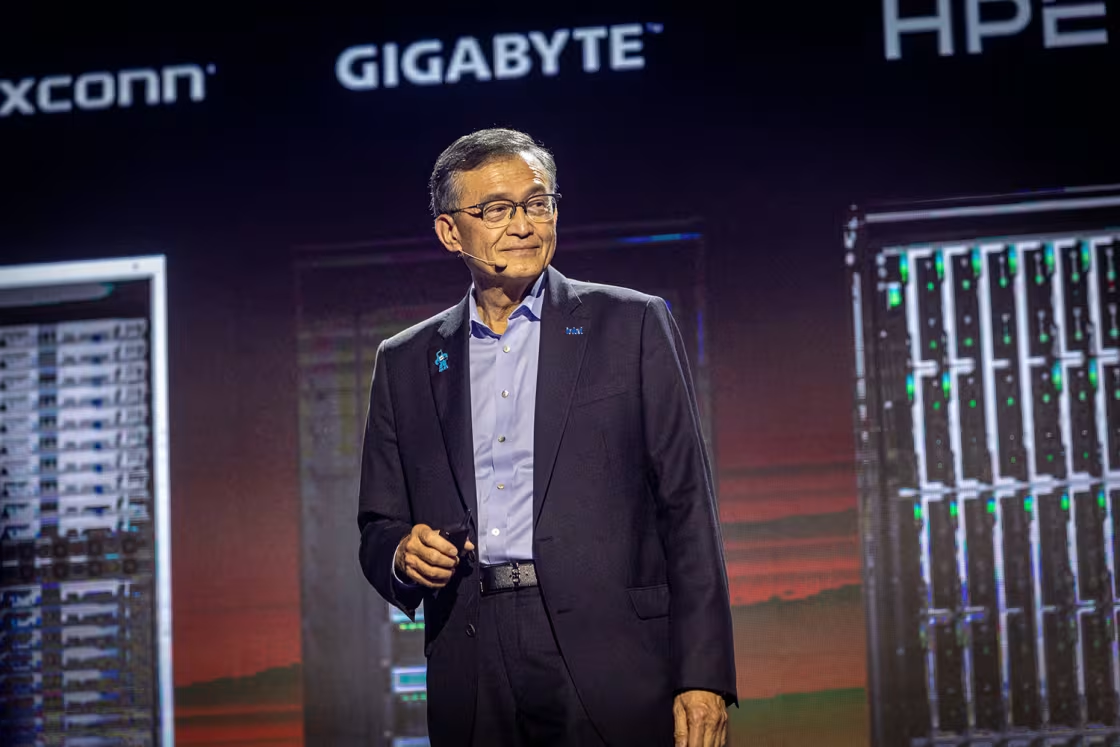
在这场转型的过程中,美国政府取得了该公司的股份,成为英特尔最大的股东。即使考虑到周五预期的跌幅,政府在英特尔的持股价值仍增长了280%。花旗集团的分析师将该报告形容为“前进两步,后退一步”。英特尔首席执行官林·布·谭指出,导致公司本季度表现平平的一个主要问题是供应链问题。
In the midst of that turnaround, the U.S. government took a stake in the company, making the federal government the company’s largest shareholder. Even accounting for Friday’s expected drop, the value of the government’s stake in Intel has grown by 280%. Analysts at Citigroup described the report as “two steps forward, one step back.”A major issue highlighted by Intel CEO Lip-Bu Tan that contributed to the company’s lackluster performance in the quarter was supply chain issues.
“我很失望,我们本季度未能满足强劲的客户需求,”陈在公司的财报电话会议上对投资者表示。“我们面临短期挑战,包括制造、供应短缺、前所未有的内存短缺以及由此导致的PC需求疲软。”与此同时,科技股的抛售似乎增加了对美国国债的需求,一度推动政府债券收益率走低。那些为数据中心建设而借款数千亿美元的大型AI公司已进入债务市场融资,这反过来又加剧了对资本的竞争。
“I’m disappointed that we were not able to meet strong customer demand in this quarter,” Tan told investors on the company’s earnings call. “We face near-term challenges, including manufacturing, supply shortage, the unprecedented memory crunch and the resulting softness in PC demand.”Meanwhile, the sell-off in tech shares appeared to increase demand for U.S. Treasuries, which briefly sent yields on government bonds lower. The big AI companies that are borrowing hundreds of billions for data center build-outs have tapped the debt markets for funds, which has in turn created more competition for capital.
随着这些公司向贷款方提供的回报率日益高于美国政府债券的回报率,近几个月美国国债收益率有所上升——部分原因是为了跟上私人市场的步伐。
As those companies increasingly offer better rates of return for lenders than the U.S. government does on bonds, Treasury yields have risen in recent months — partly to keep up with the private market.