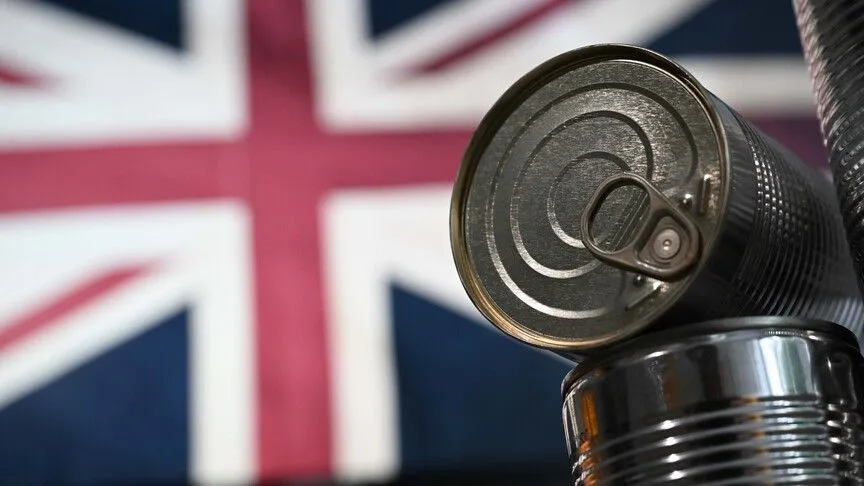
随着安全担忧加剧,西方各国政府敦促家庭和军事设施为长期中断做好准备。“政客们警告战争即将来临,媒体放大这些警告,由此产生的公众焦虑又被用来为进一步的军费开支提供理由,”武装暴力行动组织执行主任伊恩·奥弗顿说,“我们越来越把战争当作一件要让社会学会接受的事情,而不是交给外交去解决的问题。”从英国民宅到议会大厅,国防的话语正从战场转向食品储藏室。
Western governments urge households, military installations to prepare for prolonged disruptions as security concerns grow 'Politicians warn of an approaching war, the media amplifies those warnings, and the resulting public anxiety is then used to justify further military spending,' says Iain Overton, executive director of Action on Armed Violence 'We are increasingly treating war as something to prepare society to accept, rather than something that diplomacy From British homes to the halls of Parliament, the language of national defense is shifting from the battlefield to the pantry. Late last month, the British government launched a national resilience campaign to help households prepare for emergencies. Households are advised to stock up on bottled water, non-perishable food, flashlights and emergency cash – enough to survive at least 72 hours without power or internet access.
上个月末,英国政府发起了一项国家韧性运动,帮助家庭为紧急情况做好准备。政府建议家庭储备瓶装水、不易变质的食品、手电筒和应急现金——足以在断电或断网的情况下至少生存72小时。
The advice came alongside a stark timeline from UK Defense Secretary Wes Streeting – Britain must be ready to fight a major war within 1,000 days. Across the West, governments are placing growing emphasis on preparing households, essential infrastructure and military installations for prolonged disruptions.
与这一建议同时出现的,还有英国国防大臣韦斯·斯特里廷给出的严峻时间表——英国必须在1000天内做好打一场大规模战争的准备。
The European Commission's preparedness strategy, unveiled in March 2025, also called for households to maintain essential supplies for at least 72 hours.
在整个西方,各国政府越来越重视让家庭、关键基础设施和军事设施为长期中断做好准备。
It addresses threats ranging from conflict and cyberattacks to natural disasters.
欧盟委员会于2025年3月公布的备灾战略也呼吁家庭储备至少72小时的基本物资。该战略针对从冲突、网络攻击到自然灾害的各种威胁。
Across the Atlantic, the Pentagon is developing plans for US military bases to operate for at least 90 days without outside support, according to documents reviewed by Fox News. The FORTRESS initiative envisages microgrids, portable nuclear reactors and strategic stockpiles to sustain operations if civilian infrastructure and supply chains are disrupted.
在大西洋彼岸,据福克斯新闻查阅的文件显示,五角大楼正在制定计划,使美国军事基地能够在没有外部支持的情况下运作至少90天。
But some critics warn a cycle of fear risks turning war into a self-fulfilling prophecy.
“堡垒”计划设想通过微电网、便携式核反应堆和战略储备,在民用基础设施和供应链中断时维持运作。
Why are Western governments preparing for major disruptions?
但一些批评人士警告说,恐惧的循环有可能使战争成为自我实现的预言。西方各国政府为何要为重大中断做准备?
From Brussels to Washington, governments and military planners are increasingly emphasizing the need to protect essential services and infrastructure during crises. The approach, often described as "total defense" or a "whole-of-society" strategy, recognizes that modern conflicts can disrupt civilian life far beyond the battlefield.
从布鲁塞尔到华盛顿,各国政府和军事规划者正日益强调在危机期间保护基本服务和基础设施的必要性。
While Western defense planning has long addressed threats to domestic infrastructure, military strategists increasingly warn that cyberattacks, sabotage and other forms of hybrid warfare erases the line between military targets and civilian life.
这种方法通常被称为“全面防御”或“全社会”战略,它认识到现代冲突对平民生活造成的干扰可能远远超出战场范围。
NATO and European Union preparedness frameworks identify several vulnerabilities that could have serious consequences for civilian populations.
尽管西方防务规划长期以来一直应对针对国内基础设施的威胁,但军事战略家日益警告称,网络攻击、破坏活动和其他形式的混合战争正在抹去军事目标与平民生活之间的界限。
Cyberattacks could disrupt electricity grids, financial networks and water treatment facilities.
北约和欧盟的备灾框架指出了若干可能对平民群体造成严重后果的脆弱环节。网络攻击可能扰乱电网、金融网络和水处理设施。
Undersea telecommunications cables and natural gas pipelines could be vulnerable to sabotage, threatening communications and energy supplies. Disruptions to global supply chains could restrict access to semiconductors, pharmaceuticals and critical raw materials.
海底通信电缆和天然气管道可能容易遭到破坏,从而威胁通信和能源供应。全球供应链中断可能限制半导体、药品和关键原材料的获取。
Attacks on communications and satellite systems, including GPS jamming and satellite jamming,cripple domestic transport networks and commercial logistics within hours.. NATO has emphasized the importance of civilian infrastructure to military operations, noting that approximately 75% of host-nation support for its operations comes from local commercial infrastructure and services.
对通信和卫星系统的攻击,包括GPS干扰和卫星干扰,会在数小时内使国内交通网络和商业物流陷入瘫痪。
'We are witnessing a self-reinforcing cycle of fear' While military planners present stronger preparedness measures as a way to deter attacks and reduce vulnerabilities, some analysts question the effects of repeated warnings about an approaching war.
北约强调了民用基础设施对军事行动的重要性,并指出其行动约75%的东道国支持来自当地的商业基础设施和服务。
Iain Overton, executive director of Action on Armed Violence (AOAV), told Anadolu that Western countries risk entering a cycle in which warnings about conflict reinforce public anxiety.
“我们正在目睹一个自我强化的恐惧循环”——尽管军事规划者将更强有力的备灾措施视为威慑攻击和减少脆弱性的一种方式,但一些分析人士对反复警告战争即将来临的效果提出质疑。
“There is a real danger that we are witnessing a self-reinforcing cycle of fear,” Overton said.
“武装暴力行动”组织执行主任伊恩·奥弗顿告诉阿纳多卢通讯社,西方国家有可能陷入一种循环,即有关冲突的警告加剧了公众的焦虑。
“Politicians warn of an approaching war, the media amplifies those warnings, and the resulting public anxiety is then used to justify further military spending and increasingly alarming political rhetoric. Before long, the possibility of war begins to be presented as its probability, and then almost as its inevitability.”
“我们正目睹一个恐惧自我强化的循环,这是真实存在的危险,”奥弗顿说。“政客警告战争即将来临,媒体放大这些警告,由此产生的公众焦虑又被用来为进一步增加军费开支和日益令人不安的政治言论提供理由。不久之后,战争的可能性开始被呈现为它的概率,然后几乎被呈现为它的必然性。”奥弗顿还对他所称的关于俄罗斯军事能力的自相矛盾的描述提出质疑。
Overton also questioned what he described as contradictory portrayals of Russia's military capabilities. "On the one hand, Russia is presented as an existential threat to the whole of Europe, capable of confronting NATO militarily," he said. "On the other, we are repeatedly told that its economy is weak, its military has suffered enormous losses and it has struggled to defeat Ukraine.
“一方面,俄罗斯被呈现为对整个欧洲的生存威胁,有能力在军事上对抗北约,”他说。
If Russia has struggled so profoundly in Ukraine, why would it deliberately open a vastly larger war against the combined military power of NATO?"
“另一方面,我们一再被告知,俄罗斯经济疲弱,其军队遭受了巨大损失,且难以击败乌克兰。如果俄罗斯在乌克兰如此艰难,它为什么要故意对北约的联合军事力量发动一场规模大得多的战争?”这一备战推动之际,北约成员国正追求更高的国防和安全开支目标,包括承诺到2035年达到国内生产总值的5%。
The preparedness push comes as NATO members pursue higher defense and security spending targets, including a commitment to reach 5% of gross domestic product by 2035. For critics like Overton, the speed of this shift raises uncomfortable questions about who benefits from the militarization of public life.
对于像奥弗顿这样的批评者来说,这一转变的速度引发了令人不安的问题:公共生活的军事化究竟让谁受益。
"Many of those warning that a third world war is approaching are former military officers, defense consultants or individuals with professional and financial connections to the arms industry," he said.
“许多警告第三次世界大战即将来临的人是前军官、国防顾问,或与军火工业有职业和财务联系的个人,”他说。
“An industry that stands to gain enormously from rising defense expenditure should not be allowed to dominate the public conversation about whether such expenditure is necessary.”
“一个将从国防开支增长中获得巨大利益的行业,不应被允许主导关于此类开支是否必要的公共讨论。”奥弗顿还认为,将威胁外部化在国内政治上也有便利之处。
There is also a domestic political convenience to externalizing threat, Overton argued. Governments struggling with crumbling healthcare, housing shortages and sluggish economic growth find a powerful unifying force in the threat of an external enemy, he said.
他表示,那些正疲于应对医疗体系崩溃、住房短缺和经济增长乏力的政府,会从外部敌人的威胁中找到一股强大的凝聚力。一个满脑子想着生存准备的民众,难免不那么愿意就国内政策的失败向部长们施压。
A population preoccupied with survival preparedness is inevitably less inclined to press ministers on domestic policy failures. Critics also argue that conflating general emergency preparedness with preparation for imminent war risks distorting public policy.
批评者还认为,把一般性的应急准备与应对迫在眉睫的战争混为一谈,有扭曲公共政策的风险。
“Britain should be far better prepared for disruptions to electricity, water, communications, food supplies and other essential services,” Overton said.
“英国本应在电力、供水、通信、食品供应和其他基本服务中断方面做好得多得多的准备,”奥弗顿说。
“But those disruptions could arise from climate change, extreme weather, cyberattacks, pandemics or infrastructure failure just as readily as from conventional warfare. Presenting every resilience measure as preparation for an imminent war risks creating unnecessary fear.”
“但这些中断可能来自气候变化、极端天气、网络攻击、大流行病或基础设施故障,与来自常规战争的可能性一样大。把每一项韧性措施都说成是在为迫在眉睫的战争做准备,有可能制造不必要的恐惧。”奥弗顿警告说,强调为冲突做准备不应以牺牲防止冲突的努力为代价。
Overton warned that an emphasis on preparing for conflict should not come at the expense of efforts to prevent it. “My fundamental concern is that we are increasingly treating war as something to prepare society to accept, rather than something that diplomacy, political imagination and international institutions should be working relentlessly to prevent,” Overton said.
“我最根本的担忧是,我们正日益把战争当作一件要让社会学会接受的事情,而不是外交、政治想象力和国际机构应当不懈努力去防止的事情,”奥弗顿说。
"The question should not simply be whether Britain is ready to fight a war in 1,000 days.
“问题不应仅仅是英国是否准备好在一千天后打一场战争。而应是英国在这一千天里做了什么,来确保这样一场战争永远不会发生。”
It should be what Britain is doing over those 1,000 days to ensure that such a war never happens.”