雅加达——印度尼西亚经济在7至9月季度同比增长5.47%,表现优于预期,得益于政府支出强劲和家庭消费韧性十足。
JAKARTA -- Indonesia's economy expanded 5.47% year on year in the July-September quarter, outperforming expectations, amid robust government expenditures and resilient household spending.
这一最新结果标志着经济从4至6月季度录得的5.29%国内生产总值(GDP)增速中有所恢复,但仍较今年前三个月5.61%的扩张幅度有所放缓。路透社近期对经济学家的调查显示,第三季度增长的中位数预测为5.2%。
The latest result marks a recovery from the 5.29% gross domestic product growth recorded in the April-June period, but remains a slowdown from the 5.61% expansion in the first three months of the year. A recent Reuters poll of economists had a median forecast for a 5.2% expansion for the third quarter.
财政部长苏阿哈西尔·纳扎拉本周早些时候表示,1至9月公共支出达到2660兆盾(约合1470亿美元),同比增长19%,因政府加快拨付总统普拉博沃·苏比安托的旗舰政策资金,包括为儿童提供免费餐食和在全国发展村级合作社。
Finance Minister Suahasil Nazara said earlier this week that public spending in January to September reached 2.66 quadrillion rupiah ($147 billion), up 19% year on year, as the government accelerated disbursements for President Prabowo Subianto's flagship policies, including free meals for children and the development of village cooperatives nationwide.
纳扎拉于9月中旬获任命为财政部长,他预测2026年全年增长将达5.4%至5.5%,高于去年的5.1%。这大致与今年国家预算中的宏观经济假设一致,但低于普拉博沃总统在8月国情咨文中提出的6%新目标。他也将2027年增长目标定为6%。
Nazara, who was appointed finance minister in mid-September, predicted 5.4% to 5.5% growth for the whole of 2026, versus 5.1% last year. That is roughly in line with macroeconomic assumptions in this year's state budget, but below President Prabowo Subianto's new 6% target which he spelled out in his state of the nation address in August. He is also targeting 6% growth in 2027.
其他机构则不那么乐观。世界银行在上月发布的最新经济展望中,预测东南亚最大经济体2026年和2027年增长均为5.2%,与亚洲开发银行9月的预测相近。
Others are less optimistic. The World Bank, in its latest economic outlook released last month, forecasts 5.2% growth for Southeast Asia's largest economy in 2026 and 2027, similar to the Asian Development Bank's September forecasts.
研究机构BMI(注:原文为BMI)更为悲观,预测明年扩张4.9%,并在10月28日的报告中指出,尽管该数字反映了“相对韧性的增长势头”,但印尼面临来自“三大潜在冲击”的进一步下行风险:由厄尔尼诺现象驱动的食品价格上涨;假设美伊冲突持续到2027年第一季度之后(这也是我们当前基准情形的假设),石油价格再度上涨;以及盾币走弱。
Research specialist BMI is still more pessimistic, predicting a 4.9% expansion next year and saying in an Oct. 28 note that while the figure reflects "relatively resilient growth momentum," Indonesia faces further downside risks from "three potential shocks": an El Nino-driven rise in food prices; renewed increases in oil prices should the U.S.-Iran conflict persist beyond the first quarter of 2027, "as assumed in our current baseline"; and rupiah weakness.
经济学家此前曾对印度尼西亚统计局的GDP增长数据表示怀疑,尤其是在过去一年里。
Economists have previously expressed skepticism regarding Statistics Indonesia's GDP growth figures, especially over the past year.
近几个月来,印尼盾跌至历史低位,雅加达综合指数(JCI)自今年初以来下跌超过40%,原因是普拉博沃执政下政策不确定性加大,以及全球指数编制机构MSCI威胁下调印度尼西亚市场分类,引发资金外流。在MSCI于10月16日表示正在权衡将印度尼西亚从新兴市场降级为独立市场地位后,JCI经历了28年来最大单日跌幅。
The rupiah has hit historic lows in recent months, and the Jakarta Composite Index (JCI) has slid more than 40% since the beginning of the year, as growing policy uncertainty under Prabowo and global index provider MSCI's threats to downgrade Indonesia market classification trigger capital outflows. The JCI had its sharpest drop in 28 years after MSCI on Oct. 16 said it is weighing downgrading Indonesia from an emerging market to standalone market status.
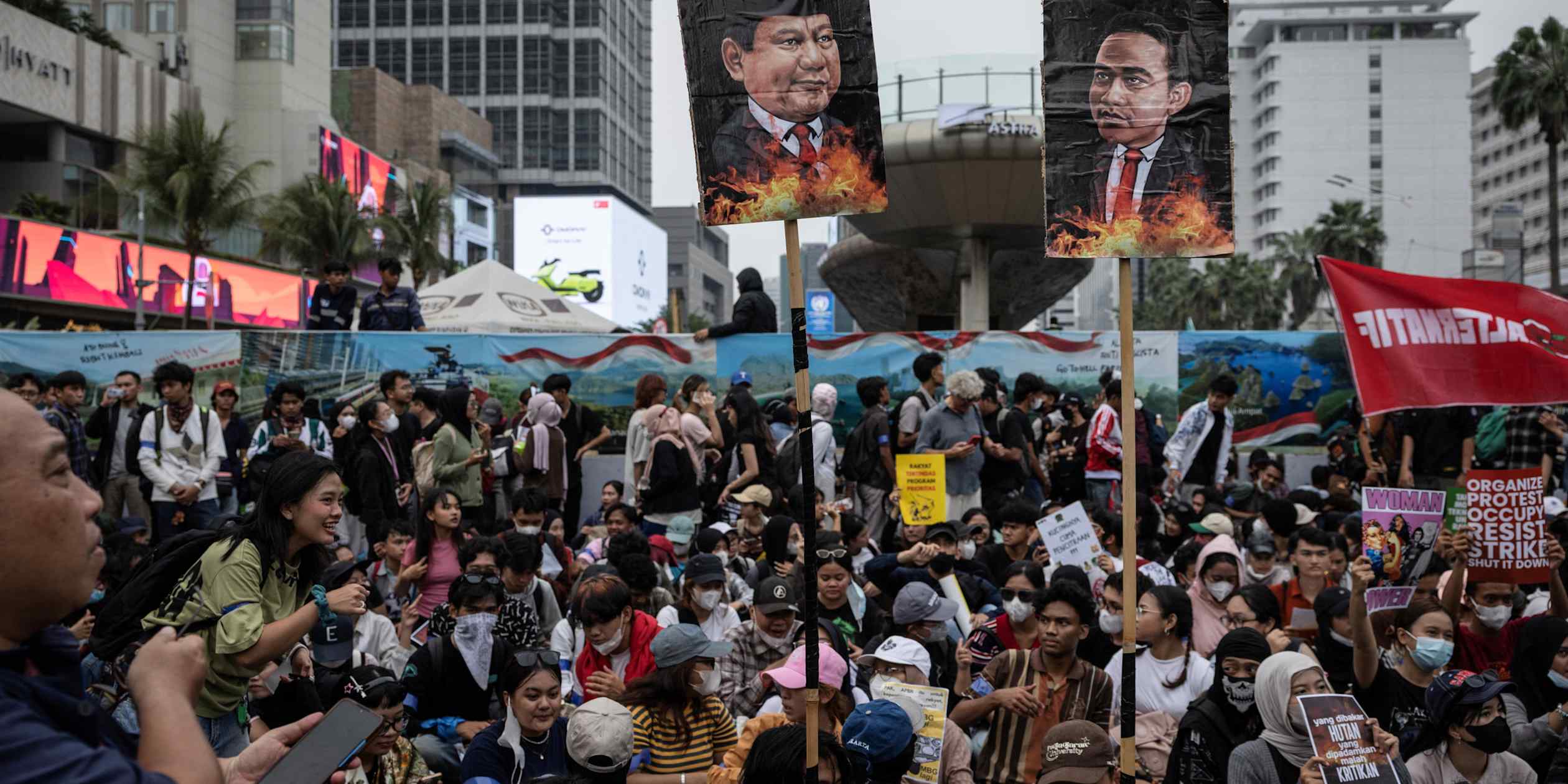
与此同时,公众不满情绪持续发酵,过去几个月里,数千人在雅加达和其他主要城市走上街头,抗议政府政策——他们认为这些政策损害了经济,以及政府未能遏制森林大火和烟霾,导致加里曼丹(婆罗洲的印尼部分)和苏门答腊等地居民深受其害。
Meanwhile, public discontent continues to simmer, with thousands taking to the streets over the past few months in Jakarta and other major cities to protest the government's policies, which they see as hurting the economy, and over its failure to curb forest fires and haze that have choked residents in areas such as Kalimantan -- the Indonesian part of Borneo -- and Sumatra.