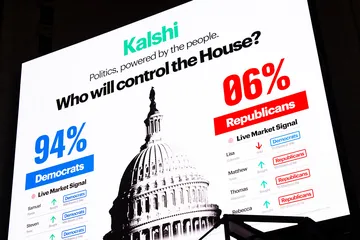
预测市场在 2026 年美国中期选举上押注颇重。虽然它们有时表现不错——2024 年,Kalshi 和 Polymarket 都看好唐纳德·特朗普赢得总统大选,而民调模型显示他与卡马拉·哈里斯势均力敌——但近几个月市场出现了一些尴尬的失误。8 月,市场给威斯康星州众议员弗朗西斯卡·洪在民主党州长初选中获胜的概率高达 95%,结果她落选了。10 月巴西总统决选中,市场给路易斯·伊纳西奥·卢拉·达席尔瓦获胜的赔率仅约 20%,结果他反败为胜。
Prediction markets had a lot riding on the 2026 US midterm elections. While they’ve sometimes performed well — in 2024 both Kalshi and Polymarket favored a presidential victory for Donald Trump while polling models had him and Kamala Harris neck-and-neck — the markets in recent months have had some embarrassing stumbles. In August they gave Wisconsin state Representative Francesca Hong a 95% chance of winning the Democratic primary for governor, until she lost. In Brazil’s presidential runoff in October, they put the odds for Luiz Inácio Lula da Silva around 20% before his upset victory.
周二的中期选举是市场证明其自称“真相机器”、优于其他信息来源地位的机会。表现如何?“我会给市场打个 B,”研究预测市场、总体主张其有用性的维克森林大学经济学教授科勒曼·斯特朗普夫说。虽然它们在选举日正确预测了民主党获胜的方向,但低估了这股浪潮的规模,斯特朗普夫说:“真正的关键信息——这是一场具有历史性的胜利——我认为你很难从市场得出这个结论。”
The midterms on Tuesday were a chance for the markets to prove their claimed status as “truth machines” superior to other information sources. How did they do? “I’d give the markets a B,” says Koleman Strumpf, a professor of economics at Wake Forest University who studies prediction markets and generally advocates for their utility. While they were directionally correct in predicting Democratic victories on Election Day, they missed the extent of the wave, Strumpf says: “The real big takeaway message — that this was a kind of historic win — I think you’d be hard-pressed to have concluded that from the market.”
虽然斯特朗普夫的评价与我选举翌晨采访的少数市场观察人士一致,但关于市场表现与民调预测相比孰优孰劣,并无共识。Kalshi 在 X 上宣布胜利,声称“市场比纳特·西尔弗的、FiftyPlusOne 和 的预测模型更准确。”西尔弗反驳,在推文中辩称他的模型和其他模型“更早、更激进地显示了民主党浪潮。”随后发布了更详尽的分析。一位独立分析师指出,一些民调模型比市场更看好民主党获胜,而另一些则更为谨慎。
While Strumpf’s assessment aligned with the handful of market watchers I spoke with the day after the election, there’s no consensus about how the markets’ performance compared with the poll-based forecasts. Kalshi declared victory on X, claiming that “the markets were more accurate” than forecasting models like those of Nate Silver’s , FiftyPlusOne and the . Silver pushed back, arguing in a tweet that his model and others “showed the D wave sooner and more aggressively.” before publishing a more thorough analysis. An independent analyst pointed out that some polling models were more confident than markets about Democratic victory, while others were more cautious.
巴纳德学院经济学教授、预测市场学者拉吉夫·塞西表示,尽管他仍在仔细分析结果,但目前市场的表现看起来“参差不齐”。在一些竞选中,民调模型胜过了预测市场。例如,在爱荷华州参议员竞选中,FiveThirtyEight 给民主党翻盘的几率为 58%(民主党最终成功),而预测市场的预测约为 50%。在密苏里州第 2 国会选区的众议员竞选中,FiveThirtyEight 看好民主党人弗雷德·韦尔曼获胜(他确实赢了),而预测市场则强烈倾向于现任议员安·瓦格纳。
Barnard College professor of economics and prediction market scholar Rajiv Sethi says, although he’s still sifting through results, the markets’ performance so far looks “mixed.”In some races, polling models beat prediction markets. For example, had Democrats’ odds of flipping Iowa’s Senate seat at 58% (they succeeded), compared with the markets’ prediction of around 50%. For the House race in Missouri’s 2nd District, FiftyPlusOne had Democrat Fred Wellman favored to win (he did), whereas prediction markets leaned strongly toward the incumbent Ann Wagner.
在另一些竞选中,预测市场胜过了民调模型。塞西表示,这些往往是存在某种民调未纳入考量的“X 因素”的竞选。例如,在内华达州州长竞选的前一天,预测市场给民主党挑战者亚伦·福特约 75% 的几率击败现任州长乔·隆巴多。与此同时,西尔弗的模型给福特的几率为 53%。两者预测均准确,但市场的信念更强。塞西认为,市场很可能将提前投票纳入了考量——内华达州公布提前投票者的党派登记情况——这是民调模型可能未做到的。
In other races, prediction markets beat the polling models. These tended to be races in which there was some kind of X-factor that polls didn’t take into account, Sethi says. For example, the day before the race for governor of Nevada, markets gave the Democratic challenger Aaron Ford about a 75% chance of unseating the incumbent Joe Lombardo. Silver’s model, meanwhile, had Ford at 53%. Both were correct, but the markets had more conviction. Sethi argues that markets likely took early voting into account — Nevada publishes the party registration of early voters — in a way that polling models might not have. (Silver confirms this.)
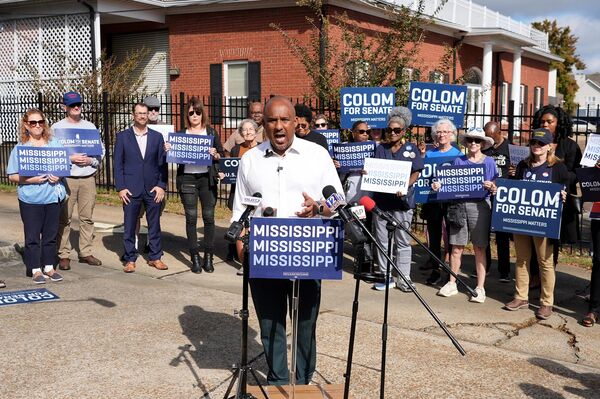
(西尔弗证实了这一点。)同样,在密西西比州参议员竞选中,选举前一天,预测市场将民主党挑战者斯科特·科洛姆的胜算定在 15% 左右,远高于基于民调的预测给出的 2% 至 4%。(科洛姆领先极微弱优势,但竞争过于胶着,尚无法宣布结果。)塞西将这种差异归因于可能提振了科洛姆支持热情的无形因素,比如候选人在特朗普集会上与参加者交谈的视频广为流传。
Similarly, in the Mississippi Senate race, prediction markets placed Democratic challenger Scott Colom’s odds around 15% the day before the election, much higher than the 2% to 4% predicted by polling-based forecasts. (Colom leads by a hair, but the race is too close to call.) Sethi attributes the disparity to intangibles that might have boosted enthusiasm for Colom, like the widely seen video of the candidate talking to attendees at a Trump rally.
“市场会纳入各种新颖的信息来源:例如社交媒体上什么内容正在病毒式传播,或者候选人的素质,”塞西说。
“Markets take into account all kinds of novel sources of information: What’s going viral on social media, for example, or candidate quality,” Sethi says.
但总体而言,预测市场和民调模型在正确与错误的预测上基本同步运行。如果预测市场在某场竞选中判断失误——比如得克萨斯州州长竞选或南卡罗来纳州参议院竞选——基于民调的预测通常也会出错。(威斯康星州州长初选和巴西总统大选也是如此。)这反映了预测市场的一个现实:尽管人们大谈其新颖性,但交易者严重依赖民调获取信息。
For the most part, though, prediction markets and polling models operated in sync, correctly and incorrectly. If a prediction market got a race wrong — like the Texas governor’s race or the South Carolina Senate race — poll-based forecasts usually did too. (This was true in the Wisconsin gubernatorial primary and Brazilian presidential election as well.) This reflects a reality about prediction markets: For all the talk of their novelty, traders depend heavily on polls for their information.
“如果民调总是偏离那么大,所有人都会停止相信它们,包括预测市场,”达特茅斯学院经济学教授埃里克·齐茨维茨说。“尽管存在种种问题,民调仍然相当可靠。”(彭博社母公司彭博有限合伙企业作为其为客户提供的更广泛数据产品的一部分,提供Polymarket和Kalshi的数据。)知名预测市场交易员Domer与斯特伦普夫一样,给本轮选举周期的预测市场打了“可靠的B级”,但认为它们对民主党过于谨慎。
“If the polls were always that far off, everybody would stop believing them, including prediction markets,” says Eric Zitzewitz, a professor of economics at Dartmouth College. “The polls are still decent despite all of their problems.” (Bloomberg LP, the parent of , provides Polymarket and Kalshi data as part of its broader data offering for clients.) The prominent prediction markets trader known as Domer, like Strumpf, gave the markets a “solid B” this election cycle, but thought they were too cautious about Democrats.
“对于得克萨斯州将变蓝这一现实,存在大量抵触情绪,”他说。Domer表示,这些错误对他来说是机会;他重押民主党将在得克萨斯州、缅因州、密歇根州和堪萨斯州获胜。
“There was a lot of resistance to just accepting the reality that Texas was going to go blue,” he says. For Domer, these errors were opportunities; he bet heavily on Democrats winning in Texas, Maine, Michigan and Kansas, he says.
Domer说,得克萨斯州是预测市场如何未能达到其理想化定位——即作为主流叙事的修正手段——的一个例子:“你应该保持冷静客观。”但押注反对得克萨斯州民主党的交易员是“出于某种错误的理由下注”,Domer说。他用网络俚语总结了这一局面,意指惨败。“最后他们被,你知道的,BTFO了。”
Texas is an example of how prediction markets can fall short of their idealistic pitch as a corrective to prevailing narratives, Domer says: “You’re supposed to be dispassionate.”But traders betting against Democrats in Texas were “betting for kind of the wrong reasons,” Domer says. He summed the situation up using internet slang for a blowout. “And they ended up getting, you know, BTFO’d.”