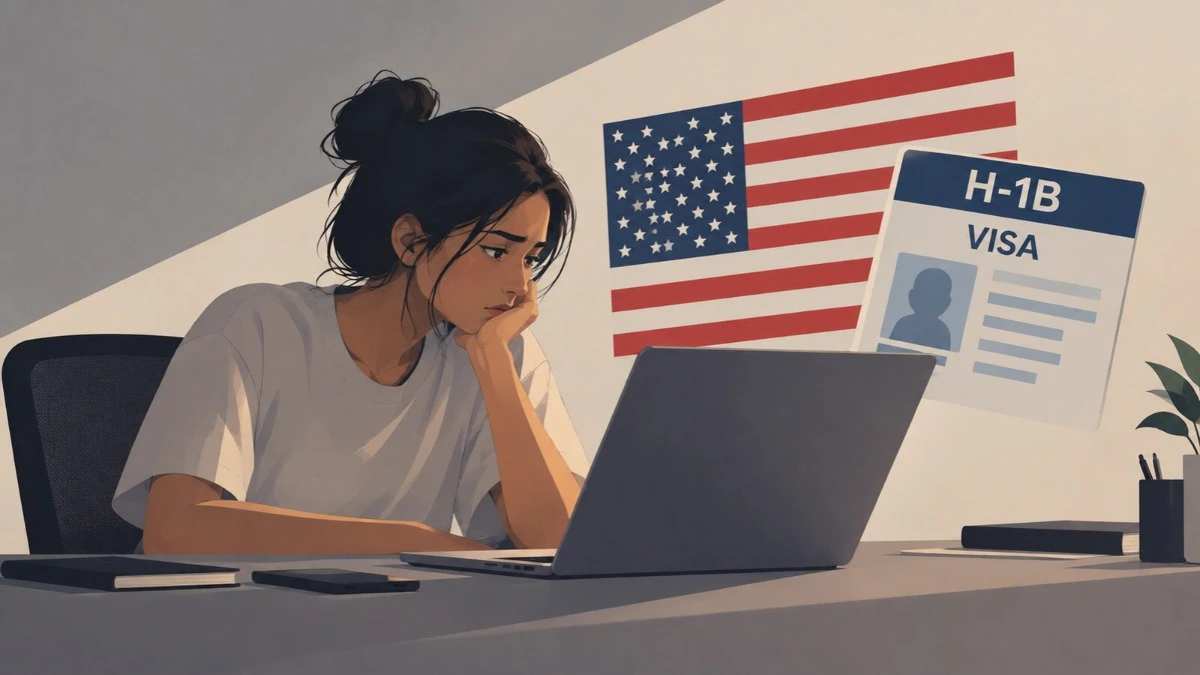
美国中期选举后国会政治力量对比的变化,可能为移民政策的辩论创造新的机会,但不太可能立即扭转特朗普政府对H-1B签证和就业类移民的限制。尽管一些移民劳工和申请人抱有期待,但国会领导层的变动并不会自动推翻通过行政命令、联邦法规和行政决定推行的政策。政治变化、立法改革与行政行动之间的区别,对于理解选举结果对美国外籍劳工可能意味着什么至关重要。
A shift in the political balance of the US Congress following the midterm elections may create fresh opportunities to debate immigration policy, but it is unlikely to result in an immediate reversal of the Trump administration's restrictions on H-1B visas and employment-based immigration. Despite expectations among some immigrant workers and applicants, a change in congressional leadership does not automatically undo policies introduced through executive orders, federal regulations and administrative decisions. The distinction between political change, legislative reform and administrative action is crucial to understanding what the election results could mean for foreign workers in the United States.HOW IMMIGRATION POLICIES ARE IMPLEMENTEDThe Immigration and Nationality Act (INA) provides the statutory framework for the US immigration system.
移民政策如何实施《移民与国籍法》(INA)为美国移民制度提供了法定框架。国会决定总体法律结构,包括就业类移民条款以及若干签证类别的数量上限。然而,联邦政府也拥有相当大的权力来执行这些法律。国土安全部(DHS)、美国公民及移民服务局(USCIS)、国务院和劳工部等机构通过法规、行政行动、政策指导和行政程序来实施移民政策。影响H-1B项目的若干变化正是通过这些机制引入的。
Congress determines the broad legal structure, including employment-based immigration provisions and numerical limits for several visa categories. However, the federal government also has considerable authority to administer these laws. Agencies such as the Department of Homeland Security (DHS), US Citizenship and Immigration Services (USCIS), Department of State and Department of Labor implement immigration policies through regulations, executive actions, policy guidance and administrative procedures. Several changes affecting the H-1B programme have been introduced through these mechanisms.
例如,美国国土安全部于2025年12月发布、2026年2月生效的一项最终规则,为H-1B注册引入了加权抽选程序。该制度通常对高薪、高技能岗位的注册给予更大权重。政府还通过总统公告和其他行政措施引入了额外限制和费用。此类政策不会因国会构成变化而自动失效。民主党多数能做什么民主党在国会一院或两院占多数,可能加强对政府移民政策的审查。
For instance, a DHS final rule introducing a weighted selection process for H-1B registrations was published in December 2025 and took effect in February 2026. The system generally gives greater weight to registrations for higher-paid and higher-skilled positions. The administration has also introduced additional restrictions and costs through presidential proclamations and other administrative measures. Such policies do not automatically lapse when the composition of Congress changes.WHAT A DEMOCRATIC MAJORITY CAN DOA Democratic majority in one or both chambers of Congress could increase scrutiny of the administration's immigration policies.
议员可以开展调查、举行听证会、质询官员,并利用国会监督权审查移民规则的执行情况。他们还可以提出立法修正现行移民法、影响政府拨款决策并对拟议的政策变更提出挑战。然而,这些权力并不赋予国会立即废除每一项现行移民法规的权限。已最终确定的法规通常继续有效,除非被相关机构修订或撤回、被法院裁定无效或被立法取代。
Lawmakers could conduct investigations, hold hearings, question officials and use congressional oversight to examine how immigration rules are being implemented. They could also introduce legislation to amend existing immigration laws, influence government funding decisions and challenge proposed policy changes. However, these powers do not give Congress the authority to immediately repeal every existing immigration regulation. A regulation that has been finalised generally remains in force unless it is amended or withdrawn by the relevant agency, invalidated by a court or superseded by legislation.
任何立法努力还必须通过国会规定的各个阶段并获得总统批准。如果总统唐纳德·特朗普否决法案,议员需要获得必要支持才能推翻其否决。因此,即使国会代表构成发生重大变化,也未必能立即为H-1B工人带来缓解。为何逆转行政规则需要时间行政部门可以逆转或修改多项移民政策,但过程取决于这些政策是如何出台的。
Any legislative effort would also have to clear the required stages in Congress and receive presidential approval. If President Donald Trump rejects a bill, lawmakers would need the necessary support to override his veto. Therefore, even a significant change in congressional representation may not translate into immediate relief for H-1B workers.WHY REVERSING ADMINISTRATIVE RULES TAKES TIMEThe executive branch can reverse or modify several immigration policies, but the process depends on how they were introduced.
某些行政命令可通过后续总统令撤销。然而,正式法规通常要求机构遵循既定的规则制定程序。
Certain executive orders can be rescinded through a subsequent presidential order. Formal regulations, however, generally require agencies to follow established rulemaking procedures.
这可能涉及公布拟议的修改、征求公众意见并发布最终规则。这一过程可能需要数月甚至更长时间。任何拟议的逆转也可能面临法律挑战,尤其是如果政府被指超越其法定权限或未遵循必要程序。因此,即使是一个想要改变现有移民政策的政府,也可能无法立即提供救济。H-1B工作者可以期待什么对于H-1B签证持有者和潜在申请人来说,行政变更与立法改革之间的区别尤为重要。
This may involve publishing proposed changes, inviting public comments and issuing a final rule. The process can take months or longer. Any proposed reversal may also face legal challenges, particularly if the administration is accused of exceeding its statutory authority or failing to follow required procedures. As a result, even a government that wants to change an existing immigration policy may not be able to provide immediate relief.WHAT H-1B WORKERS CAN EXPECTFor H-1B visa holders and prospective applicants, the distinction between administrative changes and legislative reform is particularly important.
该项目的多个方面,包括注册和遴选程序、雇主合规要求、申请裁决以及某些与就业相关的规则,均由法规和行政程序管辖。这些可能会被相关机构修改。然而,涉及法定签证上限、就业类移民积压以及永久居留途径整体结构的更广泛变更,则需要国会采取行动。国会领导层的变动并不会自动改变美国公民及移民服务局处理申请或雇主担保外国工作者所依据的规则。
Several aspects of the programme, including registration and selection procedures, employer compliance requirements, petition adjudication and certain employment-related rules, are governed by regulations and administrative procedures. These may be modified by the relevant agencies. However, broader changes involving statutory visa caps, employment-based immigration backlogs and the overall structure of permanent residency pathways would require congressional action.A change in congressional leadership does not automatically alter the rules under which USCIS processes applications or employers sponsor foreign workers.IMMIGRATION REFORM WOULD REQUIRE POLITICAL NEGOTIATIONSMeaningful and lasting relief for employment-based immigrants may ultimately depend on a broader immigration reform agreement between the White House and Congress.
移民改革将需要政治谈判对就业类移民而言,有意义且持久的救济最终可能取决于白宫与国会之间达成更广泛的移民改革协议。这样的协议可以解决就业类移民积压、H-1B项目规则、签证可用性、处理延误以及永久居留途径等问题。然而,达成协议将需要特朗普政府与国会民主党人之间的谈判。
Such an agreement could address employment-based immigration backlogs, H-1B programme rules, visa availability, processing delays and pathways to permanent residency. However, reaching a deal would require negotiations between the Trump administration and congressional Democrats.
双方需要找出共识领域并作出妥协。民主党可能不得不重新考虑其部分诉求,而共和党和政府则需要考虑回应雇主、技术型外国劳工和移民家庭需求的改革。结果将取决于双方谈判的政治意愿。仅凭国会多数席位并不能保证达成这样的协议。中期选举创造机会,但不会立即带来政策逆转中期选举可能改变华盛顿的政治环境,并为加强监督、谈判以及在移民问题上采取立法行动创造机会。
Both sides would need to identify areas of agreement and make compromises. Democrats may have to reconsider some of their demands, while Republicans and the administration would need to consider reforms that address the needs of employers, skilled foreign workers and immigrant families. The outcome would depend on the political willingness of both sides to negotiate. A congressional majority alone cannot guarantee that such an agreement will be reached.MIDTERMS CREATE OPPORTUNITY, NOT AN IMMEDIATE POLICY REVERSALThe midterm elections could change the political environment in Washington and create opportunities for greater oversight, negotiations and legislative action on immigration.
然而,不应将其误认为现有政策的自动逆转。通过行政权力和行政规则制定推出的措施将继续管辖移民申请,除非这些措施被依法改变。因此,对于H-1B工人和其他基于就业的移民来说,眼前的预期仍应保持审慎。选举结果可能为改革创造政治压力,但实质性缓解将需要具有法律效力的行政变更或经谈判达成的立法协议。
However, they should not be mistaken for an automatic reversal of existing policies. Measures introduced through executive authority and administrative rule-making will continue to govern immigration applications unless they are legally changed. For H-1B workers and other employment-based immigrants, the immediate expectation should therefore remain measured. The election results may create political pressure for reform, but meaningful relief will require legally effective administrative changes or a negotiated legislative agreement.
在这些变更实施之前,现有移民框架将继续适用于寻求在美国获得永久居留权的工人、雇主和申请人。- 完
Until such changes are implemented, the existing immigration framework will continue to apply to workers, employers and applicants seeking permanent residency in the United States.- Ends