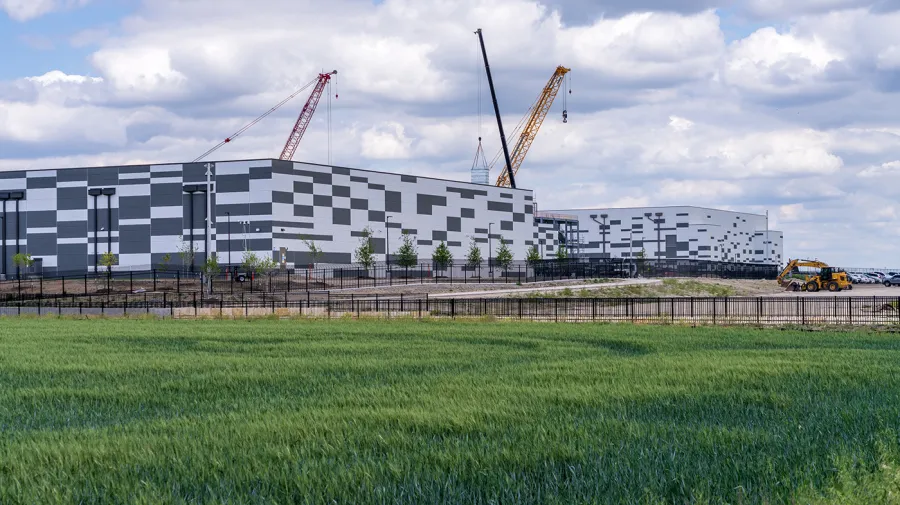
在今年中期选举中许多最激烈的竞选中,数据中心和人工智能公司实际上已被置于选票之上。AI行业深知自己已变得多么不受欢迎,各政治光谱的选民都对它们愤怒不已。那么,一个不受欢迎的行业如何能投入超过6900万美元用于竞选广告,以提振对AI友好的政客,而不让广告在愤怒的选民发现幕后金主后产生反效果?
In many of the hottest races in this year’s midterm elections, data centers and artificial intelligence companies were effectively on the ballot. The AI industry knew how unpopular they have become, with voters across the political spectrum furious at them. So, how then could an unpopular industry pour more than $69 million into campaign ads to boost AI-friendly politicians without having their ads backfire when angry voters find out who’s behind them?
方法很简单:用假名隐藏真正出资者。这完全合法——也完全令人愤慨。继一系列其他不受欢迎的企业利益集团和亿万富翁之后,他们深知自己的名字对选民有毒,AI行业的超级政治行动委员会(超级竞选委员会)广告将赞助方隐藏在“捍卫我们的价值观”、“想得更远”、“美国使命”和“就业与民主”等起着通用名字的空壳组织背后。
Simple: Hide who really paid for the ads behind fake names. This was perfectly legal — and perfectly outrageous. Following in the footsteps of a slew of other unpopular corporate interests and billionaires before them who knew their names were toxic with voters, the AI industry’s super PAC ads hid their sponsorship behind generically named shell groups like “Defending Our Values,” “Think Big,” “American Mission,” and “Jobs and Democracy.”
AI行业的超级竞选委员会广告几乎没有任何一条提及数据中心或AI。这并非偏向某一方;这是一个两党共存的问题。一条支持共和党候选人的AI超级竞选委员会广告展示了“捍卫美国创新”的字样,画面中候选人正与消防员握手,只字未提数据中心或AI。另一条支持竞选众议员的民主党候选人的AI超级竞选委员会广告赞扬该候选人致力于减少枪支暴力、支持执法部门——同样不提AI。
Almost none of the AI industry’s super PAC ads mentioned data centers or AI at all. This is not something that favored one side or another; it’s a bipartisan problem. An AI super PAC ad for a Republican candidate featured the phrase “CHAMPION AMERICAN INNOVATION” as he shook hands with firefighters, with no mention of data centers or AI. Another AI super PAC ad for a Democrat running for a House seat praised the candidate as committed to reducing gun violence and supporting law enforcement — no mention of AI.
广告标注由一个起着通用名字的团体支付,而非“由AI公司支付”。选民有权知道他们看到的广告究竟是谁在真正买单,以便在投票箱前做出明智决定。获取可行动的信息是健康民主的核心——也是第一修正案旨在保护的真正精髓。国会必须在2028年大选前堵上这个欺骗性的超级竞选委员会广告漏洞。好消息是,一项近期提出的法案将正是为此而设。
The ads were labeled as paid for by a generically named group, not “paid for by AI companies.”Voters deserve to know who’s really paying for the ads they see so they can make informed decisions at the ballot box. Access to actionable information is at the heart of a healthy democracy — and the very essence of what the First Amendment was designed to protect. Congress must close this deceptive super PAC ad loophole before the 2028 elections. The good news is that a recently introduced bill would do exactly that.
受阿拉斯加、亚利桑那和加利福尼亚州成功通过、并获得跨党派支持的选民批准的竞选披露法启发,众议员马西·卡普图尔(民主党-俄亥俄州)和凯文·马林(民主党-加利福尼亚州)近期提出的《超级政治行动委员会阳光法案》将制定一项简单的标签法,要求所有由超级政治行动委员会资助的竞选广告必须列出其前三大捐赠者的姓名及捐款金额。
Inspired by successful voter-approved campaign disclosure laws in Alaska, Arizona and California that passed with cross-partisan support, the Sunlight on SuperPACs Act recently introduced by Reps. Marcy Kaptur (D-Ohio) and Kevin Mullin (D-Calif.) would enact a simple labeling law requiring all super PAC-funded campaign ads to include the names of their top three donors and how much they donated.
对于由人工智能资助的超级政治行动委员会广告,它们仍可利用其空壳委员会支付费用,但必须让选民知晓这些空壳委员会的主要资金来源是人工智能公司、高管或亿万富翁。这将使选民在看到广告时,能实时获取所需信息,通过了解是谁在付费,从而评估广告的可信度。选民很聪明,但没有信息就无法做出明智决定。
In the case of the AI-funded super PAC ads, they could still use their shell committees to pay for them, but they would have to let voters know that the top funders of the shell committees are AI companies, executives or billionaires. That would give voters the real-time information they need to be able to evaluate the credibility of the ads by seeing who’s paying for them when they’re seeing the ads. Voters are smart but can’t make informed decisions without information.
法院已审理多起针对类似州披露法的企业资助挑战,并一律予以维持。虽然我们坚信最高法院在“联合公民诉联邦选举委员会案”中的裁决严重错误——认定第一修正案要求允许公司无限额花钱影响选举——但法院确实明确肯定了竞选披露法的合宪性。最高法院早已认定,要求竞选活动向选民提供选举广告资金来源信息,符合人民的“知情利益”,与第一修正案一致。
Courts have already heard multiple corporate-funded challenges to similar state disclosure laws and upheld them all. While we strongly believe that the Supreme Court in Citizens United v. FEC was deeply mistaken in concluding that the First Amendment required allowing corporations to spend unlimited sums to influence elections, the court did unequivocally affirm the constitutionality of campaign disclosure laws. The Supreme Court has long recognized as consistent with the First Amendment the people’s “informational interest” in requiring election campaigns to provide voters with information about the funders of election ads.
因为捐赠者透明度“使选民能够做出明智决定,并对不同的发言人和信息给予适当权重”,法院一贯支持披露法。我们有信心,法院也会支持超级政治行动委员会资金来源标签法。
Because donor transparency “enables the electorate to make informed decisions and give proper weight to different speakers and messages,” the court has consistently upheld disclosure laws. We are confident it would uphold a super PAC funders labeling law too.
在超级政治行动委员会(超级竞选委员会)广告底部标注真实资金来源标签,无法解决当今美国政治中令人发指的巨额支出问题,也无法限制企业和亿万富翁在竞选广告中提出的可疑主张。但《超级竞选委员会阳光法案》将赋予选民权力,让他们知晓所见广告背后的出资者是谁。随后,选民可自行评判这些广告的优劣。我们敦促下一届国会向选民提供这些信息,让阳光照耀超级竞选委员会。乔恩·戈林格是“公共公民”组织的民主倡导者。迈克尔·贝克尔是“第一议题”组织的政治资金改革主任。
Putting a true source funding label at the bottom of super PAC ads would not address the obscene amount of money being spent on American politics today or limit the questionable claims corporations and billionaires make in their campaign ads. But the Sunlight on SuperPACs Actwill empower voters to be informed about who's behind the ads they see. Then voters can evaluate the merits of the ads for themselves. We urge the next Congress to give voters that information and shine sunlight on super PACs. Jon Golinger is the democracy advocate for Public Citizen. Michael Beckel is Money in Politics Reform director for Issue One.