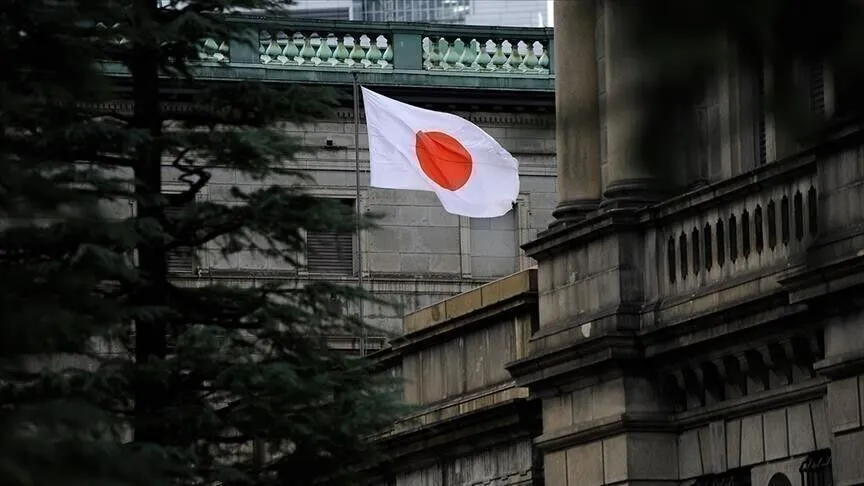
日本央行行长植田和男周五表示,温和通胀的回归正在重新唤醒企业的风险偏好,并推动国内投资。
Bank of Japan Governor Kazuo Ueda said on Friday that the return of moderate inflation is reawakening corporate risk appetite and driving domestic investment.
植田和男在国际货币基金组织发表“米歇尔·康德苏中央银行讲座”时指出,疫情后的企业固定投资终于超过了20世纪90年代初的峰值。
Delivering the Michel Camdessus Central Banking Lecture at the International Monetary Fund, Ueda highlighted that post-pandemic business fixed investment has finally eclipsed its early-1990s peak.
植田和男指出,日本银行贷款近期增幅超过5%,在企业借贷复苏的推动下创下30年来最快增速。
Ueda noted that bank lending in Japan has expanded by more than 5% recently, marking its fastest pace in three decades amid reviving corporate borrowing.
根据日本央行的一项调查,在2023至2024年,超过70%的企业表示在国内投资更加积极,主要驱动因素是严重的劳动力短缺。
According to a Bank of Japan survey, more than 70% of firms reported investing more actively at home in 2023–2024, driven primarily by acute labor shortages.
这位央行行长强调,劳动力短缺迫使企业转向国内资本深化和节省劳动力的自动化,同时还在脱碳和数字化转型方面进行投资。
The central bank chief emphasized that labor scarcity compels companies toward domestic capital deepening and labor-saving automation, alongside investments in decarbonization and digital transformation.
植田和男解释说,国内投资的回升可能有助于日本实现四十年前提出的由内需主导经济调整的愿景,其途径是缩小企业储蓄过剩。
Ueda explained that the resurgence in domestic investment could help Japan realize a four-decade-old vision of domestic demand-led economic adjustment by narrowing the corporate saving surplus.
不过,他强调,来自海外投资的净初次收入超过国内生产总值的6%,仍将是日本国际收支中长期的支柱。
However, he stressed that net primary income from foreign investments, which exceeds 6% of gross domestic product, will remain an enduring pillar of Japan's external accounts.
植田和男还表示,虽然人口老龄化可能降低家庭储蓄,但国内生产率和资本支出的提高可能逐步缩小国民储蓄与投资之间的缺口。
Ueda added that while demographic aging may reduce household savings, higher domestic productivity and capital expenditures could gradually diminish the national saving-investment gap.