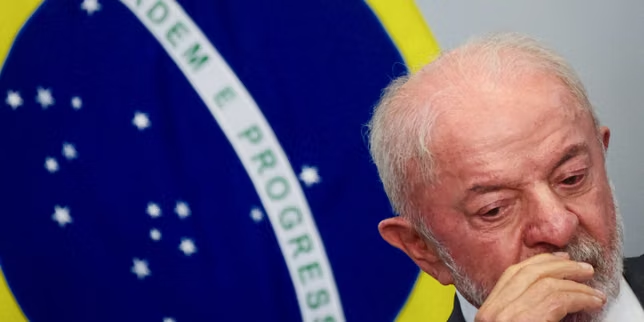
2026年11月5日,路易斯·伊纳西奥·卢拉·达席尔瓦在巴西利亚。
Luiz Inacio Lula da Silva in Brasilia on November 5, 2026.
在过去三年里,一股超保守浪潮席卷拉丁美洲大部分地区,极右翼看似势不可挡。但弗拉维奥·博尔索纳罗在巴西和唐纳德·特朗普在美国中期选举中的近期败选证明并非如此。
After an ultraconservative wave swept across much of Latin America over the past three years, the far right had seemed invincible. But the recent defeats of Flávio Bolsonaro in Brazil and Donald Trump in the United States midterm elections proved otherwise.
巴西总统路易斯·伊纳西奥·卢拉·达席尔瓦连任以及民主党在美国国会获胜,增强了巴西在拉丁美洲的权威,并可能阻碍特朗普总统控制“西半球”的“门罗主义”。卢拉于10月25日连任,给指望前总统雅伊尔·博尔索纳罗(2019-2023年任职)长子巩固其统治地位的地区保守派造成重大打击。
The reelection of Brazilian president Luiz Inácio Lula da Silva and the Democrats' victory in the United States Congress strengthened Brazil's authority in Latin America and could obstruct President Trump's "Donroe doctrine" for controlling the "Western Hemisphere." Lula's reelection on October 25 dealt a major blow to regional conservatives who had counted on former president Jair Bolsonaro's (2019-2023) eldest son to cement their dominance.
华盛顿巴西办公室智库主任、美洲人权委员会前执行秘书保罗·阿布劳表示,这两次连续挫折“不意味着拉丁美洲极右翼的消失,但它们可能改变其扩张的政治条件”。
These two successive setbacks "do not mean the disappearance of the Latin American far right, but they may change the political conditions for its expansion," said Paulo Abrão, director of the Washington Brazil Office think tank and former executive secretary of the Inter-American Commission on Human Rights.
在卢拉意外获胜后,拉丁美洲左翼政党重拾信心。“这给拉丁美洲带来了一线希望,”墨西哥总统克劳迪娅·辛鲍姆于10月26日宣称。
Latin America's left-wing parties regained confidence after Lula's unexpected victory. "It is a breath of hope for Latin America," declared Mexican President Claudia Sheinbaum on October 26.