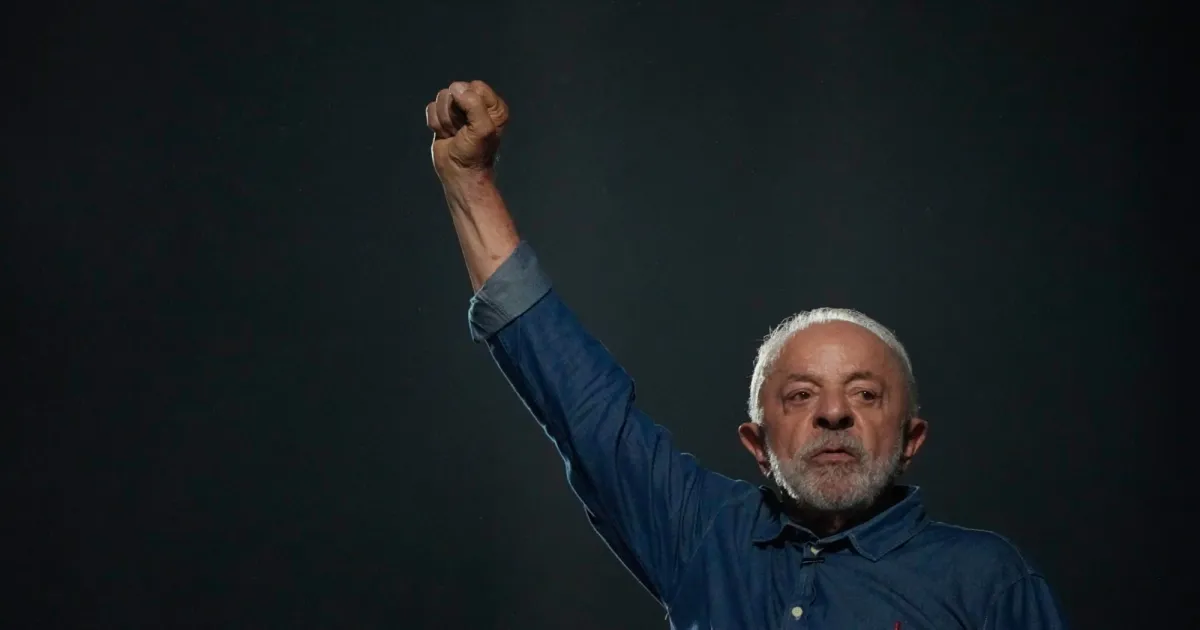
10月25日,巴西震惊世界,决定性地拒绝极右翼并连任路易斯·伊纳西奥·卢拉·达席尔瓦为第四任总统。81岁的卢拉以超过400万票的优势击败弗拉维奥·博尔索纳罗——前总统贾伊尔·博尔索纳罗之子,后者因企图发动政变被定罪。卢拉在这场被视为对国家、亚马逊未来以及特朗普政府在拉丁美洲野心都至关重要的选举中,在决选中实现了前所未有的复出。
On October 25, Brazil stunned the world by decisively rejecting the far right and reelecting President Luiz Inácio Lula da Silva for a fourth term. Lula, 81, defeated Flávio Bolsonaro—the son of former President Jair Bolsonaro, who was convicted of attempting a coup—by a margin of more than 4 million votes. He managed to achieve an unprecedented comeback in the runoff of what was considered a critical election not only for the country, but also for the future of the Amazon and the Trump administration’s aspirations in Latin America.
卢拉获胜后,弗拉维奥拒绝认输,宣称自己是合法的“当选总统”(随后改称“巴西领袖”),并效仿父亲,借助特朗普政府助手的帮助逃往美国。卢拉的当选终止了该地区右翼政府的浪潮。在胜利演讲中,工党领袖表示,他的当选是对“外部干预”的一次胜利,尤其是像Meta(Instagram、Facebook和WhatsApp的所有者)等公司的干预,并誓言将监管数字平台。
In the aftermath of Lula’s win, Flávio refused to concede, declared himself the rightful “president-elect” (later changing it to “leader of Brazil”), and emulated his father by fleeing to the United States with the assistance of President Donald Trump’s aides. Lula’s election put a halt to the wave of right-wing governments sweeping the region. In his victory speech, the Workers’ Party leader said his election was a win against “outside interference” from companies like Meta—owner of Instagram, Facebook, and WhatsApp—and vowed to regulate digital platforms.
弗吉尼亚大学副教授大卫·内梅尔(David Nemer)研究技术与虚假信息,他认为卢拉战胜弗拉维奥也意味着巴西打破了他所描述的“美国两年诅咒”——一个大约十年的摇摆周期,在此期间美国政治的变化随后在巴西重现,从极右翼民粹主义领袖的崛起到反民主暴乱以及推翻选举结果的努力。
For David Nemer, an associate professor at the University of Virginia who researches technology and disinformation, Lula’s triumph over Flávio also meant that Brazil broke what he described as the “two-year American curse”—a seesawing cycle of about 10 years during which what happened in US politics was later repeated in Brazil, from the rise of a populist far-right leader to anti-democratic riots and efforts to overturn election results.
众所周知,2016年,特朗普在美国赢得总统大选。两年后,被称为“热带特朗普”的雅伊尔·博尔索纳罗在巴西掌权。随后,乔·拜登成为总统,两年后卢拉获胜。2023年1月8日,博尔索纳罗的支持者在巴西首都巴西利亚冲击联邦政府大楼,此次事件与美国1月6日国会山骚乱相隔两年。最后,2024年,特朗普连任。但现在,面对是否将博尔索纳罗家族的一名成员送上巴西最高职位的选择,大多数巴西人说“不。”
As we all know, in 2016, Trump won the presidency in the United States. Two years later, Jair Bolsonaro—dubbed the “Trump of the tropics”—came to power in Brazil. Then, Joe Biden became president, followed by Lula’s win two years later. Two years also separated the January 6 insurrection and the January 8, 2023 ransacking of federal of government buildings in Brasilia, the country’s capital, by Bolsonaro supporters. Finally, in 2024, Trump was reelected. But now, faced with the option to return a member of the Bolsonaro family to the nation’s highest office, the majority of Brazilians said “no.”
我于2023年首次采访内梅尔,当时刚刚发生了类似于1月6日事件的巴西袭击,他早已预见到这一袭击。弗拉维奥落选后,我再次联系他,询问卢拉如何在三周内扭转选举局势,他的数字竞选活动的成功能带来哪些经验,以及他的胜利是否可能预示中期选举的任何情况。
I first interviewed Nemer in 2023, in the aftermath of the January 6-like attack in Brazil, which he had seen coming. After Flávio’s defeat, I got back in touch with him to ask about how Lula was able to turn the election around in three weeks, what lessons can be learned from the success of his digital campaign and whether his victory might indicate anything regarding the midterms.
2026年巴西总统大选围绕美国干涉的问题以及大型科技公司政治偏见的指控展开。卢拉的竞选团队抱怨称,Meta利用算法压制他的内容,同时提升其对手的内容,这促使巴西选举法院命令该公司确保两名候选人在其平台上得到平等对待。你如何评价Meta据称在选举中所扮演的角色?
The 2026 Brazilian presidential elections were marked by questions around interference from the United States and claims of political bias by big tech. Lula’s campaign complained that Meta used algorithms to suppress his content while boosting that of his opponent, prompting the Brazilian electoral court to order the company to ensure both candidates received equal treatment on its platforms. What is your assessment of the role that Meta allegedly played in the elections?
Meta在巴西选举中蓄意行动。卢拉的内容没有走红,其算法待遇与右翼分享的内容不同。人们向Meta AI查询,却无法生成带有卢拉名字的图片,但可以生成带有弗拉维奥名字的图片。Meta承认了问题并修复了故障。卢拉竞选团队在Meta平台上发布广告的成本也高于弗拉维奥·博尔索纳罗。[该公司否认干预选举。] 尽管他们称这些为“技术”故障,但很难相信,因为无法核实这些故障纯属技术问题,而且所有故障都只惠及一位候选人——弗拉维奥·博尔索纳罗。
Meta deliberately acted in Brazil’s elections. Lula’s content was not going viral. It did not have the same treatment by the algorithm as content shared by the right. People were going to Meta AI, and they were not able to produce any images with Lula’s name on them, but they able to do it with Flávio’s. Meta recognized the issue and fixed the glitch. It was also more expensive for Lula’s campaign to publish their ads on Meta’s platforms than for Flávio Bolsonaro. [The company has denied meddling in the election.] While they called them “technical” failures, it’s hard to believe them when there’s no way to verify that those failures were actually just technical—and the fact that all the failures benefited one candidate only, Flávio Bolsonaro.
与此同时,卢拉在决选中实现逆转并获胜的主要因素之一,实际上是Meta旗下的WhatsApp。WhatsApp在巴西98%的手机上安装,是主要的通讯方式。
At the same time, one of the main factors behind Lula turning the tide and winning the runoff was actually WhatsApp, which is a platform owned by Meta. WhatsApp is on 98 percent of phones in Brazil; it’s the main means of communication.
最初,选举势头势均力敌,10月4日第一轮投票后,弗拉维奥·博尔索纳罗似乎占据明显优势。是什么关键因素促成了卢拉总统的历史性逆转?
Initially, the race looked neck and neck, and after the first round of voting on October 4, Flávio Bolsonaro appeared to have a clear advantage. What were the crucial factors that enabled President Lula’s historic comeback?
卢拉改变了策略,与懂得数字世界的人结盟。例如,21岁的安娜·埃莉莎·桑托斯——她是一名黑人女性,在米纳斯吉拉斯州当选[国会议员]。她是一位巨大的现象级人物,卢拉将她纳入团队。还有几项政治胜利帮助提升了卢拉的支持率,比如结束六天工作制的法案成为法律。这对卢拉来说是一场重大胜利,他充分利用了这一点。他还禁止了在线赌博平台,这是人们非常关切的问题。
Lula changed his strategy and aligned himself with folks who understood the digital world. For example, 21-year-old Ana Elisa Santos—she’s a Black woman who got elected [to Congress] in the state of Minas Gerais. She was a massive phenomenon and he got her on his team. There were also political wins that helped boost Lula, like the bill that became law ending the six-day workweek. That was a major win for Lula, and he capitalized a lot on that. He also banned online gambling platforms, which was something that people were really concerned about.
“事情一件接一件地积累,势头逐渐形成,直到我们看到第二轮投票的结果。人们也非常害怕回到博索纳罗时代。”所有这些政治和数字举措都帮助他积聚了势头。他采取这些举措是为了占领数字世界,但也有几位组织者共同努力占领街道。这一点非常重要。这一切始于尼泰罗伊的法学院学生[尼泰罗伊位于里约热内卢州],接下来我们就看到卢拉占据了科帕卡巴纳——这个地方以支持博索纳罗的示威活动而闻名——以及圣保罗市的主要大道。
“One thing was building on another and the momentum was created until we saw what we saw in the runoff. There was also just a lot of fear of going back to the Bolsonaro times.”All these political and digital moves helped him gain momentum. He made these moves to occupy the digital world, but there were also several organizers who worked together to occupy the streets. That was very important. It started with law students in Niterói [in the state of Rio de Janeiro] and the next thing we know, we’re seeing Lula take over Copacabana—known for pro-Bolsonaro demonstrations—and the city of São Paulo’s main avenue.
事情一件接一件地积累,势头逐渐形成,直到我们看到第二轮投票的结果。人们也非常害怕回到博索纳罗时代。
One thing was building on another and the momentum was created until we saw what we saw in the runoff. There was also just a lot of fear of going back to the Bolsonaro times.
卢拉在线上成功策略的主要负责人是议员安德烈·贾诺内斯,他是一个拥有超过1000万成员的WhatsApp频道背后的“将军”。他指示追随者不要参与右翼内容,以免提升其传播范围。他还制定了有针对性的“任务”,例如鼓励追随者穿着巴西国家队足球球衣发自拍,并展示支持卢拉的“L”手势,这些内容充斥了社交媒体信息流。你能解释一下这次选举中的数字竞选活动是如何运作的吗?
The main person responsible for Lula’s successful strategy online was lawmaker André Janones, the “general” behind a WhatsApp channel that grew to have more than 10 million members. He instructed followers not to engage with content from the right so as to not boost its reach. He also developed targeted “missions,” for example, encouraging followers to post selfies wearing Brazil’s soccer jersey and flashing a pro-Lula “L” sign that flooded social media feeds. Can you explain how the digital campaign worked in this election?
[安德烈]·贾诺内斯所做的,正是我所理论化的WhatsApp“人力基础设施”。我曾在错误信息的背景下研究过这一现象,以及博索纳罗2018年的竞选活动如何构建一个人力基础设施,使其在WhatsApp上表现得就像一个算法一样——策划并传播错误信息。贾诺内斯所做的正是如此。他没有依赖算法的平台——我们不知道内容是如何传达到我们面前的——而是创建了一个人力基础设施,用来推广需要传播的内容。
What [André] Janones did was what I have theorized as the human infrastructure of WhatsApp. I’ve studied this in the context of misinformation and how the Bolsonaro campaign in 2018 built a human infrastructure to behave just like an algorithm on WhatsApp—to curate and distribute misinformation. That’s exactly what Janones did. Instead of having a platform that relies on algorithms—where we don’t know how the content reaches us—he created a human infrastructure that would promote the content that needed to be spread.
他开设了一个名为“卢拉军团”的频道,不断给人们布置任务。你有这个网红,他拥有一批会出去执行他命令的部队。“嘿,带上你的朋友,带上你的表亲,带上你的妈妈,带上你认识的人。”人们更倾向于相信那些自己认识和信任的人分享的内容。所以这是一个重大变化:让网络更加亲密,同时又能大规模运作。
He started this channel called “Exército do Lula”—Lula’s Army—and kept giving people tasks. You have the influencer, and he’s got the troops that will go out and follow his orders. “Hey, bring your friend, bring your cousin, bring your mom, bring the people you know.”People are more likely to believe in things that are shared by those they know and trust. So that was a big change: to make [a network] more intimate, but also at scale.
选举失利后,弗拉维奥·博尔索纳罗逃往美国,美国政府给予他临时逗留许可。几名民主党人对此表示反对,将其视为“特朗普腐败”的又一例证。你认为卢拉在巴西的胜利是否可能助力民主党在即将到来的美国中期选举中取得进展?
After his loss, Flávio Bolsonaro fled to the United States, and the US government gave him temporary permission to stay in the country. Several Democrats have pushed back pointing to it as another example of “Trump’s corruption.”Do you think Lula’s victory in Brazil could contribute to the Democrats’ momentum in the upcoming US midterms?
卢拉的胜利无疑带来一股清新空气。我认为这对民主党的帮助大于损害。它传递了一个信息:极右翼并非不可避免。你确实可以击败他们。在特朗普两年前所做的一切之后,一切都在向博尔索纳罗获胜倾斜。但巴西打破了这两年的诅咒。这可能向民主党传递一个信息,并成为一种方式,让美国人看到并思考:“嘿,事情是可以改变的。”
Lula’s win certainly brings a breath of fresh air. I think it helps more than it hurts the Democrats. It sends a message that the far right is not inevitable. You actually beat them. Everything was leaning toward Bolsonaro winning following what Trump did two years ago. But Brazil broke the two-year curse. This could send a message to Democrats and be a way to get Americans to look and think, “Hey, things can change.”