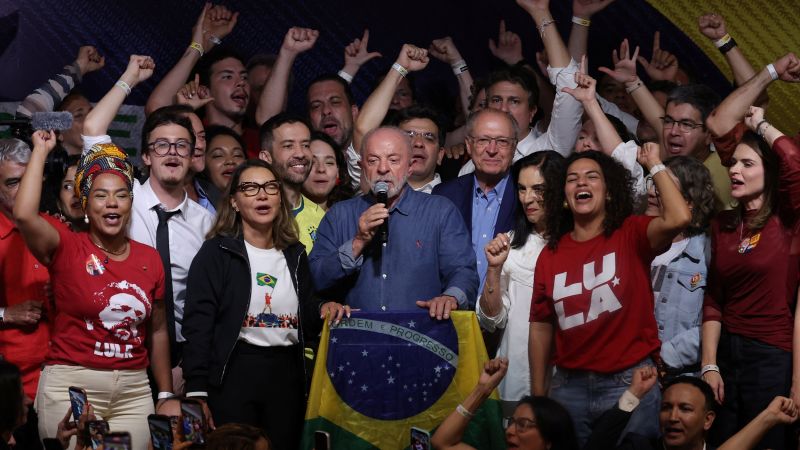
路易斯·伊纳西奥·卢拉·达席尔瓦周日创造历史,成为巴西乃至整个拉丁美洲首位赢得第四个总统任期的总统——而他距离81岁生日仅剩几天,这个年纪许多其他领导人都会选择退出政坛。
Luiz Inácio Lula da Silva made history on Sunday, setting a record for Brazil and the rest of Latin America by becoming the first president to win a fourth term – and he did so days before turning 81, an age when many other leaders decide to leave politics behind.
这位巴西总统对右翼对手弗拉维奥·博尔索纳罗的惊人逆转还创造了另一项纪录。自1985年巴西重返民主以来,从未有总统能在首轮落败后实现翻盘。工人党候选人卢拉在两轮投票间隔的三周内新增逾1000万张选票,而其对手仅增加360万票。
The Brazilian president’s remarkable comeback against his right-wing rival, Flávio Bolsonaro, also set another record. Since Brazil’s return to democracy in 1985, no president has managed to overturn a first-round defeat. The Workers’ Party candidate added more than 10 million votes in the three weeks between the two rounds of voting, while his rival gained just 3.6 million.
优势足够大,使卢拉获得的领先幅度超过2022年击败时任总统、弗拉维奥之父雅伊尔·博尔索纳罗时的幅度。这次逆转也让卢拉继续保持着拉美左翼领军人物的地位,而右翼在拉美其他国家不断推进,该地区许多政府现已与唐纳德·特朗普的白宫结盟。
The margin was decisive enough for Lula to secure a larger lead than he did in 2022, when he defeated Jair Bolsonaro, Flávio’s father and the incumbent president at the time. The comeback also allows Lula to remain the leading figure of the regional left as the right advances in other countries across Latin America, many of whose governments are now aligned with Donald Trump’s White House.
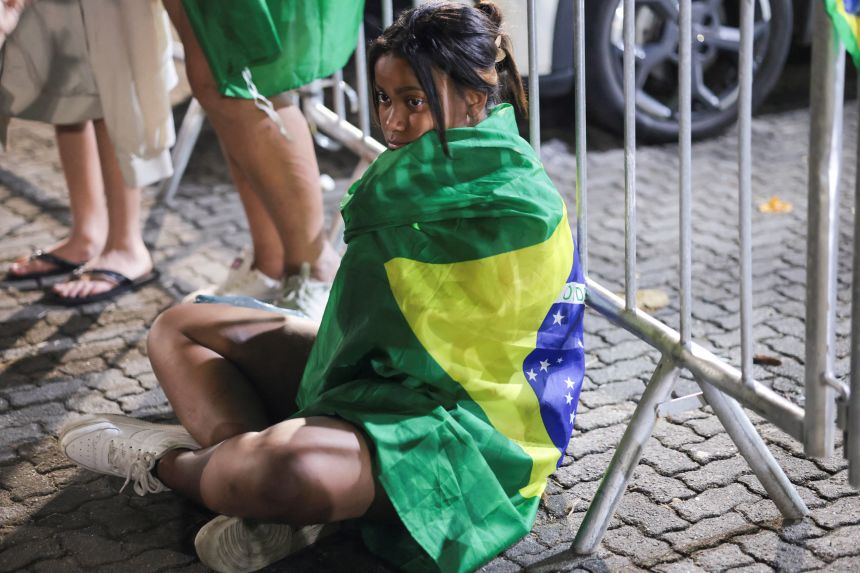
正如其父四年前所做,弗拉维奥·博尔索纳罗拒不承认结果,并宣布将寻求通过法院推翻大选。这位参议员质疑联邦最高法院大法官克里斯蒂亚诺·扎宁延长投票两小时的决定,认为该措施适用不均破坏了平等投票条件。“鉴于这些事件发生的背景,无法承认选举结果,”他说。
As his father did four years ago, Flávio Bolsonaro refused to recognize the result and announced that he would seek to have the election annulled through the courts. The senator challenged Supreme Federal Court Justice Cristiano Zanin’s decision to extend voting by two hours, arguing that the uneven application of the measure had undermined equal voting conditions. “It is impossible to recognize the election results given the circumstances in which these events unfolded,” he said.
博尔索纳罗的声明并未浇灭对卢拉历史性成就的庆祝。但右翼的政治实力可能阻碍其新政府的顺利运作。胜利证实了卢拉的政治持久力。然而博尔索纳罗的失败并未削弱右翼对国会和州政府的控制。这就是卢拉下一任期的悖论:历史性的选举胜利与有限的施政空间并存。
Bolsonaro’s statement did not dampen celebrations over Lula’s historic achievement. But the right’s political strength could hinder the smooth functioning of his new administration. The victory confirms Lula’s political staying power. Yet Bolsonaro’s defeat does not weaken the right’s grip on Congress and state governments. That is the paradox of Lula’s next term: a historic electoral triumph and limited room to govern.
地理因素有助于解释卢拉如何逆转首轮劣势。在巴西选民人数第二多的米纳斯吉拉斯州,他从落后近 59 万票转为领先约 9.9 万票 —— 两位候选人得票差距出现约 69 万票的摆动。自 1989 年以来,该州在每一次直选总统大选中都支持最终的胜者,此次再次与全国结果保持一致。尽管弗拉维奥在圣保罗州和里约热内卢州保持领先,卢拉赢得了这两个州的首府 —— 巴西最大的两座城市 —— 并在里约热内卢市逆转了首轮结果。
Geography helps explain how Lula overturned his first-round deficit. In Minas Gerais, the state with Brazil’s second-largest electorate, he went from losing by nearly 590,000 votes to winning by about 99,000 — a swing of roughly 690,000 votes in the margin between the two candidates. The state, which has backed the winner of every direct presidential election since 1989, once again voted in line with the national result. Although Flávio retained his lead in the states of São Paulo and Rio de Janeiro, Lula won their capitals, Brazil’s two largest cities, and reversed the first-round result in the city of Rio.
他在全部九个东北州获胜以及投票率上升进一步巩固了优势。弃权率从首轮的 21.08% 降至决选的约 19.2%,使近 300 万更多巴西人走进投票站。
His gains were reinforced by victories in all nine northeastern states and higher voter turnout. Abstention fell from 21.08% in the first round to approximately 19.2% in the runoff, bringing nearly three million more Brazilians to the polls.
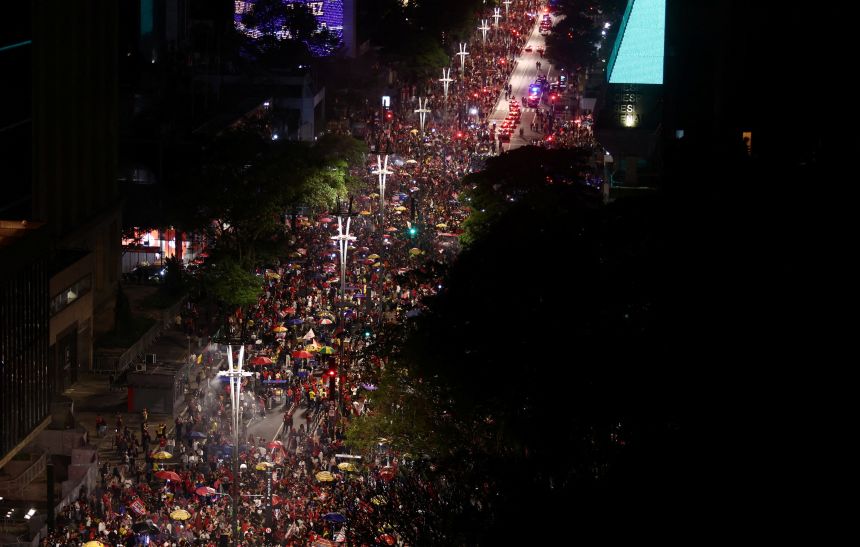
这种额外参与不能完全归功于卢拉,但它凸显了动员未投票者的重要性:首轮两位候选人得票差距仅略超 220 万票。
That additional participation cannot be attributed entirely to Lula, but it underscores the importance of mobilizing those who had not voted: in the first round, the gap between the candidates was just over 2.2 million votes.
较量也在巴西人的手机上展开。首轮屈居第二后,卢拉加强数字动员,扩大触达并将支持转化为选票。挑战不仅在于说服犹豫不决的选民,更在于让已倾向他的人走到投票站。
The battle was also fought on Brazilians’ phones. After finishing second in the first round, Lula stepped up his digital mobilization efforts to expand his reach and turn support into votes. The challenge was not simply to persuade undecided voters, but to get those who already preferred him to show up at the polls.
这一推进伴随着针对选民切身关切的临门一脚式措施和提案。卢拉签署法律提高个体微型企业家营收上限,提出重新谈判消费债务的新举措,并主张终结网络博彩,因其扩张加剧了家庭负债。
The push was accompanied by last-minute measures and proposals aimed at voters’ concrete concerns. Lula signed into law a measure raising the revenue threshold for individual microentrepreneurs, proposed new initiatives to renegotiate consumer debt and advocated ending online betting, whose expansion has contributed to household indebtedness.
在安全问题上,他甚至采纳了传统的右翼立场:支持降低针对特别严重犯罪的刑事责任年龄。此举旨在回应人们对采取更强硬打击犯罪手段的诉求,这也是此次选举中的另一个重大议题。
On security, he even embraced a traditional right-wing position: he backed lowering the age of criminal responsibility for particularly serious offenses. The move was intended to respond to demands for a tougher approach to crime, another major issue in the election.
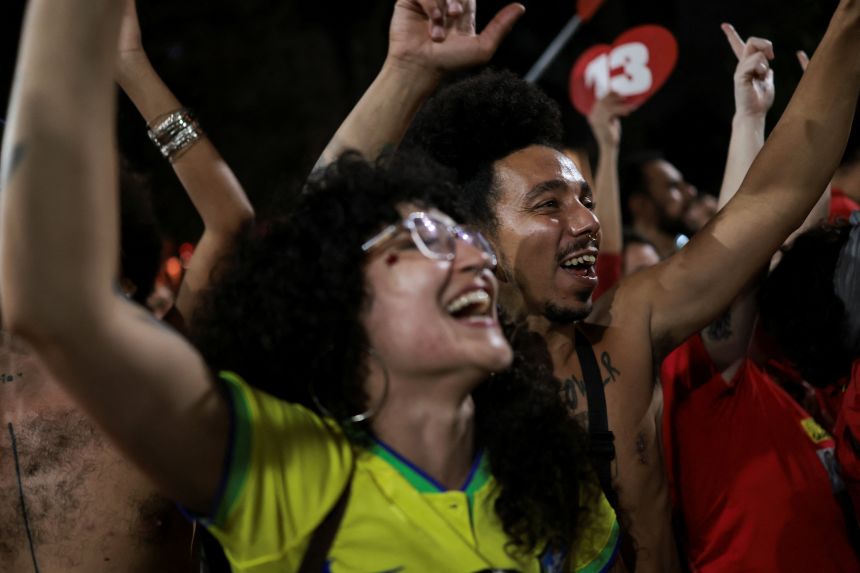
这场胜利使卢拉得以继续执政,但也迫使他必须满足自己为赢得选举而提出的期望。
The victory allows Lula to remain in power, but it also obliges him to meet the expectations he raised to secure it.
卢拉在庆祝胜利后面临的首个挑战将是立法方面的。在众议院的513个席位中,右翼政党将占据303席,而左翼和中间派分别拥有124席和86席。
Lula’s first challenge after celebrating his victory will be legislative. Right-wing parties will hold 303 of the 513 seats in the Chamber of Deputies, compared with 124 for the left and 86 for the center.
在参议院,右翼将控制近三分之二的席位。这并不意味着这些议员中的每一位都会自动成为反对者,但这意味着卢拉必须在自身基本盘之外建立联盟,以推进他的提案并捍卫其政府的优先事项。
In the Senate, the right will control nearly two-thirds of the seats. That does not make every one of those lawmakers an automatic opponent, but it means Lula will have to build alliances beyond his own base both to advance his proposals and to defend his government’s priorities.
州政府的版图也显示了保守派阵营所保留的实力。在两轮投票中,博索纳罗所在的自由党(PL)赢得了5个州长职位,共和党和进步党(PP)各获得4个。劳工党(PT)赢得了4个。汇集了不同政治联盟政客的社会民主党(PSD)又获得了5个。与这些州长进行谈判将是卢拉面临的另一个挑战,他需要在州一级获得合作以实施其政策。
The map of state governments also shows the strength the conservative camp retains. Across the two rounds of voting, Bolsonaro’s Liberal Party (PL) won five governorships, while the Republicans and the Progressive Party (PP) secured four each. The Workers’ Party (PT) won four. The Social Democratic Party (PSD), which brings together politicians with different political alliances, secured another five. Negotiations with those governors will be another challenge for Lula, who will need cooperation at the state level to implement his policies.
“一旦我们赢得选举,我们就没有对手了。我必须为2.15亿人民执政,”卢拉在胜选演讲中说道。他还谈到了与更保守的立法机构进行谈判的挑战:“我没有选择国会。是人民选择了它。而这就是我将与之投票、合作并完成工作的国会。”最紧迫的挑战将是把经济成果转化为巴西人日常生活中能感受到的救济。在竞选期间,对经济的看法是卢拉支持率流失的主要原因之一。
“Once we win the election, we no longer have opponents. I have to govern for 215 million people,” Lula said in his victory speech. He also addressed the challenge of negotiating with a more conservative legislature: “I didn’t choose Congress. The people did. And that is the Congress with which I will vote, work and get things done.”The most immediate challenge will be to turn economic gains into relief that Brazilians can feel in their daily lives. Perceptions of the economy were among the main sources of erosion in Lula’s support during the campaign.
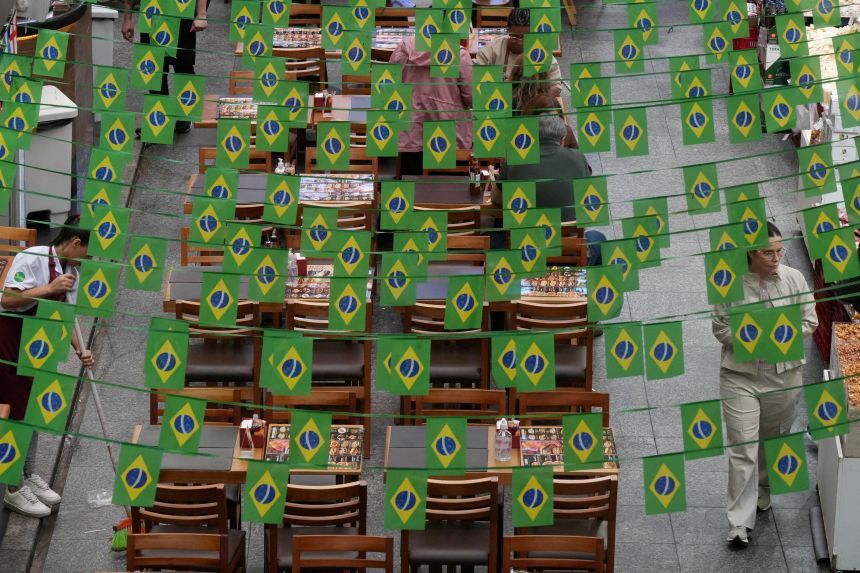
通货膨胀率下降并不能使物价回到之前的水平,就业状况的改善也不一定能抵消债务和家庭开支的负担。选举结束后,对生活成本的不满情绪仍将存在。
Lower inflation does not bring prices back to their previous levels, and improvements in employment do not necessarily offset the burden of debt and household expenses. Dissatisfaction with the cost of living will remain after the election.
由于财政限制,解决这种不满情绪将更加困难。债务、赤字和高利率限制了政府增加支出的能力,并预示着在不危及社会项目的情况下如何为竞选承诺提供资金的争论。面对一个不友好的国会,关于由谁来买单以及在哪里进行削减的决定,也将考验卢拉的谈判能力。
Addressing that discontent will be harder because of fiscal constraints. Debt, the deficit and high interest rates limit the government’s ability to increase spending and foreshadow disputes over how to fund campaign promises without jeopardizing social programs. With an unfriendly Congress, decisions about who pays and where cuts are made will also test Lula’s ability to negotiate.
安全问题将是另一个压力来源。卢拉将不得不回应打击犯罪的更强硬措施的要求,因为右翼已将强硬路线作为其主要政治纲领之一。在竞选的最后阶段,他表达了愿意将严重犯罪的刑事责任年龄降至16岁的意愿,从而释放出更强硬立场的信号,这是一项由右翼倡导并得到广泛公众支持的措施。他是否会将这一竞选信号转化为具体提案,仍有待观察。他还将面临为左翼培养接班人的挑战,因为左翼赢得总统选举的能力仍然与其个人的政治地位紧密相连。
Security will be another source of pressure. Lula will have to respond to demands for tougher measures against crime, as the right has made a hard-line approach one of its main political platforms. In the final stretch of the campaign, he signaled a tougher stance by expressing his willingness to lower the age of criminal responsibility to 16 for serious offenses, a measure championed by the right and backed by broad public support. It remains to be seen whether he will turn that campaign signal into a concrete proposal. He will also face the challenge of preparing a successor for a left whose ability to win presidential elections remains closely tied to his own political stature.
这些挑战延伸到了巴西国界之外。这位进步派领导人的回归,阻止了特朗普在与白宫结盟的右翼候选人胜选浪潮中摘得“皇冠上的明珠”。作为拉丁美洲最大经济体的领导人,且中国是其最大的贸易伙伴,卢拉政府利用巴西的经济分量来抵制华盛顿的贸易和政治要求——这种程度的自主权是其邻国中很少有国家能够尝试的。
The challenges extend beyond Brazil’s borders. The progressive leader’s comeback prevented Trump from securing the crown jewel of a wave of victories by right-wing candidates aligned with the White House. As head of Latin America’s largest economy, with China as its top trading partner, Lula’s government has used Brazil’s economic weight to push back against Washington’s trade and political demands — a degree of autonomy few of its neighbors can attempt.
相比之下,博索纳罗的胜利本将标志着华盛顿在确保其半球主导地位和遏制北京影响力方面的努力发生重大转变。
A Bolsonaro victory, by contrast, would have marked a major shift in Washington’s efforts to secure its dominance in the hemisphere and curb Beijing’s reach.
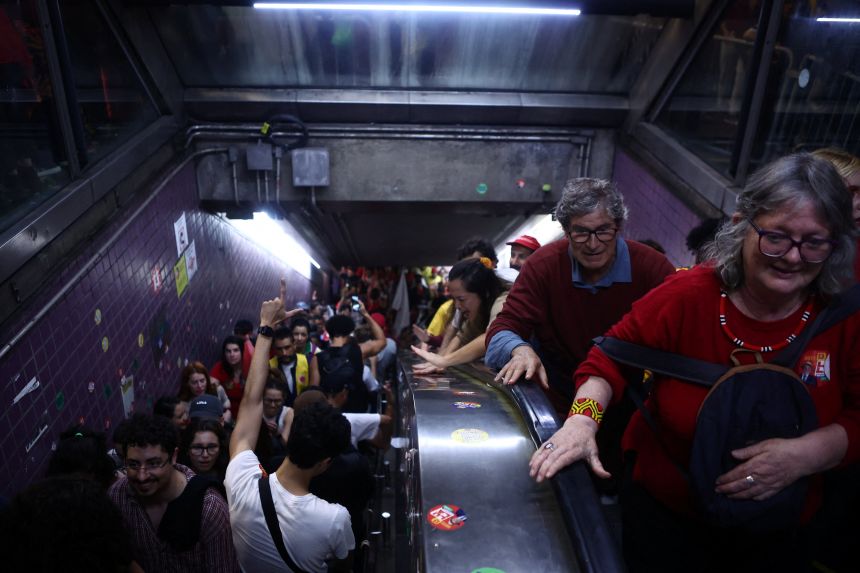
然而,卢拉面临着极具挑战性的区域环境,并面临被严重孤立的风险。弗吉尼亚联邦大学政治学副教授、华盛顿智库国际政策中心(CIP)研究员迈克尔·帕尔伯格(Michael Paarlberg)告诉美国有线电视新闻网(CNN):“卢拉所面临的政治环境与他首次就职时‘粉红浪潮’期间的环境大不相同。当时,他拥有几个区域盟友,可以左右逢源,为巴西谋取利益。”
Yet Lula faces a highly challenging regional landscape and risks being largely isolated. “Lula faces a very different political environment from the one that existed when he first took office, during the pink tide. Back then, he had several regional allies and could play both sides to Brazil’s advantage,” Michael Paarlberg, an associate professor of political science at Virginia Commonwealth University and a researcher at the Center for International Policy (CIP), a Washington-based think tank, told CNN.
该地区的政治格局也与卢拉在2023年开始其第三个任期时不同,当时阿根廷的阿尔贝托·费尔南德斯、智利的加夫列尔·博里奇和哥伦比亚的古斯塔沃·佩特罗等盟友都在执政。
The region’s political landscape is also different from the one Lula faced when he began his third term in 2023, when allies such as Alberto Fernández in Argentina, Gabriel Boric in Chile and Gustavo Petro in Colombia were in power.
“卢拉不太可能像他在前几个任期那样,花费政治资本去推动南美洲国家联盟(Unasur)等区域一体化倡议。由于缺乏意识形态盟友,他将通过巴西的经济分量——即其投资、贸易和南方共同市场——来行使这种领导力,”帕尔伯格补充道,他所指的是这个南美贸易集团。
“Lula is unlikely to spend his political capital pushing regional integration initiatives such as Unasur (Union of South American Nations), as he did during his first terms. Lacking ideological allies, he will exercise that leadership through Brazil’s economic weight — its investments, trade and Mercosur,” Paarlberg added, referring to the South American trading bloc.
在准备开启第四个任期之际,卢拉将不得不决定如何处理与美国的关系。“巴西不属于任何人的后院,”卢拉9月在联合国发表讲话时说道,这番话旨在传达给华盛顿。然而,他的行动也十分谨慎。当美国在年中对巴西商品加征新一轮关税时,他为采取报复性措施留下了可能性。
As he prepares for his fourth term, Lula will have to decide how to approach relations with the United States. “Brazil does not belong in anyone’s backyard,” Lula said at the United Nations in September, in a message directed at Washington. Yet he has also acted cautiously. When the United States imposed a new round of tariffs on Brazilian goods in the middle of the year, he left open the possibility of retaliatory measures.
“卢拉展现出了适应特朗普的能力。他在偶尔的严厉批评与和解姿态之间取得了平衡,”这位分析人士说。“对卢拉而言,主权并不一定意味着对抗;事实上,他认为对抗未必能加强主权。(……)卢拉在意识形态上并非反美,与右翼政府共事对他来说也没有困难,”他补充道。
“Lula has shown an ability to adapt to Trump. He has balanced occasional harsh criticism with conciliatory gestures,” the analyst said. “For Lula, sovereignty does not necessarily mean confrontation; in fact, he believes confrontation does not necessarily strengthen sovereignty. (…) Lula is not ideologically anti-American, nor does he have difficulty working with right-wing governments,” he added.
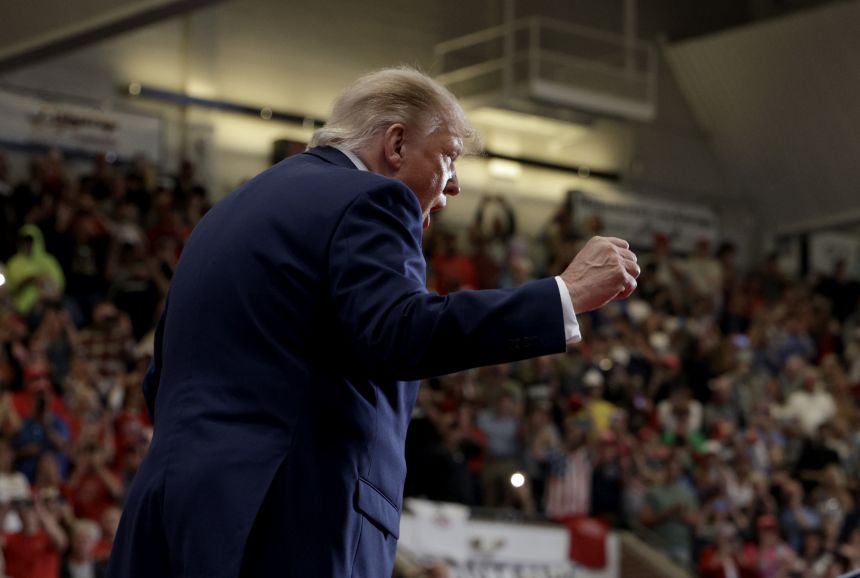
帕尔伯格还表示,这位连任总统将密切关注美国中期选举。如果特朗普所在的共和党失去国会参众两院中任何一院的控制权,可能会对总统的议程进行更严格的审查,届时“他的处境可能会得到改善”。
Paarlberg also said the reelected president would closely follow the US midterm elections, in which “his position could improve” if Trump’s Republican Party loses control of one or both chambers of Congress, potentially bringing greater scrutiny of the president’s agenda.
除了阻止右翼和特朗普支持的候选人连胜外,卢拉还打破了另一个趋势:现任政府接连败选,这是过去十年中常见的一种现象。这引发了一个更广泛的问题,即右倾是否是一股持久的浪潮,还是政治钟摆的一部分。
In addition to halting the run of victories by the right and candidates backed by Trump, Lula interrupted another trend: a succession of defeats for incumbent governments, a phenomenon common over the past decade. That raises a broader question about whether the rightward shift is a lasting wave or part of a political pendulum.
“卢拉的胜利表明,极右翼,特别是博索纳罗的运动,其支持率是有上限的,因为许多选民认为它过于激进,”帕尔伯格说。他补充道,这一结果还表明,来自白宫的支持及其一系列经济措施“并非选举中的决定性因素”。
“Lula’s victory shows that the far right, particularly Bolsonaro’s movement, has a ceiling of support, because many voters consider it too radical,” Paarlberg said. He added that the result also suggests that backing from the White House and its battery of economic measures “are not decisive factors” in an election.
在日益由新兴领导人定义的拉丁美洲,卢拉依然是一位具有国际影响力的政治家,也是该地区在全球舞台上的关键人物之一。在又一次完成政治壮举后,这位破纪录的总统还有两个月的时间,才能开启他的第四个任期,他将利用这段时间决定在未来四年里为这个南美洲最大的国家寻求制定怎样的方针。
In a Latin America increasingly defined by emerging leaders, Lula remains a statesman with international reach and one of the region’s key figures on the global stage. After another political feat, the record-breaking president has two months before beginning his fourth term to decide what course he will seek to chart for South America’s largest country over the next four years.