
Investing.com -- 瑞银策略师马修·卡特表示,随着不断增加的资本支出引发对回报的质疑,投资者应将人工智能敞口分散到少数科技巨头之外,但他对人工智能对2027年全球股市的贡献仍持积极态度。
Investing.com -- Investors should spread their artificial intelligence exposure beyond a handful of technology giants as mounting capital expenditure raises questions about returns, according to UBS strategist Matthew Carter, who remains positive on AI’s contribution to global equities in 2027.
最新的科技股抛售反映出市场日益关注企业如何为人工智能基础设施融资,以及投资能否转化为收入、利润和现金流。一些科技集团报告了负的季度自由现金流,负债累累的算力提供商面临融资风险压力。
The latest technology selloff reflects growing scrutiny of how companies fund AI infrastructure and whether investment translates into revenue, profits and cash flow. Some technology groups reported negative quarterly free cash flow, and indebted computing providers faced pressure over financing risks.
尽管如此,强劲的云业务增长和对算力的旺盛需求促使该行上调了其人工智能资本支出总额预测,预计2026年将达1万亿美元,2027年达1.4万亿美元,2028年达1.5万亿美元。
Still, strong cloud growth and demand for computing capacity prompted the bank to raise its aggregate AI capital spending forecasts to $1 trillion in 2026, $1.4 trillion in 2027 and $1.5 trillion in 2028.
支出前景有利于资产负债表健康、拥有定价权和稳固客户需求的公司,而非那些依赖借贷或持续高基础设施利用率的企业。
The spending outlook favors companies with healthy balance sheets, pricing power and established customer demand rather than businesses dependent on borrowing or consistently high infrastructure utilization.
投资者应首先审视投资组合的集中度,特别是在领先科技股经历多年上涨之后。对个别公司的过度敞口会使投资组合容易受到盈利失望、监管变化和市场预期转变的冲击。
Investors should begin by reviewing portfolio concentration, particularly after years of gains in leading technology shares. Excessive exposure to individual companies leaves portfolios vulnerable to earnings disappointments, regulatory changes and shifts in market expectations.

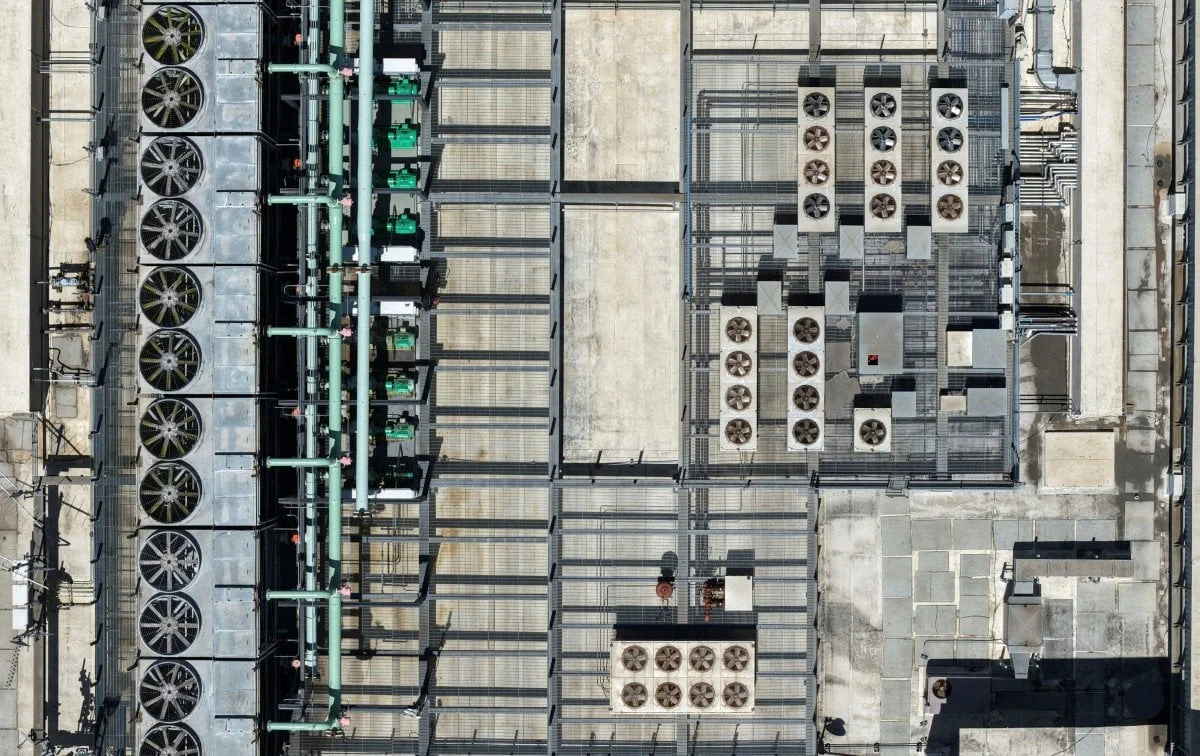



更广泛的人工智能配置可以包括半导体制造商、云服务提供商、软件开发商、电力和冷却供应商、电网运营商以及帮助企业采用人工智能的公司。部分半导体、算力和电力企业提供了机会,特别是在估值仍然合理的领域。
A broader AI allocation can include semiconductor manufacturers, cloud providers, software developers, electricity and cooling suppliers, grid operators and companies helping businesses adopt AI. Select semiconductor, computing and power businesses offer opportunities, particularly where valuations remain reasonable.
地域多元化也很重要。亚洲公司供应存储芯片和半导体组件,欧洲工业集团有望从电气化、自动化和数据中心建设中受益。
Geographic diversification also matters. Asian companies supply memory chips and semiconductor components, and European industrial groups stand to benefit from electrification, automation and data center construction.
科技板块之外,首选的股票板块包括工业、医疗保健和金融,在区域配置上则偏好欧元区、新兴市场以及除日本以外的亚洲市场。
Outside technology, the preferred equity sectors include industrials, health care and financials, with the Eurozone, emerging markets and Asia excluding Japan favored regionally.
寻求下行保护的投资者可考察资本保全结构性产品,但保护程度取决于发行人的偿付能力,且可能仅在到期时生效。反向可转债可在波动市场中产生票息收入,但若标的股票下跌,持有者将面临巨额亏损。
Investors seeking downside protection could examine capital preservation structures, though protection depends on issuer solvency and may apply only at maturity. Reverse convertibles can generate coupon income during volatile markets but expose holders to substantial losses if underlying shares decline.
这两种方式均存在定价、流动性和发行人风险,因此仓位控制和风险承受能力至关重要。
Both approaches carry pricing, liquidity, and issuer risks, making position sizing and risk tolerance critical.