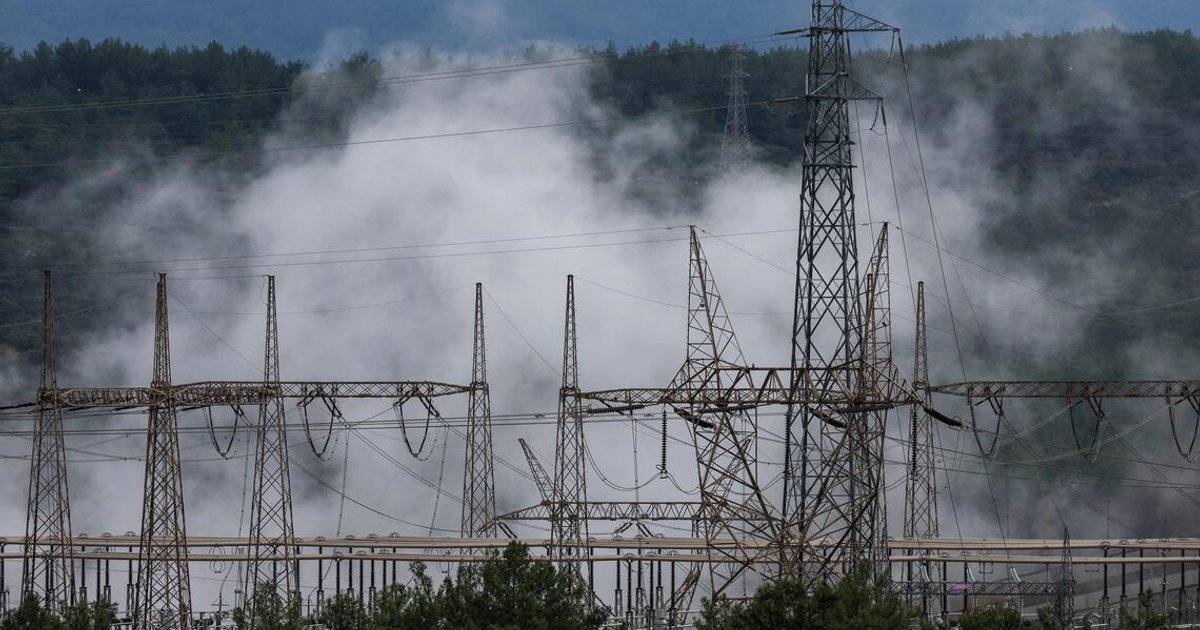
土耳其希望COP31聚焦电气化、可再生能源及其“零废弃”计划。土耳其称,“35 by 35”目标和5000亿美元路线图将推动清洁能源和能源安全。
Turkey wants COP31 to focus on electrification, renewables and its Zero Waste plan. It says the “35 by 35” target and a US$500 billion roadmap will boost clean energy and energy security.
活动人士称土耳其在回避煤炭问题。他们警告,土耳其三分之一的电力仍来自煤炭,尚无淘汰煤炭时间表,且仍在规划新建燃煤电厂。
Campaigners say Turkey is avoiding coal. They warn a third of its power still comes from coal, there is no phase-out date, and plans continue for new coal plants.
批评者还指出,土耳其的气候目标过于薄弱,废弃物政策有限。他们认为,仅靠回收利用无法削减排放,尤其是在土耳其持续从欧洲进口塑料废弃物的情况下。
Critics also say Turkey’s climate targets are too weak and its waste policy is limited. They argue recycling alone will not cut emissions, especially while Turkey keeps importing plastic waste from Europe.
AI生成 伊斯坦布尔——随着COP31气候峰会临近,东道主土耳其将电气化置于核心位置,大肆宣传其可再生能源繁荣,同时推行“零废弃”议程,以此作为减少甲烷排放的途径。
AI generated ISTANBUL – As the COP31 climate summit approaches, host nation Turkey is putting electrification front and centre, touting its renewables boom while pushing its Zero Waste agenda as a way to reduce methane emissions.
但当地环保活动人士表示,这回避了“房间里的大象”——土耳其对煤炭的持续依赖,并掩盖了其实际上已成为“欧洲垃圾倾倒场”这一事实,用于塑料废弃物。
But local environmental campaigners say it sidesteps the “elephant in the room” of Turkey’s ongoing reliance on coal and obscures the fact it has effectively become “Europe’s dumping ground” for plastic waste.
当联合国峰会于11月9日在安塔利亚开幕时,COP31主席穆拉特·库鲁姆——他同时也是土耳其环境部长——将推动安卡拉的旗舰倡议,即到2035年使电力占全球能源需求的35%。
When the UN summit opens on Nov 9 in Antalya, COP31 president Murat Kurum, who is also Turkey’s environment minister, will be pushing Ankara’s flagship initiative to make electricity account for 35% of global energy demand by 2035.
这一无约束力的“35 by 35”目标,是土耳其称将加速向可再生能源转型、同时巩固能源安全的10点行动议程的关键。
The non-binding “35 by 35“ target is key to a 10-point Action Agenda that Turkey says will speed up the shift to renewables while shoring up energy security.
库鲁姆于11月5日表示:“今年的能源危机让我们震惊……现在每个人都明白,进口的能源是你无法控制的能源。电气化是答案。它保护社区免受波动的全球市场冲击,并削减排放。”他说,COP31的目标是“开启电力时代”。
“This year’s energy crisis has shocked us... everyone now understands that energy that you import is energy that you do not control. Electrification is the answer. It protects communities from volatile global markets and cuts emissions,” Kurum said on Nov 5. COP31‘s aim is “to usher in the age of electricity”, he said.
土耳其大力推动可再生能源 近年来在可再生能源基础设施方面取得巨大进展,能源部长阿尔帕尔斯兰·巴伊拉克塔尔于11月5日公布了一项雄心勃勃的5000亿美元(约合8810亿新元)路线图,旨在实现经济电气化,并将装机风能和太阳能容量扩大四倍至175吉瓦。
Renewable energy drive Turkey has made huge advances in renewables infrastructure in recent years, with Energy Minister Alparslan Bayraktar on Nov 5 unveiling an ambitious US$500 billion (S$641 billion) roadmap to electrify its economy and expand its installed wind and solar capacity fourfold to 175 gigawatts.
然而,活动人士表示,鉴于土耳其三分之一的电力来自煤炭,尚未设定淘汰煤炭的时间表,且计划在推进电气化的同时扩建两座现有燃煤电厂,第31届联合国气候变化大会(COP31)将成为对土耳其气候领导力的考验。
Yet with a third of its electricity derived from coal, no date for phasing it out and plans to expand two existing coal-fired power plants alongside its electrification drive, COP31 will be a test for Turkey’s climate leadership, campaigners say.
“电气化应当终结对化石燃料的依赖。那才应当是最终目标,”绿色和平组织土耳其分部能源活动家埃梅尔·图尔克尔·阿尔帕伊说。
“What electrification should do is end the dependency on fossil fuels. That should be the ultimate goal,” said Emel Turker Alpay, an energy campaigner with Greenpeace Turkey.
她警告称,“35年实现35%”的目标并未规定电力必须由清洁能源生产——这是实现气候效益的唯一途径。
She warned the “35 by 35“ target did not specify electricity should be generated by clean energy – the only way to deliver climate benefits.
“最重要的将是承诺土耳其不再新建燃煤项目,并给出启动公正转型、摆脱化石燃料的日期,”她对法新社表示。
“The most important thing would be a commitment to no new coal in Turkey and giving a date for starting a just transition away from fossil fuels,” she told AFP.
与2025年东道主巴西将减排置于其COP议程核心不同,土耳其在很大程度上回避了关于化石燃料淘汰的辩论,巴伊拉克塔尔表示,退出煤炭将取决于土耳其能否大幅提升核电产量。
Unlike 2025 host Brazil, which put emissions reductions at the heart of its COP agenda, Turkey has largely avoided debate over fossil fuel phase-out, with Bayraktar saying an exit from coal would depend on Turkey ramping up its nuclear power production.
土耳其首座核电站预计将于2026年底投入运营,并计划再建设两座。
Turkey’s first nuclear plant is due to come online by the end of 2026, with plans to set up two more.
“疲软”的气候目标 土耳其和共同主办COP31、主导谈判的澳大利亚均设定了减少温室气体排放的目标,但两国均未采纳明确详述退出化石燃料计划的国家“路线图”。
‘Weak’ climate targets Both Turkey and COP31 co-host Australia, which is steering the negotiations, have set targets for reducing heat-trapping emissions, but neither has adopted a national “roadmap” explicitly detailing plans to exit fossil fuels.
尽管土耳其设定了2053年实现净零排放的目标,但“气候行动追踪”组织于10月警告称,其过渡期目标不足,总体评级仍为“严重不足”。
Although Turkey has set a net-zero goal of 2053, Climate Action Tracker in October warned its interim targets fell short, with its overall rating still “critically insufficient”.
“土耳其……面临着一种矛盾危机:一边呼吁加快气候行动,一边自身的目标却薄弱,缺乏推动急需的减排所必需的雄心,”报告称,敦促安卡拉“加强”其2030年和2035年目标。
“Turkey... faces a crisis of contradiction: while calling for accelerated climate action, its own targets are weak and lack the ambition necessary to drive much-needed emissions reductions,” it said, urging Ankara to “strengthen” its 2030 and 2035 targets.
土耳其气候网络成员、空间正义中心的亚乌兹·埃伦·阿巴努斯表示,该国的目标需要彻底重新思考。
Yagiz Eren Abanus of the Centre for Spatial Justice – one of 17 environmental organisations in the Turkish Climate Network – said the country’s targets needed a radical rethink.
他解释说:“土耳其并没有减少温室气体,而是在增加它们。”他指出,尽管安卡拉承诺到2035年将预计排放量削减41%,但就实际而言,这允许“比当前水平增加16%”。
“Turkey is not decreasing greenhouse gases but increasing them,” he explained, saying that despite Ankara’s pledge to cut projected emissions by 41% by 2035, in real terms it allows “a 16% increase” from today’s levels.
塑料垃圾 土耳其还在大力推行其“零废弃倡议”,这是一项由总统雷杰普·塔伊普·埃尔多安的妻子埃米内·埃尔多安牵头的高调环境外交活动,旨在推动国际合作减少废弃物产生的甲烷排放。
Plastic waste Turkey is also championing its Zero Waste Initiative, a high-profile environmental diplomacy campaign led by Emine Erdogan, wife of President Recep Tayyip Erdogan, seeking to push international cooperation to reduce methane emissions from waste.
“当你查看行动议程时,他们希望到2035年将预计的全球废弃物增长减少50%,这是一件好事,”绿色和平组织的阿尔帕伊说。
“When you look at the Action Agenda, they want to reduce projected global waste growth by 50% by 2035, which is a good thing,” said Greenpeace’s Alpay.
“但这些政策仅侧重于废弃物产生后的管理,而非在源头预防废弃物。如果没有更强有力的废弃物预防和甲烷减排承诺,这将无法实现有意义的减排,”她告诉法新社。
“But these policies are only focusing on managing waste after it is produced, and not preventing waste at its source. Without stronger commitments to waste prevention and methane reduction, it won’t deliver meaningful emission cuts,” she told AFP.
土耳其尚未签署《全球甲烷承诺》,且仍在进口塑料垃圾,主要来自欧洲,这与排放密切相关。
Turkey has not endorsed the Global Methane Pledge and is still importing plastic waste, notably from Europe, which is closely linked to emissions.
阿尔帕伊解释说:“塑料工业是化石燃料工业的特洛伊木马,因为当它们无法将开采出的燃料用于能源生产时,就会将其转向石化工业。”
“The plastics industry is the fossil fuel industry’s Trojan horse because when they cannot use the fuels they extracted for energy production, they redirect it into the petrochemical industry,” Alpay explained.
“当我们将废弃物管理局限于回收利用时,这对气候变化或排放并没有多大意义。” 法新社
“When we limit waste management to recycling, it doesn’t mean much for climate change or emissions.”AFP