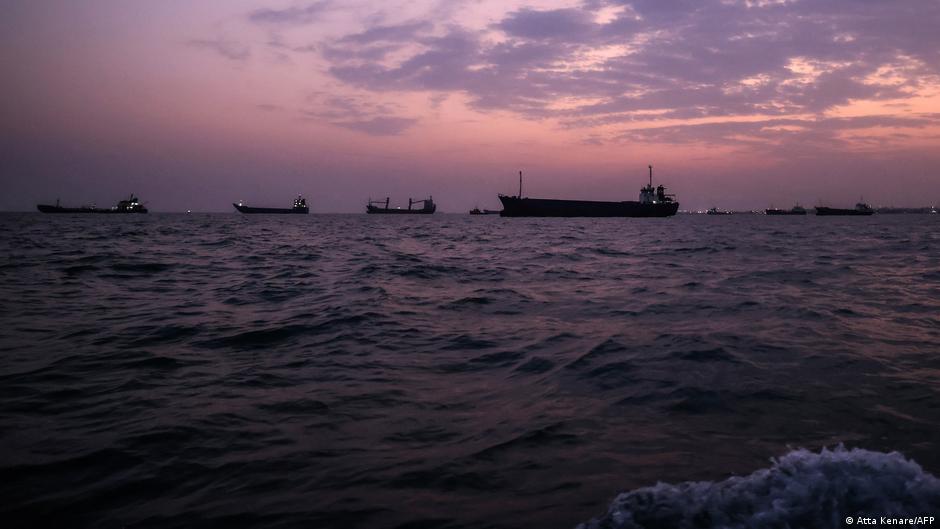
自袭击开始以来,霍尔木兹海峡商船遇袭事件使船员面临生死危险,迫使航运公司在尝试通行或延误货物、承担更高成本之间做出选择。
started, attacks on commercial ships in the Strait of Hormuz have put crews at risk of death and injury, forcing shipping companies to choose whether to attempt the passage or delay cargoes and face higher costs.
尽管危险依然存在,商船仍继续使用该海峡,但这种情况能持续多久,部分取决于伊朗维持袭击的能力以及美国保护航运、承担成本的能力。
Merchant vessels continue to use the strait despite the danger but how long that can continue depends partly on Iran's ability to sustain its attacks and the United States' capacity to protect shipping and bear the cost.
旅法伊朗事务专家阿里·穆罕默迪认为,伊朗的地理位置及其使用的装备使其能够持续袭击船只。但他视战争的经济负担为德黑兰的主要制约因素。
Ali Mohammadi, an expert in Iranian affairs based in France, believes Iran's geography and the equipment it uses allow it to keep attacking ships. But he sees the economic burden of the war as Tehran's main constraint.
他说:“伊朗在霍尔木兹海峡的限制是经济上的而非军事上的,因为战争的持续对其经济有重大影响。”
"Iran's limitation in the Strait of Hormuz is economic rather than military, because continuing the war has a significant impact on its economy," he said.
鉴于缺乏关于伊朗武器库存及其补给能力的可靠信息,伊朗能维持袭击多久尚不清楚。而且,这一关键水道上的零星袭击也不同于完全封锁海峡。
It's unclear how long Iran can sustain attacks given the lack of reliable information on the nation's weapons stocks and its ability to replenish supplies. And sporadic attacks in the crucial waterway are also different from closing the strait completely.
穆罕默迪对德国之声表示:“即使完全封锁霍尔木兹海峡成为可能,也不可持续,因为这可能给伊朗带来高昂的政治代价。伊朗无法无限期地切断其盟友通往该海峡的通道。”这位专家表示,通过威胁航运,伊朗可以提高对抗成本、在谈判中寻求筹码,但这未必能保证成功或换来让步。
"Even if a complete closure of the Strait of Hormuz were possible, it would not be sustainable because it could carry high political costs for Iran," Mohammadi told DW. "Iran cannot indefinitely disrupt its allies' access to the strait." By threatening shipping, Iran can raise the cost of confrontation and seek leverage in negotiations but that may not guarantee success or yield concessions, the expert said.
霍尔木兹冲突火线上的航运船员 观看视频 通行量增加但仍处低位 英国海上贸易行动中心(UKMTO)11月6日发布的周报数据显示,10月29日至11月4日期间,通过霍尔木兹海峡的报告通行次数为325次。较前一周的277次增加约17%。英国海上贸易行动中心评估称,这仍比战前水平低约65%。
Shipping crews caught in the crossfire of the Hormuz conflict To view this video , and More crossings, but traffic remains depressed Data from the UK Maritime Trade Operations Center's (UKMTO) weekly report, released on November 6, show 325 reported transits through Hormuz between October 29 and November 4. That was up from 277 the previous week, an increase of about 17%. It's still roughly 65% below pre-war levels, the UKMTO assessed.
仅凭船只数量无法解释能源供应正在发生的情况,因为货运量和使用的航线也很重要,伊朗能源与宏观经济专家达尔加·哈提诺格鲁(Dalga Khatinoglu)表示。
But vessel numbers alone cannot explain what is happening to energy supplies as cargo volumes and the routes used also matter, said Dalga Khatinoglu, an expert on Iran's energy and macroeconomics.
“如果我们只看原油,中东地区通过所有航线(从阿曼湾和霍尔木兹海峡到红海)的出口在很大程度上已恢复到战前水平,”他告诉德国之声。“在9月和10月的某些周,甚至超过了那些水平。”他的评估涵盖该地区通过所有航线的原油总出口,而不仅仅是通过霍尔木兹海峡的货运。
"If we look only at crude oil, Middle Eastern exports across all routes, from the Gulf of Oman and the Strait of Hormuz to the Red Sea, have largely recovered to pre-war levels," he told DW. "In some weeks in September and October, they even exceeded those levels." His assessment covers the region's overall crude exports across all routes, not just shipments passing through the Strait of Hormuz.
哈提诺格鲁表示,成品油的情况则不同。“战前,中东每天出口约620万桶石油产品。这一数字现在大约减半了。”液化天然气(LNG)出口也受到了影响。“截至9月,卡塔尔和阿联酋的出口比战前水平低约10%。尽管有所改善,但仍严重受阻,”该专家强调。
The picture for refined petroleum products is different, Khatinoglu said. "Before the war, the Middle East exported about 6.2 million barrels of petroleum products a day. That figure has now roughly halved." Liquefied natural gas (LNG) exports have also suffered. "As of September, exports from Qatar and the UAE were about 10% below pre-war levels. Although there has been some improvement, they remain severely disrupted," the expert underscored.
通行成本飙升 哈提诺格鲁表示,能源出口的恢复并未消除与持续不安全局势相关的成本。
The cost of getting through spikes Khatinoglu said recovering energy exports have not eliminated the costs associated with ongoing insecurity.
“尽管中东国家的石油出口已接近战前水平,但航运和保险成本仍然居高不下,”他强调道。
"Although oil exports from Middle Eastern countries have approached pre-war levels, shipping and insurance costs have remained very high," he stressed.
他引用石油输出国组织(OPEC)的最新数据称,一艘大型油轮从中东运原油到东亚的平均运费上涨了约12倍,从年初的每桶3.18美元(2.84欧元)升至10月底的每桶37.13美元。这意味着即使有原油可买,亚洲进口商也面临成本高企的问题。
Citing recent figures from the Organization of the Petroleum Exporting Countries (OPEC) he said that average freight rates for a large tanker carrying crude from the Middle East to East Asia has risen about 12 times, from $3.18 (€2,84) per barrel at the beginning of the year to $37.13 a barrel at the end of October. This means elevated costs for Asian importers even when crude is available.
穆哈马迪表示,降低成本并恢复商界对海峡安全的信心,需要的不仅仅是美军的存在。
Reducing costs and restoring commercial confidence in the safety of the strait requires more than a US military presence, Mohammadi said.
“霍尔木兹海峡问题只有一个解决办法,那就是结束战争,并达成一项带来持久安全的长期协议,”他说。
"There is only one solution to the Strait of Hormuz issue and that's an end to the war, accompanied by a lasting agreement that brings lasting security," he said.
哈提诺格鲁持有类似观点。“你不能指望仅靠美国在霍尔木兹海峡保护船只,就能让油价回到战前水平,”他说。
Khatinoglu shared a similar view. "You cannot expect oil prices to return to pre-war levels simply by relying on US protection for ships in the Strait of Hormuz," he said.