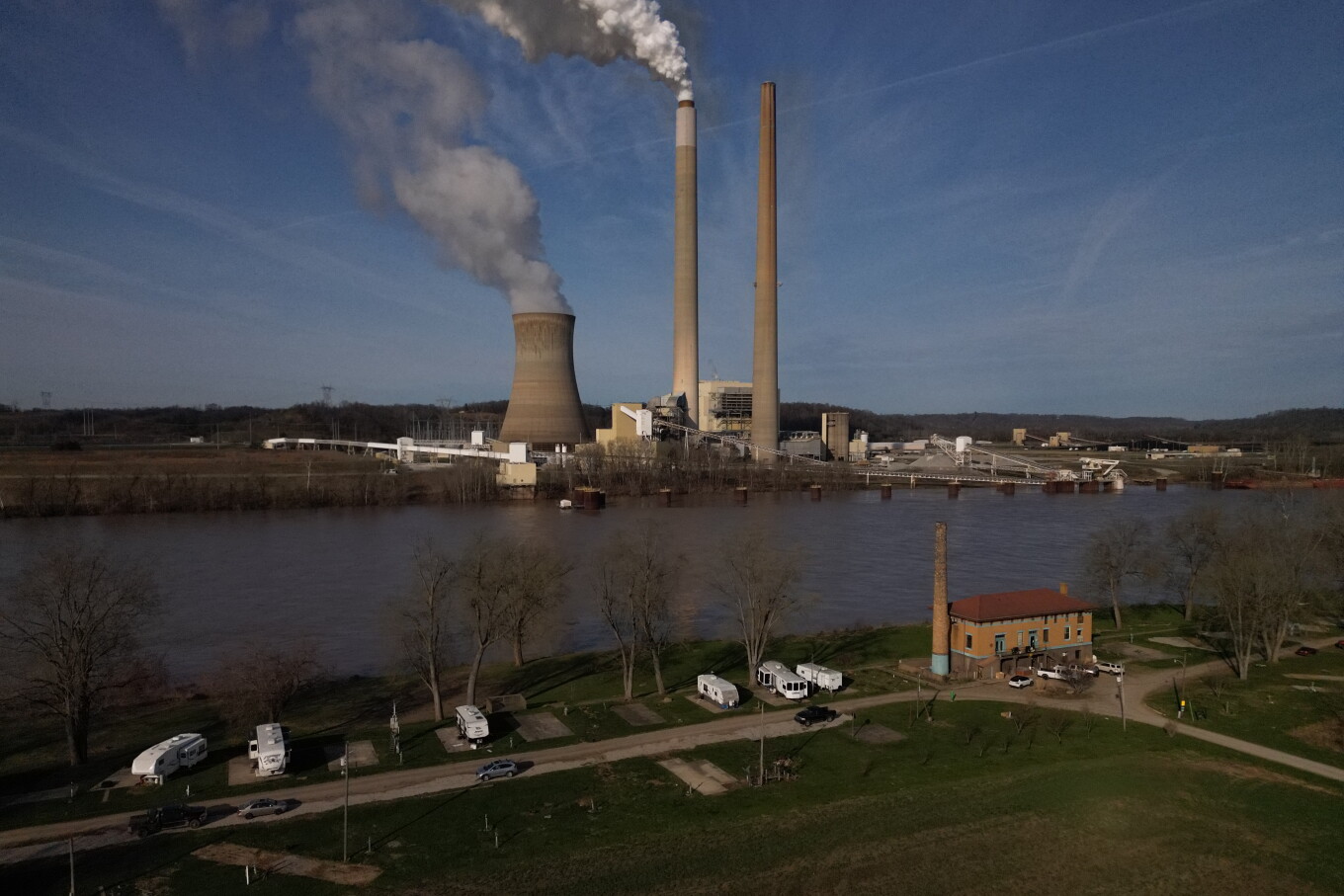
塞思·博伦斯坦 据科学家在一项新研究中表示,今年全球碳排放量略有下降,但这更多是因为伊朗战争引发的石油冲击波及全球,而非世界为应对气候变化所采取的行动。
SETH BORENSTEIN Global carbon pollution dropped this year ever so slightly, but it’s more because of oil shocks reverberating from the Iran war than anything the world has done to fight climate change, scientists said in a new study.
根据“全球碳项目”科学家的数据,2026年,燃烧煤炭、石油和天然气等化石燃料排放了422亿吨(382亿公吨)热锁二氧化碳。发表在《地球系统科学数据讨论》期刊上的估算显示,这比去年下降了0.4%。
In 2026, the world emitted 42.2 billion tons (38.2 billion metric tons) of heat-trapping carbon dioxide from the burning of fossil fuels such as coal, oil and gas. It’s a 0.4% decrease from last year , according to the scientists of the Global Carbon Project, which publishes its estimates in the journal Earth System Science Data Discussions .
“排放量在下降,听起来是好消息,但这主要是由伊朗战争、霍尔木兹海峡发生的情况驱动的,”该研究合著者、挪威CICERO国际气候研究中心科学家格伦·彼得斯说。“所以从某种意义上说,这是一点好消息,但原因不对头。”伊朗战争实际上关闭了石油产品的重要运输动脉霍尔木兹海峡,推高了全球汽油和石油价格。
“It’s downwards which sounds good, but this is largely driven by the war in Iran, what’s happened in the Strait of Hormuz,” said study co-author Glen Peters, a scientist at the CICERO Center for International Climate Research in Norway. “So in a way, a little bit of good news, but for the wrong reasons.”The war in Iran has effectively closed the Strait of Hormuz, a vital shipping artery for petroleum products, pushing up global prices of gasoline and oil.
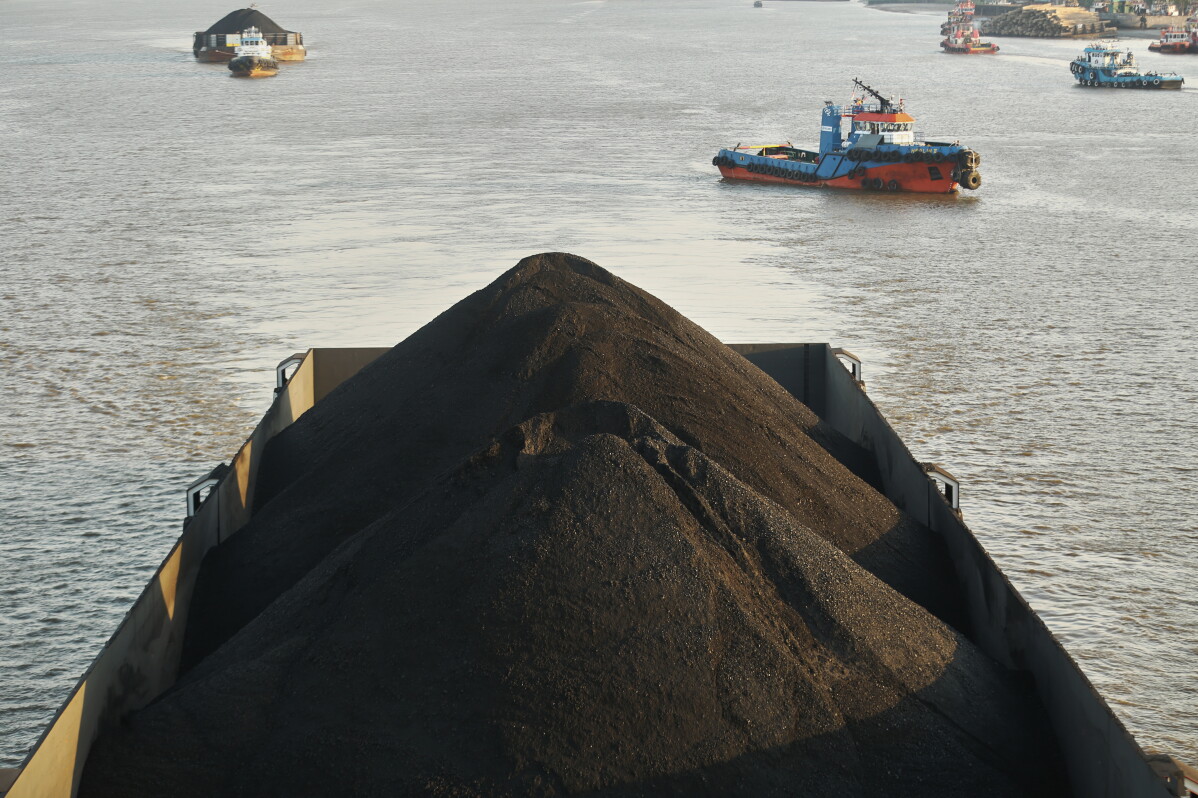
研究发现,石油排放下降近2%,天然气下降0.3%,而煤炭上升0.6%。
They found oil emissions dropped nearly 2% and natural gas fell 0.3%, while coal was up 0.6%.
这个由140多名科学家组成的国际团队利用全球数据计算年度排放量,其中包含年内最后几个月的估算,随后在土耳其安塔利亚举行的联合国气候谈判上发布这些数据。彼得斯表示,他们确定这与战争引发的能源冲击有关,因为无论是时间点还是燃料排放下降的类型都吻合。
The international team of more than 140 scientists use data from around the world to calculate the yearly emissions figure, with estimates for the last few months of the year, and then present them at the U.N. climate negotiations in Antalya, Turkey. Peters said they are certain that this was related to the war-triggered energy shocks because of both the timing and type of fuel emission drops.

彼得斯说,如果二氧化碳排放总量下降仅仅是因为可再生能源增加和化石燃料使用系统性减少,石油排放“会慢慢升至峰值,然后再慢慢下降,而我们今年看到的是石油排放先上升,然后突然‘砰’地一下,下降了2%”。
If the overall carbon dioxide emission drop were due solely to a rise in renewables and a systemic drop in fossil fuel use, oil emissions “would slowly come up to a peak and then slowly decline afterward, whereas what we see this year is oil emissions are going up and then suddenly BANG, down 2%,” Peters said.
这是21世纪以来全球碳污染排放第三次下降。另外两次分别是2009年全球经济衰退和2020年新冠疫情期间。
This is the third time global carbon pollution dropped in the 21st century. The other two times were because of the global recession in 2009 and the COVID-19 pandemic in 2020.
彼得斯表示,在过去那两次危机中,人们曾希望从冲击中复苏的过程会重点发展清洁能源,“但归根结底,我们似乎又回到了从前的状态。”外部专家对这些数据的反应褒贬不一,既有希望也有怀疑,质疑这种趋势能否持续。
In those past two crises, people hoped the recovery from the shocks would emphasize clean energy, Peters said, “but at the end of the day, we seem to go back to where we were before.”Outside experts greeted the figures with a mix of hope and skepticism that it will last.
德国新气候研究所联合创始人尼克拉斯·霍内表示,“永久性转变正在发生”,特别是电动汽车和卡车的转型激增,尤其是在亚洲。因此他认为,全球碳排放峰值已近在眼前或已然到来。
Niklas Höhne, co-founder of Germany’s NewClimate Institute, said “permanent shifts are happening” especially with skyrocketing switches to electric cars and trucks, especially in Asia. So he thinks the global peak of carbon emissions is near or here.
但澳大利亚墨尔本大学气候科学与政策专家马尔特·明斯豪森表示,未受霍尔木兹海峡封锁影响的产油国和石油公司获得了“巨大的意外暴利”,这促使他们加大在中东以外地区寻找石油的力度。他表示,这将削弱战争导致碳排放减少所产生的任何短期效应。
But Malte Mienshausen, a climate science and policy expert at the University of Melbourne in Australia, said oil producing nations and companies not affected by the blockage of the Strait of Hormuz reaped “tremendous windfall gains,” and it boosts their efforts to look for oil outside the Middle East. That, he said, will dampen any short-term effects of reduced carbon emissions from the war.
今年排放的420亿吨二氧化碳,折合每秒约有1335吨(1211公吨)这种透明的吸热气体进入大气。
The 42 billion tons of carbon dioxide emitted this year comes to about 1,335 tons (1,211 metric tons) of the transparent, heat-trapping gas going into the air every second.
“我们不应忽视大局。世界每秒仍向大气层排放超过一千(公吨)二氧化碳,”环保组织“非洲能源转型”主任穆罕默德·阿多在一份声明中说。
“We shouldn’t lose sight of the bigger picture. The world is still pumping more than a thousand (metric tons) of carbon dioxide into the atmosphere every second,” Mohamed Adow, director of the environmental group Power Shift Africa, said in an“It’s very abstract to think about the magnitude of stuff we throw in the atmosphere every year, but it’s a ginormous number,” Peters said.
“每年我们向大气层排放的东西数量级之大,光想都很抽象,但那是一个天文数字,”彼得斯说。“如果它是黑色而不是透明的,天空就会变黑。”尽管化石燃料排放的热锁气体量略有下降,但全球二氧化碳总排放量仍上升了1%。该研究称,这是因为土地利用变化,如毁林和人为引发的泥炭火灾,其增长速度超过了化石燃料燃烧的减少速度。
“If it was black and not transparent, the sky would be dark.”And even though the amount of heat-trapping gases from fossil fuels dropped slightly, overall global carbon dioxide emissions went up 1%. That’s because of land use changes, such as deforestation and human-caused peat fires, that increased faster than fossil fuel burning decreased, the study said.
研究发现,世界上大多数最大的碳排放大国——中国、美国、欧洲、日本——今年排放量下降约1%,但彼得斯将其归因于石油冲击。印度的化石燃料污染排放今年上升了4.4%。
Most of the world’s biggest carbon polluting nations — China, the United States, Europe, Japan — showed about a 1% drop in emissions this year, but Peters attributed it to the oil shock. India’s fossil fuel pollution went up 4.4% this year, the study found.
中国排放量的下降引起了关注,也让一些专家看到了希望。专家们一直在等待中国不断增长的排放量开始下降。
China’s emission drop raised eyebrows and hope for some experts. Experts have been waiting for China’s ever-growing emissions to start dropping.
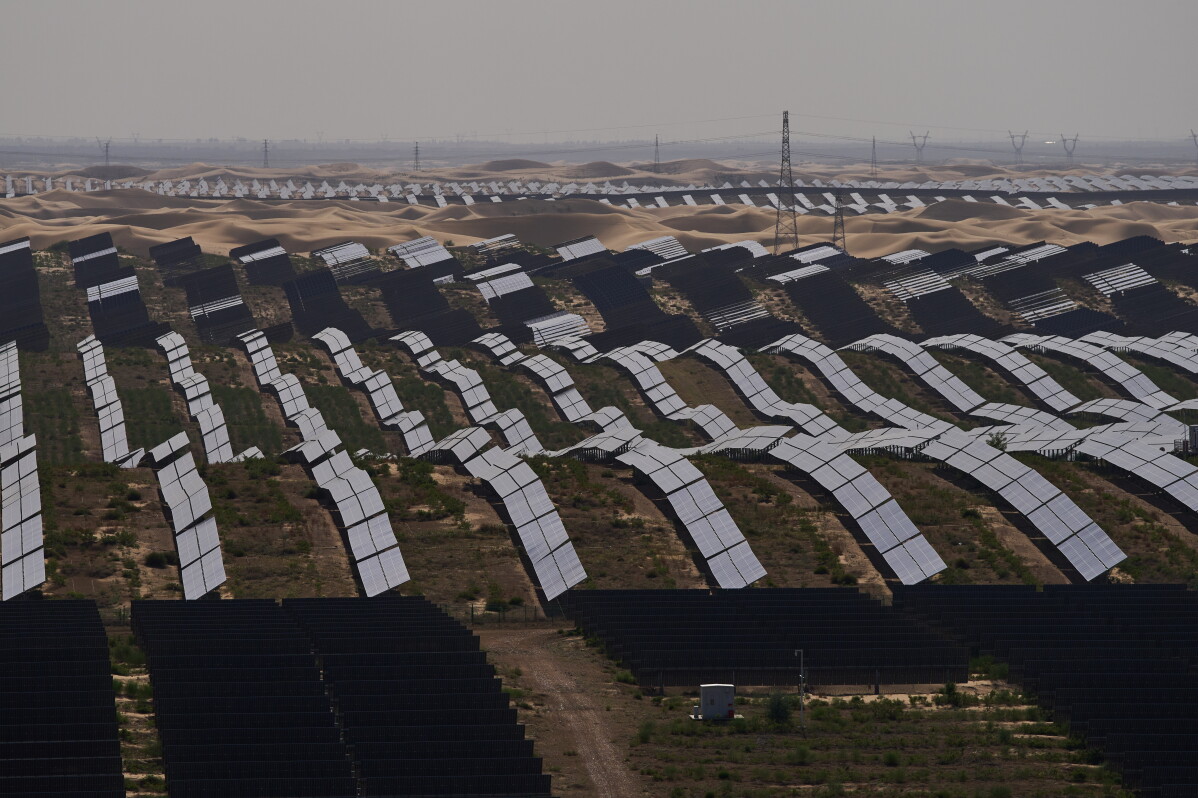
“中国给了我们真正的理由,对其排放可能已达峰持乐观态度,”阿多说。“它正在建设世界首个主要‘电力国家’,以非凡的速度和规模投资太阳能、风能、电动汽车及其配套基础设施。这不是对石油危机的暂时性应对。这是中国经济的根本性转型,正在稳步降低其对化石燃料的依赖。”
“China is giving us real reasons to be optimistic that its emissions may have peaked,” Adow said. “It’s building the world’s first major electrostate, investing at extraordinary speed and scale in solar power, wind energy, electric vehicles and the infrastructure to support them. This isn’t a temporary response to an oil crisis. It’s a fundamental transformation of China’s economy that is steadily reducing its dependence on fossil fuels.”
密歇根大学环境与可持续学院院长乔纳森·奥弗佩克说:“我们淘汰化石燃料的速度还不够快,但有进展总比没有进展强。”
University of Michigan environment dean Jonathan Overpeck said, “We’re not phasing out fossil fuels fast enough, but some progress is better than no progress.”