根据全球碳项目的最新研究,2026年全球化石燃料排放量预计将下降0.4%。该项目每年发布报告,追踪全球碳排放趋势。
Global fossil fuel emissions are likely to decrease by 0.4% in 2026, according to new research by the Global Carbon Project, an annual report that tracks trends in global carbon emissions.
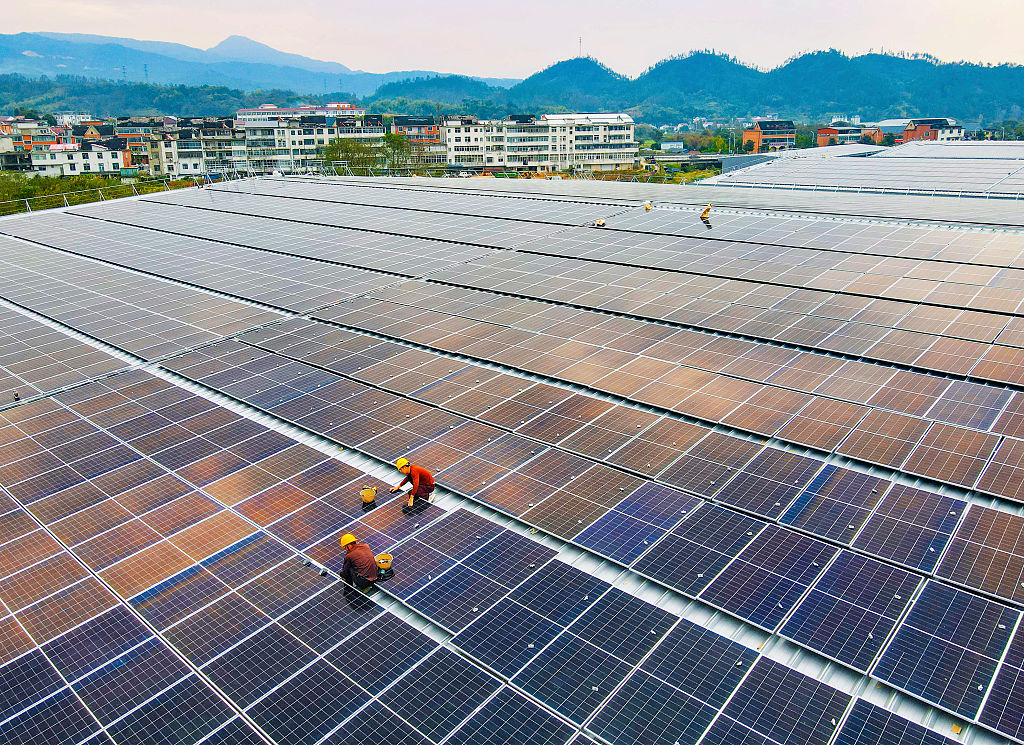
这一下降是由伊朗战争引发的能源冲击以及全球风能和太阳能采用的扩张所推动的。
The drop was spurred on by the energy shock triggered by the Iran war and the expansion of wind and solar power adoption globally.
虽然这是一个积极的信号,但研究人员表示,这些发现并不意味着化石燃料使用将永久性下降,而只是暂时性的转变。
While it’s a promising sign, the researchers say that the findings don’t spell out a permanent decline in fossil fuel use, but rather a temporary shift.
埃克塞特大学高级讲师、该报告研究人员之一迈克·奥沙利文表示:“我们看到排放量在下降,但这很可能是由短期冲击驱动的,而非系统性的峰值。”
“We see a decrease in emissions, but it's probably driven by a short term shock rather than a systemic peak,” says Mike O’Sullivan, senior lecturer at the University of Exeter and one of the report’s researchers.
世界三大排放国中有两个预计将出现排放下降。中国2026年排放量预计将下降0.9%,此前已连续两年保持持平或下降。中国是清洁能源采用的世界领导者,但也占全球化石燃料排放量的32%。美国预计也将出现1.3%的排放下降,主要归因于煤炭排放减少,此前2025年因天然气价格高企和一段寒冷天气导致煤炭排放激增。然而,这一趋势可能会发生变化。特朗普总统上任以来,已投入数亿美元用于振兴该国煤炭工业,并废除了燃煤和燃气发电厂的排放标准。
Two of the world’s three biggest emitters are expected to see a drop in emissions. China’s emissions are expected to drop by 0.9% in 2026, following two years of remaining flat or falling. The country is a world leader in clean energy adoption, but is also responsible for 32% of global fossil fuel emissions. The U.S. is also expected to see a 1.3% decrease in emissions, mainly attributed to a decrease in coal emissions following a spike in 2025 due to high natural gas prices and a spell of cold weather. This trend, however, could shift. Since taking office, President Trump has invested hundreds of millions towards reviving the country’s coal industry, and repealed emissions standards for coal and gas power plants.
另一方面,印度排放量预计将上升4.4%——高于过去十年化石燃料排放量年均3.5%的增幅。
India, on the other hand, will likely see emissions rise by 4.4%—a bump from the 3.5% annual growth in fossil fuel emissions it has averaged over the last decade.
欧盟和日本预计也将出现化石燃料排放的轻微下降,而世界其他地区的排放量预计也将下降0.7%——主要归因于石油使用的减少。
The European Union and Japan are also expected to see slight decreases in fossil fuel emissions, while emissions for the rest of the world are also expected to decrease by 0.7%—largely due to decline in oil use.
报告追踪的另一个领域——土地利用变化产生的全球排放量在过去十年里有所下降,但今年预计将上升至51亿公吨。这是由于泥炭火灾增加所致。泥炭火灾是一种缓慢燃烧、在地下蔓延、吞噬湿地土壤且往往没有可见火焰的火灾,许多是由人类活动引发的;此外,厄尔尼诺现象正在增加东南亚和南美洲等地的野火风险。这些火灾向大气中释放大量二氧化碳和温室气体。
Global emissions from land-use change, another sector tracked in the report, have decreased over the past decade, but this year they’re expected to rise to 5.1 billion metric tons. That’s due to an increase in peat fires, slow burning fires that move beneath the ground, consume wetland soil and often lack visible flames, many of which have been ignited by human activities, and El Niño, which is increasing wildfire risk in places like Southeast Asia and South America. These fires release large amounts of carbon dioxide and greenhouse gasses into the atmosphere.
大气中二氧化碳浓度预计将在2026年达到427.7 ppm——比工业化前水平高出54%。根据报告,全球碳预算——即在升温达到工业化前水平以上1.5°C之前还能排放多少二氧化碳——目前为1500亿公吨,相当于不足四年的排放量,这假设世界继续按当前速率排放。
The concentration of CO2 in the atmosphere is set to reach 427.7 ppm in 2026—54% above pre-industrial levels. According to the report, the global carbon budget, which represents how much carbon dioxide can be emitted before warming reaches 1.5°C above pre-industrial levels, is now at 150 billion metric tons—equivalent to less than four years of emissions, assuming the world continues to emit at its current rate.
联合国最近警告称,世界预计将突破1.5度升温限度,全球气候目标未达所需水平。但作者强调了一些积极迹象。
The world is expected to blow past 1.5 degrees of warming, the U.N. has recently warned, and global climate goals are falling short of what is needed. But the authors highlight some signs of promise.
尽管一些地方在2019年至2025年间总排放量有所增加,但所有地区的增速均放缓——包括中国、印度和其他新兴经济体。另一方面,二十多个国家在不增加排放的情况下实现了经济增长,全球风能和太阳能的采用帮助避免了数十亿公吨的排放。
Despite some places seeing total emissions increase between 2019 and 2025, all regions still saw growth slow—including in China, India, and other emerging economies. On the other hand, more than two dozen countries have managed to grow their economies without increasing emissions, and the global adoption of wind and solar energy has helped avoid billions of metric tons of emissions.
作者估计,从现在到2028年底,新增能源需求产生的排放中有64%至79%将被新增太阳能、风能和电动汽车抵消。此外,如果世界继续看到清洁能源采用加速,排放量可能在短短几年内达到峰值并开始下降。
The authors estimate that, between now and the end of 2028, 64-79% of emissions from new energy demand will be offset by new solar and wind power and electric vehicles. What’s more, if the world continues to see an acceleration of clean energy adoption, it could see emissions peak and decline in just a few years.
这并不意味着工作已经完成。“在可再生能源迅速扩张方面有许多好消息,”奥沙利文说,“但在全球范围内,这完全不够。”
It doesn’t mean the work is done. “There's plenty of good news in terms of the rapid expansion of renewables,” says O’Sullivan, “but on a global scale, it's completely inadequate.”