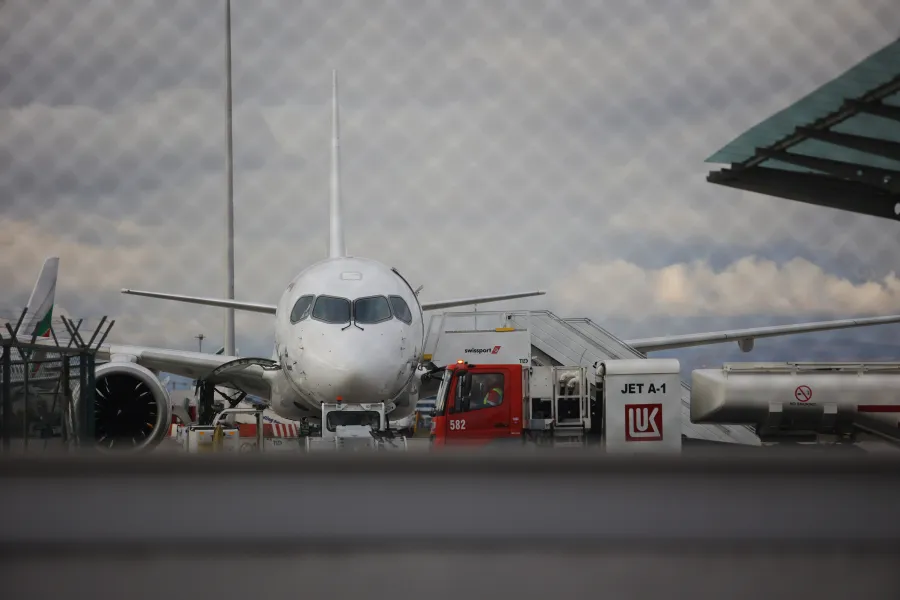
上周二,欧洲开始遭遇一波针对商业客运航空公司的炸弹威胁,导致整个大陆出现延误、混乱和中断。这种情况在周四和周五持续发生。炸弹威胁针对超过五十个单独航班,涉及往返西班牙、意大利、波兰、芬兰、英国及其他数国的航班。未发现爆炸物。所有乘客、机组人员和飞机均未受损。尽管如此,全欧洲范围内的动荡相当大,为确保安全而产生的相关成本和延误也相当可观。
Last Tuesday, Europe began suffering a wave of bomb threats against commercial passenger airlines, causing delays, confusion and disruption across the continent. This continued on Thursday and Friday. The bomb threats targeted over fifty separate flights, to or from Spain, Italy, Poland, Finland, the United Kingdom and several other countries. No explosives were found. All passengers, crew and aircraft remained unharmed. Nonetheless, the Europe-wide turmoil was considerable, as were the attendant costs and delays incurred to ensure safety.
最难计算的是不确定性带来的心理冲击,以及公众对航空运输乃至整体出行可能丧失信心。航空劫持、像1988年泛美103号航班那样的爆炸案件——更不用说“9·11”事件——似乎已成遥远记忆,但上周的事件让这些记忆迅速复苏。欧洲和各国当局正在进行广泛调查。周五,爱尔兰面临针对多家媒体机构的炸弹威胁,包括其国家广播电视机构RTE。
Hardest to calculate is the psychological impact of uncertainty and the possible loss of confidence in air transportation or travel generally. Airline hijackings, bombings like Pan Am 103 in 1988 — not to mention 9/11, may have seemed distant memories — but memories quickly revived by last week’s events. European and national authorities are conducting extensive investigations. On Friday, Ireland faced several bomb threats to media outlets, including its state radio and television broadcaster, RTE.
虽未发现真实炸弹,但爱尔兰政府仍公开表示,“这似乎很可能是一场有协调的破坏行动”。由于爱尔兰目前担任欧盟理事会轮值主席国,是当前欧盟高层活动的主要举办地。这些挑衅行动性质严重。目前尚无公开证据表明是哪个国家或恐怖主义行为体实施,也不知其目的为何。但俄罗斯立刻被视为潜在肇事者。自克里姆林宫2014年和2022年入侵乌克兰以来,波兰、罗马尼亚和波罗的海国家等邻国一直遭受持续骚扰,包括飞机、导弹和无人机越境飞行,更不用说网络攻击。莫斯科一再否认所有此类指控,反而将至少部分越境飞行和黑客攻击归咎于乌克兰。
No real bombs were found, but the Irish government nonetheless said publicly that “it seems likely that this is a coordinated campaign of disruption.”Since Ireland is the current president of the European Council, it is the locus for considerable high-level EU activity at the moment. These provocations are serious. So far, there is no publicly available evidence for which state or terrorist actor was responsible, or for what the objective was. But Russia comes immediately to mind as a potential perpetrator. Since the Kremlin’s 2014 and 2022 invasions of Ukraine, nearby countries such as Poland, Romania and the Baltics have been subjected to continuing harassment through airplane, missile and drone overflights, not to mention cyberattacks. Moscow has repeatedly denied all such allegations, instead attributing at least some of the overflights and hacks to Ukraine.
8月,装载炸药的无人机袭击了德国莱比锡商用机场(北约也将其用于某些用途)的飞机。柏林指责莫斯科,并作为回应关闭了俄罗斯驻波恩总领事馆。俄罗斯辩称德国捏造了该事件。莫斯科还一再否认卷入近几周欧洲发生的一系列针对冷链供应链的黑客攻击,这些攻击破坏了设施并毁坏了大量冷冻或解冻食品。另一潜在肇事者是伊朗——可能是单独行动,也可能与俄罗斯协同。
In August, explosives-laden drones attacked planes at the Leipzig, Germany commercial airport (also used by NATO for certain purposes). Berlin blamed Moscow, and closed Russia’s consulate in Bonn in response. Russia argued that Germany had invented the incident. Moscow has also repeatedly denied involvement in a series of hacks across Europe in recent weeks against the cold-food supply-chain, sabotaging facilities and ruining considerable quantities of frozen or thawing food. Another potential perpetrator is Iran — perhaps acting on its own, perhaps coordinating with Russia.
伊朗曾威胁,如果美国和以色列恢复对其实施大规模打击,将在海湾地区以外进行报复。德黑兰在欧洲和美国的恐怖主义触角早已为人熟知,其与莫斯科的共同利益是双方合作的强大动力。周一,法国指责伊朗发动了针对冷链的袭击。无论西方面临的是俄罗斯的混合战争、伊朗的恐怖主义,还是两者兼而有之,其集体回应完全不够。
Iran has threatened retaliation well outside the Gulf region if the U.S. and Israel resume significant strikes against it. Tehran’s terrorist reach in Europe and America is already well known, and its joint interests with Moscow are a strong incentive to work together. On Monday, France blamed Iran for the attacks on the cold-storage chain. Whether the West is facing Russian hybrid warfare, Iranian terrorism, or both, its collective response has been wholly inadequate.
首先,炸弹威胁和其他破坏活动发生在北约联盟防御责任与执法权力的接缝地带,而欧洲人仍主要将执法权掌握在国家手中。欧盟模糊的职权只会进一步混淆视听。其次,特朗普政府专注于美国大选,直到最近才从外交事务中分心。这一显著且不断升级的威胁、黑客攻击和破坏模式过于广泛,已无法再被忽视或搁置,即使它仅代表俄罗斯的试探或测试。
First, the bomb threats and other disruptions are being conducted in the seam between NATO's alliance defense responsibilities and law-enforcement authorities which Europeans still largely retain in national hands. The European Union's murky authorities only further confuse the picture. Second, the Trump administration’s focus on U.S. elections has until recently distracted it from foreign matters. This significant and growing pattern of threats, hacks and disruptions is too extensive to ignore or brush aside any longer, even if it only represents probing or testing by Russia .
不幸的是,还存在一个更严重的问题。特朗普在孜孜不倦地追求诺贝尔和平奖的过程中,继续寻求俄乌和平协议。在2024年竞选期间,他说自己能在24小时内解决这场战争,甚至在就职前就能做到。
Unfortunately, there is an even graver problem. In his unending quest for a Nobel Peace Prize, Trump continues pursuing a Russia-Ukraine peace deal. During the 2024 campaign, he said he could solve the war in 24 hours, even before he took office.
特朗普上周说:“这将涉及不止乌克兰,我甚至可以说可能涉及整个欧洲。这将是一项伟大而美好的协议,每个人都将感到兴奋。”他总是兜售协议。关于这一令人兴奋的进展,细节依然稀少且严格保密。在俄罗斯对西方的混合战争持续——甚至加剧——的情况下,欧洲安全安排可能出现广泛变化的想法,充其量也站不住脚。
Always selling, Trump said last week, “It’s going to involve more than Ukraine, and I could even say it might involve all of Europe. It’s going to be a big, beautiful agreement, and everyone’s going to be thrilled.”Details on this thrilling development remain scarce and closely held. The idea that broad changes to European security arrangements are possible amid ongoing — indeed, accelerating — hybrid warfare by Russia against the West is dubious at best.
相反,当今的威胁凸显了特朗普整个谈判方法背后的谬误,无论是在乌克兰、加沙还是伊朗。这种方法围绕着和平实现后 supposedly 会出现的投资机会,却不愿不必要地纠结于如何实现和平这个棘手问题。每场已知冲突的交战方无疑都希望在敌对行动结束后获得大量援助和投资,以重建各自的经济。这种激励是普遍的。
Instead, today’s threats highlight the fallacy underlying Trump's entire negotiating approach, whether in Ukraine, Gaza or Iran. It centers on investment opportunities that will supposedly arise once peace is achieved, but without troubling unnecessarily with the messy of problem of how to achieve that peace. Combatants in every known conflict doubtless hope for massive aid and investment after hostilities end, to rebuild their respective economies. That incentive is universal.
然而,难点在于,在最初引发冲突的根本问题得到解决之前,不会有任何投资交易。特朗普及其谈判代表不屑于了解冲突及其所涉利益——乌克兰的独立与自由、以色列的和平与安全、结束伊朗的恐怖主义和核威胁——因为他们认为这是一种“陷入泥沼”的形式。祝那种方法好运。飞机或媒体炸弹威胁、食品链黑客攻击之类的事情可能看起来平淡无奇。
The hard point, though, is that until the underlying issues giving rise to the conflict in the first place are resolved, there aren’t going to be any investment deals. Trump and his negotiators disdain the idea of learning more about the conflicts and the interests at stake — independence and freedom for Ukraine, peace and security for Israel, ending the Iranian terrorist and nuclear threats — because they view this as a form of getting "bogged down." Good luck with that approach. Airplane or media bombing threats, food-chain hacks and the like may seem mundane.
但如果西方不能认真应对眼前的问题,后果将是严重的。美国国家安全委员会和北约应紧急处理这些问题,而不是考虑与俄罗斯的石油交易。约翰·博尔顿2018年至2019年担任特朗普总统的国家安全顾问,2005年至2006年担任美国常驻联合国大使。他在1981年至2005年期间曾多次担任国务院高级职务。
But if the West fails to deal seriously with the here and now, the consequences will be grave. The U.S. National Security Council and NATO should be addressing these issues urgently, not considering oil deals with Russia. John Bolton was national security adviser to President Trump from 2018 to 2019 and U.S. ambassador to the United Nations from 2005 to 2006. He held senior State Department posts at times between 1981 and 2005.