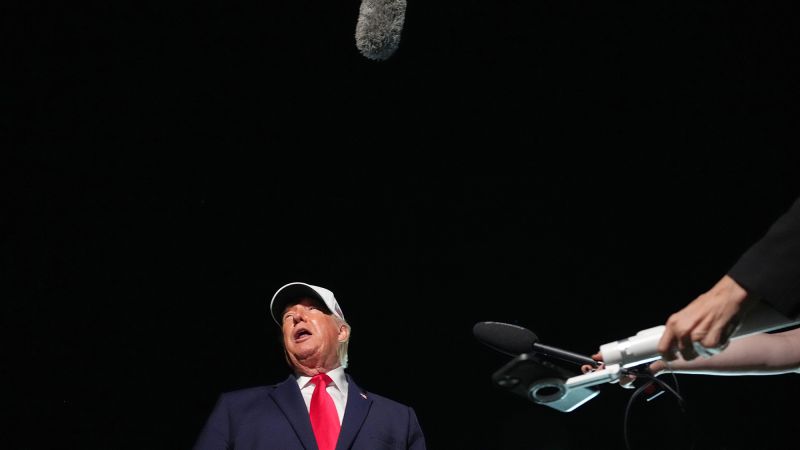
本周本应是美国大幅升级对伊朗战争的一周。总统唐纳德·特朗普多次暗示,一旦中期选举结束,美国和以色列对伊朗的打击将恢复。由于预期会有军事升级,10月里石油价格每一天都保持在每桶100美元以上,并在该月最后一个交易日逐渐攀升至114美元的四年高位。
This was supposed to be the week that America dramatically escalated its war with Iran. President Donald Trump repeatedly hinted that US and Israeli attacks on Iran would resume once the midterm elections were over. In anticipation of a military escalation, oil prices spent every single day of October above $100 a barrel, gradually rising to a four-year high of $114 on the last trading day of the month.
随后发生了突然的转变:特朗普在中期选举前不久辩称,重新发动打击已无必要。上周二,美国人以压倒性多数投票支持民主党,全面斥责了特朗普的伊朗政策——这表明国会可能会对这场战争进行一些抵抗。
Then, a sudden shift: Trump just before the midterms argued that renewed attacks were no longer necessary. And, last Tuesday, Americans voted overwhelmingly for Democrats in a sweeping rebuke of Trump’s Iran policy – a signal that Congress may put up some resistance to the war.
过去一周油价暴跌,下挫25美元,跌至三个月来的最低点,并在周二一度跌破每桶90美元。
Oil prices plunged over the past week, sinking by $25 to their lowest point in three months and briefly falling below $90 a barrel Tuesday.
这些事件有关联吗?毫无疑问。但对于油价如此戏剧性下跌的简单政治解释,却无法解释石油市场内部发生的惊人变化:尽管经历了历史上最大的石油供应冲击,但全球的原油产量却突然超过了消费量。石油市场已经回归其基本面,而且它们看起来出奇地强劲。贯穿伊朗战争的石油市场故事充满了非凡的创造力。
Are those events related? Undoubtedly. But the simple political explanation for such a dramatic decline in oil prices fails to account for the astonishing changes happening under the oil market’s hood: Despite the biggest oil supply shock in history, the world is suddenly producing more crude than it consumes. The oil market has returned to its fundamentals, and they’re looking surprisingly strong. The story of the oil market throughout the Iran war has been one of remarkable creativity.
当伊朗封锁了霍尔木兹海峡咽喉要道的油轮通行时,许多石油分析师曾预计会出现油价迅速冲破每桶200美元的世界末日场景。然而,油价不仅从未接近2008年创下的历史最高纪录,甚至也没有接近2022年俄乌战争爆发初期创下的近期峰值。
Many oil analysts anticipated doomsday scenarios of oil quickly topping $200 a barrel when Iran blocked off tanker traffic through the Strait of Hormuz pinch point. Instead, oil never came close to hitting the all-time high set in 2008 – or even the more recent peak set in 2022 at the outset of the Russia-Ukraine war.
市场的应变能力——通过管道重新分流石油,并通过复杂的穿梭运输和军事行动迫使原油油轮穿过海峡——收到了成效。在过去几个月的某些零星日子里,中东的石油流量甚至超过了战前平均水平。
The market’s resourcefulness – rerouting oil via pipelines and forcing crude tankers through the strait via complex shuttle and military operations – paid off. During occasional days over the past couple months, oil flows through the Middle East have surpassed pre-war averages.
中东石油过境量肯定尚未恢复正常。据石油数据追踪机构 Kpler 称,过境量波动较大,过去一周平均为战前平均水平的 70%。
Middle Eastern oil transits certainly haven’t returned to normal. The flows have been volatile, and they were averaging 70% of the pre-war average over the past week, according to oil data tracker Kpler.

但据摩根大通全球大宗商品研究主管 Natasha Kaneva 称,在 3 月战争爆发之初,过境量曾暴跌至每天 980 万桶,而上周平均达到每天 2070 万桶。这已接近战前中东每天 2470 万桶的发货量。
But after plunging to 9.8 million barrels per day at the outset of the war in March, oil transits averaged 20.7 million barrels per day last week, according to Natasha Kaneva, head of global commodities research at JPMorgan. That’s closing in on the 24.7 million barrels the Middle East was shipping each day before the war.
为弥补缺口,石油巨头增加了全球产量——特别是来自拉丁美洲的产量。与去年同期相比,中东以外地区的原油流量增加了每天 150 万桶。
To compensate, oil majors increased output from around the world – particularly from Latin America. Crude flows from outside the Middle East grew by 1.5 million barrels per day from the same point last year.
这些增量是渐进且稳定的(不像中东那样忽高忽低),能源公司仍看好那里的前景:埃克森美孚周二宣布,已采取初步步骤,最终可能在停摆二十年后重返委内瑞拉。
Those increases have been gradual but steady (unlike the topsy turvy Middle East), and energy companies continue to see promise there: Exxon announced Tuesday it has taken preliminary steps that could eventually lead it to return to Venezuela after a two-decade hiatus.
但我们仍处于每天 -250 万桶的缺口中。全球产量的增加和中东的强行过境,并不能完全解释石油市场如何能重回平衡。缺失的要素是:需求暴跌。
But we’re still at -2.5 million barrels per day. The increase in global production and brute force through the Middle East don’t fully account for how the oil market could return to balance. The missing element: plunging demand.
据摩根大通称,战争期间石油消费平均每天减少 330 万桶,过去几个月需求恶化明显。9 月和 10 月消费每天减少 380 万桶。这就是 10 月出现石油过剩的原因:减少石油使用量。
Oil consumption has fallen by 3.3 million barrels per day on average during the course of the war, according to JPMorgan, and demand has grown considerably worse over the past couple months. Consumption fell by 3.8 million barrels per day in September and October. So that’s how you get to an October oil surplus: Stop using as much oil.
石油需求下降部分源于高价迫使全球消费者在能源使用上做出一些痛苦抉择。但燃料价格对石油过剩的影响,比你想象的要小。
The decline in oil demand was in part because high prices forced consumers around the world to make some painful decisions about their energy usage. But fuel prices factored in less to the oil surplus than you might think.
是的,几周前柴油价格曾触及历史新高,当时乌克兰用无人机袭击俄罗斯炼油厂——直到特朗普斡旋达成能源停火,才迎来数周的喘息期。而汽油价格有望在2026年创下四年新高,尽管周二汽油价格首次在数月内跌破4美元。
Yes, diesel hit a record high several weeks ago as Ukraine bombarded Russian refineries with drone strikes – until a Trump-negotiated energy ceasefire led to a multi-week respite. And gas prices are on track for a four-year high in 2026, even as they fell below $4 on Tuesday for the first time in several months.
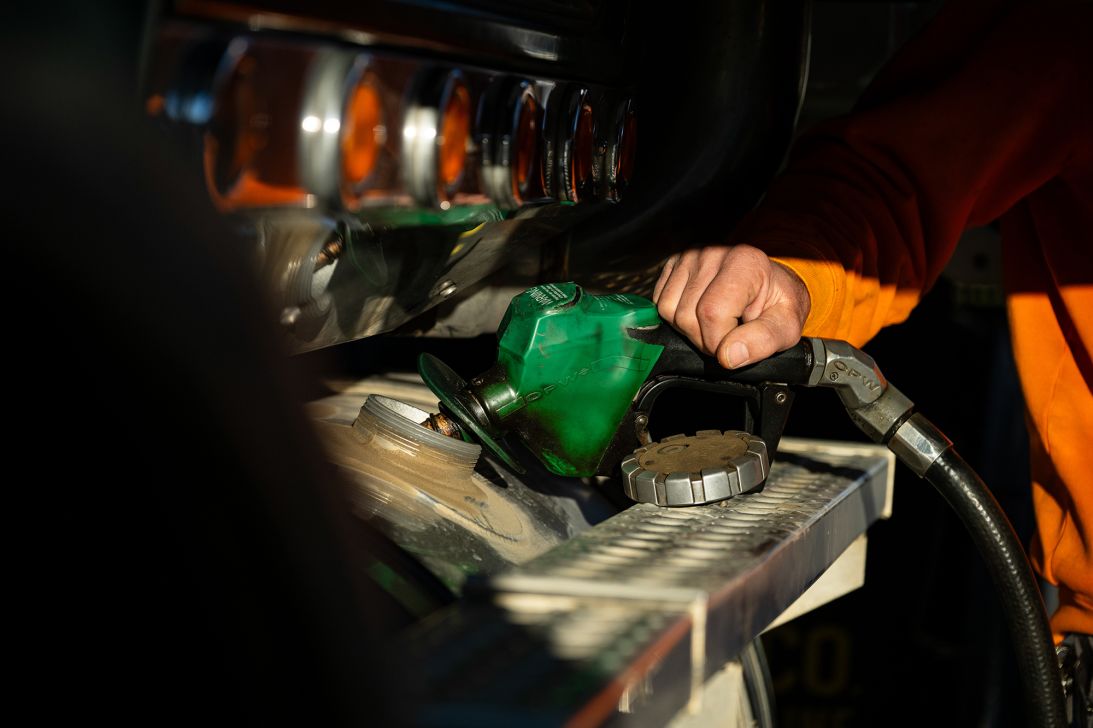
同样属实的是,汽油需求已连续多年低迷;电动汽车日益普及——美国除外;燃油经济性也在提升。雷蒙德·詹姆斯投资策略分析师帕维尔·莫尔查诺夫表示,得益于里程数提高,美国人均年汽油消费量有望今年降至疫情后低点390加仑,低于十年前的440加仑。
It’s also true that gasoline demand has been in a yearslong slump; electric vehicles are growing increasingly popular – outside the United States, that is; and fuel economy is improving. Improved mileage has put annual per-capita American gas consumption on pace to fall to a post-pandemic low of 390 gallons this year, down from 440 gallons a decade ago, according to Pavel Molchanov, investment strategy analyst at Raymond James.
但柴油和汽油需求双双下滑,主要原因还有一个不那么显而易见的因素:炼厂产能受限。世界根本没有足够的炼油基础设施来弥补中东和俄罗斯失去的产出。全球炼厂一直在超负荷运转。
But both diesel and gas demand slumped primarily for a less obvious reason: refinery constraints. The world simply doesn’t have sufficient refinery infrastructure to make up for lost output from the Middle East and Russia. Global refineries have been working in overdrive.
世界可以生产任意数量的原油,但根本无法将其快速转化为可用燃料。因此,炼油短缺是通过压低全球需求——汽油、柴油以及本可炼制成燃料的原油需求——来消化的。
The world could produce all the oil it wants, but it simply can’t make it into useful fuels fast enough. So, the refining shortfall has been absorbed by sinking global demand – for gas, diesel and the oil that would otherwise be refined into fuel.
原油过剩让美国得以补充部分关键库存——特别是俄克拉荷马州库欣的库存,这里是美国管道网络的十字路口。据美国能源信息署数据,库欣库存7月曾跌破运营最低水平,现已升至5月以来最高水平。这给关键储存设施提供了急需的缓冲空间,避免了潜在的油价危机。
The oil surplus has allowed the US to replenish some of its key inventories – particularly in Cushing, Oklahoma, the pipeline crossroads of America. Cushing stockpiles fell below operational minimums in July and are now at their highest level since May, according to the US Energy Information Administration. That gives the key storage facility some much-needed wiggle room, staving off a potential oil price crisis.
一两个月的原油库存累积,可能给特朗普提供筹码,让他能等待伊朗妥协。
A month or two of oil surplus building could give Trump some leverage to wait Iran out.
美国主导的针对伊朗港口的封锁正在发挥作用:自8月以来,伊朗通过合法渠道出口的原油为零,经济禁运导致伊朗过去一年的年通货膨胀率飙升至70%以上——这是该国自第二次世界大战以来的最高水平。
The US-led blockade against Iran’s ports is working: Iran has exported zero oil through legitimate channels since August, and the economic embargo has sent Iran’s annual inflation rate surging above 70% over the past year – the country’s highest since World War II.
一个民主党掌控的国会或许能在一定程度上牵制特朗普,但议员们将缺乏足够的权力来摆脱对伊朗的战争。
And a Democratic Congress may be able to hold Trump back a bit, but lawmakers will lack significant power to get out of the Iran war.
不过,“蓝色浪潮”表明伊朗也握有筹码:特朗普的政治势力已被削弱,且选举表明,伊朗通过在霍尔木兹海峡保持军事存在,能够对全球造成重大的经济破坏。
Still, the “blue tsunami” showed that Iran maintains leverage, too: Trump has been politically weakened, and the election showed Iran can inflict significant economic damage across the world by maintaining a military presence in the Strait of Hormuz.
皮克林能源合伙公司创始人兼首席投资官丹·皮克林表示:“这不是结束冲突的快速、可接受的方案。这是让现状持续下去的方案。”
“This is not a recipe for a quick, acceptable end to the conflict,” said Dan Pickering, founder and chief investment officer at Pickering Energy Partners. “This is a recipe for more of the same.”