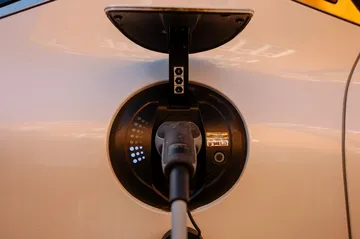
电力并非新事物,但突然间,电气化技术似乎正在赢得大众青睐。能做些什么来帮助人们更快实现电气化?
Electricity isn’t exactly new, but all of a sudden, electrotech seems to be winning over the masses. What can be done to help people electrify even faster?
本周在《Zero》节目中,主持人阿克沙特·拉蒂邀请到了牛津大学能源与气候政策教授扬·罗森诺。扬几乎在所有情况下都主张电气化——因为数据和分析为他提供了依据。
This week on , Akshat Rathi is joined by Jan Rosenow, Professor of Energy and Climate Policy at Oxford University. Jan champions electrification in almost all situations – because the numbers and the analyses make the case for him.
阿克沙特·拉蒂:电力并非新事物,但突然间,电力驱动设备似乎正在赢得大众青睐。在欧洲,今年上半年电池装机量增长了75%;在菲律宾,电动汽车销量增长了150%。即使在美国,政府明确反对能源转型,电动汽车销量也在回升。哦,法拉利还推出了一款电动汽车。评价褒贬不一,你们可以去谷歌搜一下。
Akshat Rathi Electricity is not something new, but all of a sudden, electricity-powered devices seem to be winning over the masses. In Europe, battery installations have grown 75% in the first six months of this year, while in the Philippines, electric car sales have risen 150%. Even in the US, where the government is clearly against the transition, electric car sales are rising again. Oh, and Ferrari came out with an electric car. To mixed reviews, you should Google it.
然而,尽管有这些好消息,电气化仍面临重重障碍,这也是我希望在今天节目中梳理的内容。今天的嘉宾是牛津大学能源与气候政策教授扬·罗森诺,他花费大量时间思考能源系统如何运作以及如何改进。他的答案是大力推行电气化,并非因为他个人意愿,而是因为他有数据和分析作为支撑。
Yet, despite the good news, there are still plenty of obstacles to electrification, which I'm hoping to unpick on today's show. My guest today is Jan Rosenow, Professor of Energy and Climate Policy at Oxford University, where he spends a lot of his time thinking about how energy systems work and how to make them better. His answer is championing electrification, and not because he wants to, but because he has the numbers and the analysis to back it.
这里是《Zero》,我是阿克沙特·拉蒂。今天的主题:加速电气化的理由。扬,欢迎来到《Zero》。扬·罗森诺:谢谢邀请。
This is Zero, I am Akshat Rathi. Today: The case to electrify faster. Jan, welcome to Zero. Jan Rosenow Thanks for having me.
你是电气化的坚定支持者。这也是我们今天要讨论的主题。但先从你自己家说起。你已经实现了哪些电气化,还有哪些没实现?
So you're a big proponent of electrification. That's what we're going to talk about. But let's start at home. What have you electrified and what's still left?
我们家里几乎所有设备都已实现电气化。因此,我们在现场不消耗任何化石燃料。我们的汽车也是电动的。我们装了热泵、电动汽车和电磁炉,燃气管道已被切断。所以这是一个完全电气化的家庭,结果实际上消耗的能源少了很多。而且非常舒适。很多人不相信这一点,但其实比以前更舒适。
We have electrified pretty much everything in our house. So we have no fossil fuels that are consumed on site. But also our car is electric. We have a heat pump, we have an electric car, we have an induction hob, and the gas pipe has been cut off. So it's a fully electrified home and actually uses a lot less energy as a result of it. And it's very comfortable. A lot of people don't believe that, but it's actually more comfortable than it was before.
我们稍后再谈电气化带来的优势。但首先,让我们从今年我们正在经历的背景说起,那就是美国对伊朗的袭击,以及由此引发的、在能源市场制造恐慌、导致价格剧烈波动的战争。你一直在密切关注各国因此而采取的行动。许多化石燃料进口国正在寻求电力替代方案。你表示,这种向电气化的转变现在是能源系统的根本性重组。这种重组是什么样子的?
So we'll come to the advantages that electrification brings. But let's start with the context that we are living through this year, which is the US's attack on Iran and the war that has essentially created panic in the energy markets, crazy swings in prices. You've been following what countries are doing pretty closely as a result of this war. A lot of the fossil fuel importing countries are looking to electric options. You say that this kind of move towards electrification is now a fundamental reorganization of the energy system. What does that reorganization look like?
目前,拥有大量化石燃料资源的国家通过出口这些资源获得大量收入。而没有这些资源的国家——占大多数,世界上超过70%的国家是能源净进口国——则为这些进口支付费用。
So right now, countries that sit on vast fossil fuel resources get a lot of revenues from exporting them. And then a lot of countries that don't have that, which is the majority, more than 70% of countries in the world are net importers of energy, they pay for those imports.
而在未来,当我们设想一个电气化的系统时,这些贸易流向将发生根本性变化。这是能源系统将呈现截然不同面貌的一个方面。你会想到所谓的石油国家,它们一直在出口大量石油,比如沙特阿拉伯,这种局面可能会转变,转向其他地理方向。比如中国,当然,通常被作为一个例子提及,但也包括提供关键矿产的国家,例如智利的锂。我们已经在看到这些变化正在发生。如果我们加速推进,将会有更多此类变化到来。
And in the future, as we think about an electrified system, those trade flows will fundamentally change. That's one of the parts where the energy system will be looking very, very different. And you think of sort of petrostates, they have been exporting vast quantities of oil, like Saudi Arabia, that may shift and shift into a direction of maybe other geographies. Think of China, of course, that's usually mentioned as an example, but also countries that provide critical minerals, like lithium from Chile, for example. So we're already seeing those changes happening. And if we accelerate, much more of that is going to come.

很难预测具体的时间和速度,但非常清楚的是,从那个角度来看,我们所熟知的现行体系将会截然不同。而且我认为,在能源体系内部,我们目前拥有一个高度集中、主要是单向的体系,消费者为能源付费,生产者提供能源,中间有输送环节。但在未来,它将变得更加去中心化、互联互通、双向流动、编织得更加复杂且数字化。所以这将是一个与我们所熟知的截然不同的体系。
It's very hard to predict when and how fast, but it's very clear that the current system, as we know it, will look very different from that perspective. But then also within, I think, the energy system, we have a very centralized, largely one-directional system where consumers pay for energy and producers provide it. And then there's transportation in between. But in the future, it's going to be much more decentralized and interconnected, bi-directional, more intricately woven and digitalized. So a very different system than what we know.
确实不同,但从消费者的角度来看,是的,电动汽车的感受不同,因为它震动没那么大,噪音也没那么大。但体系的其余部分,无论你待在家里用的是热泵还是燃气锅炉,或者你用电脑用的是绿电还是化石能源电力,那部分感觉没那么不同。你觉得这其中有没有消费者层面的因素会带来根本性的改变?
Well, it's different, but from the perspective of a consumer, yes, an electric car feels different because it's not quite shaking as much, not making that much noise. But the rest of the system, whether you're staying at home with a heat pump or with a gas boiler, or whether you're using your computer using green electricity or fossil fuel electricity, that part doesn't feel that different. Is there a consumer side of this equation that you feel would be a fundamental change?
我认为你是对的。你获得的能源服务还是一样。你依然在开车从A地去B地。你依然拥有舒适的家。但我认为与技术的互动方式不同了,因为技术变革总是伴随着思维方式的改变。你突然不得不去思考……有多少人会去想他们的燃气锅炉或汽油车以及里面的发动机。除非坏了。
I think you're right. You still get the same energy service. You're still driving a car and getting from A to B. You still have a comfortable home. But the interaction with technology is different, I think, because technological change always involves a change in your thinking. And you suddenly have to think about… How many people think about their gas boiler or their petrol car and the engine that's in it. Unless it breaks down.
对,除非坏了。但一旦你做出转换,你就不得不去面对这个问题:你想不想做这个转换?然后你其实会相当……我认为,你会考量你在供暖、出行、用能方面的所作所为。所以我认为从那个角度来看这是不同的,你突然不得不真正权衡你的选择是什么。而且我认为这确实改变了对能源的认知。对许多人来说,这可能是他们第一次不得不去思考能源。
Right, unless it breaks down. But once you switch, you have to engage with the question, do you want to make that switch? And then you’re actually quite, I think, you're considerate of what you're doing with your heating or with your travel, with the energy that you use. So I think that is different from that perspective, that you suddenly have to really think through what your options are. And that does, I think, change perception of energy. And for the first time for many people, maybe they actually have to think about energy.
话虽如此,我认为我们看到的高价格是目前人们对电气化技术表现出如此浓厚兴趣的原因之一,因为这是一种让我们免受高价格冲击的方式。
Although having said that, I think with the high prices we've seen, that is one of the reasons why we see so much interest now in electric technologies as a way to shield ourselves against those high prices.
也许以这种方式参与能源系统并非坏事,因为很多人已经忘记了能源的来源。也许这种参与是有用的。现在,气候领域的人们已经喊了相当长一段时间的口号,那就是“电气化一切”。但现代电网或持续供电并非新事物。它发明于19世纪末,并在过去一个世纪里传播到世界各地。为什么我们现在才谈论“电气化一切”?
Perhaps engaging within the energy system in this way is not a bad thing, because a lot of people have forgotten where things come from. And maybe having that engagement is useful. Now, there's a mantra that has been there among climate people for quite some time, which is ‘electrify everything’. But it's not like the modern grid or continuous electricity supply is new. It was invented in the late 1800s. It's been spread around the world over the last century. Why is it that we are talking about electrifying everything now?
我认为电气化的理由至少有两方面。我认为我们已经在很大程度上弄清了如何实现电力脱碳。虽然大多数国家尚未完全实现电力脱碳,但我们现在知道怎么做了。是的,最后10%会更难。但我们姑且认为这是既定事实。我们知道如何实现电力脱碳。
I think the case for electrification is at least twofold. I think we have figured out how to decarbonize electricity to a large extent. We haven't fully decarbonized it in most countries, but we know how to do that now. And yes, the last 10% will be harder. But let's take that for granted. We know how to decarbonize electricity.
因此,电气化让我们能够使用无需燃烧化石燃料的清洁能源。这是电气化重要的一个原因。我们仍然面临需要解决的气候问题。另一方面,电气化具有巨大的效率优势。热泵、电动汽车使用的能量可能只有燃烧技术的三分之一、四分之一。还有能源安全效益。
So electrification allows us to use clean energy that doesn't require the combustion of fossil fuels. That's one reason why electrification is important. We still have a climate problem to solve. Then on the other hand, you have these huge efficiency advantages of electrification. Heat pumps, electric vehicles use maybe a third, a quarter of the energy that combustion technologies use. And you have those energy security benefits.
你可以在本国生产能源,不需要进口。所以我认为,综合来看,这是一个相当有力的论据。我正在写一本关于这个问题的书。电气化的理由是什么?我想说的是,“电气化一切”是我们可能需要更仔细审视的东西,因为你无法将一切电气化。你可以电气化很多东西,但电气化也有其局限性。
You can produce energy within a country and don't require imports. So I think in combination that is quite a compelling case. I'm writing a book right now about this very question. What is the case for electrification? What I would say is that ‘electrify everything’ is something that we might want to look at a bit harder because you can't electrify everything. You can electrify a lot, but there are limits to electrification as well.
我们先来看排放方面,再谈效率方面。显然,电力有一大优势,即可以来自多种燃料来源。当然,太阳能、风能、水能、地热能等可再生能源是首选,如果能廉价且安全地建设,核能也是如此。
So let's look at the emission side first and then come to the efficiency side. Clearly, electricity has one big benefit that it can come from many fuel sources. Of course, renewable ones like sun, wind, water, geothermal are preferred, even nuclear if you can build it cheaply and safely.
但目前发生的大量电气化进程,是依托化石燃料——煤炭、天然气,在许多地方甚至是石油——实现的。大力推行电气化存在一种风险,即最终可能会使用更多化石燃料,甚至增加排放。您担心会出现这种情况吗?
But a lot of the electrification that has happened so far has happened on the back of fossil fuels, coal, gas, and in many places, even oil. There is a risk in pushing for electrification that you end up using more fossil fuels and perhaps increase emissions. Are you worried that that might happen?
我不担心。原因有二。第一,即使以我们现有的电网和发电资源结构,在许多国家,从排放角度来看,电气化已经讲得通了。为什么?因为我刚才简要提到的效率。例如,你可以让整个电网完全靠天然气运行,即 100% 的电力来自天然气。而我们清楚,热泵仍比燃气锅炉更清洁。它们仍更少地使用化石燃料,从而减少排放。这并非新鲜事。
I'm not worried about that. And that's for two reasons. The first reason is that even with the existing grid that we have and the mix of resources that generate electricity, in a lot of countries, electrification already makes sense from an emissions perspective. Why? That's because of the efficiency that I briefly mentioned before. So you could run the entire grid on gas, for example, and have 100% of the electricity from gas. And we know that heat pumps are still cleaner than a gas boiler. They still use less fossil fuels, resulting in less emissions. And that is not something new.
戴维·麦凯教授早在 2008 年其著作《不靠热空气的可持续能源》中就指出了这一点。所以这不是新闻。当然,也有像波兰或中国这样的国家,电力系统中仍含有大量煤电,目前那些收益可能还不存在,因为电力仍主要依赖化石燃料。
Professor David MacKay said this in, I think, 2008 in his book, . So this is not news. Of course, there are countries like Poland or China, where you still have a lot of coal on the system, where those gains might be non-existent yet, because electricity is still largely based on fossil fuels.
当我们看新增装机容量时,例如彭博新能源财经每年都会发布这类图表,我们会看到,新增装机容量大多是可再生能源发电。其中仍有一些化石能源,但占比极小。我认为,所有新建装机容量中 90% 以上是可再生能源。因此,如果我们在现有基础上叠加额外的电力需求,我会感到惊讶,如果这些需求由化石燃料来满足。我认为,大部分将由可再生能源来满足。
And when we look at new capacity that's being built, and Bloomberg New Energy Finance, for example, puts out these charts every year, we see that most of the new capacity is now renewable electricity. There's still some fossil in there, but it's tiny. I think 90% plus of all capacity being built is renewable. So I would be surprised if the additional electricity demand that we're layering on top would be provided with fossil fuels. I think most of it will be served with renewables.
这在全球范围内都是如此。但在美国等地,由于人工智能繁荣以及需要供电的数据中心激增,有明确迹象表明,短期内天然气燃烧量将会增加。但您认为即便在美国,从长远来看,情况也不会是这样?
And that's true globally. But in places like the United States, where we are seeing a boom because of artificial intelligence and all the data centres that need to be powered, there is clear indication that gas burn is going to increase in the short term. But you think even in the US, in the long term, this is not going to be the case?
是的。具体原因在于基本经济逻辑已发生变化,我看不出在10年内,甚至现在,建设新的化石能源发电设施有什么有力的商业理由。研究非常清楚地表明,在世界大部分地区,发电成本最低的方式将是可再生能源(主要是太阳能和风能)加储能的组合。即使同时计入储能成本,也将比建设新的燃气电厂更便宜。
Yes. And that's specifically because the fundamental economics have changed in a way where I just don't see how in 10 years time, or even now, there's a strong business case for building new fossil generation. And research shows us very clearly that the expectation is in most parts of the world, the cheapest way of generating electricity will be a combination of renewables, mainly solar and wind, plus storage. Even factoring in storage at the same time, it will be cheaper than building new gas fired power stations.
那么,我们来看看许多国家将在COP31上讨论的一个目标:到2035年,将电力在全球最终能源消费中的占比从目前的20%左右提高到35%。我们稍后再讨论最终能源的问题。但显然,电力在所消费能源中的占比正在增加。您认为该目标应当包含电气化必须来自清洁能源这一要求吗?
So let's take this goal that many countries are going to talk about at COP31, which is to increase the final energy of global consumption to 35% for electricity by 2035, from about 20-ish percent today. We'll come to the sort of final energy question later. But there is clearly an increase in electricity share of whatever energy is being consumed. Do you think that target should include that the electrification needs to come from clean sources?
我的意思是,此类目标的问题在于,你可能以一种并无多大帮助的方式实现它们。您刚才提到数据中心,对吧?你可以只建设大量数据中心,从而推高电气化率。这是好事吗?有人会说是的,因为我们需要大量数据中心。但从排放角度来看,这并不是好事。
I mean, one of the problems with such targets is that you could achieve them in a way that actually isn't particularly helpful. So you mentioned data centers before, right? You could just build loads of data centers, which drives up the electrification rate. Is that a good thing? Some people would say yes, because we want lots of data centers. But it's not a good thing from an emissions perspective.
将化石燃料在工业、建筑和交通领域的使用置换并非件好事,因为它仅仅是增加了此前不存在的用电需求。因此,现有的目标本身在理解如何实现该目标以及其带来的效益方面并不特别有帮助。
It's not a good thing for replacing, displacing fossil fuel consumption in industry, buildings, and transport. Because it's just adding electricity demand that wasn't there before. So the target as it stands is not particularly helpful when it comes to understanding how you deliver on that target and what the benefits will be.
我仍然认为,设定电气化目标具有巨大的象征价值,因为它能聚焦人们的思维,并推动关于电气化的讨论,这本身就是一件好事。但我一直对目标指标持较为怀疑的态度。这些指标通常由不在权力巅峰时被采用的政治人物在目标到期时采纳,随后便悄然被抛弃。因此我认为,目标有助于聚焦思维并推动讨论向特定方向发展,但不必过度执着于它们。
I would still say there's a huge symbolic value of having an electrification target, because it does focus people's minds and it leads to a conversation about electrification. And that's a good thing. But I've always been rather skeptical of target metrics. They usually get adopted by politicians who are no longer in power when these targets kick in and then they're quietly abandoned. So I think targets are useful to focus minds and drive the discussion in a certain direction. But I wouldn't be too obsessed with them either.
您可以同样说关于《巴黎协定》,其中有明确目标将全球变暖控制在2摄氏度以下,最好控制在1.5摄氏度以下。虽然这些目标能聚焦思维,促使人们付诸行动,但也存在真实风险,即我们可能超过2摄氏度——1.5摄氏度已经看起来我们正在超过它。
I suppose you could say the same thing about the Paris Agreement, where there are clear targets about keeping global warming below 2C and preferably below 1.5C. It focuses the mind to actually act on it, even though there is a very real risk that we may even blow past 2C — 1.5C already looks like we are going to blow past it.
现在我们来讨论最终的能源问题。最近国际能源署(IEA)的一份报告中出现了一句话,我将逐字朗读:“电力占全球最终能源的23%,但它提供了人们实际使用的37%的有用能源。”在此,还有一个专业术语——初级能源。在我看来,这三个专业术语属于能源专业术语,但它们对于理解电气化为何是我们需要进行的能源系统变革的关键。我们先来定义一下:所谓初级能源、最终能源和有用能源,您能给出例子吗?
But let's come to the final energy question. There was a recent report from the International Energy Agency that had the sentence in it, and I'm going to read it, which is, ‘electricity is 23% of global final energy, yet it delivers 37% of the useful energy that people actually make use of.’Now, there's a third jargon term here, which is primary energy. And to me, these three jargon terms are sort of energy wonkery, but they are sort of crucial to understanding why electrification is fundamental to the changes that we need to make in our energy system. So let's just start with definitions. What do you mean by primary, final, and useful energy? And if you can give examples.
一个好方法是想象一下世界能源流。很多人画过桑基图。这是一个技术术语。桑基图的提出者是爱尔兰工程师桑基,他试图理解蒸汽机的效率。他画了一个图,展示了系统中的损失,你可以看到投入的能量中有多少是真正有用的,能够驱动引擎。当我们观察能源系统时,初级能源是所有投入系统的能源资源,包括煤炭、石油、天然气、太阳能、风能、水能。在这一案例中,这些能源最终转化为电能。
Yeah, I think a good way of maybe visualizing this in your mind is to think about the energy flow that we see in the world. And a lot of people have drawn Sankey diagrams. That's a sort of technical term. Captain Sankey, he was, I think, an Irish engineer who wanted to understand how efficient steam engines were. And he's drawn a diagram where you see the losses in the system, and you can find out how much of the energy you put in is actually useful and drives the engine. And when we look at the energy system, the primary energy is all of the energy resources we put into the system. So coal, oil, gas, solar, wind, hydro. In this case, it comes out as electricity.
然后是所谓的末端能源,即你消耗的能源。这可能是电能,可能来自天然气、风能或太阳能,也可能是石油化工产品,比如汽油、柴油。而有用能源则是最后的环节。如果你从左侧的初级能源输入开始,经过中间的转化,再到最右侧的末端使用阶段,这便是有用能源,也就是能源服务,比如让家屋变暖、汽车行驶或工厂运行。这正是有用能源所衡量的内容。
And then we have so-called final energy, which is what you consume. So that may be electricity, which might be from gas, might be from wind or solar, or it may be refined products from hydrocarbons, maybe petrol, maybe diesel. And then useful energy is the very final stage. So if you walk through the flow diagram from the left-hand side with primary energy inputs, transformation in the middle, and then you have the final end-use stage on the very right, that goes into useful energy. That's energy services, essentially your home being warm or your car driving, or the factory running a process. That's essentially what useful energy is trying to measure.
可以从油的角度思考:钻取原油是初级能源。随后,汽油、柴油或航空燃料等精炼产品是末端能源。如果燃料主要用于运动,那么运动本身、运动的结果以及消耗的能量构成了有用部分。每一次加工过程都消耗能源,导致损耗。而且内燃机本身效率很低,仅将约20%至30%的燃料能量转化为运动。因此,损耗逐层累积。在这种情形下,电气化有什么帮助?
And so one way to think about it is from the perspective of oil, like drilling crude oil is primary energy. Then having refined products in petrol, diesel, or jet fuel is final energy. And then if the fuel is used for motion most of the time, that motion itself, the outcome of that motion, how much energy it consumes, is the useful part. And every time, because the process of refining takes energy, you lose a little bit. And then the internal combustion itself is highly inefficient. It converts only about 20% to 30% of all the fuel energy into motion. So you get these losses that add up. How does electrification help in this situation?
先从终端用途开始说,再向前推导。以汽车和内燃机为例。如果是电动汽车,假设输入一单位电能,大约90%的电能会用于推动汽车前进,即推动你前行。当然会有损耗,比如摩擦和产生的废热,这是不可避免的。而且刹车时可以回收部分损耗。因此效率大约为90%。
So let me start with the end-use first and work backwards. So let's stick to the car example and the internal combustion engine. If you have an electric car, you put in, let's say, one unit of electricity, about 90% of the energy in that one unit of electricity will be actually driving the car forward, will be propelling you forward. There are some losses, of course, friction, some waste heat, that's unavoidable. Also, when you brake, you can recover some of those losses. So about 90% efficiency.
如前所述,内燃机的效率可能只有20%或30%。因此,由于效率的巨大提升,效果显著。当继续向价值链上游延伸时,当然需要为电力发电。如果电力是由燃煤发电站产生的,也会产生损耗。燃煤发电站大约会损耗70%的原始能源投入来生成电力。但如果电力来自太阳能或风能,那么电网损耗可能只有约10%。虽然会有存储环节,但损耗量不大,大约为10%到12%。因此整体效率显著更高。
And you mentioned before that an internal combustion engine is maybe only 20% or 30% efficient. So you have a vast improvement in efficiency because of that. When you work further upwards in the value chain, of course, you have to generate that electricity from something. And if that was generated by a coal-fired power station, you also have losses. The coal-fired power station throws away about 70%, perhaps, of all the primary energy inputs to make the electricity. But if that came from solar or wind, you would only have maybe 10% losses in the grid. There would be some storage, but that's not that much. We're talking maybe 10% to 12% of losses. So it's vastly more efficient.
如果几乎将所有用途实现电气化(并非所有,而是几乎所有),从全球原始能源角度看,最终情况会如何?
If we end up doing electrification of almost everything, not everything, everything, what does the end situation look like from a primary energy perspective for the world?
大约是一半。我们与劳伦斯·利弗莫尔国家实验室合作的最新研究表明,他们之前提到的全球桑基图(Sankey diagrams)针对几乎每个国家,也包括全球。我们基于2022年最新的综合数据集,重新绘制了该图,并为高度电气化、基于可再生能源的经济体创建了替代桑基图。通过使用现有技术在工业、交通和建筑领域,我们实现了约一半的原始能源投入,这便是该计算的最终结果。我们现在获得的有用活动量是相同的,还是更少还是更多?
It's roughly half. So we have new research coming out that we've done together with the Lawrence Livermore National Laboratory. They draw these global Sankey diagrams that I mentioned before for almost every country and also for the world. And we've redrawn that for 2022, where we have the latest comprehensive data set and then created an alternative Sankey diagram for a highly electrified economy based on renewables. And we get to about half of the primary energy input by using existing technologies in industry, transport and buildings. And that's what the end result is of that calculation. While we are getting the same amount of useful activity or less or more?
相同。所以,如果您也假设诸如能源效率、住宅保温,或者可能的行为改变,再加上向公共交通的转变,我们可以进一步削减初级能源。我们尚未研究这些方面。我们也尚未研究可能在10到15年后商业化的新兴技术。这些是我们今天已有的现有技术,我们可以在未来五到十年内部署它们。
The same. So if you also assume things like energy efficiency, weatherization of homes, or maybe some behavior change, a modal shift to public transport, you could cut primary energy by even more. We haven't looked at that. And we haven't looked at technologies that might be emerging and maybe be commercialized in 10-15 years. These are existing technologies we have available today that we could deploy over the next five to 10 years.
我想谈谈令人兴奋的技术。但在此之前,在西方,围绕电气化存在着真正的争论,这与气候无关,而是与成本和可负担性有关。英国的电价居高不下,欧洲整体上电价也非常高。原因之一是电价今天仍由天然气决定,未来10到15年可能会改变,但要实现这一未来需要民众在政治上支持电气化,而当前的电价水平下,这种支持似乎并不具有可行性。政府现在能做什么,真正降低电价,并展示电气化今天可能带来的节省效果?
I want to come to exciting technologies. But before that, there is, at least here in the West, a real debate around electrification that has to do not with climate, but with cost and affordability. The UK has some of the highest electricity prices. Europe in general has very high electricity prices. One reason is that electricity prices are set by gas today, maybe in the future, 10 to 15 years from now, it may not be. But getting to that future requires you to have political buy-in from people to electrify, which at the cost that prices are today, doesn't seem viable. What can governments really do right now to make electricity cheap and show the savings that may come from electrification today?
有很多方法。让我从征税开始,因为这是政府可以迅速决定降低电价成本的显而易见领域。我们知道,在许多国家,电力征税相对于化石燃料而言过高。我们在电力账单上实际上承担了更高的税率和附加费用,以及政策成本。这同样适用于英国,也适用于其他地区。而化石燃料则获得了一定程度的优惠。
There's a number of things. Let me start perhaps with taxation, because that's kind of an obvious area where governments can quite quickly decide to lower the cost of electricity. We know that in many countries, we overtax electricity compared to fossil fuels. We essentially have higher tax rates and levies, policy costs, on electricity bills. That's also the case in the UK, but elsewhere as well. And fossil fuels get a bit of a free ride.
这种税收和收费的重新分配在某些情况下,会对电力价格产生非常显著的影响。然后还有网络成本。这部分比较棘手,因为我们正在为未来10年、20年、30年可能需要的基础设施付费,但需要现在就建设,以预估未来的用电需求。那么成本该如何分配呢?风险在于,如果现在全部支付这部分成本,会导致账单上涨,而这正是许多国家目前所见的现象,即网络成本的上升成分在增加。
That rebalancing of taxation and levies can, in some cases, make a really significant difference to what the price of electricity is. Then you have things like network costs. That's a bit more tricky because we are paying for infrastructure that we may need for the next 10, 20, 30 years, but we need to build it now in anticipation of electricity demand. So how are you allocating that cost? The risk there is that if we pay for all of that cost right now, that drives up bills, and partly, that's what we're seeing in a number of countries, that there's a rising element of network costs.
针对这一问题,存在不同的解决方式和不同的观点认为什么是合适的。可以通过电力账单来支付,但也有人认为应考虑通过其他方式支付,比如一般税收,因为这是对公共基础设施的投资,而公共基础设施至关重要且极其重要。我们正经历一次巨大的转型,这不一定非要体现在电力账单上。
There are different ways of dealing with that and different views as to what is appropriate. You can pay for it with electricity bills, but some people would also argue we should consider paying for it through other means, maybe general taxation, because this is an investment in public infrastructure that is critical and is really important. We're going through a massive transition here, and it doesn't necessarily have to be on the electricity bill.
此外,欧洲批发市场的运作方式,正如您提到的,仍然往往是燃气价格决定电力价格。这正在改变拥有电池、可再生能源的司法管辖区的数量,但像意大利、英国等地,燃气在批发市场中仍是主导因素。加速储能和可再生能源的部署,也将有助于降低价格。
Then finally, I would say the way wholesale markets work in Europe, you mentioned this, is still that often the gas price determines the electricity price. That is changing the number of jurisdictions with batteries, with renewables, but we still have places like Italy, for example, or the UK, where gas is a very dominant factor in the wholesale market. So reducing that by speeding up the deployment of storage, speeding up the deployment of renewables will also help bring down prices.
这一问题正与伊朗战争及化石燃料价格的波动相关联,当然,许多消费者转向电力选项,但许多政府的初步反应是寻找其他化石燃料来源或立即补贴能源,因为价格上涨过快,人们不应承担如此高的价格痛苦,因此这些补贴正在被征收。
One aspect of this which is playing out with the Iran war and where fossil fuel prices are, sure, many consumers have looked to electric options, but a lot of governments' initial reaction has been to find other sources of fossil fuels or to subsidize energy right now because the prices are shooting up so quickly and people should not feel the suffering of those prices, so those subsidies are being levied.
但这里存在一个风险,即今天购买新的化石燃料燃烧设备,可能会使该系统锁定在未来10到15年继续燃烧更多化石燃料,如果是新建的工业项目,甚至可能持续数十年。你曾与政府合作,向它们建议,证明电气化系统更优,但这种急迫感——即必须实现电气化——至今尚未充分融入大多数政府的考虑。为什么会是这样?
But there is a risk here, which is that either buying new fossil fuel burning devices today is going to lock that system into burning more fossil fuels for 10 to 15 years, if it's a new industrial build, maybe for decades to come. You've worked with governments, advised them, you've shown why an electrification system is a better one, and yet this urgency, that we must electrify, hasn't quite sunk in with most governments. Why is that?
我认为,总是存在一种短期应对危机的冲动,这很是可理解。比如,如果你是政府官员,看到价格在2022年飙升三、四、五甚至十倍,这正是欧洲天然气市场所见的情况,你必须立即反应。你不能说,在未来10年内我们将改造能源系统。你必须在当下立刻采取行动。在此案例中,就是确保有足够的天然气应对即将到来的冬季。
I think there's always a short-term scramble to solve the crisis, and that's understandable. I mean if you’re in government and you see prices shoot up by maybe three, four, five or 10 times even in 2022, that's what we've seen in the gas markets in Europe, you have to react. And you can't just say, over the next 10 years, we're going to change the energy system. You have to do something at that very moment. In this case, it was making sure we have enough gas for the winter that was coming.
我们已经看到,俄罗斯在2021年9月或8月开始削减天然气供应。你必须对此作出反应,确保能源供应充足。同时,当价格上涨时,你必须保护人民免受这些涨幅的影响,我完全理解政府为何采取这种行动。真正的错失机会在于,当政府仅此而已,仅做短期应对时,这就仅是临时补救措施。它处理的是症状,而非治疗病因。病因是对化石燃料进口的过度依赖以及对这些极度波动性市场的暴露。
We already saw there was a cut in gas supply from Russia, I think it started in September or August 2021. You have to react to that and make sure there's enough energy available. At the same time, when prices rise, you've got to protect people from those price rises, so I totally understand why governments acted in that way. What is a missed opportunity, though, is when governments then stop there and only do the short-term fix, because that's sticking plaster. It's dealing with the symptoms but it's not curing the illness. The illness is the over-reliance on fossil fuel imports and exposure to these very volatile markets.
一些国家的反应更为全面。法国是第一个提出电气化战略的国家,时间是4月,就在霍尔木兹关闭后仅几个月。加拿大紧随其后,我想是在同一个月。7月,欧盟委员会提出了欧洲电气化行动计划。还有其他一些倡议,但这三个可以说是最突出的例子,这些国家真正全力以赴,制定了长期战略,而非仅仅是短期对策。
Some countries have reacted in a more holistic fashion. France was the first country that put forward an electrification strategy in April, just a couple of months after Hormuz closed. Canada followed, I think the same month. In July, the European Commission put forward the electrification action plan for Europe. There's a few other initiatives, but those are the three, I would say, standout examples where countries have really gone all in with a strategy that is for the long term and not just a short-term fix.
就欧洲而言,排放量最大的份额往往来自用天然气为家庭和建筑供暖。我知道您非常关注供暖电气化。显而易见的解决方案是热泵,但在欧洲各国推广热泵的过程中,既有成功案例,也有失败教训。许多国家曾经历过推广势头很好的时期,随后便趋于平稳。有些国家像英国,从未有过成功案例,政府至今仍在为此苦恼。您是否总结出一套行之有效的方案,能够推动家庭和建筑供暖的电气化?
In terms of Europe, the biggest share of emissions tends to be heating homes and buildings with natural gas. I know you have looked at electrification of heating very closely. The obvious solution is heat pumps, but there are success stories and then there are failures across Europe when you look at the deployment of heat pumps. Many countries have had periods when the deployment had been very good, then it sort of plateaued. Some countries like here in the UK, there's really never been a success story and governments continue to struggle with it. Is there a formula that you have understood that would work in electrifying heating of homes and buildings?
我认为我们知道要素是什么。其实非常简单。其中之一我们已经谈过,就是电价。我们知道,在电气价格比率较低的地方,所谓较低,是指至少低于3,最好更低,人们就会开始购买热泵。我们在挪威、瑞典等电气价格比率非常低的国家看到了这一点,这些国家的热泵普及率高得多。在挪威,约三分之二的家庭安装了热泵。所以一单位电力的价格应该是天然气价格的三分之一?
I think we know what the ingredients are. It's really quite simple. One of which we already talked about is electricity price. We know where the electricity to gas price ratio is low, by low, I mean at least below three, ideally lower than that, people will start buying heat pumps. We see that in countries like Norway, Sweden, for example, where you have a very low price ratio, we have a lot more heat pumps. In Norway, about two thirds of homes have a heat pump. So one unit of electricity should be a third of the price of gas?
不,价格不应超过三倍,原因非常简单。如果您相对于化石燃料系统拥有三到五倍的效率优势,如果电价至多是燃气价格的三倍,您就开始省钱了。这便证明了投资该技术是合理的。那么,为什么热泵会有三到五倍的效率优势呢?
No, it should not be more than three times as expensive, for a very simple reason. If you have an efficiency advantage of maybe three to five over the fossil fuel system, if the price of electricity is maybe three or less than that times more the gas price, you start saving money. And that then justifies the investment in the technology. And why does that three to five times efficiency advantage come through in a heat pump?
从本质上讲,它是将空气、地面或水中已有的预存热量(取决于热源在哪里)从一处移至另一处,并对其进行升级、提升温度。因此,它所需的能量比在锅炉中燃烧燃气要少得多。所以您拥有了这一巨大的效率优势。
Well, essentially it's moving in pre-existing heat that's already there in the air, the ground, or the water, depending on where the heat source is. It's moving that from one place to another and upgrades it, lifts the temperature up. And it needs a lot less energy to do that than burning gas in a boiler as a result. So you have this big efficiency advantage.
那么,是否存在热泵不切实际、不是正确解决方案的情况?如果是这种情况,供暖解决方案应该是什么?
And so is there a situation where perhaps a heat pump is not practical, is not the right solution? And if that's the case, what should the heating solution be?
当然存在更困难的地方。但我要说,现在几乎每一栋建筑都有解决方案。人们常提到,伦敦带公寓的高层塔楼怎么办?现在伦敦带公寓的高层塔楼已有相关项目。还有非常古老的,我亲眼见过,非常古老的维多利亚时代或爱德华时代公寓也安装了热泵。还有公共热泵,是地源式的,您可以建设这种为各户单独供热的系统,不需要大量空间。
There are certainly places where it's harder. But I would say there's a solution for almost every single building now. People often mention, what about a tower block with flats in London? Well, there are now projects in tower blocks with flats in London. Also very old, I've seen them myself, very old Victorian or Edwardian flats where heat pumps have been fitted. There are communal heat pumps that are ground source that you can build that service flats individually, don't require lots of space.
或者是老建筑,我自己的房子就有146年历史。建造时还没有燃气管网,电网也还没有真正建立。现在里面装了热泵,运行得非常好。所以我想说,在大多数情况下,都有解决方案。是的,确实存在一些更难处理的建筑,难度更大。但我们可以先从简单的入手。人们常常跳到最难的例子,说,哦,这个怎么办?所以我们就做不了。我总觉得,为什么不先从容易、可行、经济的大部分入手呢?等到技术进步了、创新多了,再稍后去担心那些真正难的。我们先做容易的事。
Or old buildings, my own house is 146 years old. That was built at a time when there was no gas grid, there was not really an electricity grid yet. And there's now a heat pump in it and it works just fine. So I would say in most cases, there is a solution. Yes, there are harder buildings where it's more difficult. But let's start with the easy ones first. People often jump to the hardest examples and say, oh, what about this? And therefore we can't do it. And I always think, well, why don't we start with the bulk where it's easy or practicable and possible and economic? And then we worry about the really hard ones a little later when technology has improved, we've seen more innovation. Let's do the easy things first.
回到您关于技术发展的观点,以及未来10到15年可能发生的、有助于“万物电气化”的技术变化。我们还是聚焦供热。您对哪些供热电气化技术感到兴奋?
Coming to your point about technology development and what changes could happen in the next 10 to 15 years on technologies that could help the electrification of everything. Let's stick with heating. What heating electrification technologies are you excited about?
也许我会转向工业领域,这也是一个大量用热的行业。电热储存就是其中一种技术,本质上是在电价低廉时、最好是来自可再生能源时用电,以热的形式储存起来,基本上就像一个热电池,放在工业现场。这个热电池可以为工厂提供全天候蒸汽。这样就把能源消耗、工艺所需的热量,与给热电池充电的方式解耦了。这既提供了利好电网的灵活性机会,也降低了所供热量的成本。
Maybe I’ll switch to industry as a sector that uses a lot of heat as well. Electro-thermal storage is one of those technologies where you essentially use electricity when it's at low cost, ideally from renewable sources. And you store it in the form of heat, it's basically like a heat battery, at an industrial site. And that heat battery can provide 24/7 steam to the facility. So you decouple the energy consumption, the heat that you need for processes from the way that heat battery is being charged. And you have that flexibility opportunity that's good for the grid, but it also lowers the cost of the heat that is being delivered.
但家庭和建筑需要的供热是烧开水,热泵可以做到。而工业用热范围可以从烧开水到极高温度,比如在1000摄氏度下熔化物质。这其中究竟有多大比例真能实现电气化?
But the heating that homes and buildings require is boiling water, which is possible to do with heat pumps. But industrial heat can go from boiling water to really high temperatures where you're melting something at 1,000C. What portion of this can really be electrified?
几乎所有问题的答案都在这里。将其按不同温度区间进行划分很有用。比如,低温区间可能高达 200°C,这可以用现有技术的工业热泵来实现。现在有些制造商声称,工业热泵可达到 280°C。然后是中温区间,可能是 200°C 到 500°C 或 600°C。那里可以用电锅炉,也可以用电热储能,这是我之前提到的。这是多种技术的组合。
Almost all of it is the answer. And it's useful to segment it into different temperature bands. So, you know, the low temperatures maybe go up to 200C. That can be done with industrial heat pumps with existing technology. Some of the manufacturers now claim up to 280C can be done with industrial heat pumps. Then you have maybe the mid-temperature band, maybe 200C to 500C or 600C. You have electric boilers there, you can use electro-thermal storage, which I mentioned before. There's a combination of technologies.
再往上,有电阻加热、等离子体火炬,还有很多可用的技术。电弧炉也不是新技术,它用于回收钢铁已有很长时间,温度可达 2800°C 左右。再往上,仍有技术可用。问题在于,温度区间越高,难度越大,因为技术越不先进、越不成熟。所以要先从容易的部分入手。从技术上讲,大约一半的工业热能可以用现有技术比较容易地实现。问题是,能不能做得足够快?经济性是否朝着正确的方向发展?
And above that, resistance heating, plasma torches, you know, there's lots of things that can be used. And electric arc furnaces, not a new technology. It's been around for a long time to recycle steel, go up to very high temperatures, you know, maybe 2,800C. And beyond that, there's still technology available. The problem is the further up you go in the temperature ranges, the more difficult it gets because the technologies are less advanced, less mature. So start with the easy part first. You can do about half of industrial heat with existing technologies pretty easily, technically. The question is, can you do it fast enough? And are the economics pointing in the right direction?
这方面涉及一些具体政策,可以让经济性行得通。但我请来了阿瑟·唐宁,他是新书《 》的作者。他的核心观点是,技术不是真正的挑战,电力的商业模式才是更广泛、更低成本部署电力的挑战。他的解决方案是,能源系统的某些部分(将主要是电力化的)必须公有制,因为以电网为例,它是天然垄断。在资本主义制度下,不可能有两个竞争的电网去寻找哪个更便宜。实际上只能负担得起一个。
There's an aspect of this which we can talk about in specific policies that could allow for economics to work. But I had Arthur Downing, who's the author of a new book called , on the show. And his main argument is that technologies are not the real challenge here. It is the business model of electricity that is the challenge for deploying electricity more widely and at lower cost. And his solution is that some portions of the energy system, which will be mainly electric, have to be owned publicly because, take the grid, it is a natural monopoly. You cannot have two competing grids in a capitalist system trying to find which is the cheaper one. You can only really afford to have one.
他的回答是,如果只有一家,那么责任确实在于政府,政府应当善用并有效利用这一垄断性资产。当然,在能源系统的其他环节,你可以引入竞争。你可以有许多发电企业,从太阳能到天然气或其他形式,竞争提供电力。你也可以让电价由市场反映。你认为这是一个真正行之有效的方案吗?
And his answer is, if there is only one, it is really on governments that they should use that monopolistic asset well and effectively. And then, of course, you can have competition in other parts of the energy system. You can have many generators of electricity, from solar to gas or whatever, competing to provide electricity. And you can have electricity prices that are reflected by markets. Do you think that is a formula that will actually work?
我猜我并不认为公有制总是正确的答案。我认为会有公营公用事业做得相当不错、在公共利益方面实现社会目标的例子。但也存在做得不好的例子。你也会发现,受到良好监管的私营公司,同样可能在公共利益方面表现良好,也可能表现不佳。这取决于监管。
I guess I'm not persuaded that public ownership is always the right answer. I think there'll be examples where publicly owned utilities do a pretty good job and they deliver on societal outcomes in the public interest. But there are also examples where that's not the case. And you will find that privately owned companies that are regulated well, may deliver well on public interest as well, or they may not. That has to do with regulation.
所以我不认为事情那么简单,不能说公有制将是实现电网更好管理的途径,反之也不能说必须私有化,否则永远无法实现。我认为我们需要弄清楚如何为这些自然垄断企业设定激励结构,使其服务于公共利益。而界定什么是公共利益,是第一步,对吧?我们究竟想从这些公司得到什么?仅仅是在地下铺设更多铜线、扩大网络、连接用户?
So I don't think it's that simple to say public ownership will be the pathway to have a better managed grid or vice versa, to say it has to be privatized, otherwise it will never happen. I think we need to figure out how to set the incentive structure for those natural monopolies in a way that they deliver on the public interest. And defining what that is, is the first step, right? What do we actually want from these companies? Is it to just put more copper in the ground, expand the network, connect people?
还是要连接新设备,以确保我们能完成这一转型?然后问题就变成了,如何以最具成本效益的方式、以消费者最低的成本做到这一点,并以可行的方式带我们到达我们需要去的地方?
Or is it perhaps to connect new devices to make sure we can go through this transition? And then the question becomes, how do we do that in the most cost effective way, that lowest cost for consumers, and it gets us to where we need to get in the possible way?
我认为,最简单的说法是,我们真正希望从整个能源系统获得的是清洁、负担得起且安全的能源,对吧?一种观点认为,电气化可以提供这种安全性,因为一个完全依赖可再生能源的电气化国家不需要从外部进口能源,因此不太容易受到我们今年所见到、以及近期过去所经历的那种冲击的影响。
Well, I think the easiest way is to say what we really want from the energy system in general is something that is clean, affordable and secure, right? One strain of argument is that electrification can provide that security, because a fully electrified country that's dependent on renewables is not importing energy from outside, it’s less vulnerable to the types of shocks that we are seeing this year, and have seen in the recent past.
但也有另一种观点,认为电力系统更脆弱,因为它在很大程度上是一个集中式系统。它接入数字网络,因此极易遭受网络攻击。当然,电力难以储存。即使我们有电池,无论是电池还是热能电池,都无法像储存石油储备或天然气储备那样储存能源。如何让电气化系统变得安全?
But there is another side of the argument, which is that an electric system is much more vulnerable because it is a centralized system to a large degree. It is accessible to the digital network, so it is really open to cyber attacks. And of course, electricity is hard to store. Even if we have batteries, electric ones or heat batteries, it's just not possible to store energy as we can in, say, an oil reserve or a gas reserve. How do you make an electrified system a secure one?
这是一个很好的问题。让我简要评论一下转型的关键竞争目标,这些目标常被框架为“能源三难困境”,即负担得起、供应可靠和可持续。我认为,这三个目标越来越不一定存在冲突。确实存在一些“最佳平衡点”,在这些点上部署一种技术、找到一种解决方案,可以同时满足这三个目标。话虽如此,如果我们推行电气化,当然必须考虑韧性。
This is a great question. Let me perhaps comment briefly on the key competing goals of the transition, which have often been framed as the “energy trilemma,” where you have affordability, you have reliability of supply and you have sustainability. And I think increasingly, those three goals are not necessarily in conflict, necessarily. There are definitely sweet spots where you can deploy a technology, find a solution that delivers simultaneously on all three. Having said that, of course, if we electrify, we have to think about resilience.
我们在柏林就见过,我想是去年冬天,在蓄意袭击了——我想是柏林南部的一个变电站——之后,发生了长时间的停电。类似的事情可能还会发生,还会有网络攻击。
And we have seen in Berlin, for example, I think it was last winter, that after a deliberate attack on, I think it was a substation in the south of Berlin, there was a blackout for an extended period of time. And similar things may happen, there'll be cyber attacks.
我想说的是,没有电力,我们就不会有一个运转正常的能源系统。这也包括化石燃料能源系统。所以当你想到燃气锅炉时,它需要电力才能运行。当你想到在加油站给汽车加油时,有一台电动泵将汽油或柴油泵入你的车内。供水系统将会瘫痪。整个社会都依赖电力。因此我认为,我们必须小心,不要将其描述为现有系统具有韧性,能够很好地应对电力系统的冲击,而电气化经济则会面临更大的风险。
What I would say, though, is that without electricity, we would not have a functioning energy system. That includes the fossil fuel energy system. So when you think about your gas boiler, that needs electricity to run. When you think about getting your car fuelled at the pump, there's an electric pump that pumps up the petrol or the diesel into your car. The water system would fail. The whole society depends on electricity. So I think we’ve got to be careful to frame it as the current system is resilient and could deal with a shock to the electricity system just fine. And then the electrified economy would be much more exposed.
我不认为这必然是事实。但我认为我们真的应该更诚实地讨论:现有系统和未来系统面临哪些风险?我们该如何缓解这些风险?
I'm not persuaded that that's necessarily the case. But I think we should really have a much more honest discussion about what are the risks for the existing system and the future system? And how do we mitigate against those risks?
电力系统已经是全球经济、任何国家经济的核心,其地位超过了任何其他类型的燃料。20世纪70年代的石油冲击对全球经济造成了毁灭性影响。但2022年或2026年的石油冲击并没有产生同样的经济影响,因为电力系统能够提供备用支持。
It's already true that the electric system is core to global economics, to any country's economy, more than any other type of fuel has been. The oil shocks of the 1970s had a devastating effect on global economies. But, the oil shock of 2022 or 2026 hasn't quite had the same economic impact because the electricity system has been able to provide a backup.
当然,其中很大一部分电力正变得更加清洁。但即使在变得更清洁之前,电力系统也已经在提供备用支持。你在某种程度上是对的,电力系统已经如此深度嵌入。如果你今天不考虑保障它的安全,那么我们已经犯了一个错误,从这个意义上说,考虑未来的安全要从今天开始。
And of course, a lot of that electricity is becoming cleaner. But even before it becomes cleaner, that electricity system is providing a backup. And you're right, in a way, that the electricity system is so embedded. If you're not thinking about securing it today, well, we're already making a mistake, so thinking about future security starts today, in a way.
是的。在化石燃料基础设施方面,也存在网络攻击或数据泄露的案例。例如管道突然无法运行。这不仅仅局限于电力行业。但我不想就这样一笔带过,说“哦,这不是问题”。我认为这是一个我们必须应对的严重问题。负责电力网络的公司每天都在处理这个问题,并非常仔细地思考这些事情。
Yeah. And there are also examples of cyberattacks or data breaches when it comes to fossil fuel infrastructure. The example of pipelines suddenly not working anymore. And it's not just limited to the electricity sector. But I wouldn't want to just brush that away and say, ‘oh, it's not a problem’. I think this is a serious problem that we have to deal with. And the companies in charge of the electricity network are dealing with it every day and thinking very carefully about those things.
我们采用您刚才提到的框架,即越来越多的国家将使用电力。其中一些国家已经处于这一临界点。许多人称它们为“电力国家”。这带来的一个优势是,如果你在国内通过可再生能源发电,作为一个国家你会更加独立。我们在过去一个世纪里看到,许多战争都是资源战争,是由化石燃料驱动的战争。您认为一个电气化的世界会是一个更和平的世界吗?
Let's take the framing that you talked about earlier, which is that more and more countries will use electricity. Some of these countries are already on that cusp. Many call them electrostates. There is an advantage that comes from it, which is that if you are generating that electricity at home through renewable sources, you are more independent as a country. We've seen a lot of wars over the past century have been started as resource wars have been fossil fuel driven wars. Do you see an electrified world being a more peaceful world?
贸易仍然会存在,对吧?我认为这一点很重要,必须承认。我想在我们谈话开始时,我们已经在一定程度上谈到了这一点。但贸易流向将会截然不同。当然,常被提出的论点是,我们只是将依赖从石油或天然气出口国转移到了其他国家,这确实是事实。但这是一种截然不同类型的依赖。
There'll still be trade, right? That's important, I think, to acknowledge. And I think at the beginning of our conversation, we talked about that already to a degree. But the trade flows will be very different. And of course, the argument that's being made often is that we're just going to depend on other countries instead of maybe oil or gas exporters, which is true. But it's a very different type of dependency.
我们进口的是技术。我们不是在进口需要持续不断的燃料。所以一旦设备安装完毕,你需要持续不断的化石燃料流才能运行它。而如果你拥有可再生能源和电力技术,就不需要那样。你只需要更换损坏的部件,或者如果你想扩大网络、基础设施,那时才需要进口。
We're importing technology. We're not importing fuel that we need continuously. So once the device is installed, you need that continuous stream of fossil fuel to operate it. Whereas if you have renewables and you have electric technologies, you don't need that. You need to replace what breaks down, or if you want to expand the network, the infrastructure, then you have to import.
但世界会更和平吗?这是一个非常好的问题,也许我不敢回答,因为这涉及地缘政治和国际关系,超出了我的专业领域。但我的直觉是希望如此,因为这能让各国少受这些干扰的威胁。我们已经见识过过去能源价格冲击的后果,以及那些明显围绕化石燃料分布地而发动的战争。希望未来这种情况会减少。
But is it a more peaceful world? That's a really good question and perhaps one that I don't dare to answer because this is geopolitics and international relations, which is outside of my area of expertise. But my intuition is that I would hope so, because it enables countries to be less threatened by these disruptions. And we've seen what happened with energy price shocks in the past and wars that were clearly arranged around where fossil fuels were being located. And hopefully we have less of that in the future.
是的,因为这里存在一个更黑暗的情景。从某种程度上说,美国之所以可能没有对伊朗发动战争,是因为它感觉自己实现了能源独立,这得益于其目前的石油和天然气产量。它并非完全独立,仍依赖合作伙伴,但比过去几十年更加独立。因此,更黑暗的情景可能是:随着更多国家凭借可再生能源实现能源独立,它们会感到受到的约束减少,从而能够追求原本可能无法实现的目标,甚至可能引发更多战争。
Yeah, because there is a darker scenario here. In a way, the US would likely have not started a war with Iran had it not felt energy independent, as it does with the amount of oil and gas it is producing. It's not fully independent, it still depends on partners, but it's more independent than it has been in the recent decades. So the darker scenario could be that as more countries become energy independent with renewables, they feel less constrained to be able to pursue whatever goals that they might have otherwise and could perhaps create more wars.
正如我所说,我没有答案。我仍然认为,过去我们之所以看到围绕能源的战争,原因之一在于化石燃料的分布地以及战略咽喉要道,控制这些要道在战略上至关重要。所以我认为这将从根本上发生改变。但确实,可能会出现新的动态。当然,我们还没谈到关键矿产。这些矿产分布在特定地区,并非到处都丰富。因此将会出现新的动态。我不会主张围绕能源的冲突会完全消失。冲突的类型会不同。希望冲突会减少。
As I said, I don't have the answer. I still believe that one of the reasons for why we have seen wars around energy in the past has to do with where fossil fuels are and strategic choke points that controlling those is important, geopolitically. So I think that's going to change fundamentally. But yes, indeed, there may be new dynamics. And of course, we haven't talked about critical minerals yet. You know, those are located in particular places, and they're not abundant everywhere. So there will be new dynamics. And I wouldn't argue that there will be a complete absence of conflict around energy. It will be a different type of conflict. And hopefully, there will be less of it.
在未来五到十年期间,您是否乐观地认为,能源转型不仅会继续,而且会加速,因为世界必须努力应对气候变化?
In the five to 10 year period, are you optimistic that the energy transition will not just continue but speed up as the world must to try and tackle climate change?
我认为霍尔木兹海峡局势一直是一个加速器。从数据来看,我们知道电动汽车、热泵以及太阳能储能的销量都出现了增长。这绝对是能源转型的一个加速因素。我认为这种趋势将会持续,因为我们在四年内经历了两次价格冲击、两次严重危机。人们现在非常清楚,维持现状存在风险。所以是的,我认为我们将看到加速。速度是否足够快?大概率不够。但我认为,在未来四到五年内,我们将看到转型的加速。谢谢,扬。
I think Hormuz has been an accelerator. We know that from looking at the data, we see there's been an uptick in sales of electric cars, heat pumps, but also solar storage. That's definitely been an accelerator for the transition. And I think that's going to continue because we've seen two price shocks in four years, two severe crises. And people are now well aware that there is a risk of continuing the way we have. So yes, I think we will see an acceleration. Will it be fast enough? Probably not. But we will see, I think, an acceleration of the transition over the next four to five years. Thank you, Jan.
感谢收听《Zero》。我和来自彭博绿色的同事们目前正在COP31现场。您可以在Now上查看我们的报道。现在是本周声音环节。那是教皇利奥十四世,正在视察法拉利的首款电动汽车,这款车极具争议,以至于需要教皇的祝福。
And thank you for listening to Zero. Me and my colleagues from Bloomberg Green are currently at COP31. You can check out our coverage onNow for the sound of the week. That is Pope Leo XIV, inspecting Ferrari’s first electric car, a car so divisive it needed the pope’s blessing.
如果您喜欢这一集,请花一点时间在Apple Podcasts、YouTube和Spotify上为节目评分和留下评价。本集由奥斯卡·博伊德制作。特别感谢索默·萨迪、梅根·奥尔森和阿莉莎·麦克唐纳。我是阿克沙特·拉蒂,我们很快再见。
If you like this episode, please take a moment to rate and review the show on Apple Podcasts, YouTube and Spotify. This episode was produced by Oscar Boyd. Special thanks to Sommer Saadi, Meaghan Olsen, and Alyssa McDonald. I'm Akshat Rathi, back soon.