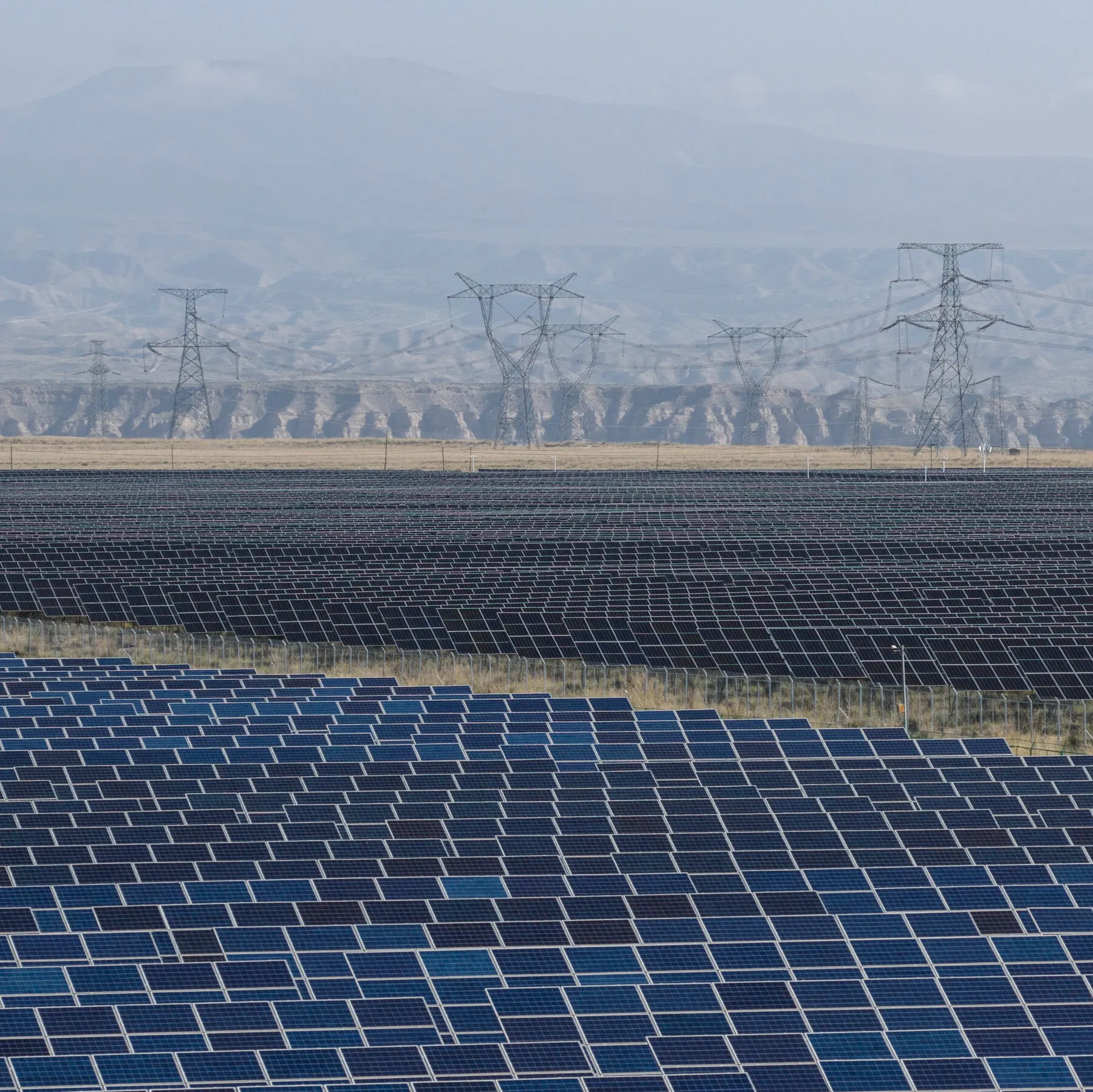
气候谈判新推动:为世界铺设电网 战争挤压全球石油天然气供应,COP31领导人支持一项将效仿中国快速电网扩张的计划。
There’s a New Push at Climate Talks: Wire the World for Electricity With war squeezing global oil and gas supplies, leaders at COP31 are backing a plan that would mirror China’s rapid grid expansion.
如果今年联合国气候大会的领导人实现其主要目标之一,各国将围绕一项扩大电力覆盖范围的新全球目标团结一致。其含义是:世界其他地区将不得不更多地像中国一样。
If the leaders of this year’s United Nations climate conference achieve one of their big goals, countries will rally behind a new global target on expanding the reach of electric power. The implication: The rest of the world will have to look a lot more like China.
在过去二十年里,中国已超越其他工业化国家,建设了特高压输电线路,建成了世界上最大的高铁系统,并让电动汽车充斥道路。它有时被称为第一个“电力国家”。
Over the past two decades, China has raced ahead of other industrialized countries, building ultrahigh-voltage power lines, constructing the world’s largest high-speed rail system and filling its roads with electric vehicles. It is sometimes called the first electrostate.
与此同时,西方国家和非洲国家的电气化程度与一代人前相比几乎没有提高。
At the same time, countries across the West and in Africa are scarcely more electrified than they were a generation ago.
这种差距是今年被称为COP31的气候大会致力改变的问题之一。大会领导人表示,这种转变非常适合美国在伊朗的战争掐住全球石油天然气供应的这一年。
That disparity is one of the things the climate conference, known this year as COP31, is campaigning to change. The event’s leaders say the shift is well-suited for a year when the United States’ war in Iran has pinched the global oil and gas supply.
“电气化是答案,”主持在土耳其安塔利亚举行的为期12天会议的土耳其环境部长穆拉特·库鲁姆说。“现在每个人都明白,必须进口的能源是你无法控制的能源。” 电气化涉及用电力替代直接燃烧化石燃料的技术。例如,用电动汽车取代燃油车,用热泵取代燃油炉。这也意味着为工厂寻找产生蒸汽和高温热能的电力替代方案。
“Electrification is the answer,” said Murat Kurum, the Turkish environment minister, who is leading the 12-day conference in Antalya, Turkey. “Everyone now understands that energy that you must import is energy that you do not control.”Electrification involves replacing technologies that directly burn fossil fuels. That means swapping gas-powered vehicles for E.V.s, for instance, and trading oil-fired furnaces for heat pumps. It also entails looking for electric alternatives to generate the steam and intense heat needed by factories.