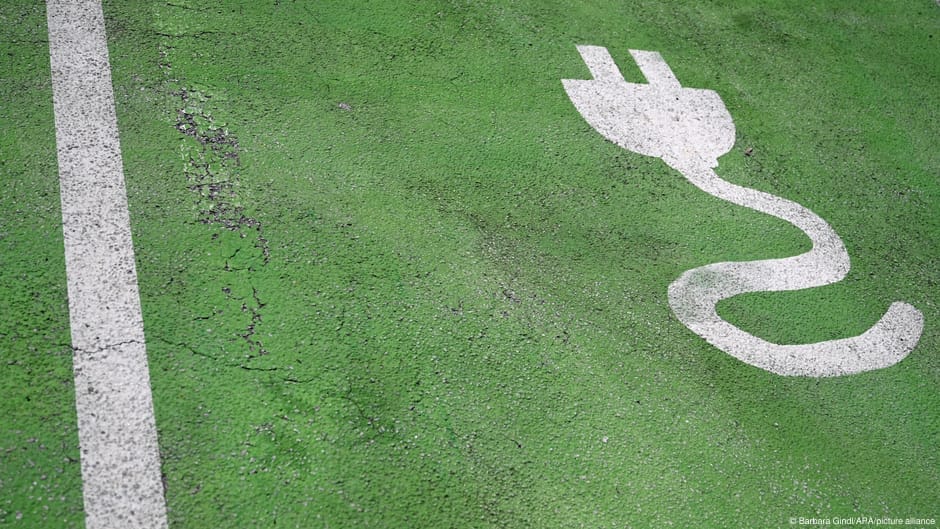
电气化不仅是一个流行词,它还是一个杠杆,可以在减少世界对煤炭、石油和天然气依赖的同时,大幅削减能源账单。这也意味着大幅削减与全球洪水和极端高温息息相关的吸热二氧化碳排放。
Electrification isn't just a buzzword, it's a lever that could slash energy bills while reducing the world's dependency on coal, oil and gas. Which also means significantly slashing the heat-trapping CO2 emissions that are linked to flooding and extreme heat around the world.
如果燃料进口国“大幅加速其经济电气化”,到2035年,其能源进口账单可能比2025年的水平减少逾4000亿美元(约合3570亿欧元)。
If fuel-importing countries "speed up the electrification of their economies considerably" they could knock more than $400 billion (€357 billion) off their energy import bills by 2035 compared with 2025 levels.
这是国际能源署(IEA)近期一项分析得出的结论。该分析还发现,这种加速可能意味着全球每天少需1800万桶石油。究竟什么是电气化?
That is according to a recent analysis by the International Energy Agency (IEA), which also found that such an acceleration could mean the world needs 18 million fewer barrels of oil per day. What exactly is electrification?
简而言之,电气化是指用电力替代品取代燃烧石油和天然气等化石燃料的技术。这意味着从柴油车转向电动汽车,关闭燃气供暖并使用电力驱动热泵。
In a nutshell, electrification means replacing technologies that burn fossil fuels such as oil and gas with electric alternatives. That means switching from diesel cars to electric vehicles (EVs), turning off gas heating and using electricity to power heat pumps.
但运行这些设备的电力生成方式同样重要。理论上,使用煤炭比例较高的电网产生的电力,其电动汽车对气候的负面影响可能比燃气汽车更糟。
But the way the electricity running these things is generated is also important. In theory, an EV using power created in a coal-heavy electricity grid could be worse for the climate than a car running on gas.
另一方面,源自太阳能、风能、水能等可再生能源的电力则能产生清洁能源。
Electricity derived from renewable energy sources such as solar wind hydropower on the other hand produces clean power.
各国如何跳过200年的碳排放 要观看此视频,以及我们在全球电气化方面目前处于什么位置?
How countries are skipping 200 years of carbon emissions To view this video, and Where are we right now with global electrification?
蓬勃发展的电动汽车市场是增长最快的电气化领域。在全球范围内,2025年售出的汽车中四分之一是电动汽车,自2020年以来,国际销量增长了近600%。
The booming EV market is the fastest-growing electrification sector. Globally, one in four cars sold in 2025 was electric and since 2020, international sales have increased by almost 600%.
尽管如此,在更广泛的全球经济中,电力仅占最终能源使用的约20%,其中包括企业、工厂和人们家中使用的能源。
Nonetheless, electricity only covers about 20% of final energy use in the wider global economy, including that used in businesses, factories and people's homes.
如果我们想避免失控的变暖以及与更热气候相关的更强烈、更极端的极端天气事件,到2050年,电力需要供应所有能源的一半以上。我们能电气化的东西有什么局限性吗?
It would need to supply more than half of all power by 2050 if we are to avoid runaway heating and the more intense and extreme weather events connected to a hotter climate. Are there any limitations to what we can electrify?
某些行业和活动比其他行业更难实现电气化。虽然转向电动汽车和建筑脱碳相对容易,但石化和钢铁等一些行业将化石燃料作为制造塑料、化肥、洗涤剂或钢铁等产品的原料。
Some industries and activities are harder to electrify than others. While it's relatively easy to switch to EVs and decarbonize buildings, some industries such as petrochemicals and steel use fossil fuels as raw materials to make products like plastics, fertilizer, detergent or steel.
此外,虽然热泵非常适合低温需求,但它们无法替代钢铁制造或水泥生产所需的温度。
In addition, while heat pumps work well for low-temperature needs, they can't replace the temperatures needed in steelmaking or cement production.
独立研究机构世界资源研究所建议,在远洋航运和航空等情况下,氢能、合成燃料或其他低碳替代品是比电气化更可行的选择。航空业能变得更具可持续性吗?电气化的好处是什么?
Independent research organization the World Resources Institute recommends hydrogen, synthetic fuels or other low-carbon alternatives as more viable options than electrification in cases such as ocean shipping and aviation. Can aviation become more sustainable? What are the benefits of electrification?
除了减少温室气体排放从而净化空气并限制全球变暖之外,从长远来看,电气化也更高效、更便宜。
In addition to cutting down on greenhouse gas emissions resulting in cleaner air and limiting global heating, electrification is also more efficient and cheaper in the long run.
汽车中的内燃机会浪费高达80%的燃料能量,其中大部分转化为热量。只有大约20%转化为实际移动汽车的动力。另一方面,电动机将大约80%的电能转化为动能。
A combustion engine in a car wastes as much as 80% of its fuel's energy, mostly to turn it into heat. Only about 20% is converted to actually move the car. Electric motors, on the other hand, convert about 80% of electrical energy into motion.
正如世界资源研究所指出的那样,用电力运行所有家电将增加电力消耗。然而,即使电费变得更贵,总能源成本也可能会降低。电气化面临什么挑战吗?
As the World Resources Institute points out, running all appliances on electricity will increase electricity consumption. Yet total energy costs are likely to be lower, even if electricity becomes more expensive. Any challenges to electrification?
由于人工智能数据中心的快速扩张以及向全面电气化世界的整体转变导致电力需求增长,不堪重负的电网难以跟上步伐。这日益阻碍了能源转型,延缓了额外可再生能源发电、储能容量以及电气化需求的推广。
As electricity needs grow due to the rapid expansion of AI data centers and the overall shift to a more electrified world, outpaced grids struggle to keep up. This is increasingly holding back the energy transition, delaying the rollout of additional renewable generation, storage capacity, and electrified demand.
国际能源署表示,到2030年,年度电网投资必须在目前400亿美元的基础上增加约50%。
According to the IEA, annual grid investment has to increase about 50% by 2030 from today's $400 billion.
建立新电网基础设施所需的时间(5至15年)与可再生能源项目(1至5年)和电动汽车充电基础设施(1至2年)相比,也存在巨大的时间错配。
There's also a major mismatch between how long it takes to set up new grid infrastructure (5 to 15 years), compared to renewable energy projects (1 to 5 years), and EV charging infrastructure (1 to 2 years).
专家表示,我们需要更聪明的电网,在支持电力双向流动的同时,保持安全、稳定,并能够随着电气化的加剧跟上更高的需求。
Experts say we need smarter grids that support a two-way flow of electricity while remaining secure, stable and able to keep up with higher demand as electrification intensifies.