油价维持涨势,此前美国总统唐纳德·特朗普表示美国可以放弃与伊朗达成协议,令结束扰乱中东供应的战争取得突破的前景蒙上阴影。
Oil held a gain after President Donald Trump said the US could forgo a deal with Iran, dimming prospects for a breakthrough to end the war that has roiled Middle East supplies.
西德克萨斯中质原油(WTI)交易价格低于每桶89美元,周四上涨2.6%后回落;布伦特原油结算价在96美元左右。特朗普指示副总统JD·万斯专注于国内事务,而非与德黑兰谈判,给正在进行的幕后谈判泼了冷水,削弱了通过外交手段解决战争的前景。
West Texas Intermediate traded below $89 a barrel, after adding 2.6% on Thursday, while Brent settled around $96. Trump instructed Vice President JD Vance to focus on domestic issues rather than negotiations with Tehran, throwing cold water on ongoing back channel talks and dampening prospects for a diplomatic resolution to the war.
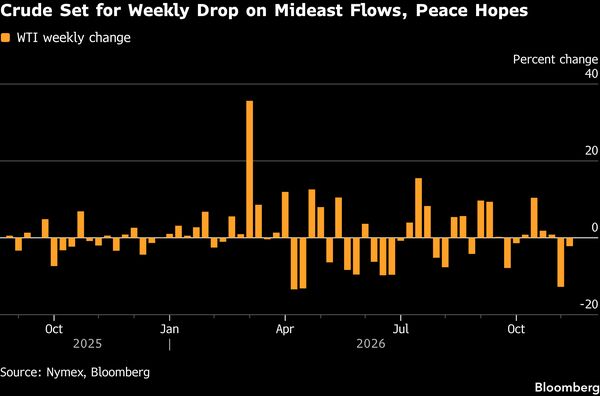
“我们不需要与伊朗达成协议,”总统周四在Truth Social发文写道。“那些日子早已一去不复返。我们掌握着他们的钱,数千亿美元,我们还掌握着他们的海峡!”全球基准布伦特原油有望录得第二周下跌,此前10月底触及六个月高位,随后因中东石油流量增加以及美国中期选举民主党获胜将加速结束与伊朗冲突的希望而回落。期货价格今年以来仍累计上涨近60%。
“We don’t need a deal with Iran,” the president wrote in a post on Truth Social on Thursday. “Those days have long since passed. We’ve got their money, hundreds of billions of dollars, and we’ve got their strait!”Global benchmark Brent is set for a second weekly decline after hitting a six-month high at the end of October, driven lower by an increase in Middle East flows and hopes that the Democrats’ victory in the US midterm elections would hasten an end to the conflict with Iran. Futures are still up almost 60% this year.
中东局势持续升温。据风险咨询公司Verisk Maplecroft统计,10月波斯湾、霍尔木兹海峡和阿曼湾共发生36起经证实的商船袭击事件,为战争爆发以来单月最高纪录。
Flareups have persisted in the Middle East. There were 36 confirmed attacks on commercial ships in the Persian Gulf, Strait of Hormuz and Gulf of Oman in October, the highest monthly total since the war began, according to risk consultant Verisk Maplecroft.
“霍尔木兹海峡仍是一个重大担忧,商业航运持续遭袭,能源基础设施受到破坏,”经纪公司Snapper Creek Energy的创始人、董事长兼首席执行官西德·珀金斯说。“当你把这些实物供应风险与华盛顿更具对抗性的基调结合起来时,市场就有理由将一些地缘政治风险溢价重新计入原油价格。” 区域外的信号好坏参半。在一个利空信号中,政府数据显示,上周美国原油和成品油库存上升,炼厂开工率攀升至季节性纪录。然而,乌克兰继续袭击俄罗斯工厂,可能会收紧全球燃料供应。
“The Strait of Hormuz remains a significant concern, with continued attacks on commercial shipping and disruption to energy infrastructure,” said Sid Perkins, founder, chairman and chief executive officer of Snapper Creek Energy, a brokerage. “When you combine those physical supply risks with a more confrontational tone from Washington, the market has a reason to put some geopolitical risk premium back into crude.”Signals outside the region are mixed. In a bearish sign, US inventories of crude and oil products rose last week and refinery runs rose climbed to a seasonal record, government data showed on Thursday. However, Ukraine continued its attacks on Russian plants, potentially squeezing global fuel supplies.