
在2024年大选中,年轻选民,尤其是年轻男性,以惊人的高比例支持共和党和总统唐纳德·特朗普,引发了这样一个问题:在自由派的千禧一代之后,Z世代是否拥有令人惊讶的保守倾向。但在2026年,年轻选民大批回流民主党——并在关键摇摆州扭转共和党参议院席位方面发挥了关键作用。
In the 2024 election, young voters, particularly young men, supported the GOP and President Donald Trump at shockingly high rates, raising the question of whether Generation Z possessed surprisingly conservative tendencies in the wake of the liberal millennial generation. But in 2026, young voters swung back toward the Democratic Party in droves — and played a key role in flipping Republican Senate seats in battleground states.
Z世代悄悄亲特朗普(MAGA)的说法已经站不住脚。但这并不意味着民主党已将他们锁定。现实是,这一群体很可能仍处于两党争夺之中。
The narrative that Gen Z is quietly MAGA-friendly has crumbled. But that doesn’t mean Democrats have locked them in. The reality is that this cohort probably remains up for grabs by both parties.
塔夫茨大学公民学习与参与信息研究中心分析了初步选民数据,发现上周估计有66%的30岁以下选民支持民主党众议院候选人,而31%投票给共和党。这一差距远大于2024年,当时年轻选民以56%对42%支持民主党。
Tufts University’s Center for Information & Research on Civic Learning and Engagement analyzed preliminary voter data and found that an estimated 66% of voters under 30 backed Democratic House candidates last week, while 31% voted for Republicans. That’s a much bigger margin than in 2024, when young voters broke for Democrats 56% to 42%.
当观察年轻男性如何从支持特朗普转为谴责他时,这种差异尤为明显。正如哈佛大学肯尼迪学院政治研究所民调主任约翰·德拉·沃尔佩近日指出的,初步《纽约时报》数据显示,30岁以下男性以62%对36%支持民主党众议院候选人。回溯2024年,他们以55%对41%更倾向于特朗普而非民主党总统候选人卡马拉·哈里斯。
The difference is especially stark when you look at how young men went from favoring Trump to rebuking him. As John Della Volpe, the director of polling at the Harvard Kennedy School Institute of Politics, recently pointed out, preliminary New York Times data shows that men under 30 backed House Democrats 62% to 36%. Back in 2024, they preferred Trump over Democratic presidential candidate Kamala Harris 55% to 41%.
德拉·沃尔佩周一在MSNBC《早安乔》节目中表示:“在整个选民群体中,没有哪个群体的转变比年轻男性更大。”值得注意的是,这似乎适用于不同教育程度——这是当今政治中预测党派归属的关键指标。“没有大学学位的年轻男性支持民主党的可能性,与拥有大学学位的年轻男性大致相当,”他说。
“No group switched more than young men in the entire electorate,” Della Volpe said on Monday during an appearance on MS NOW’s “Morning Joe.”Notably, it seems to hold true at different levels of education — a crucial predictor of party affiliation in politics today. “Younger men without a college degree are about as likely to support Democrats as young men with a college degree,” he said.
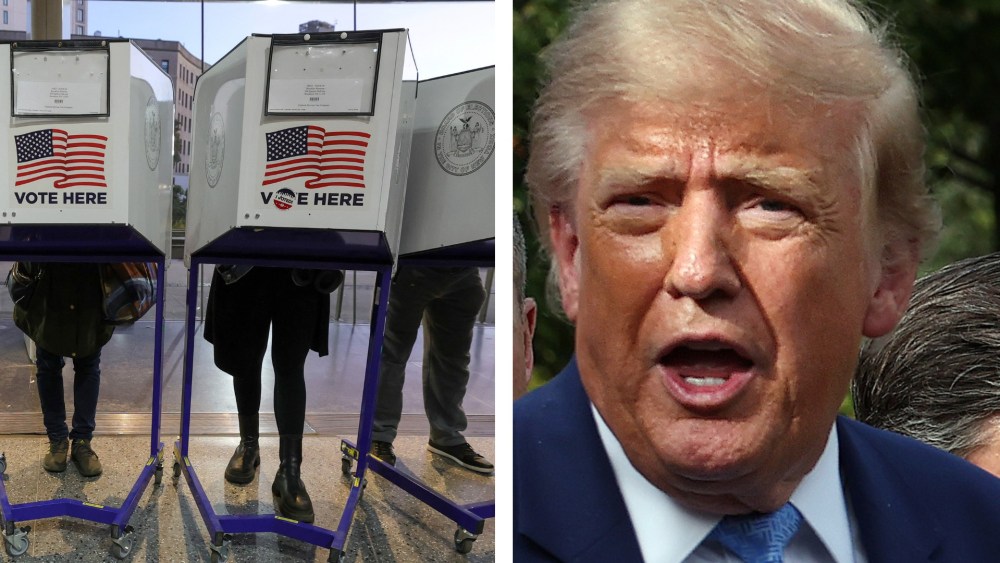
年轻选民是扭转多个参议院席位从红变蓝的联盟中的关键部分。在密西西比州——斯科特·科洛姆以极微弱优势获胜的地方——令人惊讶的是,76%的30岁以下选民投了他的票。正如斯坦福大学政治学家亚当·博尼卡在Bluesky上所观察到的,参议院席位易手的州,包括北卡罗来纳州、得克萨斯州、南卡罗来纳州和俄亥俄州,值得注意的是,这些州的30岁以下选民支持民主党候选人的比例(62%或更高)明显高于可靠的蓝州俄勒冈州(55%)。
Young voters were a key part of the coalition that flipped several Senate seats from red to blue. In Mississippi — where Scott Colom won by a razor-thin margin, an astonishing 76% of voters under 30 voted for him. As Stanford University political scientist Adam Bonica observed on Bluesky, the states where Senate seats changed party control, including North Carolina, Texas, South Carolina and Ohio, notably all showed under 30 voters breaking for Democratic candidates at a considerably higher rate (62% or higher) than the reliably blue state of Oregon (55%).
在一场显示出半个世纪以来对执政党最全面不满的选举中,此前对特朗普持开放或友好态度地区的年轻选民大声表达了他们对其第二个任务期的拒绝。
In an election that showed the most comprehensive disapproval of an incumbent party in half a century, young voters in areas previously open to or friendly to Trump voiced their rejection of his second term loudly.
这种摇摆的迹象在选举日前就已显现。正如 Vox 的安德鲁·普罗科普在选举前报道的那样:“这种摇摆——以及前特朗普支持者感到的背叛和失望——在年轻人中尤为显著。”他指出,皮尤研究中心 10 月发布的一项民调发现,“在 19 至 34 岁、投票给特朗普而非卡马拉·哈里斯的人群中,只有 49% 认可他作为总统的工作表现”,同时指出,“相比之下,在 50 岁及以上的特朗普 2024 年选民中,约 75% 仍然认可他。”
There were signs of this swing bubbling up before Election Day. As Vox’s Andrew Prokop reported ahead of the election, “The swings — and the feelings of betrayal and disappointment among prior Trump supporters — have been particularly dramatic among the young.”He pointed to a Pew Research poll released in October that found that “of people aged 19–34 who voted for Trump over Kamala Harris, only 49% approve of his job performance as president,” while noting, “In contrast, among Trump 2024 voters aged 50 and above, about 75% still approve of him.”
为民主党倾向的 Navigator Research 公司开展焦点小组的蒂娜·唐告诉 Vox,许多“后悔投票给特朗普的人”对特朗普在经济方面违背承诺感到失望。“我们这次从年轻选民那里听到的最大挫败感之一:对就业市场的挫败感,”唐说。“我们听到很多关于他承诺了很多事情;他承诺经济会好转,成本会下降,会有更多工作机会。”民调数字的历史表明,2024 年对 Z 世代而言可能更像是一次回归,因为 30 岁以下选民似乎正回到 2022 年和 2023 年民调中出现的对民主党的明显偏好。
Tina Tang, who conducts focus groups for the Democratic-aligned firm Navigator Research, told Vox that many of those “Trump regretters” were disappointed with Trump’s broken promises on the economy. “[O]ne of the biggest frustrations we heard from young voters this time around: frustration with the job market,” Tang said. “We hear a lot about how he promised a lot of things; he promised the economy was going to get better, that costs were going to come down, that there would be more jobs.”The history of polling numbers suggests that 2024 might have been more of an for Gen Z, insofar as voters under 30 seem to be returning to a pronounced preference for Democrats that appeared in polling back in 2022 and 2023.
但更审慎的立场或许是等待观察 2028 年及以后的情况,然后再对他们的长期倾向下任何定论。毕竟,与同龄的前几代人相比,Z 世代更倾向于认同自己为独立选民。他们成长于对政治体制极度不信任的时代。过去十年里,他们见证选民在不受欢迎的总统候选人之间做选择,胜者仅以微弱优势险胜。他们目睹两党都谈论解决生活成本危机 —— 却未能有效应对。许多 Z 世代选民似乎仍缺乏关于将信任托付给何方的坚定信念,这并不令人意外。
But the more prudent position might be to wait and see what happens in 2028 and beyond before coming to any definitive conclusions about their long-term leanings. After all, Gen Z is disproportionately likely to identify as independent compared to previous generational cohorts at the same age. They’ve come of age at a time of extraordinary mistrust in the political system. They’ve seen the electorate choose between unpopular presidential candidates who only narrowly prevailed over one another for the past decade. They’ve watched both parties talk about addressing the cost-of-living crisis — while failing to effectively tackle it. It’s not surprising that many of them still seem to lack convictions about where to place their trust.
但有一点似乎很清楚:谁能说服他们 —— 并兑现承诺,大幅改善劳动者的经济前景,谁就最有机会将这一关键投票群体锁定在自己的阵营。
But one thing appears clear: Whoever can persuade them — and then — on promises to substantially improve economic prospects for working people has the best chance of locking this crucial voting bloc into their party.