台湾副数字部长侯怡君周日表示,前英伟达首席执行官黄仁勋的丑闻在其家乡台湾引发了一阵悲伤。
The scandal surrounding former Nvidia CEO Jensen Huang has sparked a wave of sadness in his native Taiwan, the island’s deputy digital minister said Sunday.
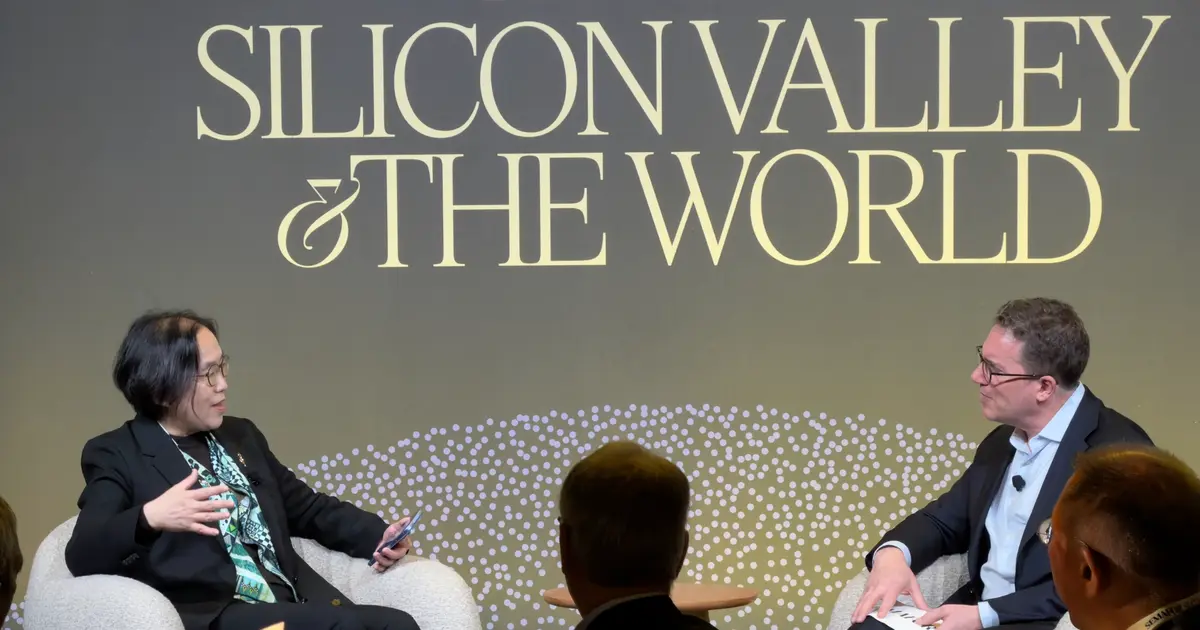
侯怡君在 Semafor 举办的 “硅谷与世界” 活动上表示,黄仁勋与台湾科技公司关系密切,每年都会与他们会面。
Huang had a close relationship with Taiwanese tech companies, meeting with them every year, Isabel Hou said at Semafor’s Silicon Valley & the World.
“这种关系非常私人化,” 她对 Semafor 主编本·史密斯说。”我认为供应链领导者担心这种信任如何能够被取代。这将很艰难。” 这些联系超越了商业范畴:侯怡君引用《纽约时报》的一篇文章,文中黄仁勋的长期发型师承认,在黄仁勋辞职后,他因过度难过而无法入睡,喝了一瓶红酒,并为这位前芯片首席执行官祈祷。“我们感到悲伤,” 她补充道。
“The relationship is very personal,” she told Semafor Editor-in-Chief Ben Smith. “The supply chain leaders, I think, were concerned about how this kind of trust can be replaced. It will be tough.”Those ties went beyond business: Hou referenced a New York Times article in which Huang’s longtime hairstylist admitted he was too upset to sleep, drank a bottle of red wine, and prayed for the former chip CEO after his resignation. “We feel sad,” she added.
英伟达的风波助长了华盛顿收紧芯片出口管制的呼声,鉴于黄仁勋多年来游说向中国出售芯片,以及他与一名中国女商人有染、而美国官员怀疑该女子为北京从事间谍活动的揭露。美国当局正在调查该女子曾领导的 Megaspeed 公司是否将英伟达芯片走私至中国。总部位于新加坡的 Megaspeed 否认了这些指控。
The Nvidia ordeal has fueled calls in Washington for tighter chip export controls, given Huang’s years of lobbying to sell chips to China, and the revelation that he had an affair with a Chinese businesswoman whom US officials suspect spying for Beijing. US authorities are probing whether Megaspeed, the company the woman formerly led, smuggled Nvidia chips to China. Singapore-based Megaspeed has denied the allegations.
两党美国议员都推动实施更严格的出口限制,民主党人已就特朗普政府批准英伟达向中国销售 H200 芯片一事展开调查。
US lawmakers from both parties have pushed for tougher export restrictions, and Democrats have opened an inquiry into the Trump administration’s approval of Nvidia’s H200 chip sales to China.
台北一直在使其出口管制政策与美国保持一致。侯怡君表示,台湾人不希望前沿芯片流向中国,因为这些芯片可能最终用于针对台湾的军事装备。她念出了由幕僚准备的一段话,呼吁制定 “精准、可预测、并与伙伴协调一致” 的政策。
Taipei has been aligning its export control policy with the US. Hou said Taiwanese don’t want frontier chips going to China, where they could end up in military equipment aimed at the island. Reading a line prepared by her staff, she called for a policy that’s “precise, predictable, and coordinated with partners.”
侯怡君说,中国曾是台湾对外投资的绝大多数去向,如今吸引的投资不到 1%,因为企业纷纷拓展别处,许多在美国。特别是在人工智能领域,台湾需要 “可信赖的伙伴”。
China, once the destination for the vast majority of Taiwan’s outbound investment, now draws less than 1%, Hou said, as companies expand elsewhere, many in the US. In AI especially, Taiwan needs “trusted partners.”— J.D. Capelouto