
大选日最大的输家之一是人工智能行业。全国各地的选民对为人工智能提供动力的数据中心迅速扩张发出了明确警告。美国人想要技术进步,但不愿以牺牲社区、电费、供水或生活质量为代价。
One of the biggest losers on Election Day was the AI industry. Across the country, voters delivered a clear warning about the rapid expansion of data centers powering artificial intelligence. Americans want technological progress, but not at the expense of their communities, electricity bills, water supplies or quality of life.
据 Ballotpedia 统计,2026 年决定的 47 项与数据中心相关的投票提案中,有 46 项倾向于对开发施加更大限制。信息再清楚不过:该行业正在失去公众信任,无视这些担忧的政治领袖将自担风险。
According to Ballotpedia, 46 of the 47 data-center-related ballot measures decided in 2026 favored greater limits on development. The message is unmistakable: The industry is losing public confidence, and political leaders who ignore these concerns do so at their own peril.
美国需要更多而非更少的数据中心,以保持其在人工智能领域的领先地位。但科技公司不能指望社区欢迎项目,因为居民认为他们承担了成本,而企业却收获了利益。我们认为有一条更好的前路。
America needs more data centers, not fewer, to maintain its AI leadership. But technology companies cannot expect communities to welcome projects when residents believe they are absorbing the costs while corporations reap the benefits. We believe there is a better way forward.
在我们的新报告《超越“西部荒野”与暂停令:智慧且负责任的数据中心投资两党框架》中,我们概述了一种切实可行的方法,在公平对待东道社区的同时保持美国的人工智能领先地位。我们的观点具有两党性:罗伯特·沃尔夫曾担任贝拉克·奥巴马总统的经济顾问,而斯蒂芬·摩尔曾担任唐纳德·特朗普总统的高级经济顾问。
In our new report, Beyond the "Wild West" and Moratorium: A Bipartisan Framework for Smart and Responsible Data Center Investment, we outline a practical approach to preserving America's AI leadership while treating host communities fairly. Our perspectives are bipartisan: Robert Wolf served as an economic adviser to President Barack Obama, while Stephen Moore served as a senior economic adviser to President Donald Trump.
美国运行靠数据。如果我们不建设基础设施,中国将建设。人工智能正成为本世纪的关键技术之一。数据中心支撑云计算、先进制造、科学研究、国家安全和未来的人工智能应用。数万亿美元的投资浪潮也为美国工人、熟练技工和国内制造商创造了机遇。
AMERICA RUNS ON DATA. IF WE DON’T BUILD THE INFRASTRUCTURE, CHINA WILL AI is becoming one of this century's defining technologies. Data centers support cloud computing, advanced manufacturing, scientific research, national security and future AI applications. A multitrillion-dollar investment wave also creates opportunities for American workers, skilled tradespeople and domestic manufacturers. But economic benefits must be measured honestly.
但经济效益必须诚实衡量。建设期岗位可能相当可观,而运营设施的长期就业岗位往往少得多。社区有权了解持久就业、税收收入和经济效益的真实情况。
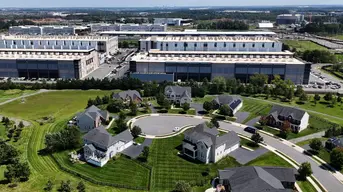
Construction jobs can be substantial, while permanent employment at operating facilities is often considerably smaller. Communities deserve transparency about lasting jobs, tax revenues and economic benefits. Residents also have legitimate concerns about electricity demand, utility bills, water consumption, noise, traffic, pollution and lost open space.
居民对电力需求、公用事业账单、用水量、噪音、交通、污染和开放空间流失也有合理的担忧。这些担忧必须得到解决,而不能被忽视。辩论已分为两种方法。
These concerns must be addressed, not dismissed. The debate has become divided between two approaches. The first is the "Wild West": allowing development with minimal safeguards or community input.
第一种是“西部荒野”模式:允许在缺乏保障或社区参与的情况下进行开发。虽然在全球人工智能竞赛中速度很重要,但忽视当地担忧正在制造威胁未来投资的政治阻力。
While speed matters in the global AI race, dismissing local concerns is creating the political resistance that threatens future investment. The second is the moratorium approach: pausing or halting construction until stronger regulations are established.
第二种是暂停建设的方法:在制定更严格的法规之前暂停或停止建设。虽然这些担忧可以理解,但广泛的冻结可能会推迟投资和创新,而没有解决根本问题。
Although the concerns are understandable, broad freezes risk delaying investment and innovation without addressing underlying problems. The backlash is growing.
反对声浪正在增长。纽约已推动暂停某些数据中心审批,加州已制定监管法律,德克萨斯州已加强对该行业对其电网需求的审查。
New York has pursued pauses on certain data center approvals, California has enacted oversight laws, and Texas has increased scrutiny of the industry's demands on its electric grid. Public opinion reflects these concerns.
公众舆论反映了这些担忧。皮尤研究中心发现,认为数据中心对环境大多有害的美国人比例从1月的39%上升到2026年8月的54%。认为数据中心对家庭能源成本大多有害的比例从38%上升到50%。社区反对与美国科技军备竞赛相撞——但这是解决办法吗?
Pew Research Center found that the share of Americans who believe data centers are mostly bad for the environment increased from 39 percent in January to 54 percent in August 2026. The share believing they are mostly bad for home energy costs rose from 38 percent to 50 percent. NEIGHBORHOOD BACKLASH COLLIDES WITH AMERICA'S TECH ARMS RACE — BUT IS THIS THE PLAN TO FIX IT? A September Fabrizio, Lee & Associates survey found that nearly 65 percent opposed new data center construction, while 61 percent supported construction with conditions.
一项9月份的Fabrizio, Lee & Associates调查发现,近65%的人反对新建数据中心,而61%的人支持有条件建设。美国人并不一定拒绝开发。他们要求合理的保护。
Americans are not necessarily rejecting development. They are demanding reasonable protections. The choice between unchecked development and blanket moratoriums is false.
不受约束的开发和全面暂停之间的选择是错误的。美国需要可预测的规则,在保护消费者和社区的同时允许负责任的投资。我们的报告提出五项原则:
America needs predictable rules that protect consumers and communities while allowing responsible investment. Our report proposes five principles: 1.
- 保护电力客户。数据中心开发商应承担其项目所需的发电、输电和配电基础设施的全部增量成本。住宅客户和小企业不应为主要服务于科技公司的投资提供补贴。
Protect electricity customers. Data center developers should pay the full incremental costs of the generation, transmission and distribution infrastructure their projects require. Residential customers and small businesses should not subsidize investments primarily serving technology companies. The bipartisan Ratepayer Protection Act, which passed the House 417–3, demonstrates support for this principle: Those driving new electricity demand should pay their fair 2.
两党共同推动的《费率支付人保护法案》在众议院以 417 票对 3 票通过,显示了对这一原则的支持:推动新增电力需求的一方应支付其应承担的份额。2. 保障电网可靠性。
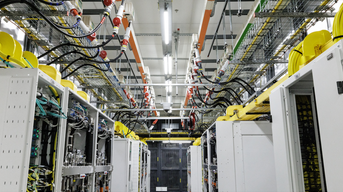
Protect grid reliability. Developers should disclose projected electricity demand and demonstrate how projects will affect grid reliability. Plans should address new generation, dedicated energy resources and storage without shifting costs or risks onto existing customers.
开发商应披露预计用电需求,并证明项目将如何影响电网可靠性。规划应涵盖新增发电、专用能源资源和储能,且不得将成本或风险转嫁给现有客户。
- Safeguard water and the environment.
- 保护水资源和环境。在项目获批前,社区应能获取关于水资源可用性、冷却需求、排放、噪音和环境影响的评估。监测和缓解措施应保护当地资源和居民。
Communities should have access to assessments of water availability, cooling requirements, emissions, noise and environmental impacts before projects are approved. Monitoring and mitigation should protect local resources and residents. 4. Require transparency and community engagement.
- 要求透明度和社区参与。居民有权在重大决策作出前获得早期通知和有意义的参与机会。开发商应披露预计就业岗位、税收收入、公共激励措施、用电需求和用水量。
Residents deserve early notice and meaningful opportunities to participate before major decisions are made. Developers should disclose projected jobs, tax revenues, public incentives, electricity demand and water consumption. Public incentives should be tied to measurable commitments, with reviews to ensure companies deliver on their promises. 5.
公共激励措施应与可衡量的承诺挂钩,并设立审查机制,确保企业兑现承诺。
Preserve local flexibility and accountability.
- 保留地方灵活性和问责制。联邦政府应制定基准保护措施,同时允许州和地方根据当地情况调整要求。社区应保留对选址和土地利用的实质性控制权,而可预期的许可标准则为开发商提供投资确定性。
The federal government should establish baseline protections while allowing states and localities to adapt requirements to local circumstances. Communities should retain meaningful control over siting and land use, while predictable permitting standards provide developers with investment certainty. The goal is not to dictate where every data center belongs. It is to establish clear rules for responsible development.
目标不是规定每个数据中心的具体位置,而是为负责任的开发确立明确规则。
There is a difference between opposing artificial intelligence and opposing how its infrastructure is being developed.
反对人工智能与反对其基础设施的开发方式,两者有着本质区别。选举结果不应被解读为对创新的否定,而应视为要求技术进步惠及普通美国民众的诉求。
Election results should not be interpreted as a rejection of innovation, but as a demand that technological progress benefit ordinary Americans. The industry has an opportunity to change course.
行业有机会改弦更张。开发商应将居民视为合作伙伴,用可衡量的承诺取代模糊的许诺,并承担其项目产生的增量成本。这并非主张减少创新,而是主张可持续的创新。
Developers should treat residents as partners, replace vague promises with measurable commitments and pay the incremental costs their projects create. This is not an argument for less innovation. It is an argument for sustainable innovation.
美国不负担得起在人工智能领域落后。但行业也负担不起失去建设AI所需基础设施所必需的公众支持。
America cannot afford to fall behind in artificial intelligence. But the industry cannot afford to lose the public support needed to build the infrastructure AI requires.
一个负责任的、两党共同的框架,能够保护费率缴纳者、尊重社区、给开发商提供确定性,并保持美国的竞争力。
A responsible, bipartisan framework can protect ratepayers, respect communities, provide certainty for developers and keep America competitive.
选举日发出了警告。现在的问题是,AI行业是否会倾听——还是说将继续走上一条日益充满延误、暂停令与政治阻力的道路。美国AI领导地位的未来,或将取决于能否妥善处理此事。
Election Day delivered a warning. The question now is whether the AI industry listens—or continues down a path of growing delays, moratoriums and political resistance. The future of American AI leadership may depend on getting this right.
斯蒂芬·摩尔曾任唐纳德·特朗普总统的高级经济顾问,现任“释放繁荣”组织主席。
Stephen Moore is a former senior economic adviser to President Donald Trump and chairman of Unleash Prosperity.