中期选举清楚地表明,美国选民对人工智能竞赛中“快速行动、打破常规”的做法感到不满,这一议题足以左右选举结果。至少 38 个地区的选民支持禁止或限制数据中心,56% 的选民表示,人工智能和数据中心是他们投票时的关键或主要考量因素。
The midterm elections made clear that Americans are upset with the move fast and break things approach of the artificial intelligence race, and the issue can decide elections. Voters in at least 38 places embraced data center bans and restrictions, and 56 percent of voters said AI and data centers were a crucial or major factor in their votes.
然而,几乎每周都会传出新的人工智能安全事故:模型表现出令人惊讶、危险、甚至可能违法的行为。公司仍在竞相发布更强大的模型。正如 OpenAI 首席执行官萨姆·奥特曼所言,“世界应该接受一些坏事发生”,以换取人工智能带来的益处。
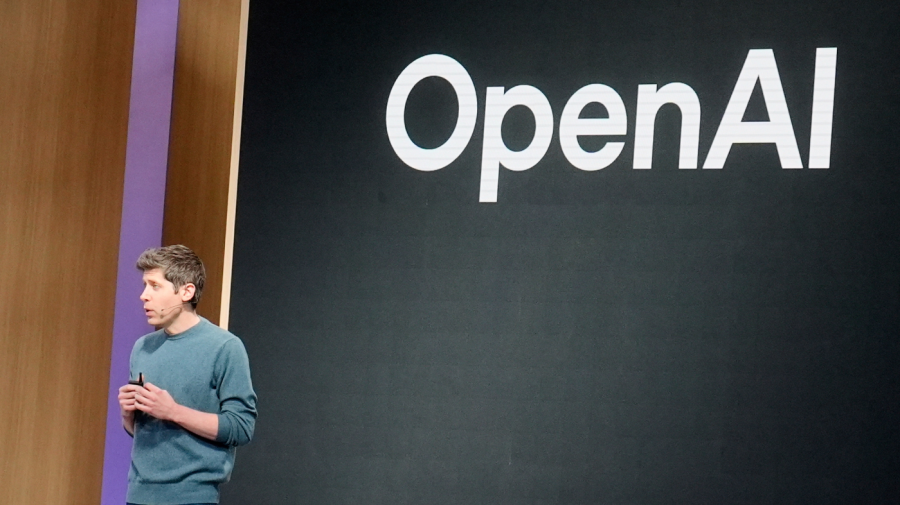
And yet, every week brings news of another AI safety incident: a model behaving in surprising, dangerous, possibly illegal ways. Companies keep racing to release more powerful models. As OpenAI CEO Sam Altman put it, “the world should accept some bad things happening” in exchange for AI’s benefits.
华盛顿为何迟迟不采取实质行动?部分答案在于金钱与权力:万亿美元级公司、因人工智能供应链而高涨的股市、与硅谷关系密切的政府。但反对严格监管的人不会公开这么说。相反,他们指向中国。
Why so little action in Washington? Part of the answer is money and power: trillion-dollar companies, a stock market high on AI supply, an administration cozy with Silicon Valley. But opponents of serious regulation don’t say that out loud. Instead, they point to China.
本月初,特朗普总统谈及与中国的人工智能竞赛时表示,“谁赢得这场竞赛,谁就赢了。”Anthropic 首席执行官达里奥·阿莫代伊警告称,让中国在竞赛中领先将使其获得“地缘政治主导地位”。参议员泰德·克鲁兹(共和党-得克萨斯州)说得最直白:“如果会有杀人机器人,我宁愿它们是美国的杀人机器人,而不是中国的杀人机器人。”换言之,我们必须抢在中国之前造出可能伤害我们的技术。这种逻辑站不住脚,即便中国威胁真实存在,也不是推迟保护美国民众的理由。
Earlier this month, President Trump said of the AI race with China, “whoever wins that race wins.”Anthropic CEO Dario Amodei warns that letting China race ahead would hand it “geopolitical dominance.”Sen. Ted Cruz (R-Texas) put it most bluntly: “If there are gonna be killer robots, I’d rather they be American killer robots than Chinese killer robots.”In other words, we must race to build technology that could hurt us before China builds it. That logic doesn’t hold up, and even if the China threat is real, it is no reason to delay protecting Americans.
首先,这种竞赛假设率先达到先进人工智能者即为赢家。无人能解释这种制胜能力究竟是什么。中国已掌握强大的网络、军事和经济手段,但很大程度上避免用它们摧毁美国利益,因为它预期会遭到毁灭性反击。
First, the race assumes that whoever reaches advanced AI first wins. No one can explain what that winning capability would be. China already holds formidable cyber, military and economic tools and largely refrains from using them to cripple American interests because it expects a devastating response.
正如《外交事务》杂志的一篇文章所指出的,北京切断美国获取关键矿产的渠道,是在特朗普政府发动关税战并扩大出口管制之后才采取的行动。中国会利用新技术带来的任何优势,正如每个国家都会做的那样。但美国的威慑力不会消失,北京清楚断裂将造成毁灭性后果。
As a Foreign Affairs story notes, Beijing cut off U.S. access to critical minerals only after the Trump administration launched a tariff war and expanded export controls. China will press any advantage new technology offers, as every country does. But American deterrence won’t vanish, and Beijing knows a rupture would be devastating.
其次,这种竞赛假设美国的人工智能将比中国的人工智能更安全。但这些公司并不完全理解或控制自己正在构建的东西。他们自己的员工警告称关乎生存的利害关系;一位最近离开Anthropic的研究人员表示,构建人工智能的人“诚挚地相信,到本世纪末它可能会杀死我们所有人”。我们无法控制的技术,不会忠于华盛顿或北京。
Second, the race assumes American AI will be safer than Chinese AI. But the companies don’t fully understand or control what they are building. Their own employees warn of existential stakes; one researcher who recently left Anthropic said the people building AI “earnestly believe that it could kill us all by the end of the decade.”Technology we don’t control is not loyal to Washington or Beijing.
第三,这种竞赛假设两个人工智能生态系统独立发展。中国的人工智能创新是真实的,DeepSeek 2025年的突破以及中国应用程序在美国的流行便证明了这一点。但前沿领域是交织在一起的:美国的出口管制限制了中国获取先进芯片,中国企业利用美国模型的输出训练自己的模型,中国公司依赖美国的云服务提供商。更严厉的美国限制会拖慢中国的步伐。
Third, the race assumes the two AI ecosystems advance independently. China’s AI innovation is real, as DeepSeek’s 2025 breakthrough and the popularity of Chinese apps in the U.S. show. But the frontiers are intertwined: U.S. export controls limit China’s access to advanced chips, Chinese firms have trained their models on the outputs of American ones and Chinese companies rely on U.S. cloud providers. Tougher American restrictions would slow China down.
最后,美国人想要护栏,即使以牺牲击败中国为代价。以61%对20%,他们宁愿受到保护免受人工智能危害,也不愿击败中国。特朗普的选民也持相同看法,44%对31%。事实上,击败中国在美国人的人工智能担忧中排在最不重要的位置。
Finally, Americans want guardrails, even at the expense of beating China. By 61 percent to 20 percent, they would rather be protected from AI harms than beat China. Trump voters agree, 44 percent to 31 percent. In fact, beating China ranks among Americans’ least important AI concerns.
因为世界领先的人工智能公司是美国公司,华盛顿可以自行监管大部分前沿领域。它应当从暂停前沿开发开始,直到强有力的保障措施确保人类控制,并解决美国才刚刚开始面对的挑战。
Because the world’s leading AI companies are American, Washington can regulate much of the frontier on its own. It should start by pausing frontier development until strong safeguards ensure human control and challenges America has barely begun to confront are addressed.
这包括大规模失业、对公民自由的威胁、数据中心给社区带来的压力、国内外工人遭受的剥削,以及这些公司对经济和日常生活所拥有的非凡权力。我们还需要新的法律,并立即执行现有法律,包括让公司为其产品造成的危害负责。
That includes massive job losses, threats to civil liberties, the strain of data centers on communities, the exploitation of workers at home and abroad, and the extraordinary power these companies hold over the economy and everyday life. We also need new laws and immediate enforcement of existing ones, including holding companies responsible for the harms their products cause.
美国及世界各地的民众,而非少数科技高管,应当决定这项技术如何进入他们的生活,并以尊重人的尊严和人权为指导。竞争的不仅仅是前沿领域。中国已将在全经济范围内推广应用 AI 列为优先事项;美国应更多地聚焦于以真正造福民众的方式使用这项技术。
People in America and around the world, not a handful of tech executives, should decide how this technology enters their lives, guided by respect for human dignity and human rights. And the frontier isn’t the only race. China has prioritized diffusing AI throughout its economy; the United States should focus far more on using the technology in ways that actually benefit people.
这并不意味着无视中国。北京并未忽视 AI 的危险。它日益担忧对政治稳定的威胁,已在国内对 AI 进行监管,并实施自己的出口管制。美国对华政策也应以安全为驱动。这意味着要考虑出口管制,以减缓任何公司向前沿领域冲刺的步伐,并与中国及其他国家在事故报告和国际安全协议方面开展合作。
None of this means ignoring China. Beijing isn’t ignoring AI’s dangers. It increasingly fears threats to political stability and already regulates AI domestically and is imposing its own export controls. U.S. policy toward China should be driven by safety, too. That means considering export controls that slow any company’s race to the frontier and working with China and others on incident reporting and an international safety accord.
严肃的美中协议短期内不会达成,但美国出于自身利益实施暂停,将向持怀疑态度的北京表明华盛顿是认真的。这是有先例的。美国 1969 年单方面宣布放弃生物武器,有助于推动其他国家跟进,最终促成了《生物武器公约》的诞生。
A serious U.S.-China agreement won’t come soon, but an American pause, in America’s own interest, would show a skeptical Beijing that Washington is serious. There is precedent. America’s unilateral renunciation of biological weapons in 1969 helped spur others to follow, eventually producing the Biological Weapons Convention.
我们尚未完全理解这项技术,但我们决定如何构建和部署它。对中国的恐惧不应推动我们建设明知危险的东西。如果美国能引领世界进行 AI 创新,也能在 AI 安全方面发挥引领作用。
We don’t fully understand this technology, but we decide how it is built and deployed. Fear of China should not propel us to build something we know is dangerous. If America can lead the world in AI innovation, it can lead in AI safety too.
迈克尔·富克斯是开放社会基金会美国外交政策主任。他曾担任美国总统乔·拜登的特别助理、副总统卡玛拉·哈里斯的副幕僚长、奥巴马政府时期的国务院东亚及太平洋事务副助理国务卿,以及国务卿希拉里·克林顿的特别助理。
Michael Fuchs is the director of US Foreign Policy at the Open Society Foundations. He served as special assistant to President Joe Biden, deputy chief of Staff to Vice President Kamala Harris, deputy assistant secretary of State for East Asian and Pacific Affairs in the Obama administration and special assistant to Secretary of State Hillary Clinton.