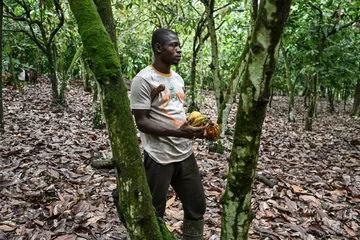
厄尔尼诺现象给全球可可供应带来的风险正在累积,暴雨袭击厄瓜多尔,威胁要摧毁种植园并推高价格。
Niño risks for global cocoa supplies are piling up as torrential rainfall lashes Ecuador, threatening to devastate plantations and boost prices.
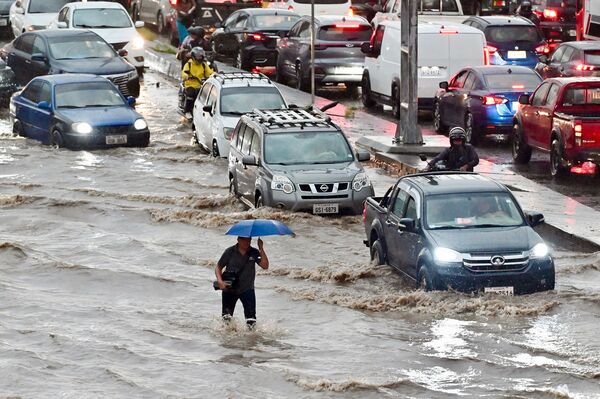
这一天气模式对世界第三大可可生产国的影响极为严重:它引发洪水,冲毁乡村道路,损害豆子品质,并助长树木病害。据 Vaisala Xweather 数据,10 月沿海地区降雨量较历史常值高出 10,000% 以上,该地区种植了该国大部分可可。
The impact of the weather pattern on the world’s third-largest grower has been extreme: It’s triggered floods, destroyed rural roads, damaged bean quality and fueled tree disease. Rainfall along the coast, where much of the country’s cocoa is grown, was more than 10,000% above historical norms in October, according to Vaisala Xweather.
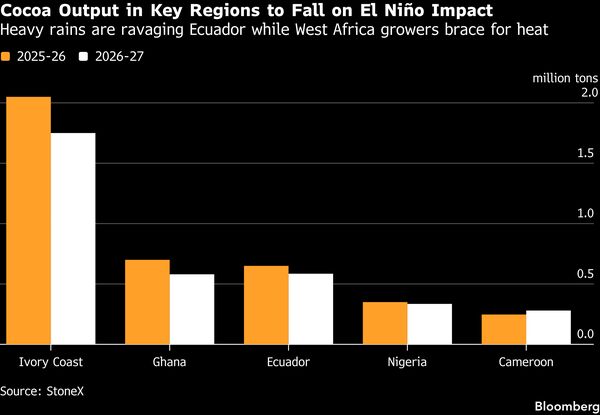
随着降雨持续,据四位接受彭博采访的交易员和分析师称,本季可可产量可能降至 58 万吨,比早前预估低约 7%。
As the rains continue, cocoa output is likely to fall to 580,000 tons in the current season, about 7% below earlier estimates, according to four traders and analysts interviewed by Bloomberg.
“我们受创很重,”在该国西北部种植可可的 Martín Pallares 说。“在好月份,我们收获的可可价值可能达 2,000 到 2,800 美元。上个月我们卖了约 60 美元。” 这种干扰使得人们原本指望厄瓜多尔可可豆能弥补西非供应挫折的预期蒙上阴影,西非种植户也在为恶劣天气做准备,这恐将使价格维持在历史常值之上。近年来,这个拉美国家已成为全球可可供应的关键缓冲,而全球供应正遭受气候变化和病害冲击。
“We’ve been hit hard by it,” said Martín Pallares, who grows cocoa in the country’s northwest. “In a good month, we could be harvesting $2,000 to $2,800 worth. We sold something like $60 last month.”The disruptions cloud expectations that Ecuadorian beans could offset supply setbacks in West Africa, where growers are also bracing for bad weather that threatens to keep prices above historical norms. The Latin American country has emerged in recent years as a critical buffer for global cocoa supplies, battered by climate change and disease.
随着一项旨在打击毁林的欧盟政策即将出台,从西非采购风险加大,厄瓜多尔也有望在巧克力供应链中变得更为不可或缺。
Ecuador is also poised to become even more essential to the chocolate supply chain as a fast-approaching European Union policy aimed at combating deforestation makes sourcing from West Africa riskier.
作物受损只是厄瓜多尔可可农面临的问题之一。暴雨还冲毁了道路,“这阻碍或严重延误了进入农场采收,以及及时将豆子运往收购中心,”该国可可出口商协会 Anecacao 主席 Carlos Sánchez 说。
Crop damage is just one of the problems facing Ecuador’s cocoa farmers. The deluge has also washed away roads, “which hinders or significantly delays access to the farms for harvesting, as well as the timely transport of the beans to collection centers,” said Carlos Sánchez, president of the country’s cocoa exporters’ association Anecacao.
威胁可能延续到当前作物之后。过量降雨会在花朵发育成荚果前造成损害,即使当前洪水退去,未来产量也可能因此减少。
The threat may persist beyond the current crop. Excessive rainfall can damage flowers before they develop into pods, potentially reducing future production even after the current flooding subsides.
“厄尔尼诺现象依然让我担忧,因为直到第一季度末损害造成之后,我们才真正能得到所有问题的答案,”驻迈阿密的StoneX高级大宗商品经纪人弗拉基米尔·齐恩特克说。
“El Niño continues to worry me because we won’t really have answers to all this until the end of the first quarter when the damage is done,” said Vladimir Zientek, a Miami-based senior commodities broker at StoneX.
目前,得益于上一季西非大幅增产带来的充裕近期供应,纽约和伦敦期价受到抑制。据厄瓜多尔可可出口商Grandsur董事总经理哈维尔·卡斯特罗称,市场还乐观认为,厄瓜多尔目前的减产将在一定程度上被新种植园的产量抵消。
For now, ample near-term supply following last season’s large surplus from West Africa is helping keep a lid on New York and London futures. There’s also optimism that Ecuador’s current slump will be partly offset by output from newer plantations, according to Javier Castro, managing director of Ecuador-based cocoa exporter Grandsur.
据Hedgepoint Global Markets可可分析师卡罗琳娜·弗兰萨称,纽约期货未平仓合约仍低于历史均值,一旦出现作物受损的新证据,可能促使交易员迅速重新买入,从而可能引发另一轮波动。
With open interest in New York still below historical averages, fresh evidence of crop damage could prompt traders to rapidly start buying again, potentially fueling another bout of volatility, according to Carolina França, cocoa analyst at Hedgepoint Global Markets.
据驻厄瓜多尔的Latam Commodity Traders商业总监胡利奥·莫斯科索称,厄瓜多尔当地价格已反映出对供应量和品质的担忧。当地豆现在报价与纽约期货持平,或贴水约20美元/吨,而恶劣天气来袭前贴水约300美元/吨。
Prices on the ground in Ecuador are already reflecting concerns about availability and quality. Local beans are now being offered at parity with New York futures or at a discount of about $20 a ton, compared with a discount of roughly $300 before the bad weather hit, according to Julio Moscoso, Ecuador-based commercial director at Latam Commodity Traders.
这对罗纳尔多·蒙特斯德奥卡来说算不上多少安慰。他是一名巧克力制造商,在厄瓜多尔西部马纳比省卡尔塞塔附近种植自己的可可,并从其他种植者那里补充货源。
That’s not much consolation for Ronaldo Montesdeoca, a chocolate maker who grows his own cocoa near Calceta in Manabí province, in western Ecuador, and tops it up with supplies from other growers.
土壤被水浸透,附近的琼贡-科隆切山脉已发生滑坡。蒙特斯德奥卡决定不对种植园进行任何作业,放弃了通常在旱季进行的修剪。即便投资化肥似乎也徒劳无功。“会被水冲走的,”他说。“这是一个只能熬过去的年份。”
The soil is saturated with water and there have been reports of landslides in the nearby Chongón Colonche mountain range. Montesdeoca has decided to leave his plantation untouched, foregoing the pruning that is normally done during dry weather. Even investing in fertilizer seems futile. “It will be washed away by the water,” he said. “This is a year to endure.”