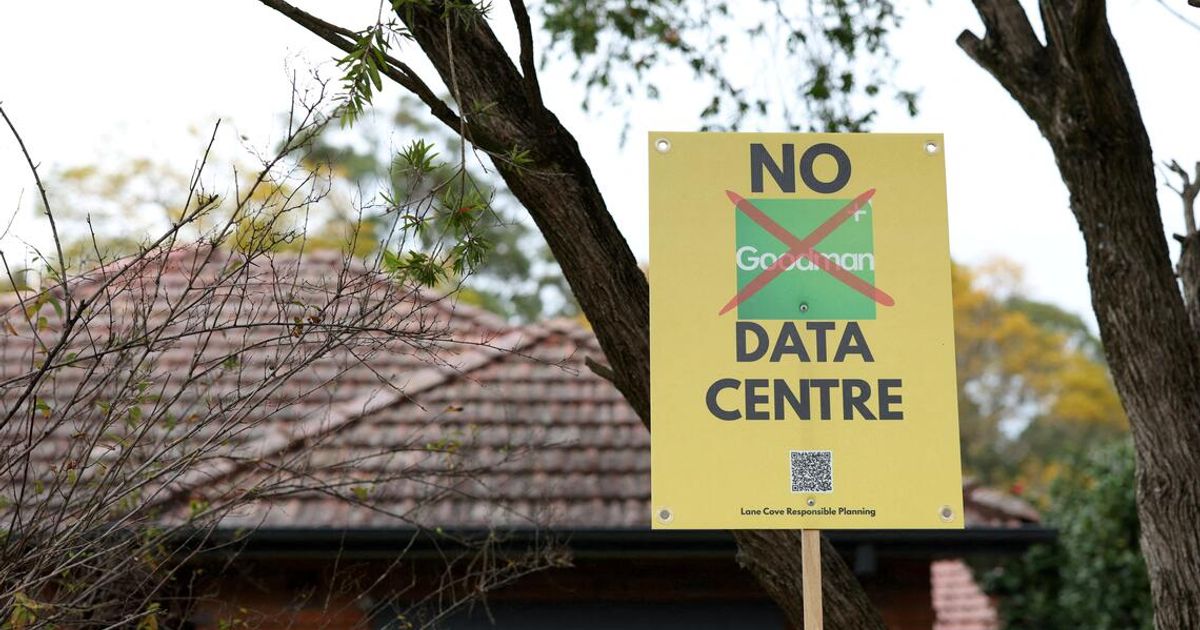
土耳其安塔利亚 —— 在土耳其举行的联合国气候大会COP31上,可持续发展界正呼应部分科技领袖的呼吁,要求放缓人工智能(AI)的发展,因为全球超级大国仍陷入主导这一新兴领域的竞赛之中。
ANTALYA, Turkey – The sustainability community at the ongoing UN climate conference COP31 in Turkey is echoing the calls of some tech leaders to slow down the development of artificial intelligence (AI), as global superpowers remain locked in a race to dominate the emerging field.
Anthropic首席执行官达里奥·阿莫代伊等科技大亨呼吁放缓AI发展,称需要更多监管以防止失控。
Tech moguls such as Anthropic’s chief executive Dario Amodei have called for an AI slowdown, saying more oversight is needed to prevent loss of control.
但气候峰会的观察人士担心的焦点不同,他们表示,为AI热潮提供动力的数据中心扩张可能会增加化石燃料使用、给电网带来压力,并推高民众的电价。
But observers at the climate summit have a different concern, saying that the expansion of data centres to power the AI boom could increase fossil fuel use, strain power grids, and raise electricity prices for people.
在COP31上,主办国土耳其于11月16日发起了一项关于AI的承诺,供各国和企业签署。该承诺敦促签署方挖掘该技术在寻找气候解决方案方面的潜力,同时评估其日益增长的环境风险。
At COP31, a pledge on AI was on Nov 16 launched by host country Turkey for countries and companies to sign. The pledge urges signatories to seek the technology’s potential in finding climate solutions, as well as assess its growing environmental risks.
土耳其表示,该承诺已获得80份背书,但未具体说明是哪些方背书。《海峡时报》已向可持续发展与环境部询问新加坡是否签署了该承诺。
Turkey said that the pledge had received 80 endorsements, though it did not specify those who had. The Straits Times has asked the Ministry of Sustainability and the Environment if Singapore had signed the pledge.
联合国气候事务负责人西蒙·斯蒂尔在承诺发布仪式上表示,AI为抗击全球变暖的斗争带来了“巨大潜力”,也带来了“巨大风险”。
UN climate chief Simon Stiell said at the launch of the pledge that AI offers both “great potential” and “great peril” for the battle against global warming.
斯蒂尔说:“我们不能要求民众今天接受更高的账单、更多导致地球升温的污染和更深的不平等,以换取明天会更美好的承诺。AI的收益必须超过其不断增长的成本。”
“We cannot ask people to accept higher bills, more planet heating pollution and deeper inequality today in exchange for promises of a better tomorrow. AI benefits must outweigh its growing costs,” Stiell said.
他呼吁企业挺身而出,使其商业计划与气候目标保持一致,并敦促它们用可再生能源为数据中心供电。争夺电力 能源讨论是今年气候谈判的重点议题之一。
He called on companies to step up and align their business plans with climate goals and urged them to power their date centres with renewable energy.
COP31土耳其主席国设定了一个电气化目标,供各国在会议上达成一致。目标是通过电气化,将电力在全球能源需求中的占比从目前的20%提高到2035年的35%。
Competing for electricity Discussions on energy are a key focus at this year’s climate talks.
电气化有助于削减碳排放,前提是将依赖化石燃料的工艺改为使用来自低碳来源的电力。这可以表现为从燃油车转向电动汽车,以减少石油消费。
The Turkish presidency of COP31 has set an electrification target for countries to agree on at the conference. The aim is to increase the share of electricity in global energy demand from 20% currently to 35% by 2035 through electrification.
阿姆斯特丹自由大学研究员亚历克斯·德·弗里斯-高告诉《海峡时报》,如果人工智能的发展无法在不增加化石燃料使用或不对电网造成进一步压力的情况下得到容纳,则应放缓其发展速度。
Electrification can help to cut carbon emissions, when processes that rely on fossil fuels are tweaked to electricity generated from low-carbon sources instead. This could be in the form of switching from internal combustion engine vehicles to electric cars to reduce consumption of petroleum.
弗里斯-高研究数字基础设施的环境影响。他表示,如果数据中心在可再生能源上线前就已建成,情况尤为如此。
Alex de Vries-Gao, a researcher at Vrije Universiteit Amsterdam told The Straits Times that the development of AI should be slowed down if its growth cannot be accommodated without increasing the use of fossil fuels or putting further pressure on electricity grids.
他说:“先建数据中心,承诺稍后再解决后果,这不是一种可持续的做法。”
This is especially the case if data centres are built before renewable energy resources come online, said Vries-Gao, who studies the environmental impacts of digital infrastructure.
随着更多数据中心的建成,电力需求将增加。电网容量——指电网能可靠向用户输送多少电力——也需要提升。
“Building data centres first and promising to address the consequences later is not a sustainable approach,” he said.
弗里斯-高说:“用电量增加不一定是坏事,如果它取代了交通、供暖或工业领域的化石燃料。但对于人工智能,不能自动得出同样的结论。
As more data centres are built, there will be a higher demand for electricity. Grid capacity, which refers to how much electricity a network can reliably deliver to users, will also need to be improved.
“数据中心也需要电力和电网容量,这意味着其扩张会与这些其他用途竞争。因此我们需要问:这种增长是助力能源转型,还是阻碍能源转型。”
Vries-Gao said: “Using more electricity is not necessarily a bad thing if it replaces fossil fuels in transport, heating or industry. The same cannot automatically be said for AI.
绿色和平组织全球大型科技企业战役联合负责人吴雪莹表示,不受约束的人工智能数据中心扩张恐将使全球能源转型脱轨。
“Data centres also need electricity and grid capacity, meaning their expansion can compete with these other uses. We therefore need to ask whether this growth helps the energy transition or gets in its way.”Unchecked AI data centre expansion threatens to derail the global energy transition, said Xueying Wu, Co-Lead of Global Big Tech campaign at Greenpeace.
她指出,国际能源署(IEA)的一份报告显示,到2030年,全球数据中心用电量将翻倍以上。
She noted that a report by International Energy Agency (IEA) showed that global data centre electricity consumption will more than double by 2030.
“气候行动反虚假信息联盟”COP31“实际情报部门”负责人Philip Newell表示,如果科技公司承诺利用更多由电池储能支持的风能和太阳能,而不是依赖化石燃料为数据中心供电,那么数据中心的增长就不需要放缓。该联盟是一个全球性组织,汇聚了50多个气候和反虚假信息组织。
Philip Newell, Climate Action Against Disinformation coalition’s COP31 Actual Intelligence Unit lead, said that the growth of data centres would not need to slow down if tech companies committed to tap more wind and solar power, backed by batteries, rather than relying on fossil fuels to power them. The coalition is a global one involving over 50 climate and anti-disinformation organisations.
专家在COP31上告诉《海峡时报》,电力需求的增加也可能通过推高能源价格,损害消费者的钱包。
The increase in electricity demand could also hurt consumers’ wallets by driving energy prices up, experts at COP31 told ST.
大西洋理事会气候韧性中心全球政策与金融副主任Nidhi Upadhyaya表示,消费者已经感受到了压力。该理事会是一家总部位于美国的智库。
Consumers are already seeing the strain, said Nidhi Upadhyaya, the deputy director of global policy and finance at the Atlantic Council’s Climate Resilience Center. The Council is a US-based think-tank.
由AI基础设施建设热潮导致电费上涨,是11月3日美国中期选举中选民关注的主要问题之一,该次选举中民主党在国会获胜。
The AI infrastructure construction boom, which led to rising electricity bills, was among the main concerns for voters during the Nov 3 US midterm elections that saw a Democratic victory in Congress.
非营利研究组织“石油变革国际”亚洲项目高级合作伙伴与外联官员Hikmat Soeriatanuwijaya表示,随着美国对数据中心的抵制日益增强,东南亚将需要评估在这些领域投资的影响。
With the growing resistance to data centres in the US, South-east Asia will need to assess the implications of investments in these areas, said non-profit research organisation Oil Change International’s senior partnership and outreach officer for its Asia programme Hikmat Soeriatanuwijaya.
根据国际能源署(IEA)的数据,在东南亚,数据中心的增长正成为电力需求的新来源。根据国际能源署11月9日的报告,该地区数据中心目前消耗超过13太瓦时的电力,预计到2035年消耗量将近乎翻三倍。这13太瓦时相当于新加坡2024年总用电量的约四分之一。
In South-east Asia, the data centre growth is emerging as a new source of electricity demand, according to IEA. The data centres in the region currently consume more than 13 terawatt-hour of electricity, with consumption expected to nearly triple by 2035, according to IEA’s Nov 9 report. This 13TW is equivalent to about a quarter of Singapore’s total electricity consumption in 2024.
Vries-Gao指出,即使不考虑AI推动的需求,该地区在能源基础设施方面已经需要大量投资来输送电力。
Vries-Gao noted that even before accounting for the AI push, the region already needs substantial investment in its energy infrastructure to deliver electricity.
他表示,虽然数据中心可能为运行它们的清洁能源带来投资,但如果清洁能源需求增长快于供应,则有增加对化石燃料依赖的风险。
While data centres could bring in investments for clean energy to run them, it risks increasing fossil fuel dependence if the demand for clean energy grows faster than supply, he said.
“政府需要考虑谁受益、谁为额外基础设施买单,以及当地电力和供水会发生什么情况。更多投资并不自动意味着更好的结果,”他说。
“Governments need to consider who benefits, who pays for the additional infrastructure, and what happens to local electricity and water supplies. More investment is not automatically a better outcome,” he said.
需要更多护栏 独立气候创新机构Climate-KIC首席执行官克尔斯滕·邓洛普表示,数据中心的扩张应当放缓,以便开发商建设更可持续的基础设施。
More guardrails needed Independent climate innovation agency Climate-KIC’s chief executive Kirsten Dunlop said that the expansion of data centres should slow down to allow developers to build infrastructure that is more sustainable.
大西洋理事会气候韧性中心的乌帕迪亚亚补充说,关键在于要确保建设数据中心的成本由建立数据中心的公司承担,而不是由消费者承担。
Upadhyaya from Atlantic Council’s Climate Resilience Center, added that it will be critical to ensure that the cost of building data centres is borne by the companies setting up the data centres, not by consumers.
她说,电网容量也需要重新评估,并确保基础设施经过改造、升级或重建,以变得更具韧性。
Grid capacity also needs to be re-evaluated and ensure that the infrastructure is being retrofitted, upgraded or rebuilt to be more resilient, she said.
她还呼吁设立护栏,规范数据中心的选址、其对社区的影响,以及关于AI将如何被使用的治理。
She also called for guardrails governing where the data centres are built, the impacts they will have on the neighbourhood and governance on how AI is going to be used.