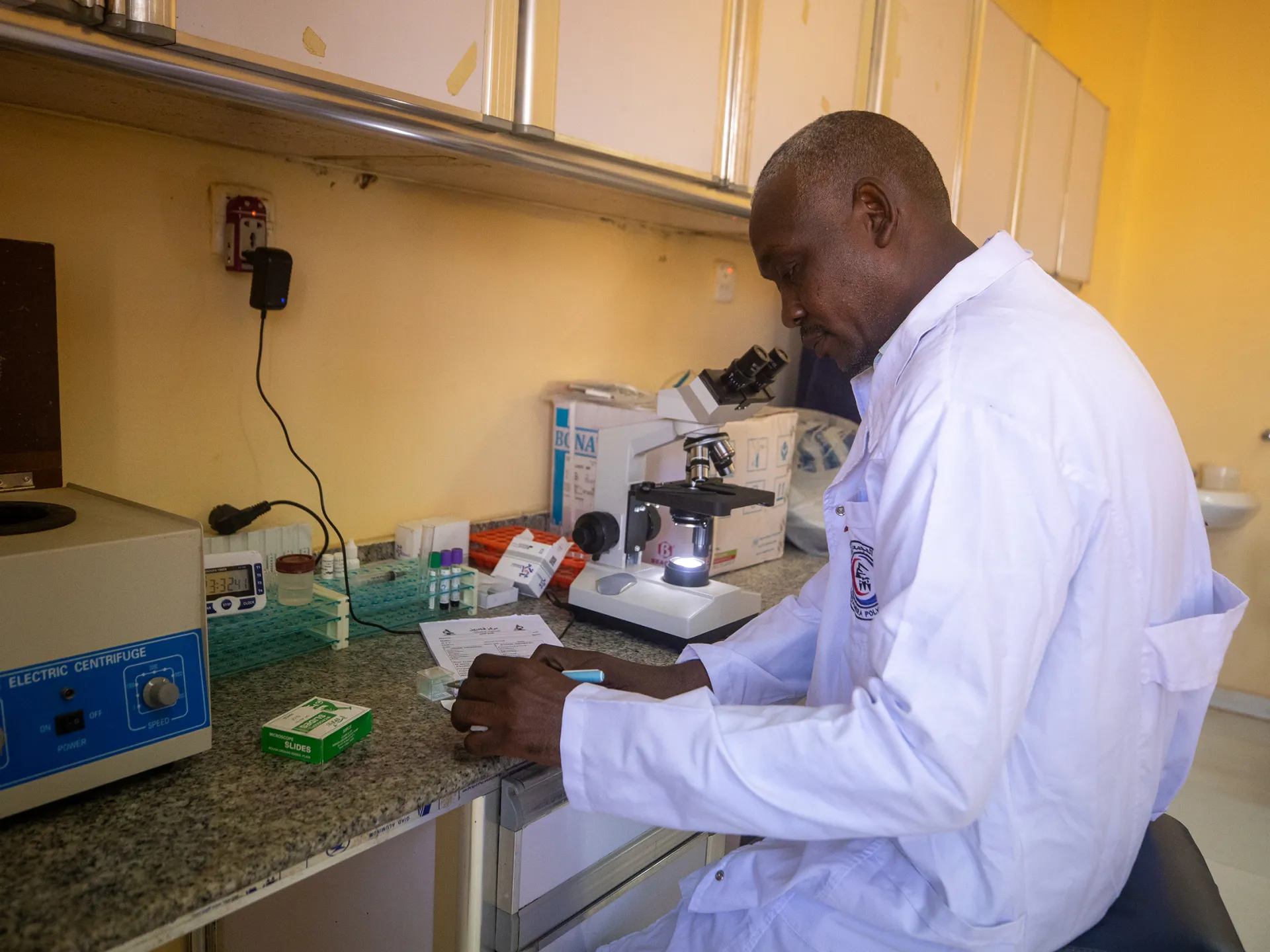
2023年4月,穆罕默德·阿瓦德17岁时,他的家乡喀土穆爆发战争,他从未想过自己的人生会发生如此剧烈的变化。
Mohammed Awad never imagined that his life would change so dramatically when war broke out in his home city of Khartoum in April 2023 when he was aged 17.
他发现自己流离失所,被迫辍学,在表兄弟的陪伴下从一个州辗转至另一个州,寻找一个可以逃离战争恐怖的安全之地。
He found himself displaced and forced out of school, moving from one state to another accompanied by his cousins and searching for a safe place where he could escape the horrors of war.
然而,这场始于寻求安全的旅程,却成了一场个人悲剧的开端。苏丹数百万人正经历着这样的悲剧,该国正处于世界上最严重的人道主义危机之一,杀戮和流离失所已成为常态。
But what began as a journey in search of safety became the beginning of a personal tragedy, one experienced by millions of people in Sudan who are in the midst of one of the world’s worst humanitarian crises in which killing and displacement have become routine.
“我开始吸毒,是为了忘记我在战争头几个月里在喀土穆目睹的一切和经历的恐怖。我的朋友和我的表兄弟在我面前被杀,”他告诉半岛电视台。“我现在正努力康复,以便能够继续我的学业和生活。”苏丹武装部队与准军事组织快速支援部队之间的冲突,使首都成为这两个昔日军事盟友之间权力斗争的最初中心之一。
“I started taking drugs to forget what I have seen and the horrors I have been through in Khartoum during the first months of the war. My friends and my cousin were killed in front of me,” he told Al Jazeera. “I am trying to recover now, so I can proceed with my education and life.”The conflict between the Sudanese armed forces (SAF) and Rapid Support Forces (RSF) paramilitary group saw the capital become one of the initial epicentres of this power struggle between the two former military allies.
战争使喀土穆州数千人被困家中数周,或迫使他们逃离,但自从苏丹武装部队去年5月将该地区快速支援部队驱逐后,这里如今已成为数百万逃离苏丹其他地区战火的人们的避风港。这场战争已造成人道主义灾难,在这个拥有5200万人口的国家,至少有5.9万人丧生,1400万人被迫离开家园。流离失所不仅仅是简单地从一处迁移到另一处,而是一段充满恐惧、焦虑和不稳定的旅程,生活中的选择日益有限。
The war trapped thousands of people in Khartoum State in their homes for weeks or forced them to flee, but since the SAF expelled the RSF from the region in May last year, it has now become a haven for millions of people fleeing fighting elsewhere in Sudan. The war has led to a humanitarian catastrophe with at least 59,000 people killed and 14 million people forced to leave their homes in a country with a population of 52 million. Displacement is more than the simple act of moving from one place to another but a journey marked by fear, anxiety and instability with increasingly limited options in life.
对于像阿瓦德这样陷入流离失所压力和缺乏支持性环境的人来说,毒品已成为应对难以承受的现实的一种方式。
For those such as Awad caught in the pressures of displacement and the absence of a supportive environment, drugs have become a way of dealing with an unbearable reality.
“我进过很多次康复中心,但很快又复吸了。我吃药片,有时也抽大麻。我想戒掉,但一次次都失败了,”阿瓦德说。
“I entered rehabilitation centres many times, and I quickly returned to addiction. I take pills and sometimes weed. I want to stop, but I keep failing over and over again,” Awad said.
苏丹战争不仅严重冲击了平民个人的生活,也撕裂了这个国家的社会肌理。治安缺失和贫困还导致毒品制造和贩运泛滥,尤其是高度成瘾的安非他命“卡普贡”。据政府官员称,目前或曾经由快速支援部队控制的地区问题尤为突出。
The war in Sudan has not only severely impacted individual civilians’ lives but has also torn apart the social fabric of the country. The lack of security and poverty have also led to a proliferation of drugs manufacturing and trade, particularly the highly addictive amphetamine Captagon. According to government officials, areas currently or formerly under RSF control are a particular problem.
卡德林戒瘾治疗中心,数百名患者在此接受过治疗 [N Mahmoud/Al Jazeera] 治疗与关怀 卡德林戒瘾治疗中心是喀土穆为数不多的慈善机构之一,专门应对这一问题,首都的医生告诉半岛电视台,对其服务的需求正在增长。
The Qadreen Center for Addiction Treatment, where hundreds of patients have been treated [N Mahmoud/Al Jazeera] Treatment and care The Qadreen Center for Addiction Treatment is one of the few charitable institutions dealing with the problem in Khartoum, and doctors in the capital told Al Jazeera there is growing demand for their services.
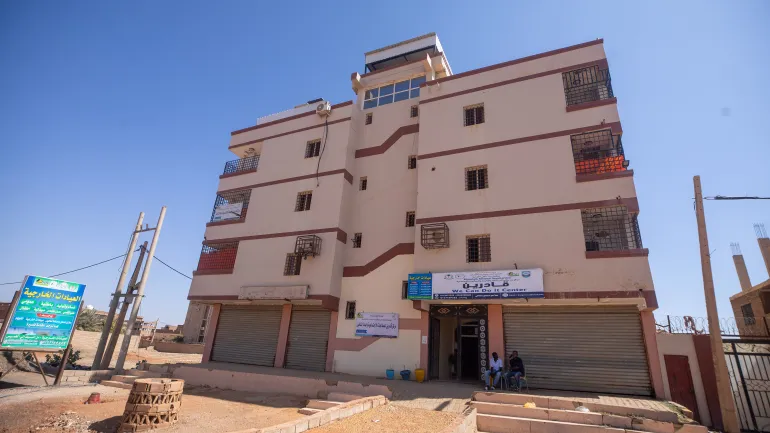
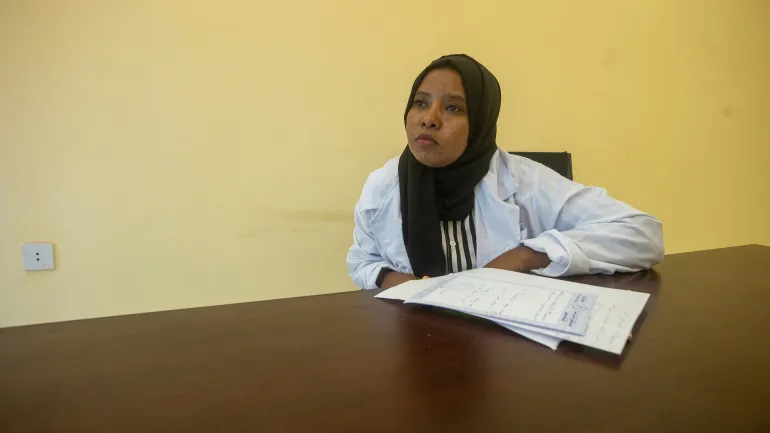
“中心在战争爆发前后持续提供医疗服务,”中心主任卢布娜·阿里说。
“The centre continues to provide its medical services both before and after the outbreak of the war,” the centre’s director, Lubna Ali, said.
“战争爆发后,随着对心理健康和戒瘾康复服务的需求不断增长,中心接诊的病例数量显著增加。” 自战争爆发以来,该中心已治疗10100个病例,涵盖因战争创伤需要心理支持的患者到药物成瘾者。阿里说,有135名此类人员已在“他们的康复历程”中接受治疗。
“Following the war, it witnessed a significant increase in the number of cases seeking treatment amid growing needs for mental health and addiction recovery services.”Since the war has broken out, the centre has treated 10,100 cases ranging from patients in need of psychological support for war-related trauma to those with drug addiction. Ali said 135 such individuals have been treated “in their recovery journey”.
年轻人深受战争影响,目睹了骇人听闻的暴力、流离失所、亲友离世、教育中断,以及就业机会急剧减少。
Young people are particularly affected by the war, witnessing horrific violence, displacement, the loss of friends and relatives, interrupted education and quickly declining employment opportunities.
机构弱化和安全局势恶化削弱了监管力度,也削弱了卫生服务应对成瘾危机的能力。
Weakened institutions and a deteriorating security situation have undermined oversight efforts and the ability of health services to respond to the addiction crisis.
比特马卡利国家组织的精神科医生艾莎·阿尔莫巴舍尔博士告诉半岛电视台,苏丹部分地区的毒品问题比其他地区更为严重。该组织为受战争和成瘾影响的个人提供心理和治疗支持。
Dr Aisha Almobasher, a psychiatrist at the Bitmakaly National Organization, which provides psychological and therapeutic support to individuals affected by war and addiction, told Al Jazeera that some areas of Sudan are worse affected by the drug problem than others.
她告诉半岛电视台:“寻求治疗的人数不断增加表明,这不仅仅是一个短暂现象。许多深受成瘾困扰的人来自此前由快速支援部队控制的地区,据报道,在快速支援部队撤出后,毒品变得更容易获得,贩毒网络也随之扩大。”
“The growing number of people seeking treatment suggests that this is more than a passing phenomenon. Many of those struggling with addiction come from areas previously controlled by the Rapid Support Forces, RSF, where, following their withdrawal, drugs reportedly became more widely available and trafficking networks expanded,” she told Al Jazeera.
“在一些州,毒品也成为吸引和招募年轻人的手段,特别是招募他们加入快速支援部队战士的行列,将许多人引上了一条黑暗的道路。”比特马卡利国家组织的艾莎·阿尔莫巴舍尔博士指出毒品成瘾呈上升趋势 [N Mahmoud/半岛电视台]缴获毒品根据苏丹透明度与政策追踪器3月发布的一份报告,2015年至2025年间,苏丹共记录了19起缴获毒品或制毒设施的事件,自战争爆发以来呈现显著加速趋势。
“In some states, drugs also became a means of attracting and recruiting young people, particularly into the ranks of RSF fighters, drawing many of them onto a dark path.”Dr Aisha Almobasher of the Bitmakaly National Organization has noted a rise in drug addiction [N Mahmoud/Al Jazeera] Drug seizures According to a report published by the Sudan Transparency and Policy Tracker in March, 19 incidents involving the seizures of drugs or manufacturing facilities were recorded in Sudan from 2015 to 2025 with a notable acceleration since the outbreak of the war.
这些数字指的是缴获量和预估生产能力,而非实际毒品消费量。尽管如此,它们揭示了问题的规模以及该国非法毒品贸易正在发生的转变。
These figures refer to seizures and estimated production capacity not actual drug consumption. Nevertheless, they reveal the scale of the problem and the transformation taking place in the country’s illicit drug trade.
苏丹反毒品总局局长、少将(法务)穆罕默德·阿尔莫阿塔西姆·奥卡沙表示,其团队自战争开始以来处理了日益增多的毒品制造和生产案件。
Major-General (Legal) Mohamed Al-Moatasim Okasha, director of Sudan’s General Directorate for Anti-Narcotics, said its teams have dealt with an increase in drug manufacturing and production since the war began.
他说,他们在武装部队从快速支援部队手中收复的地区(包括喀土穆及其周边地区)发现了先进的毒品生产设施。西达尔富尔州的拉多姆地区已成为著名的大麻种植区。
They have found advanced drug production facilities in areas retaken from the RSF by the SAF, including areas in and around Khartoum. El-Radom, an area in South Darfur State in western Sudan, has become a well-known cannabis-growing region, he said.
“该地区仍处于快速支援部队控制之下,预计很快将重回苏丹武装部队控制。在过去三年的战争期间,由于该地区处于快速支援部队控制且难以进入,没有其他机构能有效应对问题,该地区的禁毒行动一直处于暂停状态,”他对半岛电视台表示。
“It remains under RSF control and is expected to return to the control of the Sudanese armed forces soon. Throughout the past three years of war, antinarcotics operations in this area have been suspended with no other authority able to effectively address the problem due to its inaccessibility under RSF control,” he told Al Jazeera.
“与此同时,其他毒品物质的使用和流通正在增加,特别是卡普塔贡、冰毒(结晶甲基苯丙胺)以及曲马多等药物。不过,这些物质的流传程度仍不如大麻和其他传统盛行的毒品广泛。”苏丹武装部队最近在喀土穆以北、一座原属快速支援部队控制的炼油厂附近,发现了一个大型卡普塔贡制丸工厂。
“Meanwhile, the use and circulation of other narcotic substances have been increasing, particularly Captagon, crystal methamphetamine (ice) and drugs such as tramadol. However, these substances remain less widespread than cannabis and other traditionally prevalent drugs.”A huge facility for manufacturing Captagon pills was recently discovered by the SAF north of Khartoum, close to an oil refinery that was formerly under RSF control.
苏丹武装部队缴获了价值约300万美元的制毒设备。该工厂每小时可生产10万片卡普塔贡,现有原料潜在产能可达7亿片。
SAF forces uncovered drugs manufacturing equipment valued at about $3m. The facility was capable of producing 100,000 Captagon pills per hour with raw materials potentially able to produce 700 million pills.
“这些不仅仅是关于贩毒、走私或分销的指控。它们是工业规模毒品生产发生在快速支援部队控制区内的证据,”奥卡沙对半岛电视台表示。
“These are not merely allegations of drug trafficking, smuggling or distribution. They are evidence of industrial-scale drug production taking place in areas that were under RSF control,” Okasha told Al Jazeera.
“至于战斗人员吸毒问题,有报告和证词表明,在被俘民兵成员身上查获了数量不等的毒品物质。这凸显了这些物质已变得多么普遍,以及战斗人员获取它们有多么容易。”他说,贩毒和制毒已成为战争武器,而不仅仅是非法收入来源,并直接影响着苏丹武装部队与快速支援部队之间的冲突。卡普塔贡已成为一个地区性问题,在前总统巴沙尔·阿萨德统治时期,叙利亚的生产工厂向非法市场大量倾销该药物。
“As for drug use among combatants, there have been reports and testimonies indicating that quantities of narcotic substances were found in the possession of captured militia members. This highlights how widespread these substances have become and how readily accessible they are to fighters.”Drug trafficking and manufacturing have become weapons of war, not just illicit sources of income, and they are directly impacting the conflict between the SAF and RSF, he said. Captagon has become a regional issue with facilities producing the drug in Syria during the rule of former President Bashar al-Assad flooding the illicit market.
大马士革新政府正试图打击叙利亚南部的这些制毒窝点,而芬乃他明的生产在苏丹等其他地区冲突地带正日益成为严重问题。
While the new government in Damascus is trying to crack down on these facilities in southern Syria, Captagon production is a growing problem in other regional conflict areas such as Sudan.
奥卡沙说:“苏丹在持续冲突中面临这一日益严重的威胁。通过强有力的全国协调,我们正在加大查获力度,打击走私、贩运和生产网络。我们的使命是阻止毒品蔓延,保护我们的青年,守护子孙后代。打击毒品是国家安全的一项优先任务。”
“Sudan faces this growing threat amid the ongoing conflict,” Okasha said. “Through strong nationwide coordination, we are intensifying seizures and disrupting smuggling, trafficking and production networks. Our mission is to stop the spread of narcotics, protect our youth and safeguard future generations. Combating drugs is a national security priority.”
“苏丹的毒品问题不能孤立看待。这是一个地区性挑战,苏丹所处的地区正经历日益严重的毒品危机。”
“The drug problem in Sudan cannot be viewed in isolation. It is a regional challenge, and Sudan is part of a region experiencing a growing drug crisis.”