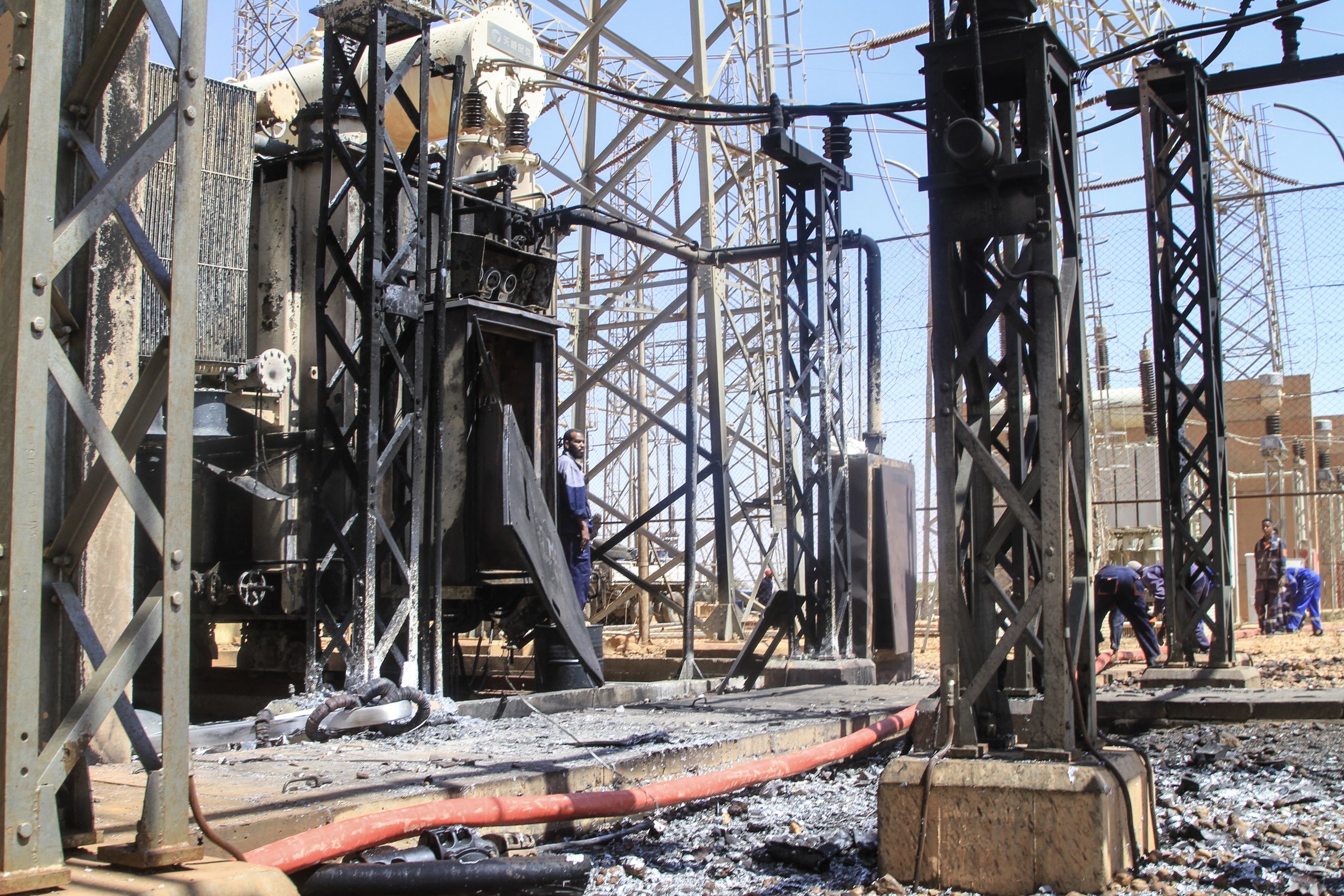
苏丹苏丹港——42岁的卡迈尔·穆罕默德多年来一直在控制自己的糖尿病。但他所居住的苏丹港塔卡杜姆社区长期断电,使他的生活变得“苦不堪言”,他说道。
Port Sudan, Sudan – Kamal Mohammed, 42, has spent years managing his diabetes. But prolonged power cuts in the al-Taqaddum neighbourhood of Port Sudan, where he lives, have made his life “catastrophic”, he says.
卡迈尔依靠定期注射胰岛素来控制糖尿病,但电力的不稳定供应使他难以掌握所需的剂量,也难以在要求的温度下储存药物。
Kamal relies on regular insulin injections to manage his diabetes, but unstable electricity supplies make it difficult for him to keep track of the doses he needs or store the medication at the required temperature.
“我每天都需要一剂胰岛素,但有时断电时间太长,冰箱失去了制冷效果,我不得不漏掉,”他说道。
“I need an insulin dose every day, but sometimes I have to skip it when power cuts last so long that the refrigerator loses its cooling,” he said.
卡迈尔的经历反映了快速支援部队与苏丹武装部队于2023年4月爆发的战争给苏丹各地平民造成的巨大破坏。
Kamal’s story reflects the massive disruptions the war between the Rapid Support Forces (RSF) and the Sudanese Armed Forces (SAF), which broke out in April 2023, has wrought on civilians across Sudan.
自2023年以来,已有1400多万平民流离失所,其中包括约450万人逃往邻国,同时据信有15万多人丧生。
More than 14 million civilians have been displaced since 2023, including about 4.5 million to neighbouring countries, while more than 150,000 people are believed to have been killed.
苏丹武装部队与快速支援部队这两个前军事盟友之间的战斗,日益演变成一场将平民和平民基础设施作为目标的冲突。10月,苏丹西部发生的无人机袭击在短短几天内造成160多人死亡,同时医院、流离失所者营地和市场也成为了攻击目标。
The fighting between the SAF and RSF, two former military allies, has increasingly turned into a conflict in which civilians and civilian infrastructure are targets. Drone attacks killed more than 160 people in just a few days in western Sudan in October, while hospitals, displacement camps and markets have become targets.
对能源基础设施的袭击也严重影响了医疗基础设施、救援组织以及对平民生活至关重要的其他服务。
Attacks on energy infrastructure have also severely affected healthcare infrastructure, aid groups and other services vital for civilian life.
过去一个月里,快速支援部队加大了对喀土穆州周边电厂的袭击力度,在首都造成了能源危机。由于能源基础设施遭到破坏,喀土穆的断电没有明确的时间表,但停电时间可持续六个小时到一天不等。
The RSF has intensified attacks on power stations around Khartoum state over the past month, creating an energy crisis in the capital. There has been no clear schedule for the power cuts in Khartoum caused by the damage to energy infrastructure, but blackouts can last anywhere between six hours and a day.
在2026年10月20日至11月2日期间,苏丹至少9个州的电力基础设施遭到了至少18次袭击,导致发电能力下降和燃料短缺。
Between October 20 and November 2, 2026, there were at least 18 attacks on electricity infrastructure across at least nine states, leading to declining power generation capacity and fuel shortages.
据美联社报道,发电厂遭到反复的无人机袭击,导致发电量从战前的约4400兆瓦降至如今的约1100兆瓦。
Repeated drone attacks on power stations have seen electricity generation fall from about 4,400 megawatts before the war to about 1,100MW today, according to The Associated Press news agency.
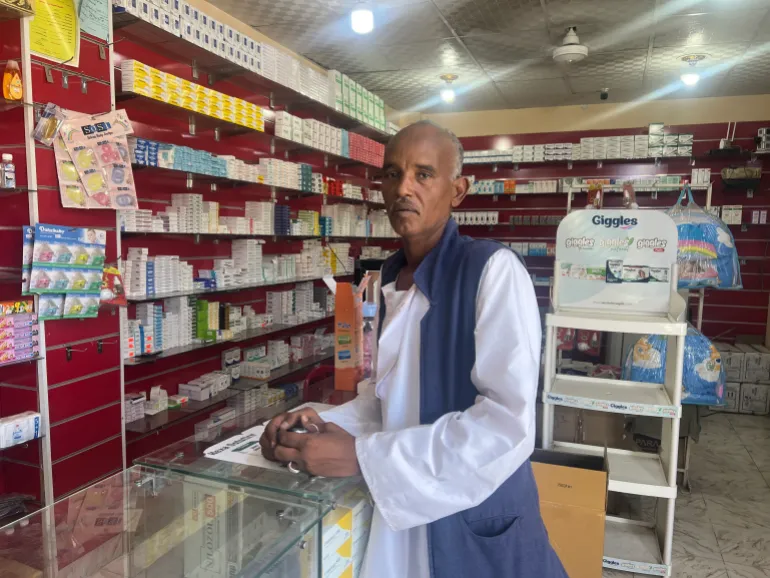
政治分析人士穆罕默德·侯赛尼指出,在苏丹武装部队最近几周夺取科尔多凡地区及其他地区的战略要地后,快速支援部队加大了对民用基础设施的袭击力度。
Mohammed al-Husseini, a political analyst, noted that the RSF stepped up attacks on civilian infrastructure after the SAF captured strategically important towns in the Kordofan region and other areas in recent weeks.
侯赛尼表示:“对发电厂的袭击旨在削弱苏丹经济,并破坏农业和工业生产。这两个领域都严重依赖可靠的电力供应,尤其是在该国正为新农业季做准备之际。”
“The attacks on power stations aimed to weaken Sudan’s economy and disrupt agricultural and industrial production, both heavily dependent on a reliable electricity supply, particularly as the country prepares for a new agricultural season,” al-Husseini said.
“鉴于电力在供水、维持通讯以及保障包括透析中心在内的医疗设施运转方面发挥着作用,这些袭击还企图破坏基本服务并加深人道主义压力。”联合国已经对这些袭击给因战争而陷入赤贫的平民造成的惨烈影响发出了警告。
“The attacks also sought to disrupt essential services and deepen humanitarian pressures, given electricity’s role in supplying water, maintaining communications and keeping medical facilities, including dialysis centres, operational.”The United Nations has warned about the harrowing effect these attacks are having on civilians already plunged into abject poverty due to the war.
联合国驻地兼人道主义协调员丹尼斯·布朗最近表示:“我不知道这些无人机空袭是从哪里发起的;我们需要帮助把这个信息传递给任何需要听到它的人,这种行为必须停止。”
“I don’t know where those drone strikes are originating from; we need help passing the message to whoever needs to hear it, that this must stop,” Denise Brown, UN resident and humanitarian coordinator, recently said.
“反复袭击发电厂和加油站是毫无辩解余地的。需要挽救生命的透析患者无法进行透析。妇女在医院没有灯光的情况下分娩。手术无法进行。”
“There is no defence for repeatedly hitting power stations and fuel stations. People who need lifesaving dialysis can’t get it. Women are giving birth with no lights in the hospital. Operations can’t take place.”
由于冷藏不再是储存胰岛素的可行选择,一些人现在买冰来保持药物冷却,但并非每个人都能承担得起这笔日常开销。
With refrigeration no longer a viable option for storing insulin, some people are now buying ice to keep their medicine cool, but not everyone can afford this daily expense.
卡迈尔说:“我的薪水不超过15万苏丹镑(合14.4美元),几乎买不起药。哪怕买一小块冰,每天也可能花掉我7000苏丹镑(合0.67美元)。”
“I can barely afford my medication as my salary is not more than 150,000 Sudanese pounds [$14.4]. Buying even a small block of ice could cost me 7,000 pounds [$0.67] a day,” Kamal said.
他说,在战斗爆发之前,电力供应要稳定得多。夏季时,停电是有限度的,且很少超过四小时。现在停电频繁,由此给国家电网造成的压力使得公用事业对客户而言变得更加昂贵。
Electricity supplies were far more stable before fighting began, he said. During the summer, power cuts were limited and rarely lasted more than four hours. Now they are frequent, and the pressure this has caused on the national grid has made utilities even more expensive for customers.
卡迈勒(Kamal)说:“战前,我的每月电费不超过3000镑[0.28美元]。现在可以达到10万镑[9.61美元],尽管有时由于长时间停电而较低。”
“Before the war, my monthly electricity bill was no more than 3,000 pounds [$0.28]. Now it can reach 100,000 pounds [$9.61], although sometimes it is lower because of the prolonged cuts,” said Kamal.
负担得起的人购买了太阳能电池板以获得更可靠的供应,但这些系统售价在400万至600万镑之间(385至577美元),这使得苏丹港的大多数家庭望尘莫及。
Those who can afford them have bought solar panels for a more reliable supply, but these systems cost between 4 and 6 million pounds ($385 to $577), putting them out of reach of most households in Port Sudan.
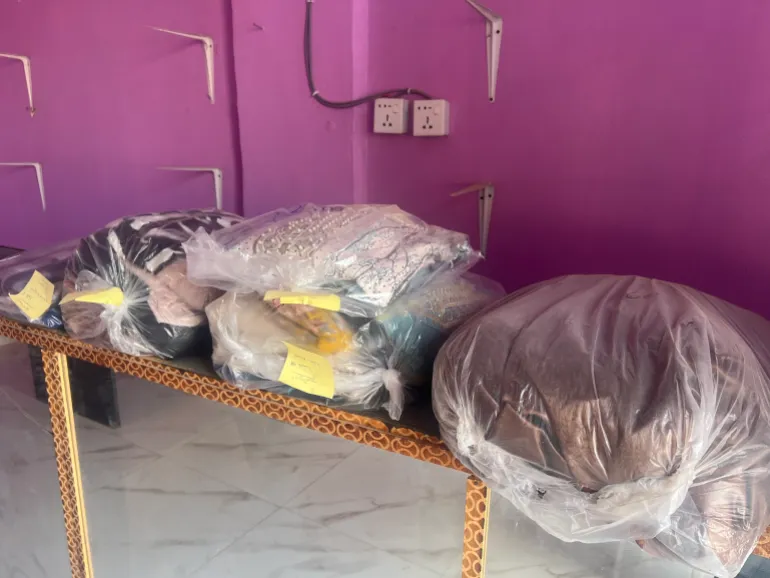
卡迈勒说:“我曾考虑购买太阳能发电系统,以便冷藏我的胰岛素、为孩子开风扇以及在家给手机充电。但这远超我的承受能力。我每天都得找个有发电机的地方给手机充电。”能源危机让企业难以营运。22岁的奥萨马·奥马尔(Osama Omar)是一名工程系学生,大约六个月前在苏丹港的代姆迈迪纳(Deim Madina)社区开了一家洗衣店,以维持基本生活开销。但长时间的停电威胁到了他严重依赖电力的微型洗衣店生意。
“I considered getting a solar power system to keep my insulin refrigerated, run fans for my children and charge our phones at home. But it is far beyond what I can afford,” Kamal said. “Every day, I have to look for somewhere with a generator where I can charge my phone.”The energy crisis has left businesses struggling to operate. Osama Omar, 22, is an engineering student who opened a laundry in the Deim Madina neighbourhood of Port Sudan about six months ago to cover his basic living expenses. But prolonged power cuts threaten his small laundry business, which relies heavily on electricity.
奥马尔对半岛电视台表示:“近一个月来,电力供应变得越来越不稳定,断电时间持续超过24小时。”
“For nearly a month now, the supply has become increasingly unreliable, with outages lasting more than 24 hours,” Omar told Al Jazeera.
他曾试图调整业务以适应轮流停电,但停电的不可预测性使这变得困难,导致洗衣店里堆积了成山的衣物。有时,他不得不拒绝新的订单。
He has tried to adapt his business to the rolling power outages, but their unpredictability makes this difficult, leaving laundry piling up at his premises. At times, he has had to turn down new orders.
奥马尔对半岛电视台表示:“由于战争、不稳定的汇率和不断上升的运营成本,我在苏丹经营业务已经面临许多挑战。但断电已经成了苏丹人民被迫参加的另一场战争。”这场能源危机在全国各地都能感受到,安置苏丹数百万流离失所者的营地受到的打击尤为严重。
“Running my business in Sudan already comes with many challenges because of the war, the unstable exchange rate and rising operating costs,” Omar told Al Jazeera. “But power cuts have become another war that Sudanese people are being forced to fight.”The energy crisis is felt across the country, with camps hosting Sudan’s millions of displaced people being particularly hard hit.
青尼罗河州首府达马津的“尊严3号”流离失所者营地管理委员会副负责人萨布里·亚当对半岛电视台表示,那里的3000名居民正在艰难应对这一局势。
Sabri Adam, deputy head of the committee overseeing al-Karama 3 displacement camp in al-Damazin, the capital of Blue Nile state, told Al Jazeera that the 3,000 residents there are struggling to cope with the situation.
他对半岛电视台说:“许多人到达时只穿着身上的衣服,把家和财产留在了身后。营地没有电力供应,仅依靠3盏大型泛光灯来照明——一盏在公共厕所附近,两盏在水箱旁边。”患有糖尿病等需要将药物储存在特定温度下的慢性病的患者受到的影响严重。
“Many arrived with little more than the clothes they were wearing, leaving behind their homes and belongings,” he told Al Jazeera. “The camp has no electricity supply, relying on just three large floodlights for lighting – one near the communal toilets and two beside the water tanks.”Those with chronic illnesses such as diabetes, who need to store their medication at certain temperatures, have been badly affected.
住在“尊严3号”的流离失所妇女阿兹哈尔·阿卜杜拉表示,缺乏水和电力使她13岁女儿的处境雪上加霜,她的女儿患有甲状腺疾病,需要格外照顾。
Azhar Abdullah, a displaced woman living in al-Karama 3, said the lack of access to water and electricity has worsened the situation for her 13-year-old daughter, who has a thyroid disorder that requires extra care.
阿卜杜拉对半岛电视台说:“当她不得不手洗衣物或进行体力劳动时,她的心率就会加快,并会经历剧烈的疼痛。我担心她的病情会进一步恶化,因为在缺乏基本服务的情况下,她全天都必须承担繁重的任务。”
“Her heart rate increases and she experiences severe pain when she has to wash clothes by hand or exert herself physically,” Abdullah told Al Jazeera. “I worry that her condition will deteriorate further, as she has to undertake strenuous tasks throughout the day amid the lack of basic services.”