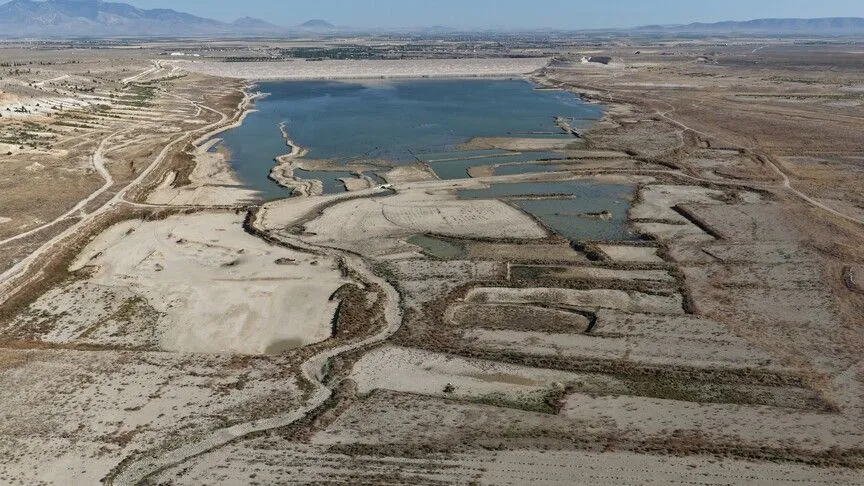
世界粮食计划署(WFP)呼吁增加预先安排的气候融资,以应对极端天气事件,因为气候变化正在加剧全球粮食不安全。
‘We need much more to be able to really anticipate and reduce the impact of these shocks,’ says Richard Choularton Countries with highest levels of food insecurity are ‘often the ones with the least institutional capacity to access climate finance’ The World Food Program (WFP) called for greater prearranged climate financing to prepare for extreme weather events as climate change intensifies food insecurity worldwide.
联合国气候变化大会COP31在安塔利亚举行期间,世界粮食计划署气候与韧性主任理查德·乔拉顿在接受阿纳多卢通讯社采访时表示,全球危机融资中只有2%是预先安排的。
Speaking to Anadolu on the sidelines of the UN climate conference COP31 in Antalya, WFP Director of Climate and Resilience Richard Choularton said only 2% of global crisis financing was arranged in advance.
他指出,这使得各国和人道主义组织用于预测和减轻气候相关灾害影响的资源有限,并呼吁提供更多资金。
He pointed out that this left countries and humanitarian organizations with limited resources to anticipate and mitigate the impacts of climate-related disasters and called for more funding.
乔拉顿说,目前全球有2.66亿人正经历严重饥饿,其中约8800万人去年主要因极端天气事件而面临粮食危机。
Choularton said 266 million people worldwide were currently experiencing acute hunger, with around 88 million of them facing food crises last year primarily due to extreme weather events.
他解释说:“气候变化正使这些极端事件变得更加频繁、更加严重。它们影响的人更多。”
“Climate change is making those extreme events more frequent, more severe. They impact more people,” he explained.
他指出,正在发生的厄尔尼诺现象正通过严重干旱、洪水和风暴路径变化影响全球社区。
He pointed to the ongoing El Nino phenomenon, which is affecting communities worldwide through severe droughts, floods and changing storm tracks.
乔拉顿补充道:“洪水、干旱和风暴的影响在已经经历严重粮食不安全和营养不良的地方最为严重。许多这样的地方也是我们看到冲突的地方。”
“The impact of floods, droughts and storms is worst in places that are already experiencing severe food insecurity and malnutrition. Many of those places are places where we also see conflict,” Choularton added.
他指出苏丹、南苏丹、索马里和也门面临饥荒风险,并指出与厄尔尼诺现象相关的干旱影响已在苏丹、索马里和南苏丹出现。
He identified Sudan, South Sudan, Somalia and Yemen as countries facing famine risks, noting that drought impacts linked to El Nino were already being observed in Sudan, Somalia and South Sudan.
乔拉顿强调:“发生的情况是,人们已经处于边缘。他们已经在挣扎。然后又遭遇另一场干旱、另一场洪水、另一场风暴。”
“What happens is people are already on the edge. They’re already struggling. And then they get hit by another drought, another flood, another storm,” Choularton underscored.
他解释说,额外的气候冲击可能会毁坏农作物和生计,阻碍人们获得收入,并导致牲畜、住房和粮食储备的损失。
He explained that additional climate shocks could destroy crops and livelihoods, prevent people from earning an income and result in the loss of livestock, homes and food supplies.
“我们需要更多”预见性行动 乔拉顿强调,人道主义响应必须越来越多地侧重于预见气候相关灾害,而不能主要依赖灾后提供的援助。
‘We need much more’ anticipatory action Choularton stressed that humanitarian responses must increasingly focus on anticipating climate-related disasters rather than relying primarily on assistance delivered after they occur.
他说,世界粮食计划署首次在2015-2016年厄尔尼诺事件期间测试了其预见性行动方法,根据干旱预测在影响显现前向社区提供援助。自那时以来,该组织已大幅扩展其项目。
He said WFP first tested its anticipatory action approach during the 2015-2016 El Nino event, providing assistance to communities based on drought forecasts before the impacts materialized. Since then, the organization has expanded its programs considerably.
“今年,我们在50多个国家开展这些项目。它们已在18个国家触发,我们已支持了150万人,”乔拉顿说。
“This year, we have those programs operating in over 50 countries. They’ve triggered in 18 countries and we’ve already supported 1.5 million people,” Choularton said.
他指出,各国政府也在日益采取预防措施,包括修复灌溉系统、改进干旱管理实践和加强社会保护体系。然而,乔拉顿表示,这些努力还不够。
He noted that governments were also increasingly taking preventive measures, including repairing irrigation systems, improving drought management practices and strengthening social protection systems. However, Choularton said these efforts were not enough.
“我们需要更多此类行动,以应对当前世界粮食危机的规模以及洪水、干旱和风暴的影响规模,”他解释道。
“We need more of that kind of action to deal with the scale of the current food crises in the world and the scale of impact of floods, droughts and storms,” he explained.
乔拉顿说,第31届缔约方大会提供了一个重要机会来解决融资缺口,各国正在讨论将适应资金增加两倍的努力。
Choularton said COP31 offered an important opportunity to address the financing gap, with countries discussing efforts to triple adaptation finance.
他强调,讨论不应只关注调动多少资金,还应关注资金分配到何处以及何时可用。
He emphasized that discussions should focus not only on how much funding is mobilized but also on where it is allocated and when it becomes available.
“这是第31届缔约方大会的各方在思考如何调动气候资金以及如何将此次大会变为‘落实大会’时,真正可以聚焦的事情,”他补充道。
“That’s something that parties here at COP 31 can really focus on as they think through how to mobilize climate finance and how to turn this COP into the implementation COP,” he added.
易受气候影响的国家面临气候融资障碍 乔拉顿还强调了最易受气候相关粮食危机影响的国家在获取国际气候融资方面面临的困难。
Vulnerable countries face barriers to climate finance Choularton also highlighted the difficulties faced by countries most vulnerable to climate-related food crises in accessing international climate finance.
“粮食不安全程度最高、面临最严重粮食危机的最脆弱国家,往往是制度能力最弱、最难获得气候融资的国家,”他说。
“The most vulnerable countries, the ones that have the highest levels of food insecurity and experiencing the worst food crises are often the ones with the least institutional capacity to access climate finance,” he said.
乔拉顿表示,世粮计划署将工作重点放在帮助此类国家动员气候融资,并确保资源惠及脆弱人群。
Choularton said WFP focused its efforts on helping such countries mobilize climate finance and ensure that resources reach vulnerable populations.
“这是各方在第三十一届缔约方大会(COP31)上需要深思的关键问题。我们如何让气候融资更容易、更快速地到达这些社区?”他强调道。
“That’s a critical issue for parties here at COP 31 to think through. How do we make it easier and faster to get climate finance to those communities?” he underscored.
除了国际气候基金和发展援助,乔拉顿指出国内收入创造是另一重要融资来源,并欢迎越来越多国家投资于自身的韧性建设、气候适应和转型。
Beyond international climate funds and development assistance, Choularton pointed to domestic revenue generation as another important source of financing, welcoming the growing number of countries investing in their own resilience, climate adaptation and transformation.
早期预警必须转化为早期行动 乔拉顿表示,第三十一届缔约方大会有助于保持改善早期预警系统的势头,同时鼓励各国建立将预报转化为预防措施所需的制度能力。
Early warnings must translate into early action Choularton said COP31 could help maintain momentum in improving early warning systems while encouraging countries to develop the institutional capacity needed to translate forecasts into preventive measures.
“我们需要确保各国将早期预警系统与早期行动系统相连接,以便在得知洪水、干旱或风暴即将来临时,能够在灾前和灾后立即采取行动,”他解释道。
“We need to make sure that countries are connecting early warning systems to early action systems so that when we know a flood or a drought or a storm is coming, we can take action before and right after,” he explained.
乔拉顿补充说,国家灾害管理机构需要做好应对准备,社会保护体系需要具备支持受气候冲击影响家庭的能力。
Choularton added that national disaster management agencies needed to be ready to respond and social protection systems needed to be capable of supporting households affected by climate shocks.
“气候灾害的影响可能需要数年才能解决。贫困家庭可能需要一两年甚至三年才能恢复到灾前的粮食消费水平,”他警告道。
“The impact of a climate disaster can take years to resolve. It can take one or two or even three years for poor households to return to their pre-shock levels of food consumption,” he cautioned.
谈到第三十一届缔约方大会的决定草案,乔拉顿欢迎其关于气候融资、早期预警系统和早期行动的建议,并表示希望这些要素在谈判继续进行时保留在最终文本中。
Turning to the draft COP31 decision, Choularton welcomed its recommendations on climate finance, early warning systems and early action, expressing hope that these elements would remain in the final text as negotiations continue.
他还强调,适应工作必须伴随更强有力的减缓措施,以防止与气候相关的灾害进一步升级。
He also emphasized that adaptation efforts must be accompanied by stronger mitigation measures to prevent further escalation of climate-related disasters.
“我们不想看到一个遭受更多洪水、干旱和风暴袭击、且最脆弱人群受影响最严重的世界,”丘拉顿补充道。
“We don’t want to see a world that has even more floods, droughts and storms affecting the most vulnerable people,” Choularton added.