苏丹各地的农民自2023年内战爆发以来一直难以收割庄稼,如今正面临一个可能让国家重陷饥荒的新敌人:天气。
Across Sudan, farmers who have struggled to harvest their crops since a civil war flared in 2023 are now battling a new enemy that could plunge the nation back into famine: the weather.
厄尔尼诺现象这一威胁非洲部分地区发生洪水的气候模式,正给苏丹带来更高气温和干旱,而该国在长达三年多的冲突期间已出现局部饥荒,主要发生在被围困地区。
El Niño, the climate pattern threatening parts of Africa with floods, is bringing higher temperatures and drought to Sudan, where pockets of famine have already emerged during more than three years of conflict, mainly in areas under siege.
据联合国官员、援助专家以及路透社采访的二十多名农民称,干旱条件正损害苏丹南部地区的农作物和牲畜,该地区靠雨养农业生产苏丹大部分粮食。一位大规模农场主预计,他的收成将只有去年的四分之一。
Parched conditions are hurting crops and livestock across the southern region where rain-fed agriculture produces much of Sudan's food, according to UN officials and aid experts, along with more than two dozen farmers interviewed by Reuters. One large-scale farmer expects his harvest to be a quarter of last year's.
“饥荒风险正在苏丹许多受冲突影响地区加剧,厄尔尼诺引发的干旱影响使本已严峻的形势雪上加霜,”联合国支持的全球饥饿监测机制——综合粮食安全阶段分类(IPC)在10月12日的警报中写道。
"The risk of famine is growing in many conflict-affected areas of Sudan, with the impact of El Niño-induced drought compounding already dire conditions," the United Nations-backed global hunger monitor, the IPC, wrote in an October 12 alert.
美国地质调查局(USGS)数据显示,7月至9月这一雨季高峰期的降雨量是全国三十多年来最低。在西部北达尔富尔州,降雨量为1984年以来最低——那一年饥荒重创苏丹和埃塞俄比亚。中部北科尔多凡州降雨量为1990年以来最低,东南部盖达里夫州则为1991年以来最低。
Rainfall in July to September, the peak rainy season, was the lowest in more than three decades across the country, United States Geological Survey (USGS) data shows. In North Darfur state in the west, it was the lowest since 1984 - the same year a famine devastated Sudan and Ethiopia. In North Kordofan state in the central region, it was the lowest since 1990, while in Gedaref state in the southeast it was the lowest since 1991.
IPC在6月表示,苏丹有510万人面临严重饥饿。IPC目前正在更新数据。原本预计随着11月和12月收割季开始,在部分地区战斗暂缓的帮助下,这一数字会有所下降。但由厄尔尼诺驱动的干旱现在预计将推高这些数字。
In June, the IPC said 5.1 million people in Sudan faced severe hunger. The IPC is currently updating the numbers. They had been expected to fall once harvesting started in November and December, helped by a lull in fighting in some areas. But the El Niño-driven drought is now expected to push them up.
联合国世界粮食计划署苏丹项目负责人萨缪尔·克兰登(Samuel Clendon)10月对路透社表示,该机构预测,到2026年底,将有额外35万人的严重饥饿人口增加,到2027年8月这一数字将进一步上升至120万。他援引了向捐赠者分享但未广泛公开的数据。
The UN World Food Programme forecasts an additional 350,000 people will experience severe hunger by the end of 2026, rising to 1.2 million more by August 2027, the WFP head of programme for Sudan, Samuel Clendon, told Reuters in October, citing figures shared with donors but not publicised widely.
世界粮食计划署表示,受灾最严重的地区是达尔富尔和科尔多凡地区。
The worst-hit areas are Darfur and the Kordofan region, the WFP said.
在北科尔多凡州,玛丽亚姆·奥马尔(Mariam Omar)正在拔除那些从作物之间冒出来的杂草,这些作物本应接近收成,如今却在干旱的沙质土壤中枯萎了。她在乌姆鲁瓦巴镇附近的农田里说:“今年太糟糕了。”
In North Kordofan state, Mariam Omar digs out weeds poking up between crops that should be close to harvest but instead are shrivelled in the dry, sandy soil. "This year is terrible," she said on her smallholding near the town of Um Ruwaba.
在乌姆鲁瓦巴地区拥有约420公顷土地的农民穆罕默德·阿卜杜勒拉赫曼(Mohamed Abdelrahman)对路透社表示,许多因战争流离失所的农民正在返回饱受干旱摧残的土地。兼任为小农提供资金的芝麻贸易商的阿卜杜勒拉赫曼估计,该地区约有40%的土地将颗粒无收。
Mohamed Abdelrahman, a farmer with about 420 hectares in the Um Ruwaba area, told Reuters many farmers displaced by war were returning to drought-stricken land. Abdelrahman, who is also a sesame trader providing finance to smallholders, estimated about 40% of land in the area would have no harvest.
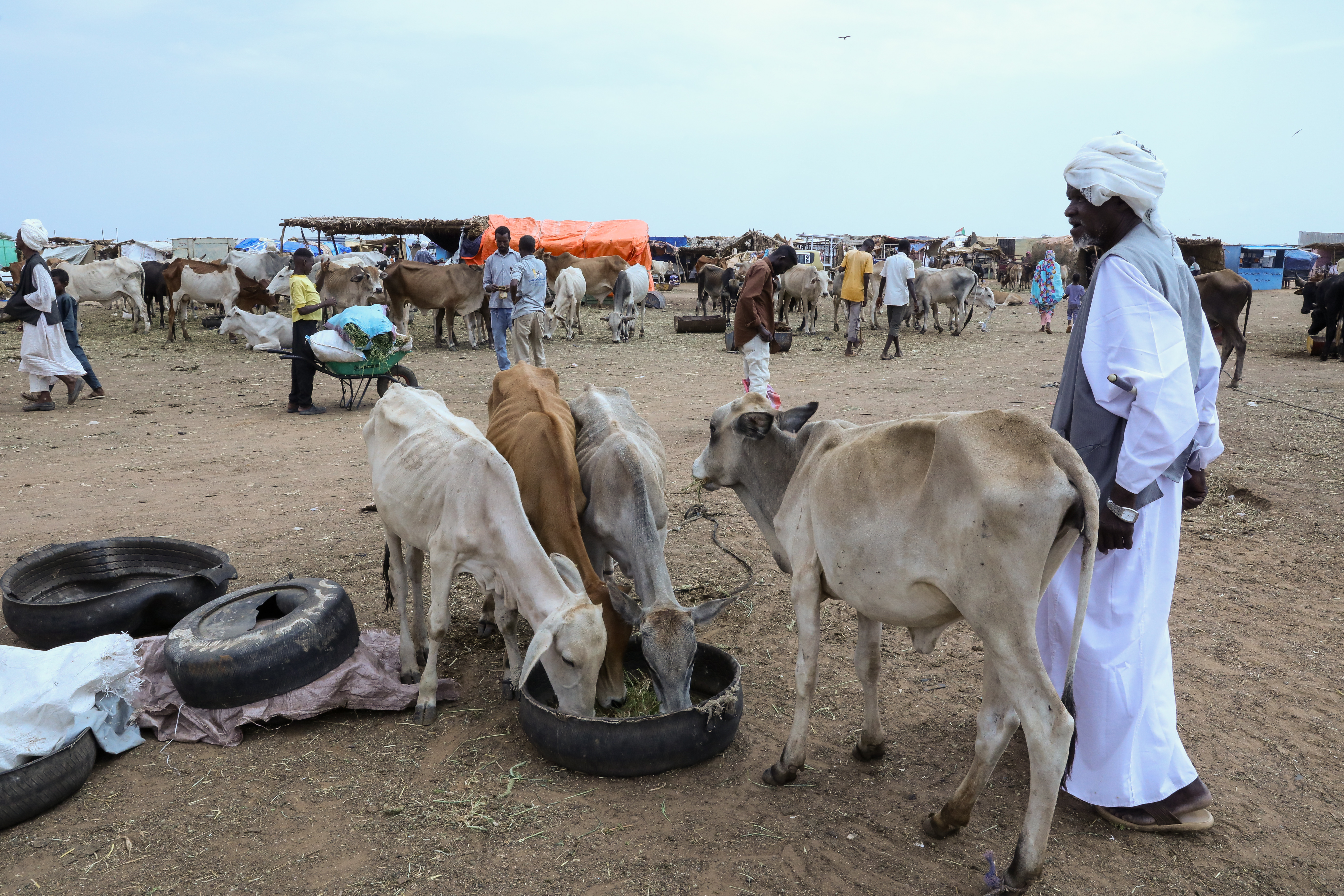
在北科尔多凡州首府埃尔奥贝德的牲畜市场里,牛的肋骨透过蒙尘的皮毛凸显出来。
In the livestock market of El Obeid, North Kordofan's capital, the ribs of cows protrude through their dusty hides.
贸易商西拉杰尔丁·阿卜杜拉蒂夫(Sirajaldeen Abdellateef)在数着正迅速贬值、推高通胀并导致进一步困境的苏丹镑时说道:“通常在这个时候,牛都很肥,每个人都在赚钱。但现在,随着这个秋季的匮乏,牛都变瘦了。”
"Usually at this time the cattle are fat and everyone is making a profit. But now, with this autumn's scarcity, the cattle became skinny," trader Sirajaldeen Abdellateef said, as he counted Sudanese pounds which have been rapidly losing value, stoking inflation and causing further hardship.
世界粮食计划署一直专注于向500万最需要帮助的人提供粮食,但该机构表示无法触及所有人。对于能够触及的人,它削减了口粮以维持有限的资源。
The WFP has focused on delivering food to the 5 million most needy people, but it says it cannot reach all of them. For those it can reach, it has cut rations to stretch limited resources.
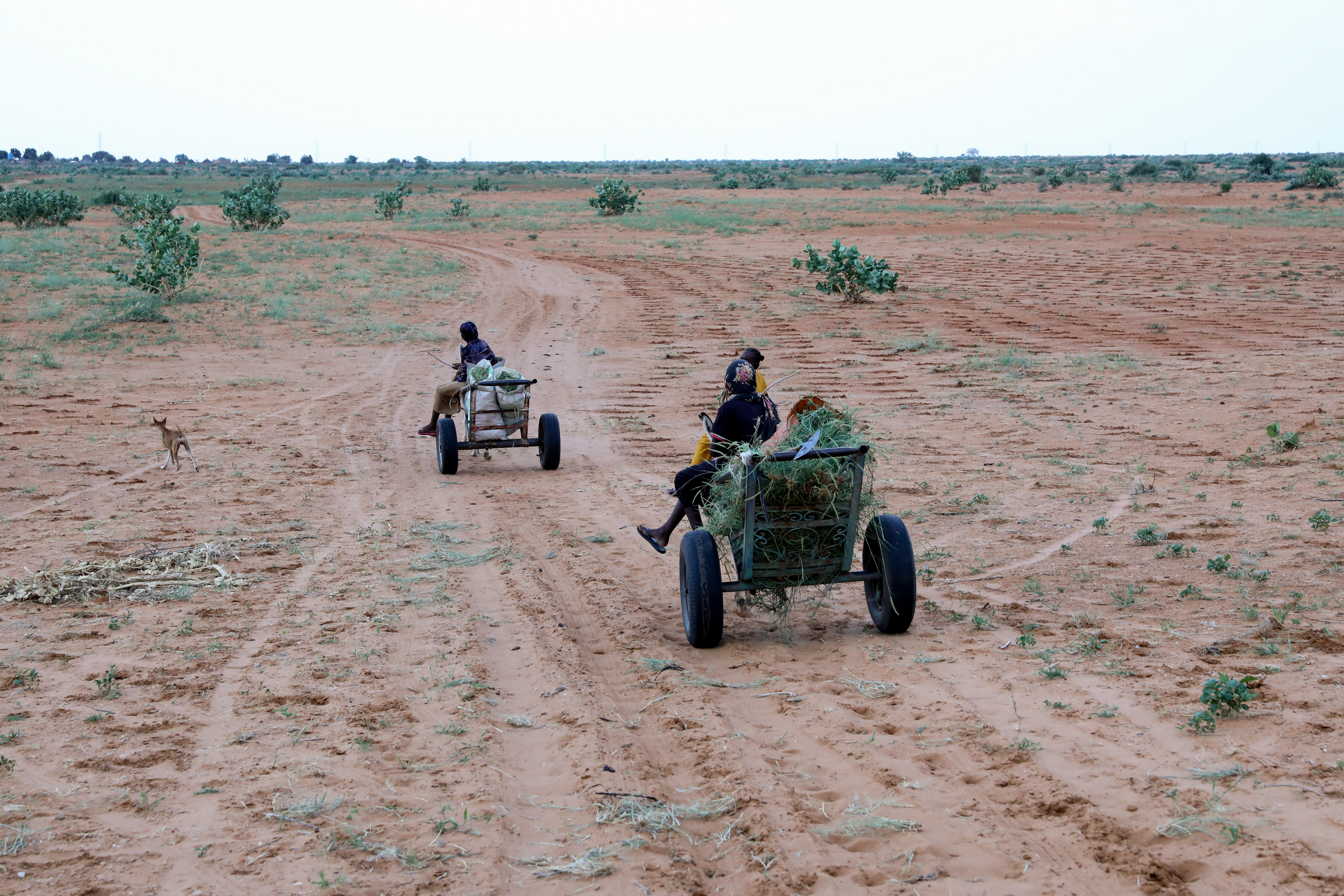
截至10月17日,世界粮食计划署拥有2.76亿美元资金用于其苏丹行动,不到去年预算的一半。该机构表示,需要额外1.34亿美元来应对干旱引起的饥饿。
As of October 17, the WFP had $276 million to fund its Sudan operation, less than half of last year's budget. It says it needs an extra $134 million to tackle hunger caused by drought.
世界粮食计划署代理执行主任卡尔·斯考(Carl Skau)在访问达尔富尔后在开罗对路透社表示,援助和收成同时下降是“酿成灾难的秘诀”,他在达尔富尔目睹了干旱的影响。
The decline of both aid and harvests at once is a “recipe for disaster,” Carl Skau, acting executive director of the WFP, told Reuters in Cairo after a trip to Darfur, where he said he had seen the impact of drought.
斯考表示,在因战争流离失所、人口约达70万的达尔富尔大型难民营陶维拉,口粮已被减半,而救援人员称,从9月初到10月中旬期间,又有9000人抵达该地。
Rations had been halved in Tawila, a sprawling Darfur camp of about 700,000 people displaced by war, according to Skau, even as aid workers said 9,000 more people had arrived between the start of September and mid-October.
苏阿德·艾哈迈德(Suad Ahmed)是一名教师,她说自己在战争中多次流离失所,在离开北达尔富尔州首府法希尔以东的村庄后,她来到陶维拉寻找食物。
Suad Ahmed, a teacher who said she had been displaced from her home multiple times through the war, came to Tawila seeking food after leaving her village east of al-Fashir, the capital of North Darfur state.
“我在路上来这里的时候,很多人说:‘如果你在那里找到吃喝,请告诉我们,’”她说道。
"As I was coming here on the road, so many people said: ‘If you find food and drink there, please tell us’," she said.
苏丹流离失所者和难民营总协调会这一非政府组织的发言人亚当·罗贾尔(Adam Rojal)表示,现在驱使人们离开家园的是饥饿而非战争。“这不再仅仅是子弹的问题了,”他说。
Adam Rojal, spokesman for the non-governmental group, the General Coordination of IDPs and Refugee Camps in Sudan, said hunger rather than war was now driving people from their homes. "It's no longer just about bullets," he said.
加达里夫州在战争期间对苏丹的粮食供应至关重要,因为它免于战火波及。但它未能逃脱旱灾。
Gedaref state has been crucial to Sudan’s food supply during the war because it escaped the fighting. But it hasn’t escaped the drought.
经营着几座总面积达1万4700公顷的大型农场的伊马德·卡布苏尔(Emad Kabsoor)说:“即使我们接下来下雨,我收获的庄稼也只有去年的25%左右。”他补充说,酷热的天气也烤焦了田地。“我们从未经历过这样的季节,”他说。
路透社气候监测数据显示,加达里夫10月20日的温度比历史平均水平高出7到9度。
"Even if we get rain going forward, I'll only have about 25% of last year's crop," said Emad Kabsoor, who runs several large farms covering 14,700 hectares, adding that searing temperatures were also scorching fields. "We’ve never had a season like this," he said. Temperatures in Gedaref ranged between 7 and 9 degrees above the historic average for October 20, the Reuters Climate Monitor showed.
苏丹政府淡化了对粮食供应的威胁。苏丹农业部长埃斯马特·库雷希10月8日在喀土穆举行的一场新闻发布会上表示,今年的收获将有所减少,但“不会比去年少太多”。
Sudan's government has played down the threat to food supplies. Sudanese Agriculture Minister Esmat Qureshi told a news conference on October 8 in Khartoum that this year's harvest would be lower but "not significantly less than last year's."
当被问及干旱情况时,快速支援部队人道主义援助机构负责人阿卜杜勒拉赫曼·伊斯迈尔对路透社表示:“我们一直在努力进行协调并呼吁尽早做出响应,我们相信,如果提供必要的资源和能力,我们可以做得更多。”人道主义机构曾多次指责政府军和敌对的快速支援部队在冲突期间阻挠或妨碍援助,双方均对此予以否认。
When asked about the drought, the head of the RSF's humanitarian aid authority, Abdelrahman Ismail, told Reuters: "We have made efforts to coordinate and invite an early response, and we believe we can do more if the necessary resources and capacity are provided." Humanitarian agencies have repeatedly accused government troops and rival Rapid Support Forces (RSF) of blocking or hindering aid during the conflict, which both sides deny.
综合粮食安全阶段分类(IPC)在2024年和2025年宣布苏丹部分地区出现饥荒,其中包括法希尔。在法希尔失守之前,政府军及其盟友以及多达25万民众遭到快速支援部队长达一年半的围困。
The IPC declared pockets of famine in Sudan in 2024 and 2025, including in al-Fashir, where government forces and their allies, as well as up to a quarter of a million people, were under siege by the RSF for a year and a half before the city fell.
干旱意味着这个有着人道主义危机历史的国家几乎得不到喘息之机,该历史包括1984年导致该地区数十万人死亡的饥荒。
The drought means there’s little respite for a nation with a history of humanitarian crises, including the 1984 famine that killed hundreds of thousands of people across the region.
饥荒专家亚历克斯·德瓦尔表示:“由于冲突,今天的局势在大多数方面要糟糕得多、得多。”他补充说,在20世纪80年代,全世界动员了援助资源,而国际援助预算现在已经被削减。
"The situation today is in most respects much, much worse because of the conflict," said famine expert Alex De Waal, adding that in the 1980s the world mobilised aid resources, while international aid budgets have now been cut back.
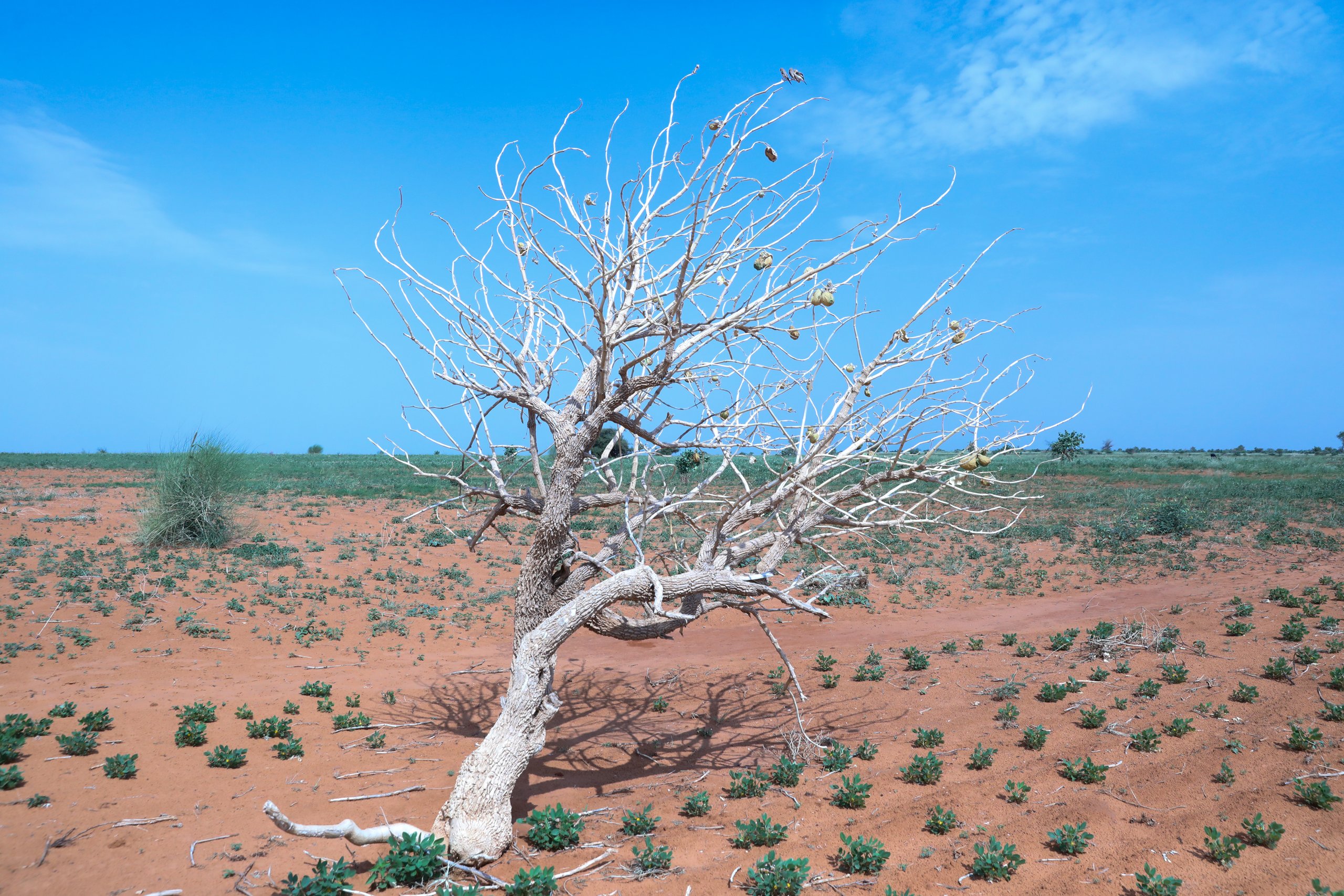
乌姆鲁瓦巴的农民西拉杰丁·塔希尔回忆说,早在1984年,庄稼绝收,牲畜死亡,人们被迫迁徙。“但真主怜悯我们,美国政府运来了援助物资并分发给我们村,”他说。“今年是2026年,我们不知道结果会如何。”
Back in 1984, harvests failed, livestock died and people were forced to migrate, said Sirajaldin al-Tahir, a farmer in Um Ruwaba. "But God took pity on us, and the US government brought in aid and distributed it to our village," he said. "This year, 2026, we don’t know how it will end."