作者:Irene García Pérez 和 Giulia Morpurgo 发布时间:2026-11-18T22:20:08+08:00 AI债务狂潮是信贷市场承销标准恶化的最新例证,贷款人越来越多地为“远不如过去信誉良好”的企业提供资金,Polus Capital Management 的 Robert Dafforn 如是说。
By Irene García Pérez and Giulia Morpurgo Published: 2026-11-18T22:20:08+08:00 The AI debt binge is the most recent example that underwriting standards have deteriorated in credit markets, with lenders increasingly fueling businesses that are “much less creditworthy” than in the past, according to Polus Capital Management’s Robert Dafforn.
该公司机会性信贷首席投资官 Dafforn 惜叹,与他25年前开始承销债券交易时相比,当今许多公司的杠杆率更高、盈利和现金流质量更低,投资者被要求为拥有“无形”资产的企业提供资金。
Dafforn, Chief Investment Officer for opportunistic credit at the firm, bemoaned that compared with when he started underwriting bond deals 25 years ago, many companies today have higher leverage, lower-quality earnings and cashflow, with investors being asked to fund businesses with “non-tangible” assets.
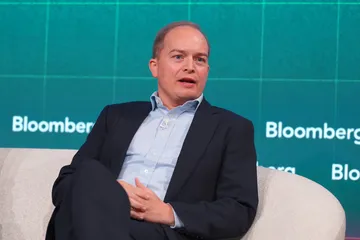
“承销质量多年来明显大幅恶化,”Dafforn周三在伦敦彭博全球信贷论坛上对与会者表示。“未来几年我们将不得不为此付出代价。”他的言论发布之际,投资者正为垃圾债市场违约率上升做准备。JPMorgan Chase & Co. 分析师本周表示,杠杆贷款违约率预计明年将翻一番多,达到4.5%,高收益债违约率预计将攀升至2.75%。面临AI颠覆、行业挑战以及2028年和2029年即将到来的债务到期的借款人,在利率上升的情况下风险最大。
“It is pretty clear that underwriting quality got an awful lot worse over the years,” Dafforn told attendees at Bloomberg’s Global Credit Forum in London on Wednesday. “We’re gonna have to pay for that over the coming years.”His comments come as investors brace for rising defaults across the junk debt market. Leveraged-loan defaults are expected to more than double to 4.5% next year, and high-yield bond defaults are forecast to climb to 2.75%, JPMorgan Chase & Co. analysts said this week. Borrowers grappling with AI-disruption, industry challenges and upcoming debt maturities in 2028 and 2029 face the greatest risk as interest rates rise.
Dafforn 表示,其公司管理约150亿美元,风险投资支持的企业积累了“惊人”数量的债务,而这些企业的权益缓冲相对薄弱——这表明信贷周期“已经相当老旧”。据彭博汇编的数据显示,自2025年以来,全球各地公司已借入超过8200亿美元用于资助人工智能建设,Dafforn 进一步加入了对AI效益持怀疑态度的人群。AI“在未知的时间段内有未知的回报,伴随未知的成本,甚至可能对技术究竟构成什么以及用途是什么有未知的落点,”Dafforn 表示。
Dafforn, whose firm oversees about $15 billion, said that an “incredible” amount of debt had been accumulated by venture capital-backed businesses with relatively thin equity cushions — a sign that the credit cycle “is getting pretty old.”While companies across the world have borrowed more than $820 billion since 2025 to fund the artificial intelligence build-out, according to data compiled by Bloomberg, Dafforn added his voice to those questioning the benefits. AI has “an unknown payoff, over an unknown period of time with an unknown cost, and may even have an unknown landing zone for exactly what the technology constitutes and what you use it for,” said Dafforn.
他说,人工智能债务狂潮正在“挤占许多其他领域的空间”,这是未来使公司再融资更加困难的因素之一,并将导致更大程度的重组。
He said the AI debt binge is “sucking oxygen out of the room in a lot of other sectors,” and that’s one of the factors that will make it more difficult for companies to refinance in future and lead instead to a greater degree of restructurings.
不过,戴维森·坎普纳资本管理公司(Davidson Kempner Capital Management)合伙人克里斯·克里希南(Chris Krishanthan)表示,机会主义投资者仍有空间支持人工智能生态系统中的一些公司,只要能以适当的股权和信用风险比例进行融资,就能获得不错的回报。该公司管理资产超过400亿美元。
Still, there’s room for opportunistic investors to back some of those companies in the AI ecosystem and make decent returns if they can be funded with the right amount of equity and credit risk, according to Chris Krishanthan, a partner at Davidson Kempner Capital Management, which manages more than $40 billion.
该公司此前参与过数据中心相关融资,包括今年早些时候葡萄牙能源公司EDP SA与该国数据中心开发商Start Campus之间的战略合作伙伴关系。
The firm has been involved in data center-related financings, including a strategic partnership earlier this year between Portuguese energy company EDP SA and Start Campus, a data center developer in the country.
克里希南在活动上表示,一些其他融资缺口正在出现,传统贷款方至少暂时不愿介入。“我看到一些交易,我真的怀疑银行正在寻找机会主义投资者来填补空白,直到找到解决方案,”他说。“他们可能一年后把我们买断,但到年底前他们无法承受资产负债表的压力。所以我认为我们在这个市场上肯定有立足之地。”
Some other financing gaps to fill are emerging where traditional lenders are sitting out, at least temporarily. “I have seen deals where really I suspect the banks are looking for opportunistic investors to bridge it to a solution,” Krishanthan said at the event. “They might take us out in a year, but they can’t afford the balance sheet through year end. So I think there is a space for us definitively in this market.”