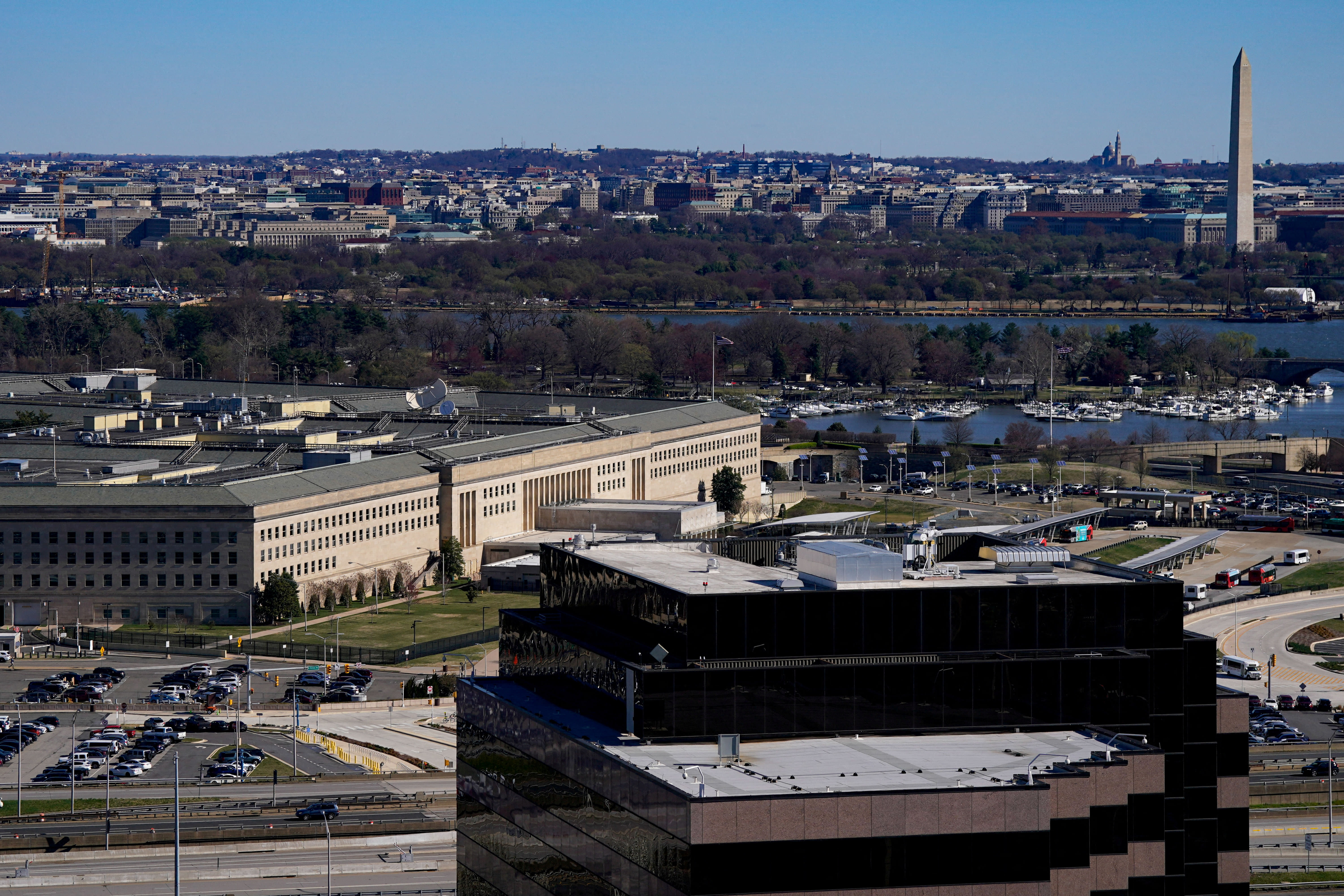
11月17日,美国有线电视新闻网报道称,“七名美国官员表示,美国获得的新情报显示,伊朗正在制定计划,拟在华盛顿特区引爆所谓的脏弹或化学武器,以针对特朗普政府高级官员,尽管官员们仍在争论伊朗是否有能力或意愿实施此类阴谋。”报道称,“熟悉最新情报的消息人士称,目前伊朗的策划是为了给自己保留选项,而非即将发动袭击的信号。但两名消息人士表示,美国截获的策划内容非常具体,包括地点和目标,并已引发美国一系列应急规划。”
On November 17, CNN reported that “new US intelligence indicates that Iran is developing plans to target senior Trump administration officials by detonating a so-called dirty bomb or a chemical weapon in Washington, DC, even as officials continue to debate whether Iran can or will attempt to execute such a plot, according to seven US officials.”The report said that “sources familiar with the latest intelligence characterized the Iranian planning as, for now, an effort to give itself options rather than an indicator of an imminent attack. But the plotting picked up by the US has been very specific and includes locations and targets, two of the sources said, and has sparked a flurry of US contingency planning.”
截至目前,报道显示伊朗的这些计划并不十分成熟。然而,外界更广泛的担忧是,伊朗正在谋划某些行动,可能影响美国或西方。此事发生在海湾局势升级之际。值得回顾的是,谈到“脏弹”阴谋,数十年来一直存在对此类武器和威胁的担忧。如今是伊朗,但过去是其他国家。例如,美国公共电视网《新星》节目指出,“美国公民、前芝加哥帮派成员何塞·帕迪利亚因与基地组织有已知联系,在芝加哥奥黑尔机场被捕,涉嫌策划在美国某城市制造并引爆脏弹。”
So far, the reporting suggests these plans by Iran are not very advanced. Nevertheless, there is wider concern that Iran is up to something and that could impact the US or the West. This comes amid escalation in the Gulf. It's worth recalling that when it comes to a “dirty bomb” plot, there have been previous concerns about this type of weapon and threat dating back decades. Today it is Iran, but in the past it was others. For instance, PBS Nova notes “Jose Padilla, an American citizen and former Chicago gang member with known ties to Al Qaeda, is arrested in Chicago's O'Hare airport on suspicion of planning to build and detonate a dirty bomb in an American city.”
报道称,联邦调查局怀疑他“曾在巴基斯坦拉合尔接受训练,据称在那里学习了脏弹制造的机理,包括如何连接爆炸装置以及如何优化炸弹以实现放射性散布。”美国公共电视网指出,“与原子武器不同,脏弹中的放射性物质并不通过核裂变或核聚变来为爆炸本身提供能量。相反,常规爆炸会散布一团有毒的放射性尘埃云。”
The report said the FBI suspected he had “undergone training in Lahore, Pakistan, where he allegedly studied the mechanics of dirty-bomb construction, including how to wire explosive devices and how to optimize bombs for radiological dispersion.”PBS notes that “unlike an atomic weapon, the radioactive materials in a dirty bomb do not fuel the explosion itself with nuclear fission or fusion. Instead, a conventional explosion spreads a toxic cloud of radioactive dust. The chemicals in that toxic cloud could seriously injure and/or kill anyone who comes into contact with the radioactive dust.”
这种有毒云团中的化学物质可能对任何接触放射性尘埃的人造成严重伤害和/或死亡。”同一网站的一篇报道指出,1987年,在巴西一个废料场,一个放射性罐体被人发现并回收,导致数十人受到伤害。车臣冲突引发了对放射性脏弹的早期担忧。1995年,车臣叛军声称寻求制造一枚放射性炸弹。三年后,俄罗斯支持的车臣安全局发现了一个装满放射性物质的容器,该容器被绑在一枚隐藏于铁路线附近的爆炸地雷上。
A report at the same site notes that in 1987 a radioactive canister harmed dozens of people when it was found and salvaged at a scrap-yard in Brazil. Chechen conflicts raised early fears of radioactive dirty bombsIn 1995, Chechen rebels claimed to seek to construct a radioactive bomb. Three years later, the Russian-backed Chechen Security Service found a container filled with radioactive materials and attached to an explosive mine hidden near a railway line.
次年,窃贼试图在车臣偷走一个容器。所有这些事件都发生在车臣与俄罗斯战争的背景下。后来,据PBS报道,2002年,“俄罗斯核监管机构负责人尤里·维什涅夫斯基宣布,该国原子设施中丢失了少量武器级和反应堆级核材料,每次只有几克。维什涅夫斯基没有提供这些材料何时以及如何失踪的细节,但他表示涉及的材料是铀。”
The next year thieves sought to steal a container in Chechnya. All of these incidents are in the context of the Chechen war with Russia. Later, in 2002, PBS says, “the head of Russia's nuclear regulatory agency, Yuri Vishnyevsky, announces that small amounts, a few grams here and there, of weapons-grade and reactor-grade nuclear materials are missing from the country's atomic facilities. Vishnyevsky does not provide details on when and how the materials disappeared, but he indicates that the material involved is uranium.”
2003年,在9·11恐怖袭击后美国入侵阿富汗之后,在阿富汗赫拉特,“英国情报人员和武器研究人员得出结论,基地组织已成功制造出一枚小型脏弹,尽管该装置尚未被找到。”美国核管理委员会指出,“局部污染的程度将取决于多种因素,包括爆炸物的大小、所用放射性物质的数量和类型、散布方式以及天气条件。距离放射性散布装置最近的人最有可能因爆炸而受伤。”该委员会还补充说,“随着放射性物质扩散,其浓度会降低,危害也会减小。”
In Herat, Afghanistan, in 2003, after the US invasion in the wake of the 9/11 terrorist attack, “British intelligence agents and weapons researchers conclude that Al Qaeda has succeeded in constructing a small dirty bomb, though the device has not been found.”The US Nuclear Regulatory Commission notes that “the extent of local contamination would depend on a number of factors, including the size of the explosive, the amount and type of radioactive material used, the means of dispersal, and weather conditions. Those closest to the RDD would be the most likely to be injured by the explosion.”
及时探测所用放射性物质的类型,将极大地帮助地方当局向社区建议防护措施,例如就地避难或迅速撤离事发周边区域。许多应急响应人员已携带的设备即可轻松探测辐射。后续对受影响区域的去污可能涉及大量时间和费用。
It goes on to add that “as radioactive material spreads, it becomes less concentrated and less harmful. Prompt detection of the type of radioactive material used will greatly assist local authorities in advising the community on protective measures, such as sheltering in place or quickly leaving the immediate area. Radiation can be readily detected with equipment already carried by many emergency responders. Subsequent decontamination of the affected area may involve considerable time and expense.”A 2007 article at the Royal United Services Institute, the world's oldest defense and security think tank, discusses the dirty bomb threat.
世界最古老的国防与安全智库——英国皇家联合军种研究所2007年发表的一篇文章探讨了脏弹威胁。桑德拉·贝尔博士指出:“‘脏弹’一词是指设计用于散布放射性物质的装置。例如包括针对生产、储存或使用危险放射性材料(包括乏核燃料或运输中的核材料)的核设施的袭击;或引爆一种被放射性物质包围的常规炸药,例如研究实验室或医院使用的物质。常规炸药,无论是简易、工业还是军用,都是现代恐怖分子的主要手段。”
Dr. Sandra Bell notes, “the term 'dirty bomb' refers to a device designed to disperse radioactive material. Examples include attacks on nuclear facilities that produce, store, or use hazardous radioactive materials, including spent nuclear fuel or nuclear material in transit; or the detonation of a conventional explosive surrounded by a radioactive substance, such as those used in research laboratories or hospitals. Conventional explosives, whether improvised, industrial or military, are the staple of modern terrorists.”
她接着指出:“国际社会持续努力加强对裂变材料和核武器的实体防护。例如,2005年联合国大会通过了《打击核恐怖主义行为国际公约》,要求缔约国在国内法中将核恐怖主义行为定为犯罪,并承诺在预防、调查和起诉核恐怖主义行为方面开展国际合作。”她总结道:“随着放射性源在黑市上日益易得,且恐怖分子将重点转向破坏性而非毁灭性袭击,脏弹在未来某个时候在英国被使用的可能性或许已占上风。”
美国疾控中心概述脏弹袭击发生时的安全措施美国疾控中心说明了如果您在脏弹事件发生时身处室外应采取的措施。
She goes on to note that “there have been continued international efforts to increase the physical protection of fissile material and nuclear weapons. For example, in 2005 the UN General Assembly adopted the International Convention for the Suppression of Acts of Nuclear Terrorism, requiring the domestic criminalization of acts of nuclear terrorism, together with the commitment of the signatories to international co-operation in the prevention, investigation and prosecution of acts of nuclear terrorism.”She concludes that “with radioactive sources increasingly available on the black market and terrorists turning their focus to disruptive rather than destructive attacks, the odds may have tipped in favor of the possibility of a dirty bomb being used in the UK sometime in the future.”CDC outlines safety measures in the event of a dirty bomb attackThe CDC notes what to do if you are outside during a dirty bomb incident.
“如果您在室外且靠近事发地点:用布遮住口鼻,以降低吸入放射性粉尘或烟雾的风险;不要触碰爆炸抛出的物体——它们可能具有放射性;迅速进入墙壁和窗户未破损的建筑物内。该区域将保护您免受室外辐射的伤害;一旦进入室内,脱掉外层衣物并将其密封在塑料袋中(如有条件)。用来遮住口鼻的布也要放进袋子里。脱掉外层衣物最多可清除90%的放射性粉尘;将塑料袋放在别人接触不到的地方。保留它,直到当局告知您如何处理;淋浴或用肥皂和水清洗。务必洗头。清洗可去除任何残留粉尘。”
“If you are outside and close to the incident: Cover your nose and mouth with a cloth to reduce the risk of breathing in radioactive dust or smoke; Don't touch objects thrown off by an explosion—they might be radioactive; Quickly go into a building where the walls and windows have not been broken. This area will shield you from radiation outside; once you are inside, take off your outer layer of clothing and seal it in a plastic bag, if available. Put the cloth you used to cover your mouth in the bag, too. Removing outer clothes may get rid of up to 90% of radioactive dust; Put the plastic bag where others will not touch it. Keep it until authorities tell you what to do with it; Shower or wash with soap and water. Be sure to wash your hair. Washing will remove any remaining dust.”
据指出,有关伊朗可能正在考虑在华盛顿实施放射性“脏弹”袭击的报道,重新引发了人们对这类武器的担忧,此类武器最早是在2001年9月11日恐怖袭击后引起广泛关注的。最新指控出现在伊朗、以色列和美国持续冲突之际,引发了关于放射性武器潜在使用及其构成威胁的问题。
As noted, reports that Iran may be considering a radioactive dirty bomb attack in Washington have revived concerns about a type of weapon that first attracted widespread attention after the September 11, 2001, terrorist attacks. The latest allegations come amid the ongoing conflict between Iran, Israel and the United States, raising questions about the potential use of radiological weapons and the threat they pose.
袭击的后果将取决于所涉放射性材料、污染程度和暴露时长。即使是造成相对较少即时伤亡的袭击,也可能引发恐慌、扰乱交通,并需要采取大规模安保措施。
The consequences of an attack would depend on the radioactive material involved, the extent of contamination and the duration of exposure. Even an attack causing relatively few immediate casualties could generate fear, disrupt transportation and require extensive security measures.
2003年,国际原子能机构总干事穆罕默德·埃尔巴拉迪警告称,医疗和工业用放射性材料可能成为恐怖分子的目标。他认为,恐怖分子愿意冒生命危险,意味着操作放射性物质的危险性不再能被视为足够的威慑。
In 2003, International Atomic Energy Agency director general Mohamed ElBaradei warned that radioactive materials used in medicine and industry could become targets for terrorists. He argued that the willingness of terrorists to risk their own lives meant the dangers of handling radioactive substances could no longer be considered a sufficient deterrent.
国际原子能机构随后扩大了加强放射性源安全、防止其被转移的努力。伊朗涉嫌脏弹阴谋引发对美国报复及威胁可信度的质疑最新指控再次将脏弹与核武器的区别推向聚焦点。11月18日,伊朗国际电视台采访了多位安全专家,探讨伊朗据报的计划。伊朗国际电视台还援引分析人士警告称,此类袭击可能招致美国严厉报复。
The IAEA subsequently expanded efforts to strengthen the security of radioactive sources and prevent their diversion. Iran's alleged dirty bomb plot raises questions over US retaliation and threat credibilityThe latest allegations have brought the distinction between a dirty bomb and a nuclear weapon back into focus. On November 18, Iran International interviewed several security experts about the reported Iranian plans. Iran International also quoted analysts who warned that such an attack could provoke severe American retaliation.
因此,最新担忧在一个重要方面类似于早期的脏弹恐慌:情报机构必须在尚不清楚这些威胁是作战计划还是初步讨论之前,对潜在威胁进行评估。这也可能反映出一种意图,即在许多美国人似乎反对继续与伊朗冲突之际,明确伊朗核计划的危险性。对华盛顿而言,挑战在于在保持防范准备的同时,区分可信情报与推测。
The latest concerns therefore resemble earlier dirty bomb scares in one important respect: intelligence agencies must evaluate potential threats before knowing whether they represent operational plans or preliminary discussions. It also may reflect the attempt to make it clear how dangerous Iran's nuclear program is, at a time when many Americans appear to oppose the continued conflict with Iran. For Washington, the challenge is to distinguish credible intelligence from speculation while maintaining preparedness.