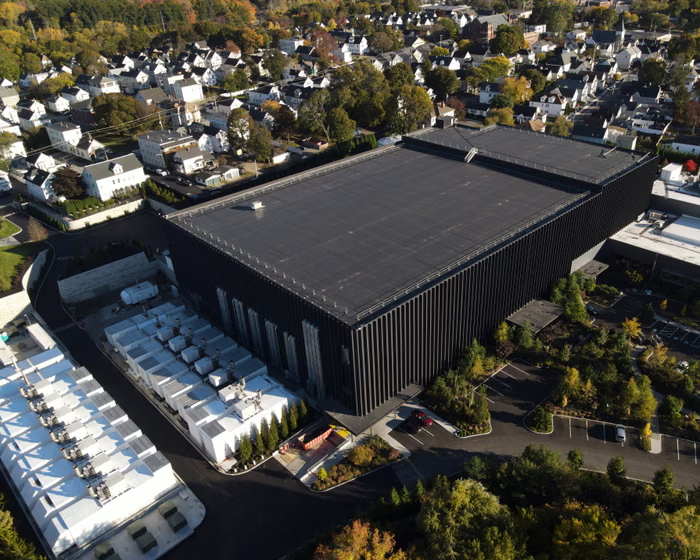
根据世界能源监督机构的数据,由于美国和中国转向化石燃料来推动人工智能的发展议程,全球数据中心在未来四年内将多产生70%的碳排放。
The world’s datacentres will create 70% more carbon emissions within the next four years as the US and China turn to fossil fuels to power their AI growth agendas, according to the world’s energy watchdog.
国际能源署警告称,到2030年,数据中心的电力消耗将是今天的两倍,其中人工智能的全球扩张占这一增长的四分之三。
The International Energy Agency (IEA) warned that datacentres will consume twice as much electricity by 2030 compared with today, with the global expansion of artificial intelligence accounting for three-quarters of this growth.
这家总部位于巴黎的机构发现,该行业迅猛的增长速度意味着,在四年内,人工智能数据中心每年将额外消耗350太瓦时的电力,超过英国一年的电力消费量。
The Paris-based agency found that the breakneck pace of the industry’s growth means that within four years AI datacentres will consume an extra 350 terrawatt-hours of electricity every year, or more than the annual electricity consumption of Great Britain.
该机构在其具有影响力的年度报告中警告称,在中东战争的影响之后,全球能源未来变得更加不确定,该机构将这场战争描述为历史上最大的能源市场动荡。
Its influential annual report warned that the world’s energy future was less certain after the impact of the Middle East war, which it has described as the greatest energy market disruption in history.
国际能源署执行干事法提赫·比罗尔表示:“我看不到能源世界回到过去状态的任何可靠途径。”
“I don’t see any credible pathway for the energy world to return to the way it was before,” said the IEA’s executive director Fatih Birol.
国际能源署表示,取而代之的是,能源世界将被各国政府在危机后做出的政策决定所重塑,以满足不断增长的全球人口对能源的日益增长的需求、对空调日益增长的需求以及蓬勃发展的人工智能经济。
Instead, it will be reshaped by the policy decisions governments make after the crisis to meet the increasing demand for energy to power a growing global population, the rising need for air-conditioning and a booming AI economy, the IEA said.
数据中心开发商已成为全球最大的可再生能源企业买家,为其接入当地电网的服务器供电。尽管如此,报告显示,对化石燃料的需求预计将增长得更快,特别是在美国和中国。
Datacentre developers have emerged as the world’s biggest corporate buyers of renewable energy to help fuel their servers which have a connection to local power grids. Despite this, the report showed that the appetite for fossil fuels is expected to grow even faster, particularly in the US and China.
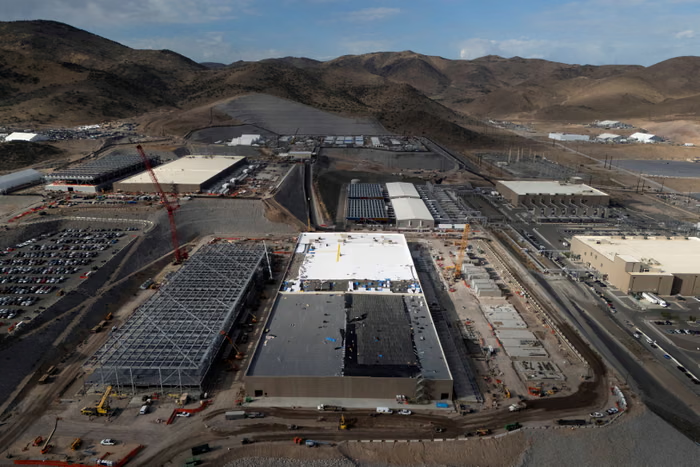
国际能源署称,到本十年末,中国人工智能数据中心所需电力的大约一半将来自燃煤电厂。其余将来自可再生能源,小部分来自核反应堆,极少部分来自天然气电厂。
By the end of the decade, around half of the electricity needed to power China’s AI datacentres will come from coal power plants, according to the IEA. The rest will come from renewable energy, with smaller amounts from nuclear reactors and very little from gas plants.
相比之下,到2030年,美国预计将依靠天然气为其数据中心提供约60%的电力。该机构表示,今年8月,与美国数据中心相连的新建燃气发电厂计划约为180吉瓦。这几乎相当于目前整个欧盟已装机天然气发电能力的总和。
In contrast, the US is expected to rely on gas to provide about 60% of the electricity for its datacentres by 2030. There were plans for about 180GW of new gas-fired power plants linked to US datacentres in August this year, the agency said. That is almost as much new gas capacity as the total now installed across the European Union.
国际能源署表示,由于数据中心化石燃料发电量的增长,与该行业相关的排放量有望在2030年之前上升70%。
As a result of the growth in fossil fuel generation for datacentres, emissions associated with this sector were on track to rise by 70% by 2030, the IEA said.
美国数据中心开发商对天然气发电的需求是加拿大的16倍多,国际能源署在加拿大发现了11吉瓦的天然气发电计划,以为其服务器供电。该机构表示,在世界其他地区,人工智能开发商已提出了总容量仅为4吉瓦的新建燃气电厂计划。
The appetite for gas power among US datacentre developers is more than 16 times higher than in Canada, where the IEA identified plans for 11GW of gas generation to power their servers. In the rest of the world, AI developers have put forward plans for new gas plants with a combined capacity of just 4GW, the agency said.
这是因为可再生能源预计将在向美中以外的数据中心供电方面发挥更大作用。在欧盟,国际能源署预计到2030年,数据中心约70%的电力将依赖可再生能源,其次是核能、天然气发电,以及极少量的燃煤发电。
This is because renewable energy is expected to play a greater role in supplying datacentres outside the US and China. In the EU, the IEA expects datacentres to rely on renewables for about 70% of their electricity by 2030 – followed by nuclear power, gas generation, and a very small amount of coal power.
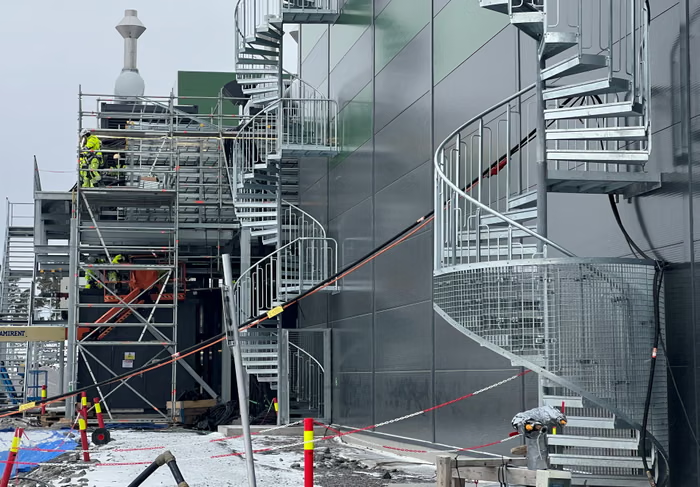
该机构对这个历来不透明的行业的预测基于显示全球人工智能服务器年度出货量的数据,这些服务器的出货量自2020年以来已激增18倍。它还利用卫星影像追踪了全球93座大型“人工智能工厂”的建设情况。
The agency based its forecasts for the notoriously opaque industry on data showing the annual global shipment of AI servers, which have climbed eighteen-fold since 2020. It also used space-based imagery to track the buildout of 93 large “AI factories” around the world.
其分析表明,全球数据中心容量在过去24个月中增长了十倍,达到17吉瓦。国际能源署表示,当这些人工智能工厂建成时,它们的总容量可能约为50吉瓦。
Its analysis suggests that the world’s datacentre capacity has climbed tenfold in the last 24 months to 17GW. By the time the AI factories were completed, their combined capacity was likely to be about 50GW, the IEA said.
全球现有的数据中心存量(包括配备人工智能优化服务器的数据中心)目前为120吉瓦,其中80%的容量位于中国、美国和欧盟。根据国际能源署通常被视为其核心基准情景的预测,到本十年末还将建设120吉瓦,其中四分之三将是人工智能数据中心。
The world’s existing stock of datacentres, including those with AI-optimised servers, now stands at 120GW, with 80% of this capacity in China, the US and the EU. A further 120GW will be built by the end of the decade under the IEA scenario often considered its central base case, of which three-quarters will be AI datacentres.