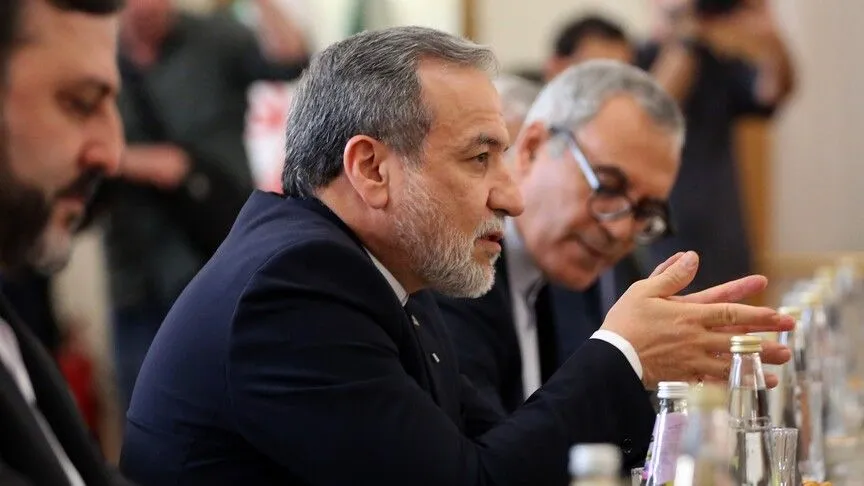
伊朗外交部长阿巴斯·阿拉格齐周五表示,必须打破美国对伊朗的海上封锁,才能让该国恢复石油出口。
Iranian Foreign Minister Abbas Araghchi said Friday that the US naval blockade on Iran must be broken to allow the country to resume oil exports.
阿拉格齐在德黑兰对记者发表讲话时,针对美国海上封锁以及伊朗正准备挑战封锁的报道作出回应。
Speaking to reporters in Tehran, Araghchi addressed the US maritime blockade and reports that Iran was preparing to challenge it.
阿拉格齐在被问及这些报道时说:“我们正在就石油出口和谈判作出一切可能的努力。海上封锁必须被打破。”
“We are making every possible effort regarding oil exports and negotiations. The naval blockade must be broken,” Araghchi said when asked about the reports.
此外,伊朗法尔斯通讯社援引波斯诗人阿布尔·卡西姆·菲尔多西的史诗《列王纪》中法雷顿的故事,将其与美国海上封锁联系起来。
Separately, Iran's Fars news agency referenced the story of Fereydun from the Shahnameh, an epic poem by Persian poet Abolqasem Ferdowsi, in connection with the US naval blockade.
该社发布了一幅插图,描绘法雷顿及其军队在与统治者扎哈克作战期间,试图渡过伊朗称为阿尔万德河的阿拉伯河时遭遇的障碍。
The agency published an illustration depicting an obstacle encountered by Fereydun and his army while attempting to cross the Shatt al-Arab, known in Iran as the Arvand River, during their battle against the ruler Zahhak.
插图中还出现了许多悬挂伊朗国旗的油轮,显然是在暗示打破美国海上封锁的呼声。
The illustration also featured numerous oil tankers flying the Iranian flag, apparently alluding to calls to break the US naval blockade.
在美以对伊朗战争爆发后,德黑兰于3月2日关闭了霍尔木兹海峡。
Tehran closed the Strait of Hormuz on March 2 following the launch of the US-Israeli war against Iran.
华盛顿于4月13日以海上封锁回应,严重扰乱了伊朗的石油出口。
Washington responded by imposing a naval blockade on Iran on April 13, significantly disrupting the country's oil exports.