Getty Images 非洲正推动到2035年将适应资金增加两倍,从每年400亿美元(约合300亿英镑) Navin Singh Khadka 环境记者,BBC世界服务台 2026年11月20日,00:54 GMT 更新于05:03 GMT在乌干达北部卡拉莫贾地区,Elijah Lobur和他的家人现在一天只吃一顿饭。
Getty Images Africa is pushing for adaptation finance to be tripled by 2035, from an annual $40bn (£30bn) Navin Singh Khadka Environmental correspondent, BBC World Service 20 November 2026, 00:54 GMT Updated 05:03 GMT In Uganda's northern Karamoja region, Elijah Lobur and his family now eat just one meal a day.
始于4月的一场严重干旱毁坏了庄稼,而从别处运来的食物变得越来越买不起。
A severe drought that began in April has destroyed crops, while food brought in from elsewhere has become increasingly unaffordable.
“七个月没下雨,把我们逼到了这一步,我们现在生活在饥饿中,”这位44岁的农民与祖母、妻子和五个孩子同住,他对BBC说。
"Seven months without rain has brought us to this point where we now live in hunger," the 44-year-old farmer, who lives with his grandmother, wife and five children, told the BBC.
“甚至我们过去常吃的一些野生植物也都枯萎干死了。”当地官员说,在该以雨养农业为主的地区,90%以上的庄稼绝收。
"Even some of the wild plants that we used to eat have withered and dried up." Local officials say more than 90% of crops have failed in the region, where agriculture is largely rain-fed.
在更南边的马拉维,Mathews Nkhambala经历了洪水的毁灭性影响。
Further south, in Malawi, Mathews Nkhambala has experienced the devastating effects of flooding.
2024年4月,热带气旋“弗雷迪”重创该国南部地区刚满一年,奇克瓦瓦区又发生洪水,导致民众流离失所。
In April 2024, barely a year after Tropical Cyclone Freddy devastated the country's southern region, floods displaced people in Chikwawa district.
随着洪水冲进村庄,Nkhambala带着妻子和四个孩子逃往高地。
Nkhambala fled to higher ground with his wife and four children as floodwaters swept through his village.
“当我们到达安全高度时,眼睁睁看着房子被冲走。我所有的一切都没了,”他对BBC说。
"As we reached a safe height, we saw our house swept away right in front of our eyes. Everything I had was gone," he told the BBC.
他损失了15袋高粱收成和部分农田。孩子们受到严重创伤,不再上学。“他们拒绝上学好几个月。他们非常痛苦,”他回忆道。
He lost a harvest of 15 bags of sorghum and part of his farmland. His children were so traumatised that they stopped going to school. "They refused to go to school for many months. They were so disturbed," he recalled.
搬迁并试图重建生活后,Nkhambala现在面临另一个气候挑战——这次是缺雨。
After relocating and trying to rebuild his life, Nkhambala is now facing another climate challenge - this time a lack of rain.
“这一次我们担心可能颗粒无收。我完全不知道该怎么办。”气旋“弗雷迪”过后的一份政府评估发现,自1980年以来,马拉维经历了50多起与风暴、洪水、山体滑坡和干旱有关的灾害,影响数百万人。
"This time we fear there may be no harvest. I have no clue what I will do." A government assessment after Cyclone Freddy found that Malawi had experienced more than 50 disasters linked to storms, floods, landslides and droughts since 1980, affecting millions of people.
乌干达和马拉维正遭受气候变化的影响,其政府正在寻求援助以适应新的全球天气模式,但它们却是尚未向联合国气候变化框架公约秘书处提交国家适应计划(NAPs)的23个非洲国家之一。
While Uganda and Malawi are suffering the effects of climate change and their governments are asking for assistance adapting to the new global weather patterns, they are among 23 African countries yet to submit National Adaptation Plans (NAPs) to the UN climate convention secretariat.
这些计划详述气候变化如何影响它们以及它们面临的风险,从而有助于为其所需援助提供依据。专家表示,没有这些计划,就很难获得资金。
These are the plans that detail how climate change has affected them and the risks they face, and so help make a case for what assistance they need. Without them, experts say, it becomes difficult to secure funding.
“我们的地区几十年来一直经历周期性干旱,但一直没有行动计划来应对这些气候影响,”在乌干达卡拉莫贾地区为战士小队基金会工作的米尔顿·洛皮亚说。
"Our region has experienced cyclical droughts for decades, but there has been no action plan to tackle these climate impacts," said Milton Lorpia, who works for Warrior Squad Foundation in Karamoja region of Uganda.
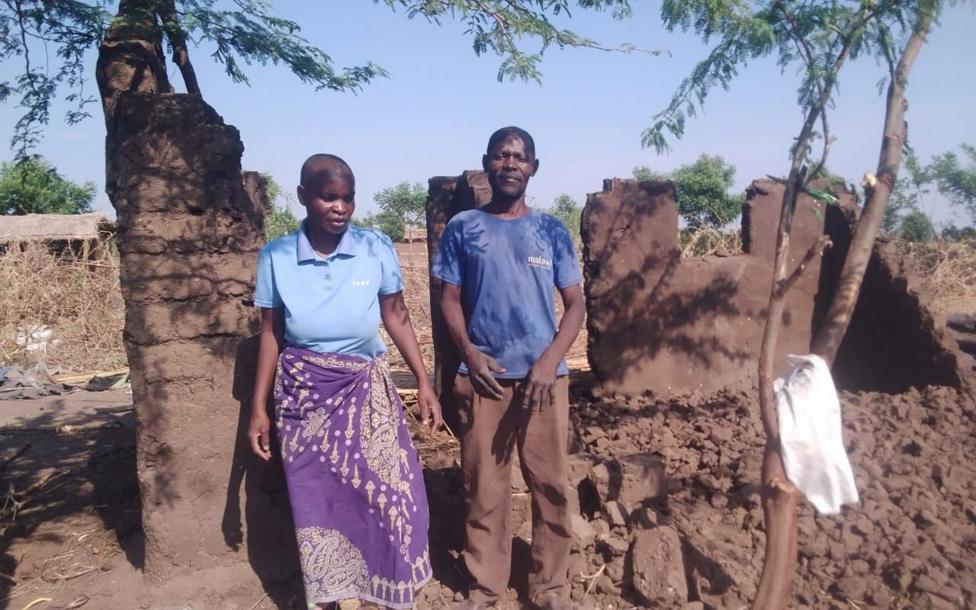
“如果当时有这样一个计划并得到实施,肯定会对我们有帮助。”乐施会马拉维的马修斯·恩坎巴拉和他的妻子担心今年收成可能歉收。
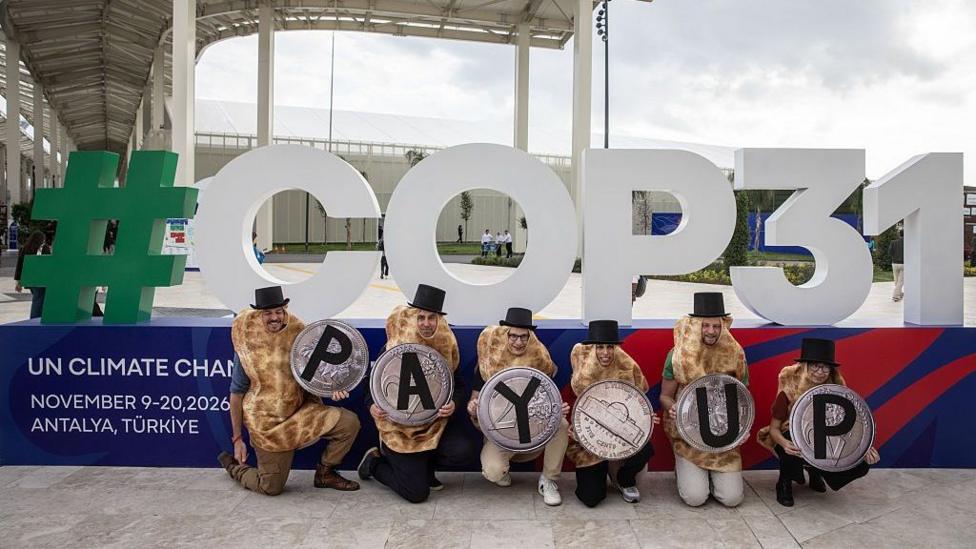
"If only such a plan were in place and implemented, it would certainly have helped us." Oxfam Malawi Mathews Nkhambala and his wife fear their harvest may fail this year The African Group of Negotiators at the ongoing UN climate summit (COP31) in Turkey is pushing for adaptation finance to be tripled by 2035, from an annual $40bn (£30bn) baseline that it says developed countries committed to providing by 2025.
在土耳其举行的联合国气候峰会(COP31)上,非洲谈判小组正推动到2035年将适应资金增加两倍,达到每年400亿美元(约合300亿英镑)基准线的三倍,该小组称发达国家承诺于2025年前提供这一基准线资金。对该承诺的解读仍存争议。该提议未被纳入峰会正式谈判,尽管非洲谈判代表仍在继续推动。
The interpretation of that commitment remains contested. The proposal was not accepted for formal negotiations at the summit, although African negotiators have continued to push for it.
该资金旨在帮助脆弱国家为应对气候变化引发的极端天气(如干旱、洪水和野火)做准备并增强抵御能力。
The funding is intended to help vulnerable countries prepare for and withstand climate change-induced extreme weather, such as droughts, floods and wildfires.
但作为气候资金最大提供方之一,欧盟表示,优先事项应是确保现有承诺惠及脆弱国家,而不是设定新的资金目标。
But the European Union, one of the largest providers of climate finance, says the priority should be ensuring existing commitments reach vulnerable countries rather than setting new funding targets.
“我们来到谈判桌前并未带来额外资金或额外资本。关键在于我们已承诺的内容,并确保其得到落实,”欧盟理事会轮值主席国爱尔兰代表、欧盟COP31代表团团长达拉·奥布莱恩在新闻发布会上表示。
"We haven't come to the table with additional monies or additional capital. It's about what we have committed already and ensuring it's deployed," Darragh O'Brien, who leads the EU delegation at COP31 on behalf of the Irish presidency of the Council of the EU, told a press conference.
他承认发展中国家在获取现有资金方面面临困难,并表示这一流程需要改进。
He acknowledged that developing countries faced difficulties accessing available funding, saying the process needed to be improved.
欧盟委员会气候事务专员沃普克·霍克斯特拉也主张,峰会应聚焦于兑现现有承诺,而非提出新承诺。
Wopke Hoekstra, the European Commission's climate commissioner, also argued that the summit should focus on delivering existing pledges rather than making new ones.
他说:“如果你是太平洋地区的脆弱国家,或是最不发达国家之一,资金躺在银行里却无法落地,那么它实际上毫无意义。”
"If you are a vulnerable nation in the Pacific or one of the LDCs (Least Developed Countries) and the money is in the bank but does not land on the ground then it is effectively meaningless," he said.
霍克斯特拉表示,发达国家近年来承诺提供的1000亿美元气候融资中,欧盟已提供了300亿美元,并补充说其他富裕国家应贡献更多。
Hoekstra said the EU had provided $30bn of the $100bn in climate finance committed by developed countries in recent years, adding that other wealthy nations should contribute more.
需求规模巨大。根据联合国去年发布的《适应差距报告》,撒哈拉以南非洲每年需要约510亿美元的适应资金,中东和北非地区需要1120亿美元。
The scale of the need is substantial. According to the UN's Adaptation Gap Report published last year, sub-Saharan Africa requires about $51bn annually in adaptation finance, while the Middle East and North Africa needs $112bn.
根据联合国最新报告,到2035年,发展中国家在全球范围内每年将需要约3000亿美元。然而,2024年它们从发达国家仅获得了该金额的约10%。
Globally, developing countries will need about $300bn annually by 2035, according to the UN's latest report. Yet they received only about 10% of that amount from developed countries in 2024.
据内罗毕智库“非洲能源转型”预测,2020年至2030年间,非洲与气候相关的损失和损害成本将达4400亿美元。
Climate-related loss and damage in Africa is projected to cost $440bn between 2020 and 2030, according to Nairobi-based think tank Power Shift Africa.
根据2015年《巴黎气候协定》,发达国家须向发展中国家提供资金支持,包括用于气候适应。
Under the 2015 Paris climate agreement, developed countries are required to provide financial support to developing nations, including for climate adaptation.
但为何许多非洲国家未能制定计划,以帮助其识别需求并建设韧性?
But why have so many African countries failed to prepare plans that could help them identify their needs and build resilience?
援助机构乐施会气候正义负责人大卫·阿布德霍说:“如果你仔细观察,那些尚未提交国家适应计划的国家,已经在应对多重危机,包括债务困境、经济压力和其他问题。”
"If you look closely, the countries that are yet to submit their NAPs are already dealing with multiple crises, including debt distress, economic pressures and other issues," said David Abudho, climate justice lead at the aid agency, Oxfam.
“它们的政府在气候适应方面的投资能力有限。”行动援助组织(ActionAid)区域气候正义顾问希拉·阿皮尼(Sheila Apiny)表示,缺乏规划反映了更广泛的财政和技术支持短缺。
"Their governments' ability to invest in climate adaptation is limited." Sheila Apiny, regional climate justice adviser at ActionAid, said the lack of plans reflected a wider shortage of financial and technical support.
“如此多国家缺乏国家适应计划(NAP),本身就是适应资金和能力缺口的证据,”她辩称。
"The absence of NAPs in so many countries is, in itself, evidence of an adaptation finance and capacity gap," she argued.
她说,这造成了一个恶性循环——国家缺乏支持来制定规划,而没有规划又使得为气候韧性争取资金变得更加困难。
She said this created a vicious cycle - countries lack support to prepare their plans, while not having the plans makes it harder to secure funding for climate resilience.
“当国家缺乏充分的适应规划,更重要的是缺乏实施这些规划的资源时,政府被迫陷入应对灾害的循环,而不是预防或减轻其影响,”非洲能源转型组织(Power Shift Africa)高级气候顾问阿莫斯·韦曼亚(Amos Wemanya)表示。
"When countries lack adequate adaptation planning and, more importantly, the resources to implement those plans, governments are forced into a cycle of responding to disasters instead of preventing or reducing their impacts," said Amos Wemanya, senior climate adviser at Power Shift Africa.
“稀缺的公共资源被反复转向紧急救援和重建,而不是投资于预警系统、气候适应型农业、水安全和防洪保护。从长远来看,这成本更高,并使社区日益脆弱。”非洲谈判代表承认,适应规划有助于国家确定投资优先顺序并吸引资金,但认为不应以其缺失为由拒绝向它们提供财政支持。
"Instead of investing in early warning systems, climate-resilient agriculture, water security and flood protection, scarce public resources are repeatedly diverted towards emergency relief and reconstruction. This costs more over time and leaves communities increasingly vulnerable." African negotiators acknowledge that adaptation plans help countries prioritise investments and attract funding, but argue that their absence should not be used to deny them financial support.
“当然,拥有全面的国家适应计划有助于国家确定投资优先顺序并准备气候融资提案,”埃塞俄比亚COP32主席团高级战略顾问马赫莱特·埃亚苏·梅尔基耶(Mahlet Eyassu Melkie)表示。
"Of course, having a comprehensive NAP helps countries prioritise investments and prepare proposals for climate finance," said Mahlet Eyassu Melkie, a senior strategic adviser to Ethiopia's COP32 presidency.
“但非洲的适应融资需求是基于科学评估、气候脆弱性、国家优先事项和区域估算——而不仅仅取决于每个国家是否提交了特定的规划文件。”联合国开发计划署(UNDP)已协助45个以上国家制定其规划,该机构表示,国家适应计划可以帮助政府动员国际支持并协调气候行动。
"But Africa's adaptation financing needs are based on scientific assessments, climate vulnerability, national priorities and regional estimates – not simply on whether every country has submitted a particular planning document." The UN Development Programme, which has helped more than 45 countries prepare their plans, said NAPs can help governments mobilise international support and coordinate climate action.
绿色和平非洲组织的泛非政治策略师弗雷德·恩耶胡表示,这些国家的缺席仍可能造成重大障碍。
Fred Njehu, a Pan-African political strategist at Greenpeace Africa, said their absence could nevertheless create significant obstacles.
他说:“公正地说,缺少适应计划是一个主要的功能性障碍,严重制约了一个国家能够获得的国际资金的速度、规模和质量。”但有了计划并不意味着能获得实施所需的资金。
"It is fair to acknowledge that missing adaptation plans act as a major functional barrier that severely bottlenecks the speed, volume and quality of international funding a country can access," he said. But having a plan does not guarantee the money needed to implement it.
阿皮尼说:“即使是已经完成国家适应计划的国家,也远未获得实施其适应计划所需的资金。”肯尼亚提供了一个适应措施如何帮助社区应对气候压力的例子。
"Even countries that have completed their NAPs have not received money anywhere near what they require for implementation of their adaptation plans," Apiny said. Kenya offers an example of how adaptation measures can help communities cope with climate pressures.
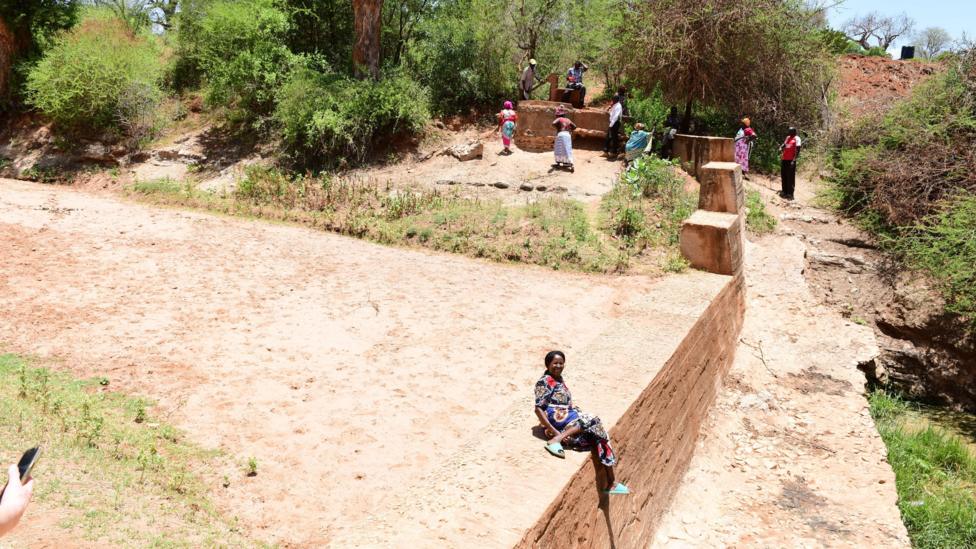
沙坝全球组织 沙坝的墙体在河流干涸时将水储存在地下 在该国干旱和半干旱的东南部,混凝土沙坝减缓了季节性河流的流速,使沙子堆积并将水储存在地下。社区在旱季可以通过手压泵或舀取的方式获取这些水。
Sand Dams Worldwide The walls of the sand dams store water underground when the rivers dry up In the country's arid and semi-arid south-east, concrete sand dams slow the flow of seasonal rivers, allowing sand to accumulate and store water underground. Communities can access it during dry periods using hand pumps or by scooping it out.
英国慈善机构沙坝全球组织及其当地合作伙伴非洲沙坝基金会表示,他们已建成约1300座此类大坝,随着干旱变得更加频繁和强烈,改善了用水获取。但非洲大陆其他地方的许多脆弱社区仍在等待类似的干预措施。
UK charity Sand Dams Worldwide and its local partner, the Africa Sand Dam Foundation, said they had built about 1,300 such dams, improving access to water as droughts become more frequent and intense. But many vulnerable communities elsewhere on the continent are still waiting for similar interventions.
回到遭受干旱袭击的卡拉莫贾,洛布尔想知道,如果农民能获得小规模灌溉计划,情况会有多大不同。
Back in drought-hit Karamoja, Lobur wonders how different things might have been if farmers had access to small-scale irrigation schemes.
洛布尔说:“我们在一些地方确实有一些地下水源。如果有适当的规划和项目,我们本可以利用它们种植粮食,但我们却不得不生活在饥饿中。”
"We do have some underground water sources in some places. If there were proper plans and programmes, we could have tapped them to grow food, but we are having to live in hunger instead," Lobur said.

“祖母不断提醒我们,她在1982年饥荒般的情况下失去了八个孩子,我们都担心自己也会那样灭亡。”
"My grandmother keeps reminding us how she lost eight children during a famine-like situation in 1982, and we all fear we might perish like that too."