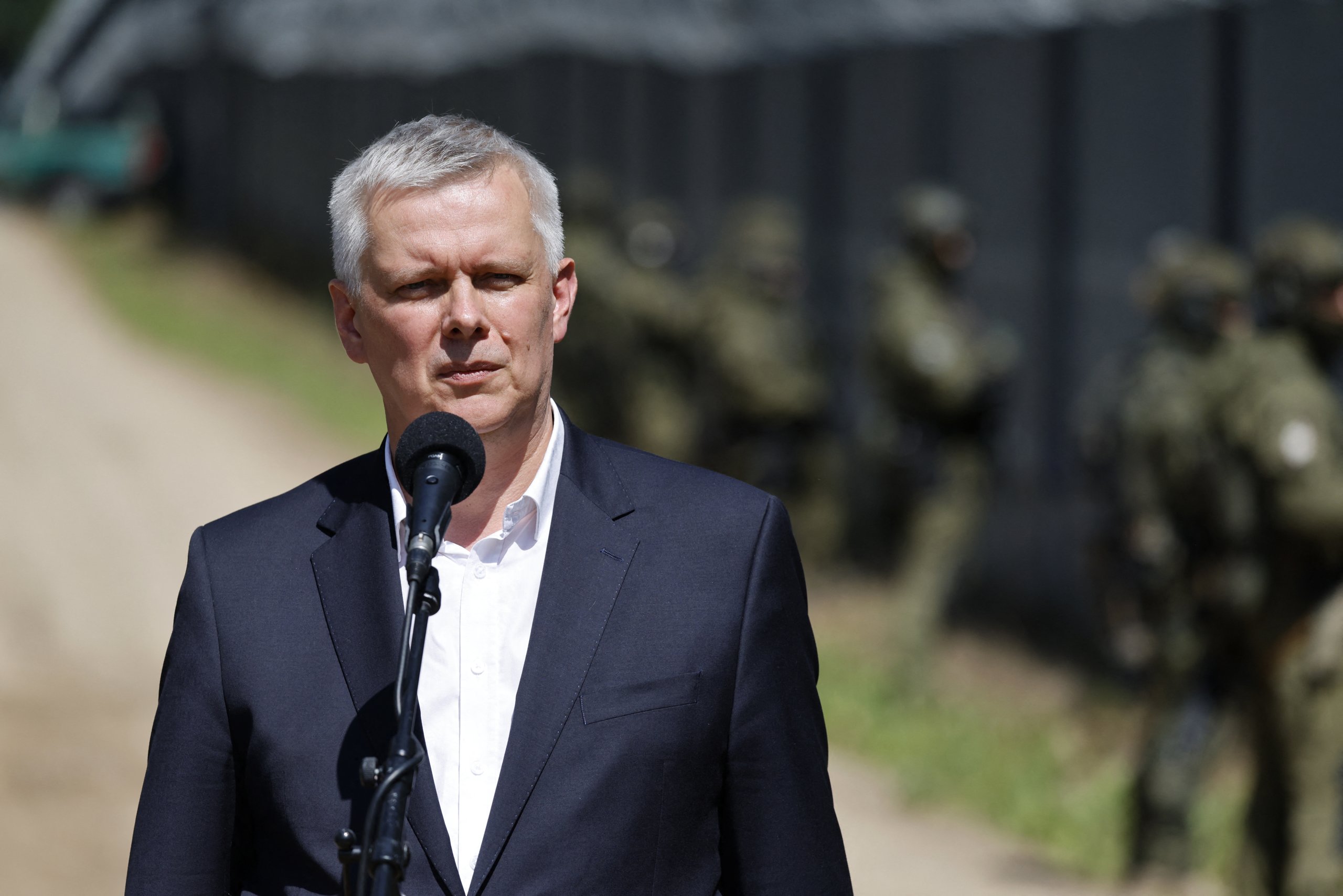
图什·谢莫尼亚克于2025年7月21日在波兰-白俄罗斯边境的波沃采-皮耶施恰特卡举行新闻发布会。| Wojtek Radwanski/AFP via Getty Images负责监督波兰情报部门的部长警告称,乌克兰的和平协议不会结束俄罗斯针对欧洲的破坏活动。
Tomasz Siemoniak gives a press conference at the Polish-Belarusian border in Polowce-Pieszczatka, on July 21, 2025. | Wojtek Radwanski/AFP via Getty Images A peace deal in Ukraine wouldn’t end Russia’s sabotage campaign against Europe, the minister overseeing Poland’s intelligence services has warned.
托马斯·谢莫尼亚克(Tomasz Siemoniak)周一在接受采访时表示,俄罗斯的秘密行动近几个月来有所加剧,并描述了特工们如何将活动范围从在仓库和购物中心纵火,扩大到以铁路、通信设备和国防设施为目标。
Russian covert operations have intensified in recent months, Tomasz Siemoniak said in an interview Monday, describing how operatives have expanded beyond setting fires at warehouses and shopping centers to targeting railways, communications equipment and defense facilities.
他说,有些袭击旨在扰乱对乌克兰的供应,但莫斯科还希望吓唬欧洲政府并削弱北约——即使俄乌战争结束,这些目标依然存在。
Some of the attacks aim to disrupt supplies to Ukraine, he said, but Moscow also wants to intimidate European governments and weaken NATO — objectives that would remain even if the war between Ukraine and Russia ends.
谢莫尼亚克说:“很难想象和平协议会改变俄罗斯领导层的立场,或者阻止其实施这些行动。”
“It is hard to imagine that a peace agreement would change the Russian leadership’s stance or stop it from carrying out these operations,” Siemoniak said.
俄罗斯外交部和俄罗斯驻欧盟使团没有立即回应置评请求,但莫斯科此前曾否认对西方情报部门归咎于它的众多袭击、阴谋和破坏事件承担责任。
The Russian Foreign Ministry and Russia’s mission to the EU didn’t immediately respond to requests for comment, but Moscow has previously denied responsibility for numerous attacks, plots and instances of vandalism attributed to it by Western intelligence services.
他将最近的加剧与俄罗斯挤压乌克兰经济、破坏欧洲国家向基辅运送物资路线的更广泛战略联系起来。他说,作为西方援助的主要中转枢纽,波兰尤其容易受到影响。
He linked the recent intensification to a broader Russian strategy of squeezing Ukraine’s economy and disrupting the routes through which European countries supply Kyiv. Poland, a major transit hub for Western aid, has been particularly exposed, he said.
谢莫尼亚克表示,袭击性质的变化使得仅通过计算事件数量来衡量其强度变得困难。虽然纵火依然相对普遍,但对铁路的单次袭击就可能导致造成大量人员伤亡的灾难。正如《政治报》10月报道的那样,欧盟政府已经开始为此类情况做准备。
Siemoniak said the changing nature of the attacks makes it difficult to measure their intensity by counting incidents alone. While arson remains relatively common, a single attack on a railway could cause a catastrophe with mass casualties. EU governments have already begun preparing for such a scenario, as POLITICO reported in October.
西莫尼亚克表示,其目的不仅仅是破坏基础设施。俄罗斯还希望通过散布恐惧、播种紧张局势以及破坏对欧洲政府的信心来“削弱对乌克兰的支持意愿”。
The aim is not simply to destroy infrastructure. Russia also wants to “weaken the will to support Ukraine,” Siemoniak said, by spreading fear, sowing tensions and undermining confidence in European governments.
西莫尼亚克说,俄罗斯在乌克兰的处境无论是好是坏,“都可能鼓励其扩大混合侵略”,他认为莫斯科可能会试图将更多国家拉入对抗,或阻止其民众支持乌克兰或采取反俄立场。
Both favorable and unfavorable developments for Russia in Ukraine “could encourage it to expand hybrid aggression,” Siemoniak said, arguing that Moscow could try to draw more countries into confrontation or deter their populations from supporting Ukraine or taking anti-Russian stances.
他还表示,周五俄罗斯侵入波兰领空是意外的可能性“接近零”,并称此类事件是试图试探波兰及其北约盟友的反应。
He also said the probability that Friday’s Russian incursion into Polish airspace was accidental was “close to zero,” describing such incidents as attempts to test Poland’s response and that of its NATO allies.
西莫尼亚克说:“这关乎将乌克兰的和平与所谓的欧洲新安全架构联系起来。”
“It’s about linking peace in Ukraine to a so-called new security architecture in Europe,” Siemoniak said.
俄罗斯再次要求北约将其军事存在撤回至1997年的水平,即波兰和波罗的海国家加入北约之前。这意味着撤出驻扎在这些国家以协助防御的盟军部队。目前尚未达成此类让步。
Russia has renewed demands for NATO to roll back its military presence to where it was in 1997, before Poland and the Baltic states joined the alliance. That would mean withdrawing allied forces stationed in those countries to help defend them. No such concessions have been agreed.
西莫尼亚克表示,莫斯科拒绝接受波兰和其他北约成员国能够自行决定其境内部署多少盟军部队和军事设施。
Siemoniak said Moscow refuses to accept that Poland and other NATO members can decide for themselves how many allied troops and military installations they host.
正如《政客》杂志周日报道的那样,一些欧洲官员担心,莫斯科可能会要求限制北约在东欧的部署,以此作为接受乌克兰安全保证的交换条件。
As POLITICO reported Sunday, some European officials fear Moscow could demand restrictions on NATO deployments in Eastern Europe in return for accepting security guarantees for Ukraine.
西莫尼亚克认为,归根结底,莫斯科希望逆转冷战后的变革,当时前苏东集团国家加入了北约和欧盟。他说:“俄罗斯正试图带回冷战时期的势力范围理念。”
Ultimately, Siemoniak argued, Moscow wants to reverse the changes that followed the Cold War, when former Soviet-bloc countries joined NATO and the European Union. “Russia is trying to bring back the Cold War idea of spheres of influence,” he said.