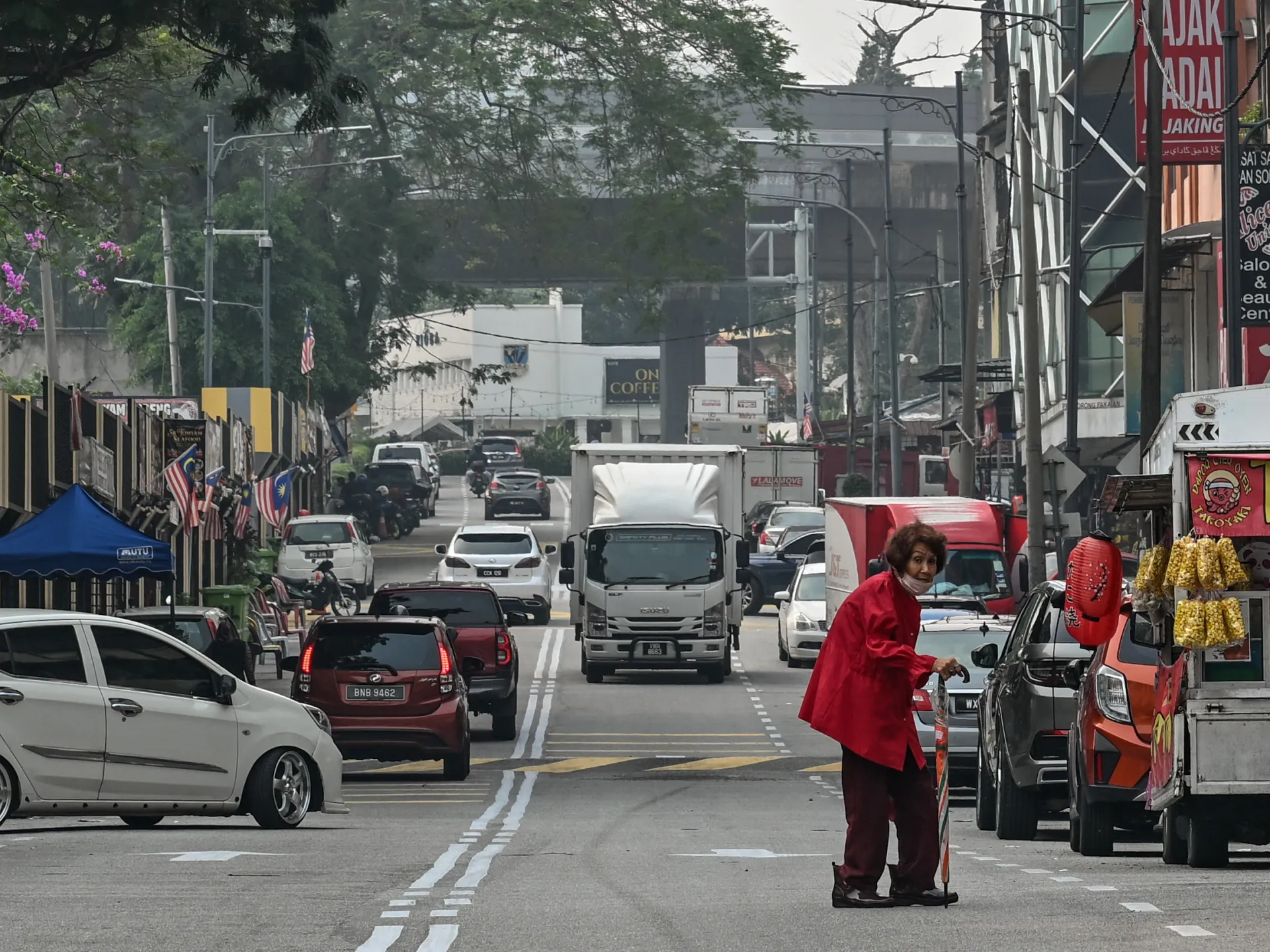
东南亚各地,烟霾再次以熟悉的残酷席卷而来。马来西亚因空气质量恶化而关闭学校,新加坡出现危险水平的空气污染,菲律宾部分地区也受到影响,凸显烟雾扩散之远。与此同时,印度尼西亚的森林和泥炭地火灾——该地区烟霾的主要来源——已威胁到社区和生计,尤其是在加里曼丹的部分地区。一国的土地焚烧,可能演变成整个地区的公共卫生紧急事件。
Across Southeast Asia, the haze has returned with a familiar cruelty. Malaysia has closed schools as air quality deteriorated, Singapore has experienced dangerous levels of air pollution, and even parts of the Philippines have been affected, underscoring how far the smoke has travelled. In Indonesia, meanwhile, forest and peatland fires, a major source of the region’s haze, have threatened communities and livelihoods, particularly in parts of Kalimantan. What begins as land burning in one country can become a public health emergency across an entire region.
应对措施可想而知:扑灭火灾、分发口罩、寻求区域合作。这些都有必要,但都无法解释为何紧急情况反复出现。马来西亚儿童停课、新加坡居民吸入污染空气、菲律宾社区暴露于飘来的烟雾、印尼家庭生活在燃烧的土地附近——他们都为同一项区域性失败承担着不同的代价。
The immediate response is predictable: extinguish fires, distribute masks and seek regional cooperation. All are necessary, but none explains why the emergency keeps returning. Malaysian children missing school, Singaporean residents breathing polluted air, Filipino communities exposed to drifting smoke and Indonesian families living near burning land all bear different costs from the same regional failure.
干燥天气和厄尔尼诺现象可能加剧火灾,但许多火灾是为清理农业用地而故意点燃的。更深层的问题是,为何造成巨大公共损失的做法,仍能对受益者保持吸引力。当廉价土地清理的收益集中,而烟雾的成本却分散到各个社区和国家边界之外时,市场信号就被扭曲,政治责任也更容易逃避。
Dry weather and El Nino can intensify fires, but many are deliberately started to clear land for agriculture. The deeper question is why practices that create enormous public losses can remain attractive to those who benefit from them. When the gains from cheap land preparation are concentrated while the costs of smoke are dispersed across communities and national borders, the market signal is distorted and political responsibility becomes easier to evade.
因此,烟霾不仅仅是一场环境紧急事件或外交善意的考验。它扰乱日常生活,给公共服务带来压力,并暴露出环境成本如何轻易地转移给制造者之外的人。这是一场经济问责的失败。除非东南亚改变谁为损害买单、如何监测土地清理决策以及对被证实的违规行为采取什么后果,否则每个旱季都将带来另一轮紧急措施,随后是关于责任归属的熟悉争论。
The haze is therefore not merely an environmental emergency or a test of diplomatic goodwill. It disrupts ordinary life, strains public services and exposes how easily environmental costs can be shifted away from those who create them. It is a failure of economic accountability. Unless Southeast Asia changes who pays for the damage, how land-clearing decisions are monitored and what consequences follow proven violations, each dry season will bring another round of emergency measures followed by familiar arguments over blame.
廉价土地清理的经济学 火灾可以是一种廉价的植被清除方式,尤其是在土地治理薄弱、替代方法成本高昂且执法不确定的地区。私人计算很简单:在土地准备上花费更少,并获取回报。火灾会导致呼吸系统疾病、工作日损失、学校停课和交通中断,同时还会破坏生态系统并释放温室气体。这些成本很少由放火者全额承担。
The economics of cheap land clearing Fire can be an inexpensive way to clear vegetation, especially where land governance is weak, alternative methods are costly and enforcement is uncertain. The private calculation is straightforward: spend less on land preparation and capture the returns. The fires cause respiratory illness, lost working days, school closures and transport disruption, while also damaging ecosystems and releasing greenhouse gases. Those costs are rarely borne in full by those responsible for the burning.
世界银行对印度尼西亚2015年火灾危机的评估估计损失至少为161亿美元,相当于当年国内生产总值(GDP)的1.9%。政府数据显示,6月至10月期间燃烧的面积为260万公顷。该行将火灾与廉价土地准备、干旱和执法不力联系起来。其估计涵盖了农业、贸易、旅游、交通、医疗和应急响应,但排除了部分长期健康损害和生态系统服务损失。
The World Bank’s assessment of Indonesia’s 2015 fire crisis estimated losses of at least $16.1bn, equivalent to 1.9 percent of that year’s gross domestic product (GDP). Government figures put the area burned between June and October at 2.6 million hectares. The bank linked the fires to cheap land preparation, drought and weak enforcement. Its estimate covered agriculture, trade, tourism, transport, healthcare and emergency response, but excluded some long-term health damage and lost ecosystem services.
这一数字并非2026年火灾的价格标签。它显示了反复发生的危机可能造成的损失规模。更近期的估计显示,今年印度尼西亚燃烧的面积在63.7万至90万公顷之间,而卫生部数据显示,截至10月13日,七个省份因火灾导致的呼吸系统疾病病例达到283,270例。在西加里曼丹省,火灾还威胁到社区和生计,凸显了生活在火灾附近的印尼人在烟雾邻近国家之前就已经承担了成本。
That figure is not a price tag for the 2026 fires. It shows the scale of losses a recurrent crisis can impose. More recent estimates put the area burned in Indonesia this year at between 637,000 and 900,000 hectares, while Ministry of Health data recorded 283,270 cases of respiratory illness linked to the fires in seven provinces as of October 13. In West Kalimantan province, fires have also threatened communities and livelihoods, underscoring that Indonesians living beside the flames bear costs long before smoke reaches neighbouring countries.
这是经济失真的核心:燃烧的成本并未完全体现在燃烧决策中。当利益归私人所有,而健康损失、收入损失和生态破坏由社会承担时,即使总成本巨大,火灾在经济上仍可能具有吸引力。小农需要负担得起且实用的替代燃烧方案;当证据将企业与火灾关联时,企业必须面临可信的法律责任;泥炭地需要持续的恢复和水资源管理,而不仅仅是在烟雾在政治上变得尴尬时才进行紧急干预。
This is the central economic distortion: the cost of burning is not fully reflected in the decision to burn. When benefits accrue privately, but health costs, lost income and ecological damage are borne by society, fire can remain economically attractive even when its total cost is enormous. Small farmers need affordable, practical alternatives to burning; companies must face credible liability when evidence links them to fires; and peatlands need sustained restoration and water management, not emergency attention only when smoke becomes politically embarrassing.
东盟的责任缺口 烟雾会跨越国界,但责任和执行仍主要停留在国家层面。将污染追溯到特定火灾、识别责任方并证明跨境危害可能很困难。卫星热点是一个警示信号,但本身并不能证明是谁引发了火灾,或某公司是否应承担责任。
ASEAN’s accountability gap Smoke travels across borders, but responsibility and enforcement remain largely national. Tracing pollution to a particular fire, identifying those responsible and proving cross-border harm can be difficult. A satellite hotspot is a warning signal, but not by itself proof of who started a fire or whether a company is liable.
东南亚国家联盟(ASEAN)并非毫无规则。其《跨界雾霾污染协定》于2002年签署,2003年生效;印度尼西亚于2014年批准。该地区还拥有“无雾路线图”和2023-2030年可持续泥炭地管理战略。但协议无法替代持续的执行、透明的监管或使预防在经济上合理的激励机制。
The Association of Southeast Asian Nations (ASEAN) is not without rules. Its Agreement on Transboundary Haze Pollution was signed in 2002 and entered into force in 2003; Indonesia ratified it in 2014. The region also has a Haze-Free Roadmap and a strategy for sustainable peatland management for 2023-30. But agreements cannot substitute consistent implementation, transparent enforcement or incentives that make prevention economically rational.
挑战在于将这些承诺转化为有效行动。合作可以改善监测和准备,但当国家执行不一致或商业利益抵制审查时,ASEAN基于共识的外交手段影响力有限。其无雾土地管理投资框架旨在到2030年动员15亿美元。然而,仅靠资金不足以奏效——还需要透明的支出、可衡量的成果以及对反复发生火灾的问责。
The challenge is translating these commitments into effective action. Cooperation can improve monitoring and preparedness, but ASEAN’s consensus-based diplomacy has limited leverage when national enforcement is inconsistent or commercial interests resist scrutiny. Its investment framework for haze-free land management aims to mobilise $1.5bn by 2030. Yet money alone will not suffice without transparent spending, measurable outcomes and accountability for repeated fires.
这并不意味着每场火灾都是由大公司引起的,或吉隆坡或新加坡的所有污染都源自印度尼西亚。当地排放和天气条件也很重要,火灾可能涉及公司、小农户或其他行为者。追究责任需要进行调查,以确定责任人并区分已证实的违规行为和怀疑。一概指责会让肇事者在关于主权的争论中消失,而缺乏透明证据则会削弱邻国之间的信任。让污染者承担成本东盟外长们将在该集团于马尼拉举行的11月峰会前的筹备会议上讨论雾霾危机。他们的讨论应以是否能将该地区从管理雾霾转向预防雾霾来评判。
This does not mean every fire is caused by a large corporation or that all pollution in Kuala Lumpur or Singapore originates in Indonesia. Local emissions and weather conditions matter, and fires may involve companies, smallholders or other actors. Accountability requires investigations that identify those responsible and distinguish proven violations from suspicion. Blanket blame lets offenders disappear into arguments about sovereignty, while a lack of transparent evidence erodes trust between neighbours. Making polluters bear the cost ASEAN foreign ministers are due to discuss the haze crisis at preparatory meetings before the bloc’s November summit in Manila. Their discussions should be judged by whether they shift the region from managing haze to preventing it.
首先,成员国应发布可比较的数据,涵盖受燃面积、火灾复发情况、特许权和执法成果。卫星探测应与实地调查交叉核对,特许权地图应向社区和独立研究人员公开以供审查。更高的透明度将使通过相互争论来掩盖责任变得更加困难。
First, member states should publish comparable data on burned areas, fire recurrence, concessions and enforcement outcomes. Satellite detections should be cross-checked with field investigations, and concession maps should be made available for scrutiny by communities and independent researchers. Greater transparency would make it harder to obscure responsibility through competing claims.
其次,政府应将污染者付费原则付诸实践。在调查确定责任的情况下,处罚和修复命令应反映所造成的损害,而反复违规应触发更严厉的后果。环境责任必须基于证据并始终如一地适用,而不应被用作政治武器。处罚也必须足够严厉,以威慑违规行为,而不仅仅成为经营成本。
Second, governments should put the polluter-pays principle into practice. Where investigations establish responsibility, penalties and restoration orders should reflect the damage caused, while repeat violations should trigger stronger consequences. Environmental liability must be evidence-based and applied consistently, not used as a political weapon. Penalties must also be substantial enough to deter violations rather than simply become a cost of doing business.
第三,预防必须在经济上可行。小农需要机械、技术援助、信贷和市场准入,才能使焚烧的替代方案变得负担得起。泥炭地重新注水、防火带和基于社区的监测需要在旱季到来前获得可预测的资金,而不是在火势蔓延后临时拨款。东盟的投资框架可以帮助动员资源,但政府应当公开资金去向,并评估其在减少火灾和烟雾暴露方面的影响。
Third, prevention must be economically viable. Smallholders need machinery, technical assistance, credit and access to markets to make alternatives to burning affordable. Peatland rewetting, firebreaks and community-based monitoring require predictable funding before the dry season, rather than ad hoc budgets after fires spread. ASEAN’s investment framework can help mobilise resources, but governments should disclose where funds go and assess their impact on reductions in fires and smoke exposure.
最后,东盟应发布一份与其2030年无雾霾目标挂钩的地区记分卡。它应不仅追踪热点和燃烧面积,还应追踪反复发生的火灾、响应时间、执法情况、泥炭地恢复、学校停课以及人口暴露于危险空气的情况。没有任何地区机制能够取代印度尼西亚在其领土上防止火灾的责任。但主权不能意味着一旦烟雾越过边境,国内土地利用决策的成本就会被忽视。原则应当简单明了:从事高风险行为的获利方不应被允许将账单转嫁给因停课而失学的儿童、失去工资的工人、生病的家庭或邻国。
Finally, ASEAN should publish a regional scorecard tied to its 2030 haze-free goal. It should track not only hotspots and hectares burned, but also repeat fires, response times, enforcement, peatland restoration, school closures and population exposure to dangerous air. No regional mechanism can replace Indonesia’s responsibility to prevent fires on its territory. But sovereignty cannot mean that the costs of domestic land-use decisions are ignored once smoke crosses a border. The principle should be simple: those who profit from risky practices must not be allowed to transfer the bill to children missing school, workers losing wages, sick families or neighbouring states.
超过二十年来,东盟一直有协议、战略和路线图。雾霾的卷土重来并未使这些努力变得毫无价值;它表明预防工作仍然不足。如果领导人离开十一月的会议时,只带来另一份宣言,却没有透明的指标、可信的执行以及对替代方案的资金支持,该地区将再次只治标不治本,而保留那些产生问题的激励机制。经济问责不是雾霾政策的附加项,而是使该政策发挥作用的前提条件。
For more than two decades, ASEAN has had agreements, strategies and roadmaps. The haze’s return does not make these efforts worthless; it shows prevention remains inadequate. If leaders leave November’s meetings with another declaration but no transparent metrics, credible enforcement and funding for alternatives, the region will once again treat the symptoms while preserving the incentives that produce them. Economic accountability is not an add-on to haze policy. It is the condition for making that policy work.