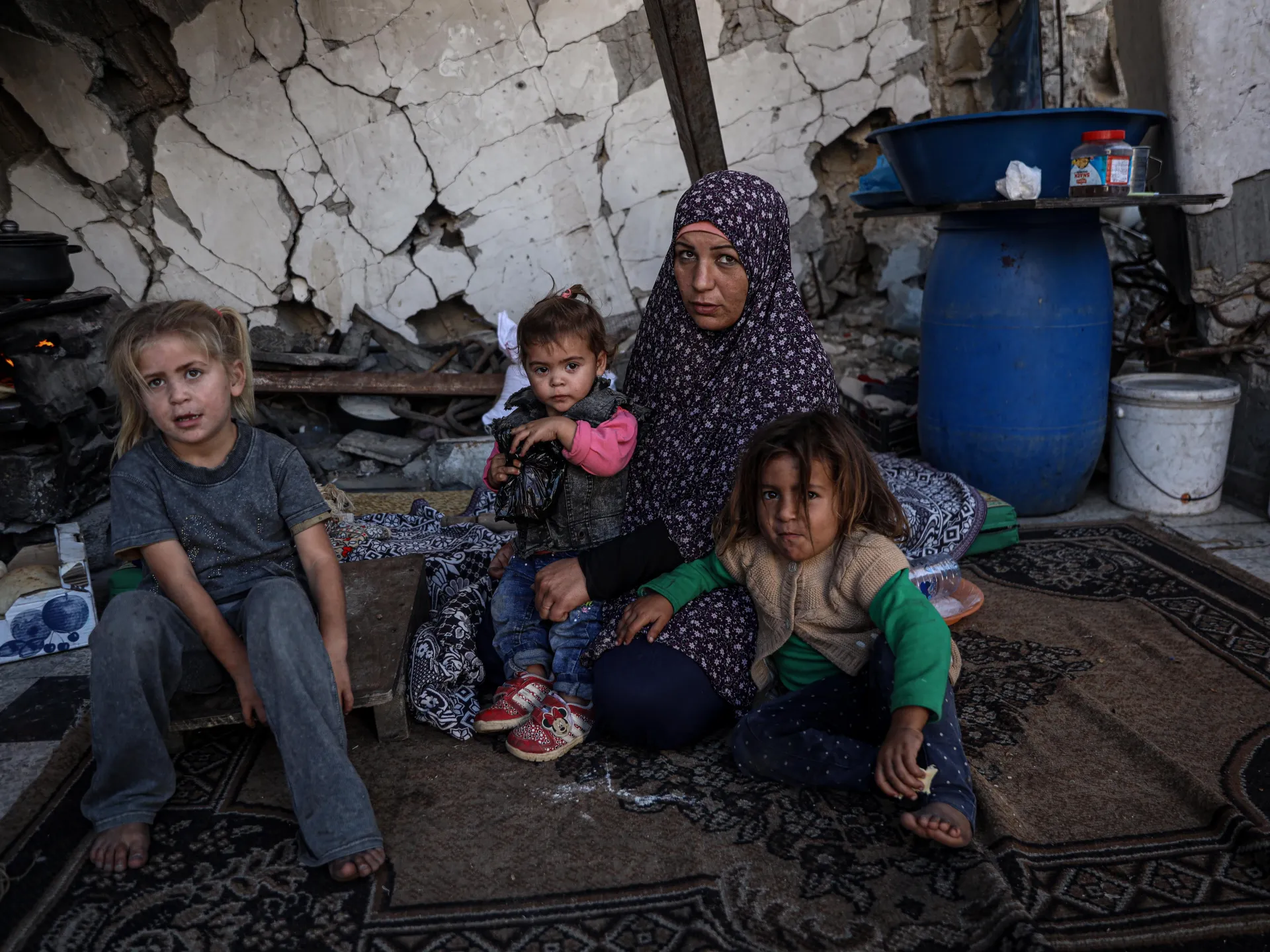
胡达·阿布·莱拉已经好几个月不得不只给五个女儿端上茶和面包当早餐了。但本周,这位30岁的妇女又不得不这样做,原因是以色列本月早些时候限制了进入加沙地带的货物。
It has been months since Huda Abu Leila had to resort to serving only tea and bread to her five daughters for breakfast. But this week, that’s what the 30-year-old has had to do, after Israel restricted the entry of goods into Gaza earlier this month.
在经历了以色列对加沙地带持续三年的种族灭绝战争以及随之而来的封锁之后,市场常常空空如也,商品价格高昂,胡达早已习惯了为18个月至10岁的五个孩子提供均衡、营养饮食的艰难。
After living through three years of Israel’s genocidal war on Gaza and the accompanying blockade that often leaves markets partly empty and goods unaffordable, Huda is used to struggling to provide her children – aged between 18 months and 10 years – with a balanced and nutritious diet.
但目前商品短缺、食品价格上涨、人道主义援助削减的局面,让她更难在餐桌上摆上足够的食物。
But the current situation, with shortages of commercial goods, rising food prices, and cuts to humanitarian assistance, has made it ever harder for her to put enough food on the table.
“我们立刻就受到了影响。买不到鸡蛋或牛奶,也没有钱囤积食物,”胡达说。
“We were affected immediately. We couldn’t find eggs or milk, and we don’t have the money to stock up on food,” Huda said.
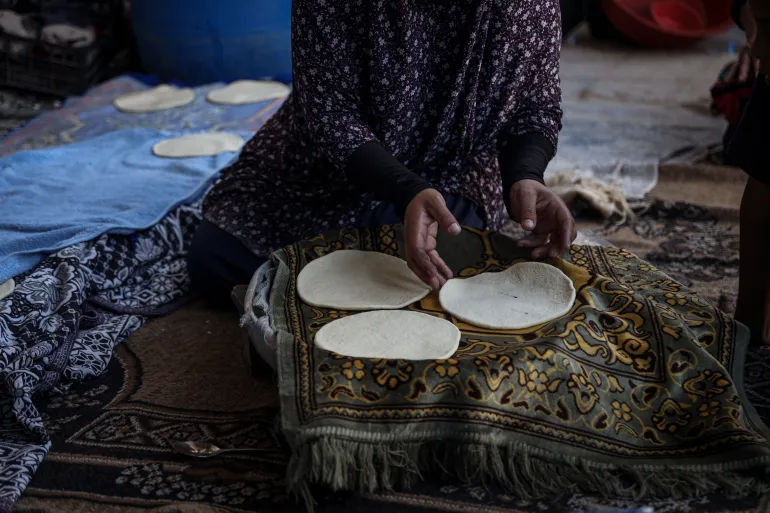
她和女儿们住在加沙城西部的一顶帐篷里。她的丈夫在战争中受伤,已无法工作,而她靠给别人烤面包挣一点钱。
She lives with her daughters in a tent in western Gaza City. Her husband was injured during the war and can no longer work, while she earns a little money by baking bread for other people.
有些天,一家人吃罐装豆子配杜卡——一种当地香料混合物——或扎塔尔。在食物不那么容易获得的日子里,比如本周,他们就把面包蘸茶吃。
Some days, the family eats canned beans with duqqa – a local spice blend – or za’atar. On days when food is not as readily available, like this week, they dip bread in tea.
她最担心的是,日益恶化的局势将如何影响孩子们的健康,尤其是她已经很难为他们提供足够的营养食物。
What worries her most is how the worsening situation will affect her children’s health, particularly as she is already struggling to provide them with enough nutritious food.
以色列10月14日停止了进入加沙地带的商业运输,扰乱了食品和其他必需品的供应,而正面临高物价的家庭又遭遇了进一步的短缺。
Israel halted commercial shipments into Gaza on October 14, disrupting supplies of food and other essential goods as families already struggling with high prices faced further shortages.
这一暂停发生在关于要求商人每辆卡车支付10000谢克尔(3225美元)才能将货物带入该飞地的争议之中。10月19日,以色列宣布商业运输将逐步恢复。
The suspension came amid a dispute over a demand for merchants to pay 10,000 shekels ($3,225) per truck to bring goods into the enclave. On October 19, Israel announced that commercial shipments would gradually resume.
以色列负责协调加沙地带援助和商业准入的军事机构“以色列国防军协调政府活动局”(COGAT)表示,商户报告称哈马斯已撤回该要求。哈马斯将这笔款项描述为自愿捐赠,用于支持受战争影响人群的基金。
The Israeli military body responsible for coordinating aid and commercial access to Gaza, COGAT, said merchants had reported that Hamas had withdrawn the demand. Hamas described the payment as a voluntary contribution to a fund supporting people affected by the war.
与此同时,人道主义援助也在减少。10月19日,联合国世界粮食计划署(WFP)宣布,资金短缺迫使其削减加沙地带的粮食援助。
The disruption comes as humanitarian assistance is also reduced. On October 19, the United Nations World Food Programme (WFP) announced that funding shortages had forced it to cut food assistance in Gaza.
该计划署减少的受助人数从9月的160万减至10月的110万。
The programme reduced the number of people it supports from 1.6 million in September to 1.1 million in October.
粮食配给也减半,家庭领取的食品包从两份减为一份,小麦粉袋也变小了。世界粮食计划署每日提供的热餐数量从25万份减至15万份。
It has also halved food rations, with families receiving one food parcel instead of two, alongside a smaller bag of wheat flour. The number of hot meals WFP provides daily has been reduced from 250,000 to 150,000.
世界粮食计划署表示,加沙地带约140万人(约占人口的三分之二)面临危机级或更严重的急性粮食不安全。
WFP said about 1.4 million people in Gaza, approximately two-thirds of the population, were facing acute food insecurity at crisis levels or worse.
2025年8月,加沙城宣布发生饥荒。联合国支持的“综合粮食安全阶段分类”(IPC)在同年12月表示,在加沙停火开始两个月后,饥荒已有所缓解。
Famine was declared in Gaza City in August 2025. The UN-backed Integrated Food Security Phase Classification said in December of the same year that it had receded after the beginning of the Gaza ceasefire two months earlier.
加沙流离失所的巴勒斯坦家庭担心食品价格上涨和援助削减会影响孩子的健康和营养 [Abdelhakim Abu Riash/Al Jazeera] 家庭难以提供营养餐 对于胡达来说,这场危机意味着她再也买不起女儿们均衡营养饮食所需的许多食物。
Displaced Palestinian families in Gaza fear the impact of rising food prices and aid cuts on their children’s health and nutrition [Abdelhakim Abu Riash/Al Jazeera] Families struggle to provide nutritious meals For Huda, the crisis means she can no longer afford many of the foods her daughters need for a balanced and nutritious diet.
鸡蛋变得太贵了。一位店主最近向她报价,一盘鸡蛋要60谢克尔(19.40美元)。她还表示,一些商店似乎在囤积货物。
Eggs have become too expensive. A shopkeeper recently quoted her 60 shekels ($19.40) for a tray. She also said some shops appeared to be holding back stock.
新鲜蔬菜也变得难以负担。她去菜市场通常一周一次,现在只买少量。
Fresh vegetables have also become difficult to afford. When she goes to the market, which she usually does about once a week, she buys only small quantities.
“洋葱每公斤约10谢克尔(3.25美元),西红柿每公斤在10到15谢克尔之间(3.25到4.85美元)”,她说。
“Onions cost about 10 shekels [$3.25] per kilogramme, while tomatoes cost between 10 and 15 shekels per kilogramme [$3.25 and $4.85],” she said.
由于以色列的战争及其对加沙地带重建基础设施和经济的限制,加沙绝大多数人口处于失业状态。
The vast majority of Gaza’s population is unemployed as a result of Israel’s war and its restrictions on allowing the territory to rebuild its infrastructure and economy.
食物短缺开始对胡达的孩子们产生影响。她说,他们难以集中注意力,经常感到头晕和精疲力竭。
The lack of food is starting to have an impact on Huda’s children. She says that they are struggling to concentrate, and often become dizzy and exhausted.
她大女儿萨尔玛的健康状况已变得非常糟糕,正在加沙的兰蒂西医院接受后续治疗,一名医生建议胡达改善女儿的饮食。
The health of her eldest daughter, Salma, has become so poor that she is receiving follow-up care at al-Rantisi Hospital in Gaza, where a doctor advised Huda to improve her daughter’s diet.
“过去三年里我们经历了太多苦难,”她说。“我担心如果无法给女儿们提供足够有营养的食物,她们会生病。” 拉伊达·索博赫表示,她的家庭已依赖社区厨房数月,而她的孩子们已数月未喝奶、吃肉、蛋和奶酪 [阿卜杜勒哈基姆·阿布·里亚什/半岛电视台] 营养不良担忧 对于40岁的拉伊达·索博赫来说,养活九口之家的挣扎意味着孩子们已数月未能吃到维持健康所需的一些食物。
“We have been through so much hardship over the past three years,” she said. “I worry that my daughters will get sick if I cannot provide them with enough nutritious food.”Raeda Soboh says her family has relied on community kitchens for months, while her children have gone without milk, meat, eggs and cheese [Abdelhakim Abu Riash/Al Jazeera] Fears of malnutrition For Raeda Soboh, 40, the struggle to feed her nine-member family means her children have gone months without some of the foods they need to stay healthy.
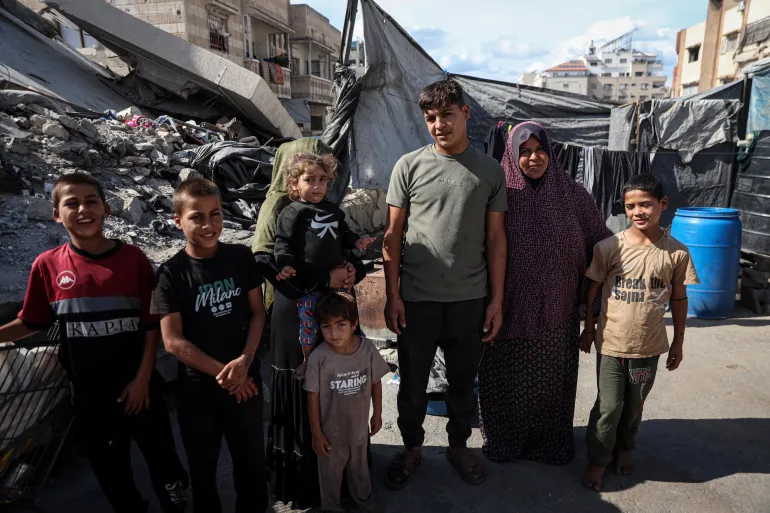
这位流离失所的母亲,原籍加沙北部的贝特拉希亚,现居住在加沙城。她说,即使在最近商业供应中断之前,她的家庭就已长期依赖当地称为“泰基亚”的社区厨房。“哪个厨房有饭,我们就去哪个厨房吃,”她说。
The displaced mother, originally from Beit Lahiya in northern Gaza but now living in Gaza City, said her family had long depended on community kitchens, known locally as tekkiya, even before the latest disruption to commercial supplies. “When a kitchen has food, we eat from it,” she said.
她的孩子们通常早餐喝茶,午餐吃社区厨房提供的一餐。晚餐有时吃法拉费尔、米饭、扁豆或意面。但她表示,牛奶、肉类、鸡蛋和奶酪已从他们的饮食中缺席约八个月。她上次买蔬菜还是大约一个月前。
Her children usually have tea for breakfast and a meal from a community kitchen for lunch. In the evening, they sometimes eat falafel, rice, lentils or pasta. But milk, meat, eggs and cheese have been absent from their diet for about eight months, she said. She last bought vegetables about a month ago.
“我不买质量好的东西。我只买我们需要的、我们勉强能付得起的东西,”索博赫说。她的经历反映了加沙各地对儿童营养的更广泛担忧。
“I don’t buy good-quality things. I buy only what we need and what we can manage to pay for,” Soboh said. Her experience reflects wider concerns about children’s nutrition across Gaza.
根据联合国人道主义事务协调厅(OCHA)的数据,9月份有超过2800名儿童因营养不良入院治疗,其中包括超过360名患有严重急性营养不良的儿童。
According to the UN Office for the Coordination of Humanitarian Affairs (OCHA), more than 2,800 children were admitted for malnutrition treatment in September, including more than 360 with severe acute malnutrition.
OCHA在10月19日发布的一份报告中表示,每月约有3000名6个月至5岁的儿童继续因营养不良入院治疗。
About 3,000 children aged between six months and five years continued to be admitted for malnutrition treatment each month, OCHA said in a report published on October 19.
联合国儿童基金会(UNICEF)支持的一项营养调查于8月发布,结果显示,在研究人员可进入的地区,12.2%的5岁以下儿童受发育迟缓影响,这是一种与长期营养和健康问题相关的生长受损迹象。
A UNICEF-supported nutrition survey published in August also found that 12.2 percent of children under five in areas accessible to researchers were affected by stunting, a sign of impaired growth associated with prolonged nutritional and health problems.
加沙城儿科医生兼营养专家Mohamed B Alraee博士警告称,对进入加沙的食品供应实施的长期限制可能导致儿童营养不良进一步加剧,儿童已经错过了生长和恢复所需的均衡膳食。
Dr Mohamed B Alraee, a paediatrician and nutrition specialist in Gaza City, warned that prolonged restrictions on food supplies entering Gaza could lead to a further increase in child malnutrition, with children already missing the balanced meals they need to grow and recover.
他表示,尽管在早期饥荒时期过后有所改善,但医院仍继续接收患有中度和重度营养不良的儿童。病例不限于5岁以下儿童,5至17岁的大龄儿童也受到影响。
Despite improvements after earlier periods of famine, hospitals continue to receive children with moderate and severe malnutrition, he said. Cases are not limited to children under five, with older children, including those aged five to 17, also affected.
Alraee表示,一些儿童患有伴随腿部水肿的严重营养不良,这是一种与严重蛋白质缺乏相关的病症。他将这些病例归因于家庭靠以碳水化合物为主的单一餐食生存,且蛋白质摄入不足,因为他们负担不起更有营养的食物。
Alraee said some children were suffering from severe malnutrition accompanied by swelling in the legs, a condition associated with serious protein deficiency. He linked these cases to families surviving on a single meal dominated by carbohydrates without enough protein, because they cannot afford more nutritious food.
“即使过境口岸开放、食物能够进来时,我们仍在看到这些病例。儿童不会在一两个月内从营养不良中恢复。有些病例需要三到六个月才能恢复,”他说。“如果情况持续下去,我们预计会看到更多营养不良病例。”
“Even when the crossings were open and food was entering, we were still seeing these cases. Children do not recover from malnutrition in a month or two. Some cases need three to six months to recover,” he said. “If the situation continues like this, we expect to see more cases of malnutrition.”
对于拉伊达来说,后果已经体现在孩子们的日常生活中。她说,孩子们变得虚弱、容易疲惫,这让她担心数月的食物不足会对他们的健康造成什么影响。
For Raeda, the consequences are already visible in her children’s daily lives. She said they had become weak and easily exhausted, leaving her worried about what months of inadequate food could mean for their health.
“他们似乎整天都在睡觉。当我让其中一个去提水桶,他可能勉强能提一次,但第二次就提不动了,”她说。“我为他感到心疼,问自己:他获得适当营养了吗?他像其他孩子一样吃东西吗?”
“They seem to spend the whole day sleeping. When I ask one of them to carry a water container, he might manage it once but cannot do it a second time,” she said. “I feel sorry for him and ask myself: is he getting proper nutrition? Is he eating like other children?”
拉伊达说,这个家庭没有可靠的收入来源。她还表示,他们居住的地区未被认定为官方营地,因此无法获得其他一些营地所领取的同等援助券和卫生用品。
The family has no reliable source of income, Raeda said. She also said the area where they live is not recognised as an official camp, leaving them without the same aid vouchers and hygiene supplies received by some other camps.
像加沙的许多父母一样,她只能靠能找到、买得起的任何食物,勉力满足孩子们的基本需求。
Like many parents in Gaza, she is left trying to meet their basic needs with whatever food she can find and afford.
“我希望有人能帮助我们,在这艰难时刻与我们站在一起,”拉伊达说。“我希望战争结束,局势好转,过境口岸开放,这样物价才能下降。”
“I hope someone will help us and stand with us in these difficult circumstances,” Raeda said. “I hope the war ends, the situation improves and the crossings open, so prices can come down.”