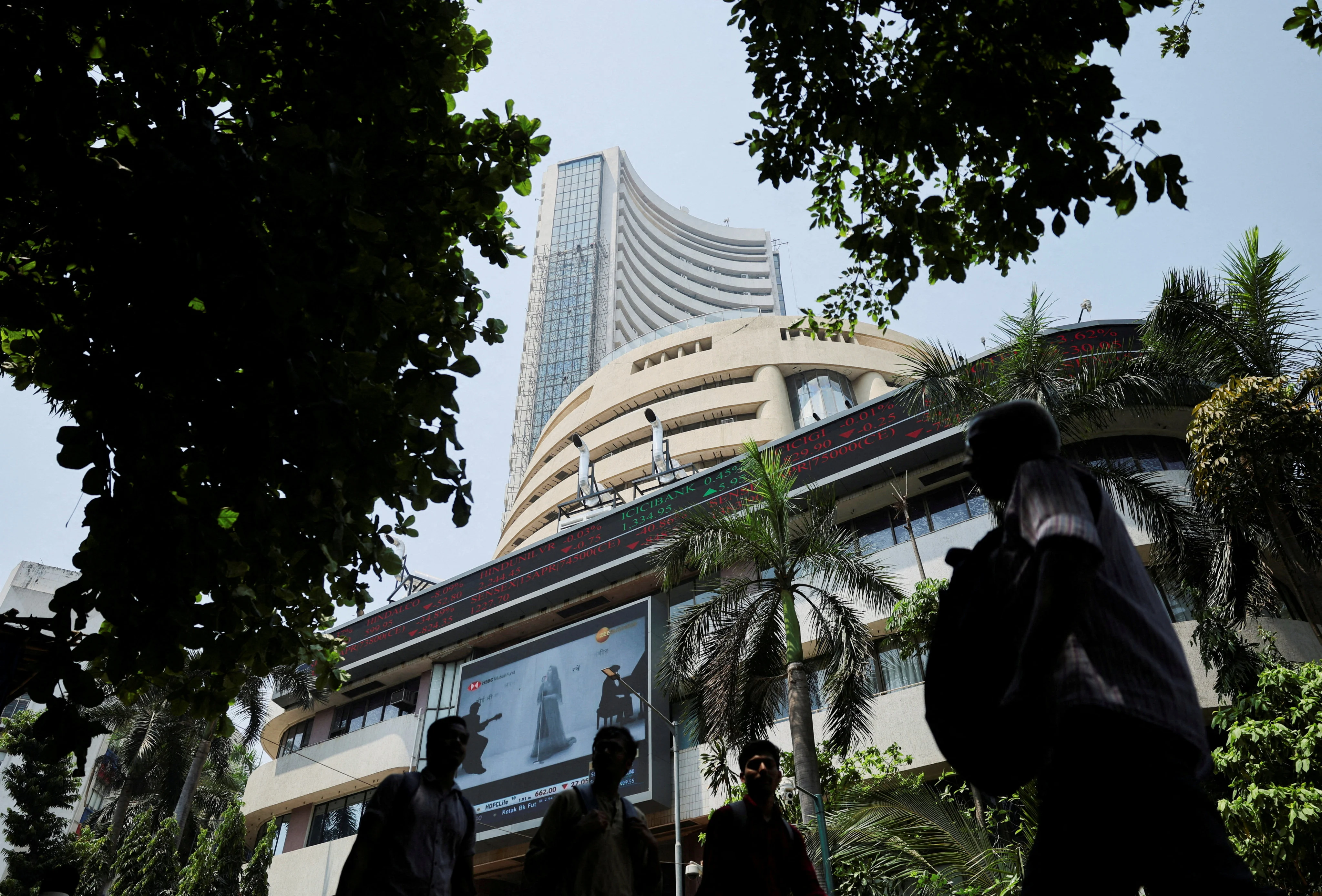
在亚洲基金经理的情绪方面,印度尼西亚和印度明显不受青睐。美国银行10月13日发布的一项调查结果显示,亚洲第五大和第三大经济体是该地区最不受青睐的股票市场。
When it comes to sentiment among Asian fund managers, Indonesia and India are distinctly out of favour. The findings of a survey by Bank of America on October 13 revealed that Asia’s fifth- and third-largest economies were the least preferred equity markets in the region.
今年以来,雅加达综合指数已下跌39%,使其成为全球表现最差的股市。与此同时,印度标普CNX Nifty 50指数下跌12.7%,有望录得连续10年上涨后的首次年度跌幅。
Since the beginning of this year, the Jakarta Composite Index has fallen 39 per cent, making it the world’s worst-performing stock market. India’s Nifty 50 Index, meanwhile, is down 12.7 per cent, putting it on track to record its first yearly decline following 10 straight years of gains.
特别令人担忧的是,印尼和印度面临的问题通常与老式的新兴市场危机相关。这些脆弱性包括本币兑美元跌至历史低位、外资大规模流出、被迫更激进地加息以及险恶的外部环境。
What is particularly troubling is that the problems faced by Indonesia and India are ones typically associated with old-fashioned emerging market crises. These vulnerabilities include declines in local currencies to record lows versus the US dollar, large outflows of foreign capital, pressure to raise interest rates more aggressively and a treacherous external environment.
然而,尽管两国的抛售有某些相似之处,但它们彼此截然不同。印尼的金融困境是本土滋生且结构性的,源于该国未能充分拥抱建立政策公信力和可预测性所需的改革。相比之下,印度的问题是由外部驱动的,并凸显了决策者在使经济更具韧性和投资吸引力方面取得的成功。
However, while the sell-offs in both countries share certain similarities, they are distinct from each other. Indonesia’s financial woes are home-grown and structural, stemming from the nation’s failure to fully embrace the reforms required to establish policy credibility and predictability. India’s problems, by contrast, are externally driven and accentuate policymakers’ success in making the economy more resilient and investible.
印尼面临的挑战尤为迫切。10月15日,指数编制机构MSCI表示,已就一项将印尼股票从“新兴市场”重新分类为“独立市场”地位的提案,启动了与市场参与者的磋商。这将把东南亚最大经济体与饱受战火蹂躏的乌克兰和黎巴嫩归为一类。
The challenges confronting Indonesia are particularly pressing. On October 15, index provider MSCI said it had launched a consultation with market participants on a proposal to reclassify Indonesian stocks from “emerging market” to “stand-alone” status. This would lump Southeast Asia’s largest economy together with war-torn Ukraine and Lebanon.
MSCI此前曾考虑将印度尼西亚股市降级为前沿市场——这一类别比新兴市场风险更高——但表示,仅降低一级“将无法恰当反映市场问题的深度”。MSCI指出,“股权结构持续不透明以及疑似协调交易行为”,并因“缺乏有意义执法的证据”而加剧。
While MSCI had previously considered downgrading Indonesian equities to frontier market – a riskier category than emerging market – it said a one-notch downgrade “would not properly recognise the depth of the market problems”. MSCI pointed to “persistent opacity in shareholding structures and suspected coordinated trading behaviour”, exacerbated by a “lack of evidence of meaningful enforcement”.
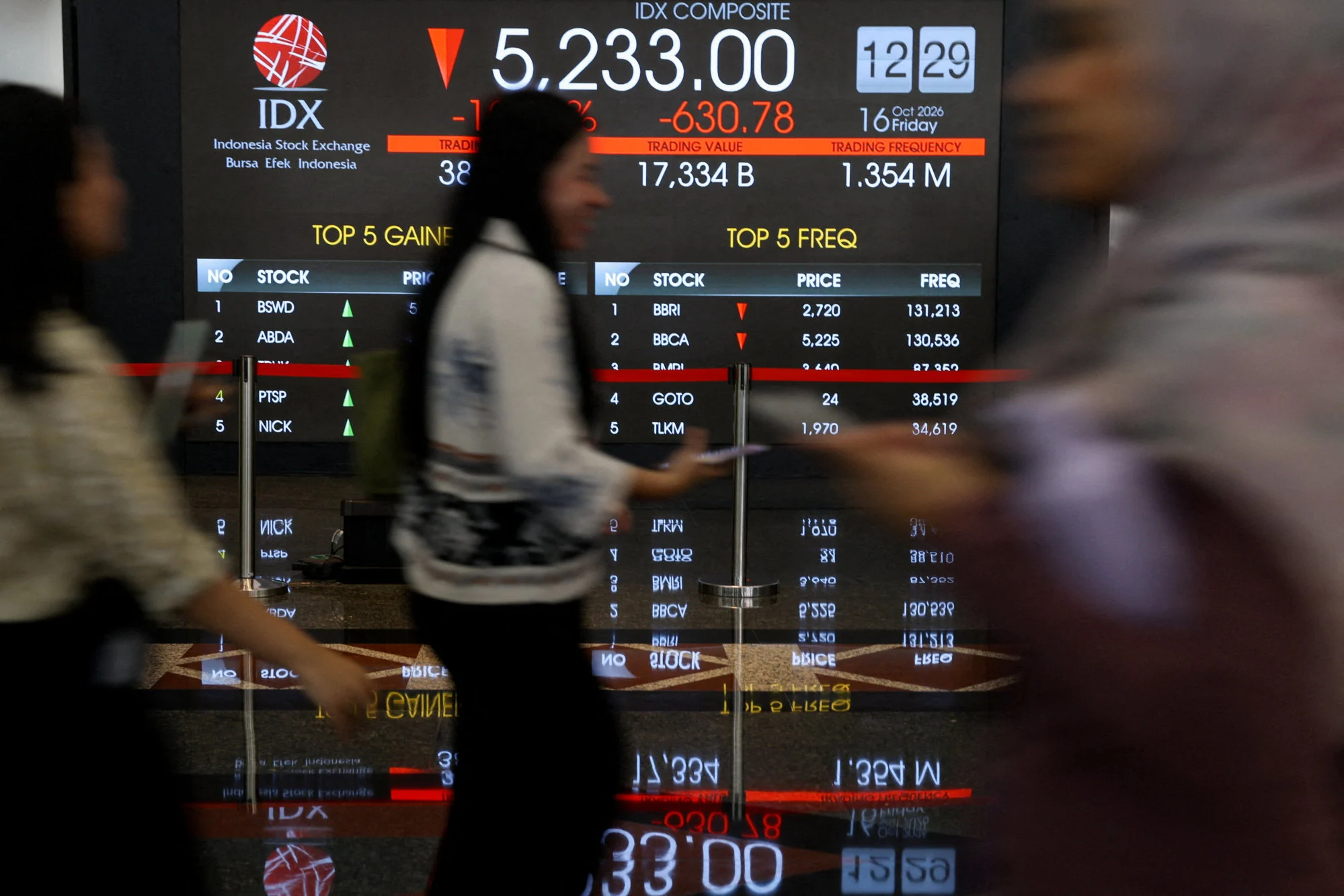
10月16日,印尼股市遭遇自1997-98年亚洲金融危机以来最大单日跌幅。如果该国被踢出MSCI主要股票指数,这将成为首个因“市场诚信失效”而非制裁和资本管制(此前导致指数剔除的原因)被降为独立地位的新兴市场。
On October 16, Indonesian shares suffered their sharpest daily decline since the 1997-98 Asian financial crisis. If the country is ejected from MSCI’s major equity indices, it would be the first emerging market relegated to stand-alone status for “market integrity failures” as opposed to sanctions and capital controls that triggered previous index removals.
印尼缺乏流动性和透明度,是几十年来积累的更大问题的症状。薄弱的治理、国家干预主义、民主倒退以及经济政策政治化,已动摇投资者信心。许多上市公司由创始人或家族紧密控股,减少了可供公众交易的股份数量。
Indonesia’s lack of liquidity and transparency is symptomatic of bigger problems that have been festering for decades. Weak governance, state interventionism, democratic backsliding and the politicisation of economic policy have undermined investor confidence. Many listed firms are tightly held by founders or families, reducing the volume of shares available for public trading.
尽管资源丰富的印尼自20世纪90年代末以来取得长足进步,经济快速增长并利用能源转型红利,但其资本市场仍不发达,严重依赖外资。MSCI以剔除该国出指数相威胁,虽迫使监管机构加速改革,但也加剧了对卢比汇率、利率、经济增长和公共财政的担忧。风险在于债券市场可能对印尼实施更严厉的惩罚。
Although resource-rich Indonesia has made great strides since the late 1990s, growing briskly and exploiting the energy transition, its capital markets remain underdeveloped and heavily reliant on foreign money. MSCI’s threat to remove the country from its indices, while forcing regulators to accelerate reforms, also heightens concerns about the rupiah, interest rates, growth and public finances. The risk is that bond markets punish Indonesia more severely.
印度面临不同困境。乍看之下,似乎正经历一场全面的货币危机。卢比兑美元已连续九年下跌,触及历史新低。这推高了进口成本,缩减了海外投资者换汇后的投资价值,并增加了融资经常账户赤字的难度。
India faces a different predicament. At first glance, it appears to be suffering a full-blown currency crisis. The rupee has fallen against the US dollar for nine straight years to a record low. This has raised the cost of imports, reduced the value of overseas investors’ investments when converted back into dollars and made it harder to finance the current account deficit.
然而,印度在外国投资者中失宠,原因与经济管理关系不大。美国总统唐纳德·特朗普的关税战与全球能源冲击的叠加,加剧了外界对印度股市估值过高的长期担忧。
Yet India is out of favour with foreign investors for reasons that have little to do with the management of the economy. The combination of US President Donald Trump’s tariff war and the global energy shock has added to long-standing concerns about India’s lofty stock market valuations.

此外,相较于亚洲以科技为驱动的市场,印度的投资吸引力已有所下降。在美银的调查中,缺乏“AI题材”是印度股市投资者最大的顾虑。
Moreover, India’s investment appeal has waned relative to Asia’s technology-driven markets. In the Bank of America survey, the lack of an “AI play” was the biggest concern for equity investors in India.
马赛克资产管理的马尼什·丹吉在8月的一份报告中表示,全球“增长稀缺前提”在过去两年里发生了剧变。“我正在关注美国,以及现在的韩国和其他东亚市场,它们实现的盈利增长远超印度所能提供的水平,而估值倍数坦率来说却很便宜。”然而,尽管AI热潮吸引外资流出印度,情绪恶化也显示出该国能够承受持续的抛售。尽管卢比持续贬值且面临能源危机,通胀和经常账赤字仍相对可控,央行也无需大幅加息。
In a report in August, Maneesh Dangi of Mosaic Asset Management said the global “growth scarcity premise” had changed dramatically in the past two years. “I’m watching the US, and now [South] Korea and other East Asian markets, deliver earnings growth that dwarfs anything India can offer, at multiples that are, frankly, cheap.”However, while the AI boom has drawn foreign capital away from India, the deterioration in sentiment has shown the country can withstand a sustained sell-off. Despite the persistent decline in the rupee and the energy crisis, inflation and the current account deficit remain relatively contained while the central bank has not had to raise interest rates aggressively.
再者,在印度首次公开募股(IPO)迎来又一个丰收年之际,国内机构投资者为股市提供了关键支撑。丹吉表示,总理纳伦德拉·莫迪最大的成就是巩固了经济稳定:“莫迪真正的遗产是宏观稳定溢价,而非增长溢价。”新兴亚洲是一个多元化的地区。印尼和印度的抛售揭示了亚洲发展中经济体一些最重要的弱点与优势。
Furthermore, domestic institutional investors have provided crucial support to the stock market amid another banner year for Indian initial public offerings. Dangi said Prime Minister Narendra Modi’s greatest achievement was to entrench economic stability: “Modi’s real legacy is a macro stability premium, not a growth premium.”Emerging Asia is a diverse region. The sell-offs in Indonesia and India reveal some of the most important weaknesses and strengths of Asia’s developing economies.