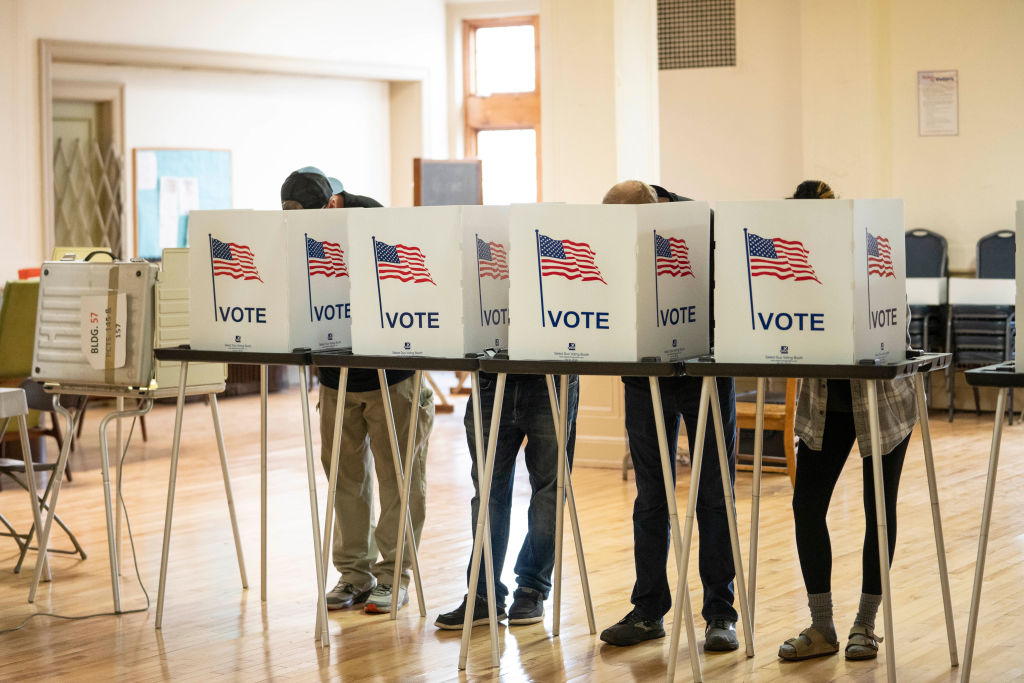
一家民调机构本周承认在其被美国多家主流媒体采用的民调中使用了捏造数据,并声称这一行为是一项旨在展示民调行业“脆弱性”的“实验项目”。该声明在中期选举前动摇了人们对民调基础设施的信任,特别是因为一些候选人表示,其竞选活动直接受到了这些虚假数据的损害。
A pollster admitted this week to using fabricated data in its surveys that were picked up by leading publications across the U.S., claiming the stunt was an “experimental project” intended to showcase the “vulnerabilities” of the polling industry. The announcement has shaken trust in polling infrastructure ahead of the midterms, especially as some candidates say their campaigns were directly harmed by the fake numbers.
在选举分析网站“FiftyPlusOne”就其数据和方法的真实性向 Wedgewood Polls(韦奇伍德民调)提交询问后,该民调机构于周二在社交媒体上发布声明,称其进行了一项测试,旨在展示“一家完全捏造的民调公司要获得关注、被严肃对待,并暴露媒体和公众评论中存在多么少的审查,有多容易?”在该声明中——该声明现已被删除——该团体声称分发虚假数据“容易得多”,并坚称这“凸显了媒体审核和数据聚合中的系统性崩塌”。
After election analysis website FiftyPlusOne submitted an inquiry to Wedgewood Polls regarding the authenticity of its data and methodologies, the pollster put out a statement across social media on Tuesday, saying it had been conducting a test to show "how easy is it for an entirely fabricated polling firm to gain traction, be taken seriously, and expose how little scrutinization exists in media and public commentary?" In the statement, which has since been deleted, the group claimed it had been “far too easy” to distribute false data and insisted it "highlights a systemic breakdown in media vetting and data aggregation.”
Wedgewood 的民调曾被多家全国性媒体用于中期选举报道,包括《纽约时报》、《新闻周刊》、MS NOW 和《政治报》。《纽约时报》在 6 月至 10 月间引用了约 15 份 Wedgewood 民调,此后已从其报道中移除相关数据。在随附的编辑说明中,该报详述了其民调审核流程,并表示在数据发布前,Wedgewood 已回答了其若干询问,包括关于该团体民调员身份、样本抽取方法及资金来源的问题。
《时代周刊》发给 Wedgewood Polls 的电子邮件被退回。
Wedgewood's polls had been used by multiple national outlets for their midterm reporting, including the New York Times, Newsweek, MS NOW, and POLITICO. The Times, which cited around 15 Wedgewood polls between June and October, has since removed the data from its stories. In an accompanying editor’s note, the publication detailed its checking process for polls and said Wedgewood had answered several of their inquiries prior to the data being published, including questions on the identities of the group’s pollsters, the methods used to draw their samples, and the source of their funding.
在另一起于 8 月曝光的欺诈性民调行动中,一家名为 Median Strategies 的公司为威斯康星州、内华达州和加利福尼亚州的竞选捏造民调,并在给《洛杉矶时报》的声明中同样将这一伎俩称为“社会实验”。
TIME's email to Wedgewood Polls bounced back. In another fraudulent polling operation uncovered in August, a company called Median Strategies fabricated polls for races in Wisconsin, Nevada, and California and similarly called the ploy a “social experiment” in a statement to the Los Angeles Times.
“在竞选期间的极短时间内连续出现两起此类事件,令人非常担忧,这给合法民调带来了很多麻烦,”密歇根大学政治学荣休教授、曾任美国公共意见研究协会(AAPOR)主席的迈克尔·特劳戈特说。
“It's very troubling that we've had two examples of this within a very short period of time during election campaigns, creating a lot of problems for legitimate polling,” says Michael Traugott, a professor emeritus of political science at the University of Michigan, who previously served as president of the American Association for Public Opinion Research (AAPOR).
以下是关于韦奇伍德丑闻的已知情况,以及它对关键中期选举前民调工作的启示。我们对韦奇伍德民调了解多少?
Here’s what to know about the Wedgewood scandal, and what it says about polling ahead of the pivotal midterm elections. What do we know about Wedgewood Polls?
该民调机构在其声明中自称是“由一小群行业资深人士运营的虚构实体”。其 X 账号(其中包含许多民调数据)已不复存在。
The polling group called itself a “fictional entity run by a small group of industry veterans” in its statement. Its X account, which contained many of its polls, no longer exists.
在 FiftyPlusOne 工作的民调专家兼记者 G·埃利奥特·莫里斯告诉《时代周刊》,他和同事们一直对“涌现出的一批新民调公司”持怀疑态度,这些公司发布匿名数据。最终有人向 FiftyPlusOne 举报了韦奇伍德的民调,“这成了压垮骆驼的最后一根稻草,”他说。
G. Elliot Morris, a pollster and journalist who works at FiftyPlusOne, tells TIME that he and his colleagues had been suspicious about a “crop of new polling firms” that have emerged and released anonymous data. An individual eventually tipped off FiftyPlusOne to Wedgewood's polling, which was “the straw that broke the camel's back for us,” he says.
FiftyPlusOne 在一份公开声明中表示,韦奇伍德“以合法民调公司的姿态运作”,通过向捐募者募集资金开展众筹民调并分享调查数据。
FiftyPlusOne said in a public statement that Wedgewood “operated as if it were a legitimate polling firm” by collecting money from donors to carry out crowd-funded polls and share its survey data.
该民调分析组织称,韦奇伍德披露了与该公司有关的两个名字:杰克·西姆斯和安德鲁·普拉特。据 FiftyPlusOne 称,西姆斯此前在民调行业有过从业经历。另一家民调公司 SoCal Strategies 本周在致密歇根州一家 NPR 附属电台的电子邮件中承认,西姆斯曾在那里工作,但目前并未受雇于该公司,“已有一年多时间了”。“民调师离开原有公司、自立门户并自筹资金开展一些调查以建立声誉,这并不罕见;当时我们没有理由认为此案有何不同,”FiftyPlusOne 就西姆斯一事表示。
The poll analysis group said Wedgewood disclosed two names in connection to the company: Jack Sims and Andrew Prater. According to FiftyPlusOne, Sims had prior experience in the polling industry. SoCal Strategies, another polling firm, this week acknowledged in an email to an NPR affiliate in Michigan that Sims had worked there, but is not currently employed by the company and “has not been for a year.”“It is not atypical for a pollster to leave an existing firm, form their own, and self-fund some surveys to build reputation; we had no reason at the time to believe this case was any different,” FiftyPlusOne said regarding Sims.
莫里斯补充道:“这件事无助于扭转民调行业数十年来信心下滑的趋势。”此前他被问及西姆斯与韦奇伍德的关系。时代周刊未能联系到西姆斯置评。
“This event does not help what is a decades-long trend of declining confidence in the polling industry,” Morris added, when asked about Sims’ involvement with Wedgewood. TIME has been unable to reach Sims for comment.
密歇根州参议员候选人称虚假民调重创其竞选 这起民调丑闻在政界引发强烈反响,一位前参议员候选人声称,韦奇伍德发布的民调数字导致其竞选活动崩盘。
Senate candidate in Michigan says fake polling damaged her campaign The polling scandal has sparked a flurry of reactions within the politics and government sector, with one former Senate hopeful claiming the numbers circulated by Wedgewood contributed to the collapse of her campaign.
密歇根州民主党籍州参议员马洛里·麦克莫罗回忆称,韦奇伍德的一份民调显示她的支持率“跌至个位数”。韦奇伍德于6月29日发布民调,显示麦克莫罗仅获9%的登记选民支持,落后于海利·史蒂文斯和阿卜杜勒·埃尔-赛义德。其他民调也显示麦克莫罗位居第三,支持率同样为个位数。萨斯奎哈纳民调公司6月9日至14日进行的调查显示麦克莫罗支持率为9%,尽管受访的民主党初选选民中有49%尚未决定。
Democratic Michigan state Sen. Mallory McMorrow recalled how a poll from Wedgewood had shown her “plummeting into single digits.”Wedgewood released polling on June 29 that placed McMorrow as having the support of only 9% of registered voters, leaving her trailing behind Haley Stevens and Abdul El-Sayed. Other polls also showed McMorrow in third place with single digits. A Susquehanna Polling survey conducted June 9 to 14 put McMorrow at 9%, although 49% of Democratic primary voters surveyed were undecided.
昆塔斯洞察公司7月1日的民调显示她的支持率低于8%。麦克莫罗于7月5日暂停竞选,距离初选仅剩一个月。
A July 1 Quantus Insights poll put her at under 8%. McMorrow suspended her campaign on July 5, just one month before the primaries.
麦克莫罗在10月20日发布的社交媒体声明中表示,在“臭名昭著”的韦奇伍德民调数字流传后,捐款“枯竭”,她还遭到“接连不断”的退选呼声。
In a statement posted to social media on Oct. 20, McMorrow said donations “dried up” and she was “hounded” with calls to exit the race after the circulation of the “infamous” Wedgewood poll numbers.
麦克莫罗建议他人不要轻信民调,并表示希望民主党已准备好“通过竞选资金和透明度改革来彻底改变体制”。
Advising others not to trust the polls, McMorrow said she hoped Democrats are ready to “blow up the system with campaign finance and transparency reforms.”
曾运营一个支持麦克莫罗的超级政治行动委员会(SuperPAC)的民主党策略师詹妮弗·霍尔兹沃思声称,这份伪造民调“被几位捐赠者用作理由,在我们被对手以8000万美元的优势压制开支的关键时刻撤回资金”。
Jennifer Holdsworth, a Democratic strategist who ran a SuperPAC that supported McMorrow, claimed the fake poll had been “used by several donors to pull back funding at a time we were being outspent by $80 million.”
在关于伪造数据的广泛讨论中,联邦通信委员会(FCC)主席布伦丹·卡尔在未点名具体案例的情况下表示,虚假民调出现了“显著激增”,并指责新闻机构“在不顾基本新闻职业道德的情况下”“放大或播出”这些民调。民主党籍FCC委员安娜·戈麦斯则反唇相讽,将责任推给了欺诈的民调机构本身。
Amid widespread discussions over fabricated data, Federal Communications Commission (FCC) Chair Brendan Carr said, without naming any specific instance, that there has been a “significant surge” in fake polls and blamed news outlets for “amplifying or airing” them “without regard to basic journalistic ethics.”Democratic FCC Commissioner Anna Gomez quipped back and shifted the onus onto fraudulent pollsters themselves.
她针对卡尔的言论回应道:“故意误导公众的民调机构应当为此负责,但广播电台在善意报道公开可获取的民调数据时,不应因民调出错而受到惩罚。”“关于新闻失真或骗局的FCC规则,不适用于善意报道此类数据的电台。” 民调能对选举产生什么影响?
“Pollsters who intentionally mislead the public should answer for it, but broadcasters who report publicly available polling data should never be punished when a poll is wrong,” she said in response to Carr. “FCC rules on news distortion or hoaxes do not apply to a station that reports this data in good faith.”What impact can polls have on elections?
据专家称,虽然有据可查的虚假民调很少见,但民调总体上往往在塑造激烈竞选的叙事方面发挥着重要作用。
While documented fake polls are rare, according to experts, polling in general often plays a large role in shaping the narrative of hotly contested races.
特劳戈特对《时代》周刊表示,民调可能会影响投票行为和对竞选活动的支持,“因为总的来说,普通公民有兴趣支持获胜者,而支持不仅仅意味着投票;还意味着资金捐助、投入时间和精力参与竞选活动,等等。”
Traugott tells TIME that polls can affect voting behavior and support for campaigns “because by and large, the average citizen is interested in backing the winner, and backing means not just votes; it also means financial contributions, contributing time and effort to the campaign, and the like.”
研究证实了所谓的“从众效应”,即选民更有可能投票给民调中更受青睐的候选人或议题。《选举、公众舆论与政党杂志》2023年的一项研究显示,民调会削弱对不受欢迎的投票项目的支持,或者说,正如该论文作者所言:“民调会使少数群体动摇,使多数群体动员。”该研究还发现,中间派选民——他们通常代表关键的选民群体,并能左右势均力敌的选举——在受民调影响方面最容易受影响。“意识形态中间派中,从众心理最为强烈,”该研究称。这种效应在几十年前就已被记录。
Research has demonstrated what is known as the “bandwagon effect,” in which voters become more likely to vote for candidates or issues that are more favored in polls. A 2023 study from the Journal of Elections, Public Opinion and Parties showed that polls discouraged support for less popular ballot items, or as the paper’s authors put it: “polls demobilize the minority and mobilize the majority.”It also found that moderate voters, who often represent a crucial demographic of voters and can swing tight elections, were the most impressionable when it comes to being influenced by polling. “Social conformity is strongest among ideological moderates,” the study said. This effect has been documented going back decades.
一项1996年的实验显示,在当年初选前看到伪造民调的参与者,投票给民调所支持候选人的“显著更大倾向”。
A 1996 experiment showed that participants who were shown a fabricated poll ahead of that year’s primary had a “significantly greater tendency” to vote for the candidates favored by the poll.
这一现象在预测市场中也同样得到了证实,预测市场被证明几乎能像民调一样左右选民。政策智库布伦南中心10月20日发布的一项研究显示,如果某候选人在预测市场中的获胜几率更高,选民认为该候选人会赢得选举的可能性会高出10%。
This phenomenon has similarly been demonstrated in prediction markets, which have been shown to sway voters almost as much as polls. A study released on Oct 20 by policy think-tank the Brennan Center showed that voters were 10% more likely to say that a candidate would win in an election if that person had higher odds of winning based on a prediction market.
同样,如果候选人的获胜几率被预测较低,选民就不太可能相信该候选人会获胜。该研究称,这些预测市场赔率对当选可能性的感知产生了与传统民调相似的影响。
Likewise, voters were less likely to believe that a candidate would win if their odds were predicted to be lower. These prediction market odds, the study said, had a similar effect on perceived electability as traditional polls.
特劳戈特表示,一般来说,认同某一特定政党的选民不太可能因为民调而改变投票,但如果他们看到本党提名的候选人胜选希望不大,他们可能根本不会去投票。他说:“在普选中,民调往往会对投票率产生影响。”你应该相信民调吗?
Traugott says that generally speaking, voters who identify with a specific party are unlikely to change their vote as a result of polling, but that they might not show up to the polls at all if they see their party’s nominee is disfavored to win. “It's often the case in the general election that the polls have an influence in terms of turnout,” he says.
皮尤研究中心主席迈克尔·迪莫克表示,在势均力敌的竞选中——即将到来的中期选举中有很多这样的竞选——“民调很容易‘选错赢家’”。他告诉《时代》周刊:“我确实认为,人们应该非常谨慎,不要过度解读选前民调预测选举结果的能力,无论是在全国层面、州层面、选区层面还是地方层面。”
Should you trust polls? Michael Dimock, the president of the Pew Research Center, says that in tight races, of which there are many in the upcoming midterms, “it's very easy for polls to ‘pick the wrong winner.’”“I do think that people should be very cautious in over-interpreting pre-election polls' ability to project an election outcome, whether it's at a national level, state level, a district level, [or] local level,” he tells TIME.
迪莫克认为,造成这种情况的主要原因之一是,即使调查参与者表示他们会投票给谁,他们仍然可能不会去投票。他把这个无法衡量但重要的因素称为“热情差异”。
One of the main reasons for this, Dimock contends, is that even if participants in a survey say who they would vote for, they still might not show up to cast their ballot. He refers to this immeasurable but important factor as “enthusiasm differences.”
迪莫克补充说:“民调真正不擅长捕捉的是谁将真正到场投票。这真的很难。人类不擅长预测自己未来的行为。”
“What polls are really bad at capturing is who's going to actually show up and cast a ballot. It's really hard,” Dimock adds. “Human beings are bad at predicting their [own] future behaviors.”