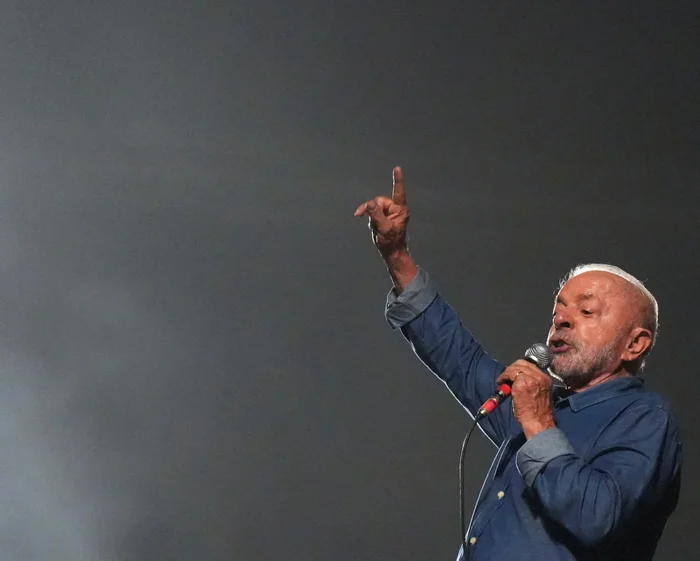
巴西总统大选首轮投票结束三周后,据报道,左翼现任总统路易斯·伊纳西奥·卢拉·达席尔瓦对盟友表示,他无法理解为何自己会屈居第二,因为在他看来,这是他三个任期中表现最好的一个政府。
After the first round of the Brazilian presidential election three weeks ago, the leftist incumbent Luiz Inácio Lula da Silva reportedly told allies he could not understand how he finished second after a government he considered the best of his three terms.
一种沮丧情绪笼罩了巴西左翼阵营,因为预计投给其他所有右翼候选人的900万选民大多会转投参议员弗拉维奥·博索纳罗,分析人士普遍认为这位极右翼参议员胜券在握。
A mood of dismay swept Brazil’s left, and because 9 million voters for the other candidates, all of them on the right, were expected to mostly transfer to senator Flávio Bolsonaro, analysts widely saw the far-right senator’s victory as certain.
随后,在大选翌晚,弗鲁米嫩塞联邦大学的学生走上尼特罗伊市的街头,抗议博索纳罗家族成员重掌大权。这座人口48万的城市位于瓜纳巴拉湾对岸,与里约热内卢隔湾相望。弗拉维奥的父亲、前总统雅伊尔·博索纳罗因试图发动政变而被软禁。
Then, on the night after the election, students from the Fluminense Federal University took to the streets of Niterói, a city of 480,000 across Guanabara Bay from Rio de Janeiro, to protest against the return to power of a member of the Bolsonaro family, whose patriarch, former president Jair Bolsonaro, Flávio’s father, is under house arrest for attempting a coup.
两天后,另一场学生抗议活动占领了里约热内卢市中心,随后几天,类似的示威自发蔓延至全国各地。分析人士和卢拉本人都认为,这些示威为他的竞选注入了新生,并在决选中发挥了决定性作用,助他实现历史性逆转。
Two days later, another student protest took over downtown Rio and, in the days that followed, similar ones spread across the country in organic demonstrations that analysts and Lula himself agree gave new life to his campaign and played a decisive role in his historic comeback in the runoff.
“我要感谢巴西年轻人的慷慨,他们走上街头捍卫民主,”卢拉在周日晚间击败博索纳罗后的胜选演说中说道。
“I want to thank the generosity of Brazil’s young people who took to the streets to defend democracy,” Lula said in his victory speech on Sunday night after defeating Bolsonaro.
政治学家法比奥·瓦斯孔塞洛斯表示,卢拉的胜利——这是巴西民主历史上首次有首轮落后候选人在决选中实现逆转——可以用街头运动、社交媒体和政府机器的结合来解释。在最近几周里,卢拉批准了一项处于选举法允许边界的“福利方案”,包括增加并提前发放给贫困家庭的主要现金转移支付计划款项。
Political scientist Fábio Vasconcellos said Lula’s victory, in which for the first time in Brazil’s democratic history a second-placed candidate overturned a first-round defeat in the runoff, could be explained by a combination of the streets, social media and the machinery of government – in recent weeks, Lula approved a “package of benefits” at the limits of what electoral law allows, including increasing and bringing forward payments from the main cash-transfer programme for poor families.
“街头和社交媒体几乎重叠在一起,”瓦斯康塞洛斯说。他是巴拉那联邦大学代表性与民主合法性研究组的研究员。
“The streets and social media almost overlap,” said Vasconcellos, a researcher with the Representation and Democratic Legitimacy group at the Federal University of Paraná.
首轮投票两天后,卢拉的盟友、众议员安德烈·雅诺内斯创建了一个名为“卢拉军团”的WhatsApp频道,雅诺内斯在其中发送音频信息、视频——往往以“伙计们,紧急!”的呼喊开头——以及每天数十条关于如何让支持卢拉的内容在社交媒体上获得良好传播效果的指示。
Two days after the first round, congressman André Janones, a Lula ally, created a WhatsApp channel called “Lula’s Army”, where Janones sent audio messages, videos – often beginning with shouts of “Guys, urgent!” – and dozens of daily instructions on how to make pro-Lula content perform well on social media.
该频道在第一天结束时拥有6万名关注者,到选举周日时已超过1000万,卢拉的数字影响力超过了博索纳罗。
The channel had 60,000 followers by the end of its first day and, by election Sunday, more than 10 million, and Lula’s digital reach overtook Bolsonaro’s.
在胜选演讲中,卢拉称雅诺内斯为“我们的将军”,其职责是“每天提振我们队伍的士气”。这位众议员的不懈努力——包括在投票前夕进行24小时YouTube直播——导致他上周被送进医院,而那也是该WhatsApp频道唯一沉默的一天。
In his victory speech, Lula called Janones “our general”, who had the role of “raising the morale of our troops every day”. The congressman’s relentless efforts, which included a 24-hour YouTube live stream on the eve of the vote, led to him being admitted to hospital last week – the only day the WhatsApp channel went silent.
卢拉的竞选团队还全面改革了他的网络传播方式,而周二将满81岁的现任总统尽管没有手机,也开始录制自拍视频。周日晚上,他说自己得到了一部手机,“从现在起,我要和巴西人民多交流,每天很多次,直接交流”。
Lula’s campaign also overhauled his online communications, and the incumbent, who turns 81 on Tuesday, began recording selfie videos despite not owning a mobile phone. On Sunday night, he said he had been given a phone and that “from now on I’m going to talk a lot to the Brazilian people, many times a day, directly”.
瓦斯康塞洛斯说,借助街头和社交媒体,“在那三周里,失败的情绪逐渐被卷土重来的希望所取代”。
With the streets and social media, “the mood of defeat was gradually replaced by hopes of a comeback over those three weeks,” said Vasconcellos.
研究巴西新右翼的政治学家卡米拉·罗沙说,卢拉的回归也代表了“对博索纳罗主义巴西计划的广泛拒绝”。
Camila Rocha, a political scientist who studies Brazil’s new right, said Lula’s comeback also represented “a broad rejection of the Bolsonarista project for Brazil”.
她自5月以来一直在采访尚未拿定主意的选民,她说“选民、工人对失去权利的恐惧,以及对权力可能集中在博索纳罗手中的恐惧非常明显”,这意味着即使是那些不喜欢卢拉的人这次也投票给了他。
She has been interviewing undecided voters since May and said “the fear voters had, workers had, of losing rights and also of a possible concentration of power in Bolsonaro’s hands was very clear”, which meant that even people who did not like Lula voted for him this time.
博索纳罗在第一轮投票中赢得了5610万张选票,在第二轮投票中又获得了370万张选票。相比之下,卢拉的得票数从5390万张增加到6420万张。超过1000万张选票的增长既来自于说服选民在第一轮投票中历史性高弃权率之后投票,也来自于说服其他候选人的选民,包括博索纳罗的选民。
Bolsonaro had won 56.1m votes in the first round and received 3.7 million more in the runoff. Lula, by contrast, went from 53.9m to 64.2m. The more than 10m-vote increase came both from persuading voters to turn out after historically high abstention in the first round and from convincing voters from other candidates, including Bolsonaro.
罗查说:“我们采访的一些未决选民说,博索纳罗是个花花公子,站在大企业一边,但同时他们自发地说,如果他获胜,就会出现独裁,人们将失去权利。”
“Some undecided voters we interviewed said Bolsonaro was a playboy who sided with big business, while at the same time spontaneously saying that, if he won, there would be a dictatorship in which people would lose rights,” said Rocha.
博索纳罗最近还卷入了几起争议,包括他表示将利用新的、甚至更加保守的国会来修改宪法并使巴西“重新民主化”,以及两起联邦警察调查,他因涉嫌腐败和洗钱而受到调查。
Bolsonaro was also embroiled in several controversies recently, including saying he would use the new, even more conservative congress to change the constitution and “re-democratise” Brazil, as well as the two federal police inquiries in which he is under investigation over alleged corruption and money laundering.
许多分析人士还指出了卢拉本人的分量。政治学家赫尔西马拉·德索萨·特列斯说:“如果是另一位候选人,博索纳罗早就在第一轮投票中获胜了。”
Many analysts have also pointed to the weight of Lula himself. “If it were another candidate, Bolsonaro would already have won in the first round,” said political scientist Helcimara de Souza Telles.
当被问及如何解释这场历史性的选举反击时,卢拉的竞选经理马尔科·奥雷利奥·德卡瓦略毫不犹豫地说:“卢拉总统。我们团队中有一位伟大的政治家。我们有一位明星球员。这绝对是起决定性作用的因素。我对此毫不怀疑。”鉴于卢拉曾表示这是他最后一次参加选举,巴西左翼已经在思考接下来会发生什么。
Marco Aurélio de Carvalho, Lula’s campaign manager, answered without hesitation when asked what explained the historic election fightback: “President Lula. We have a great statesman on our team. We have a star player. That’s what absolutely made the difference. I haven’t the slightest doubt about it.”The question already occupying the minds of Brazil’s left is what happens next, given that Lula has said this was his last election.
罗查说:“这是一个非常大的挑战,因为在这方面进行的民调中,卢拉的优势仍然非常强。他的政党中没有人拥有同样的领导力。”
“That is a very big challenge because, in the polling on this, Lula’s dominance is still very strong. There is no one in his party with the same leadership,” said Rocha.
瓦斯康塞洛斯认为,卢拉的连任竞选“从我们在街头看到的情况来看,为巴西左翼提供了一个更新的机会”。
Vasconcellos believes Lula’s re-election campaign, “from what we saw on the streets, offered the Brazilian left an opportunity for renewal”.
他补充道:“卢拉的政党可以从所发生的事情中吸取教训,找到更好的方式与年轻人和城市选民建立联系,这些人觉得自己的关切没有被倾听。”
“Lula’s party can learn from what happened and find better ways to connect with young people and urban voters who feel their concerns are not being heard,” he added.
作为“对话”系列的一部分,《卫报》拉美记者汤姆·菲利普斯将于10月27日星期二格林尼治标准时间15:00回答你关于选举和巴西未来的问题。请将问题发送至conversations@theguardian.com。
The Guardian’s Latin America correspondent Tom Phillips will be answering your questions about the election and the future of Brazil from 1500 GMT on Tuesday 27 October as part of our Conversations series. Email questions to conversations@theguardian.com