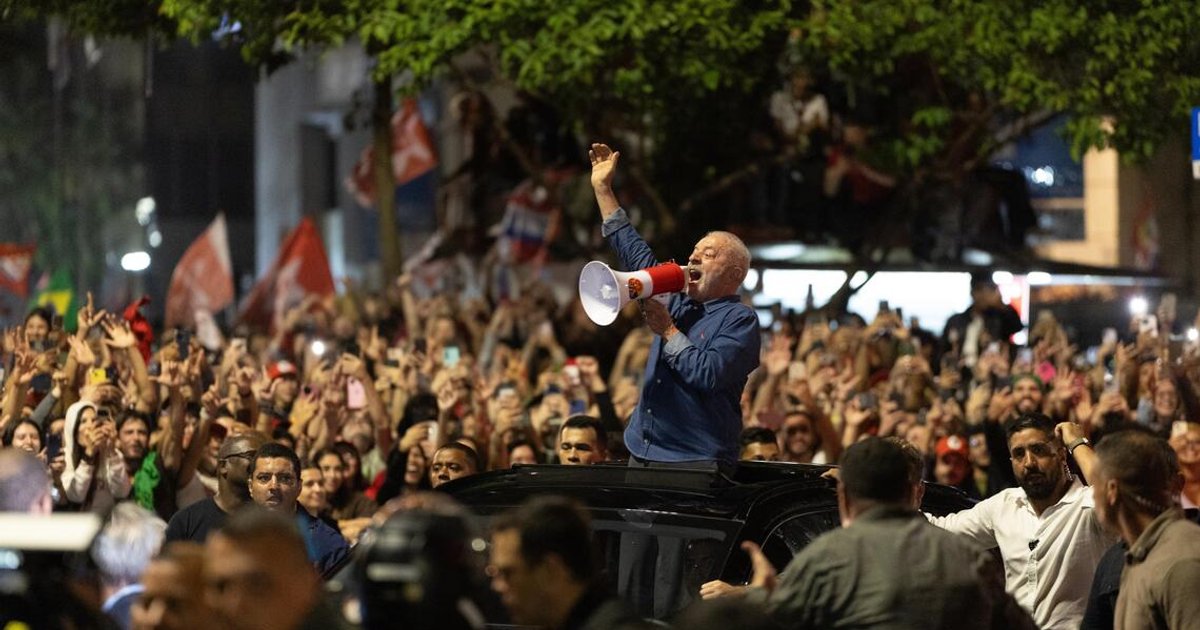
安娜·约诺娃、亚当·B·埃利克、杰克·尼卡斯撰稿 卢拉在一场大规模社交媒体推动后赢得巴西大选,一个WhatsApp网络从几千名支持者增长到1000万。
Ana Ionova, Adam B. Ellick and Jack Nicas Lula won Brazil’s election after a huge social media push, with a WhatsApp network growing from a few thousand to 10 million supporters.
他的胜利击败了弗拉维奥·博索纳罗,阻止了博索纳罗家族卷土重来,此前选民担心民主受到威胁以及巴西宪法可能被重写。
His victory beat Flavio Bolsonaro and blocked the Bolsonaro family’s return, after voters feared threats to democracy and a possible rewrite of Brazil’s constitution.
投票过程混乱且有争议,出现延迟、法律威胁和偏袒指控,但官员表示巴西的电子投票系统依然安全。
The vote was chaotic and contested, with delays, legal threats and claims of bias, but officials said Brazil’s electronic voting system remained secure.
AI生成 里约热内卢 —— 一切始于一个拥有几千名关注者的WhatsApp频道。它迅速壮大为一支拥有1000万人的数字大军,帮助扭转了拉美最大选举的局势。
AI generated Rio de Janeiro - It started with a WhatsApp channel with a few thousand followers. It exploded into a digital army of 10 million people that helped swing Latin America’s biggest election.
巴西总统路易斯·伊纳西奥·卢拉·达席尔瓦于10月25日实现惊人逆转,意外战胜右翼挑战者弗拉维奥·博索纳罗,后者的父亲在上届大选失利后曾试图发动政变。
President Luiz Inacio Lula da Silva of Brazil staged a stunning comeback on Oct 25, achieving an unexpected victory over Flavio Bolsonaro, the right-wing challenger whose father tried to stage a coup after losing the last election.