美国的穆斯林占多数的中东盟友已加快与德黑兰就新的地区安全框架进行谈判,因为担心伊朗战争会引发进一步的反噬。
The US’ Muslim-majority Middle Eastern allies have accelerated talks with Tehran over a new regional security framework amid fears of further blowback from the Iran war.
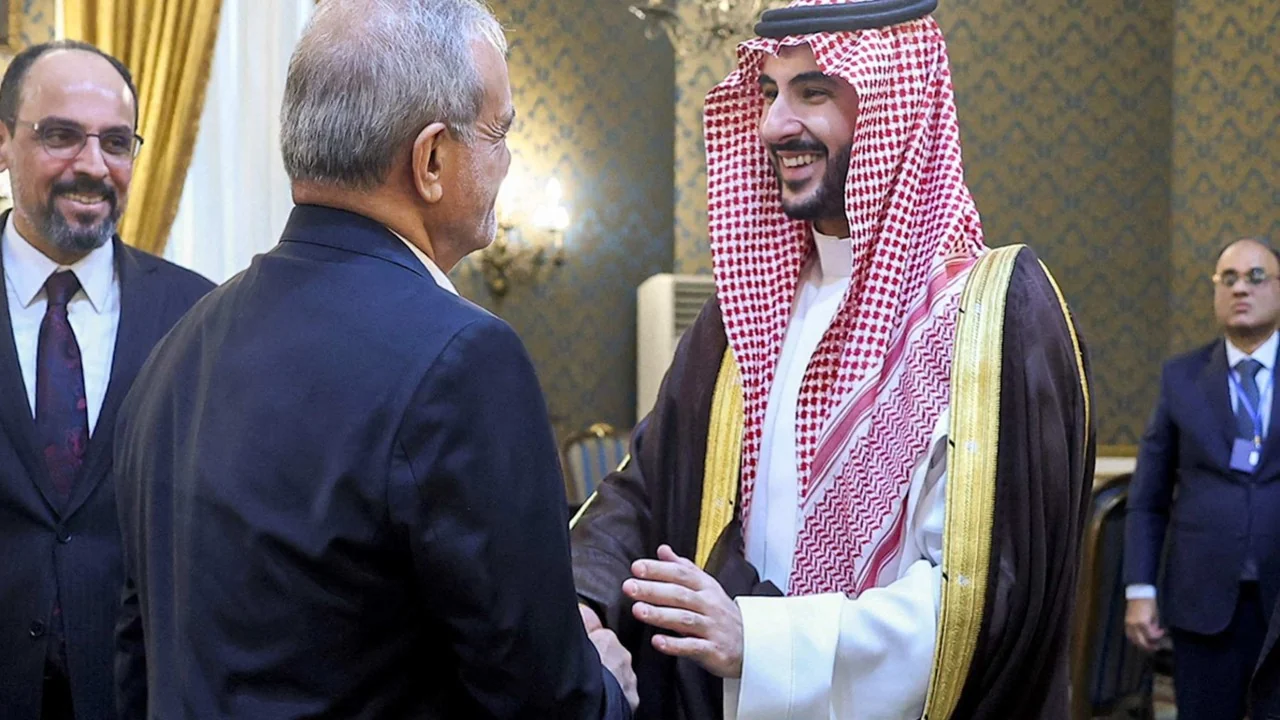
沙特阿拉伯周一首次直接卷入外交斡旋,派遣国王的幼子、国防大臣哈立德·本·萨勒曼王子前往德黑兰,与伊朗最高安全官员穆赫辛·拉扎伊及其他领导人进行面对面会谈。
Saudi Arabia directly entered the diplomatic fray for the first time on Monday, sending the king’s younger son, Defence Minister Prince Khalid bin Salman, to Tehran for face-to-face talks with Iran’s top security official Mohsin Razaee and other leaders.
麦加共同防御条约伙伴巴基斯坦和土耳其的军情首脑随行陪同,哈立德的直接外交接触促成了一项原则上继续对话的协议。
Accompanied by the military and intelligence chiefs of Mecca mutual defence pact partners Pakistan and Turkey, Khalid’s direct diplomatic engagement produced an agreement in principle to continue the dialogue.
该协议周二获得双方领导人背书。据官方声称,最高领袖穆杰塔巴·哈梅内伊会见拉扎伊,讨论了“加强与邻国的双边关系”,以及“通过管理霍尔木兹海峡维护国家和地区安全”。
The agreement was endorsed on Tuesday by both leaders. Supreme Leader Mojtaba Khamenei met Razaee to discuss “strengthening bilateral relations with neighbouring countries”, alongside “safeguarding national and regional security through the management of the Strait of Hormuz,” according to an official statement.
数小时后,由王储穆罕默德·本·萨勒曼率领的沙特内阁在复盘德黑兰峰会时,强调了地区安全合作与和平解决冲突的重要性。声明称,麦加条约在维护地区稳定方面发挥了“关键作用”,同时表示支持卡塔尔和巴基斯坦的调解努力。
Reviewing the Tehran summit hours later, the Saudi cabinet, led by Crown Prince Mohammed bin Salman, stressed the importance of regional security cooperation and peaceful conflict resolution. The Mecca pact played a “pivotal role” in maintaining regional stability, it said, while expressing support for mediation efforts by Qatar and Pakistan.
观察人士欢迎伊朗与麦加条约成员国的首次直接接触,但怀疑这能否避免伊朗对海湾君主国发动进一步空袭。
Observers welcomed the first direct engagement between Iran and Mecca pact members, but doubted that it could avert further Iranian air strikes against the Gulf monarchies.
“或许吧,”华盛顿斯汀森中心杰出中东研究员芭芭拉·斯拉文说,“但我怀疑伊朗是否愿意提供任何担保。”
“Perhaps”, said Barbara Slavin, distinguished Middle East fellow at the Stimson Centre think tank in Washington, but “I doubt Iran would be willing to provide any guarantees”.
阿拉伯海湾国家研究所高级驻所学者侯赛因·伊比什表示,德黑兰峰会不太可能成为防止另一轮大规模升级的“决定性因素”——特别是因为这意味着伊朗必须从其部分“更离谱的立场”上退让。
The Tehran summit was unlikely to be the “decisive factor” in preventing another major escalation, said Hussein Ibish, a senior resident scholar at the Arab Gulf States Institute – especially as it meant Iran would have to back off from some of its “more outrageous positions”.
《伊朗伊斯兰共和国的政治继承》一书作者阿里·阿尔福内赫在评估中更为直白:沙特阿拉伯、土耳其和巴基斯坦“完全无力”阻止以色列和美国在下周二国会中期选举“第二天”攻击伊朗。
Ali Alfoneh, author of Political Succession in the Islamic Republic of Iran, was blunter in his assessment: Saudi Arabia, Turkey, and Pakistan were “in no position” to prevent Israel and the US from attacking Iran “the day after” Congressional midterms next Tuesday.
他表示,相比之下,德黑兰“完全有利益通过发出严厉报复信号”来威慑美国发动攻击,报复目标指向海湾君主国的能源基础设施。
Tehran, by contrast, “has every interest in signalling severe retaliation” against the Gulf monarchies’ energy infrastructure to dissuade the US from attacking, he said.
卡塔尔和阿曼也重申呼吁,在海湾七个阿拉伯国家与伊朗之间建立谈判后的安全框架,包括签署互不侵犯条约。
Qatar and Oman have also renewed calls for a negotiated security framework, including a non-aggression pact, between the Gulf’s seven Arab states and Iran.
卡塔尔外交部发言人易卜拉欣·阿尔-哈希米周二在多哈的新闻发布会上强调,需要建立一个新的地区安全框架,成员基于“尊重国家主权和互不侵犯”原则,包含海湾阿拉伯国家合作委员会(GCC)成员国。
At a press briefing in Doha on Tuesday, Qatari foreign ministry spokesman Ibrahim Al-Hashemi stressed the need for a new regional security framework with Gulf Cooperation Council (GCC) members “based on respect for state sovereignty and mutual non-aggression”.
海合会成员包括卡塔尔、沙特阿拉伯、阿拉伯联合酋长国、阿曼、科威特和巴林。所有这些国家都曾因2月下旬爆发的战争而遭到伊朗的多次袭击。
The GCC comprises Qatar, Saudi Arabia, the United Arab Emirates, Oman, Kuwait and Bahrain. All of them have been repeatedly attacked by Iran in response to the war that was launched in late February.
阿尔-哈希米敦促伊朗通过“具体行动”展示其对地区稳定的承诺,并表示现在取决于德黑兰“维护拟议原则并展示善意”。
Al-Hashemi urged Iran to demonstrate its commitment to regional stability through “concrete actions”, adding it was now up to Tehran to “uphold the proposed principles and demonstrate good faith”.
阿曼外交大臣巴德尔·阿尔-布赛迪周二呼吁海合会国家和邻国伊拉克“挺身而出,为我们自己的安全承担责任,并以包容的方式这样做”。
Oman’s Foreign Minister Badr Al-Busaidi on Tuesday called on the GCC states and neighbouring Iraq to “step up and take responsibility for our own security, and for us to do so inclusively”.
他在牛津大学的一次演讲中表示,海湾君主国正在为依赖西方提供安全支付“长期政治代价”。这一代价已被证明“过高”。
Gulf monarchies were paying the “long-term political cost” of relying on the West for their security, he said at a lecture at Oxford University. The price tag had proven to be “too high”.
阿尔-布赛迪说:“从外部强加给该地区的优先事项中,也许最具破坏性的就是要求在该地区的安全安排中排除伊朗。”
“Perhaps the most damaging of the priorities imposed on the region from the outside has been the requirement that Iran be excluded for the region’s security arrangements,” Al-Busaidi said.
更糟糕的是,他说,伊朗被定位为必须以之为对象来组织地区安全的威胁,这显然是对美国的讽刺,并补充说,任何不包括德黑兰的海湾安全架构都是“内在不稳定”且“结构上不合理”的。
Worse, Iran was positioned as the threat against which regional security had to be organised, he said in an obvious dig at the US, adding that any Gulf security architecture that did not include Tehran was “inherently unstable” and “structurally unsound”.
布赛义迪表示,很明显,海湾国家“不能再依赖外部伙伴的合作”,它们在地区安全架构中的作用“也不能再是主要的”。相反,目标应该是伊朗与其阿拉伯邻国之间达成一项互不侵犯协议。
Al-Busaidi said it was clear that the Gulf states could “no longer rely upon the cooperation of external partners” and that their role in the regional security architecture “can no longer be primary”. Instead, the goal should be a non-aggression pact between Iran and its Arab neighbours.
考虑到伊朗报复性打击造成的巨大破坏,斯拉文说,美国将“重新配置”其在海合会国家的基地架构,这已经显而易见。这可以向德黑兰呈现为“地区主义的胜利”。
Given the extensive damage caused by Iranian retaliatory strikes, it was already obvious that the US would be “reconfiguring” its basing structure in the GCC, Slavin said. This could be presented to Tehran as “a win for regionalism”.
但她说,这不会延伸到美国全面撤军,或海湾国家放弃长期联盟,因为“联系太多了”。
But it would not extend to a wholesale US withdrawal or Gulf nations forsaking long-time alliances as “there are too many links”, she said.
海合会成员一直是美国武器的主要购买国,这些武器将继续需要备件和技术升级。上周,土耳其、巴基斯坦、卡塔尔和印度尼西亚组成了“巴德尔”国防生产协定,以减少对西方武器供应商的依赖,这是一个与麦加联盟独立但重叠的协议。
GCC members have been major purchasers of US weaponry that would continue to need spare parts and technical upgrades. Last week, Turkey, Pakistan, Qatar and Indonesia formed the Badr defence production pact to reduce dependency on Western armaments suppliers, in a separate but overlapping agreement to the Mecca alliance.
斯拉文说:“这将是一个逐步缩减和多元化的过程”,很大程度上取决于伊朗战后的行为。
“This will be a gradual process of downsizing and diversification” largely dependent on Iran’s post-war behaviour, Slavin said.
然而,伊朗和穆斯林占多数的国家在一个问题上达成了一致:以色列不应成为中东的霸权。
There was one issue that Iran and the Muslim-majority nations agreed upon, however: Israel should not be the Middle East’s hegemon.
伊比什说,麦加协定伙伴希望加强地区安全,给以色列“充分的理由”让其收手,不攻击邻国。他们的目标是最终形成一种力量,以制衡自2023年以来出现的更具侵略性的以色列做法。但他警告说:“来自德黑兰的所有迹象都非常糟糕。”
Mecca pact partners wanted to strengthen regional security to give Israel “every reason” to hold back from attacking its neighbours, Ibish said. They aimed to eventually form a “counterweight to the more aggressive” Israeli approach that has emerged since 2023. But “all the signs from Tehran are really bad”, he warned.
政府似乎由与革命卫队结盟的政治派系主导,这些派系“如果有什么不同的话,比已故阿亚图拉阿里·哈梅内伊政府时期的派系更具侵略性和破坏性”——淹没了那些希望与伊朗邻国采取更和解路线的群体。
The government appears to be dominated by Revolutionary Guards-aligned political factions that were “if anything, more aggressive and disruptive” than those in the late Ayatollah Ali Khamenei’s administration – drowning out groups hoping for a more reconciliatory approach with Iran’s neighbours.
麻烦在于,美国总统唐纳德·特朗普和以色列总理本雅明·内塔尼亚胡“通过给予德黑兰一切动机使其变得更加好战,为伊朗的更强硬立场提供了绝佳助力”,伊比什说。
The trouble is that US President Donald Trump and Israeli Prime Minister Benjamin Netanyahu “are brilliant for a more hardline Iranian position by giving Tehran every incentive to become more belligerent”, Ibish said.
斯拉文说,新的地区安全安排极不可能迫使伊朗解决其海湾邻国的核心关切——例如霍尔木兹海峡的航行自由,以及遏制也门胡塞武装对沙特阿拉伯的袭击。
It was highly unlikely that the new regional security arrangements would push Iran into addressing its Gulf neighbours’ key concerns – such as freedom of navigation in the Hormuz strait and restraining attacks on Saudi Arabia by Yemen’s Houthi rebels, Slavin said.
伊斯兰共和国首次将霍尔木兹武器化后,“不能假装它永远不会再威胁通过海峡的航运”,她说。“精灵已出瓶。”
Having weaponised Hormuz for the first time, the Islamic Republic “cannot pretend that it won’t ever threaten shipping through the strait again”, she said. “The genie is out of the bottle.”