这次投票不会终结以色列。它也无法回答以色列人想要一个什么样的国家这一问题。
This vote will not be the end of Israel. It also won’t answer the question of what kind of country Israelis want it to be.
文/阿萨夫·加夫龙 我住在特拉维夫北部的一条街上,以色列总检察长加利·巴哈拉夫-米亚拉也住在这条街上。偶尔我会看见她在社区里散步,一名保镖跟在她身后约20英尺(约6米)处。她的住所全天候受到守卫。在政府及其支持者眼中,她是一名未经选举的官员,阻碍了当选右翼的执政能力。在自由派以色列人眼中,她是民主与不受约束的政治权力之间最后的制度屏障之一。
By Assaf Gavron I live on the same street in north Tel Aviv as Gali Baharav-Miara, Israel’s attorney general. Occasionally I see her walking through the neighborhood, a bodyguard following 20 feet behind. Her home is guarded around the clock. To the government and its supporters, she is an unelected official obstructing the elected right’s ability to govern. To liberal Israelis, she is one of the last institutional barriers between democracy and unchecked political power.
这场全国性的争论就在我的窗下上演。周六晚上,右翼抗议者聚集在她家门外,高呼口号、鸣笛示威,要求解职她。我曾在这里见过莫德凯·大卫,他是一名右翼活动家,因在拍摄视频的同时当面对质知名政府反对者而臭名昭著。周五下午,巴哈拉夫-米亚拉的支持者则接替了那个位置,身穿印有“加利,以色列的守护者”字样的T恤,手举标语牌鼓励她坚持下去。随后大家各自回家。街道恢复安静。清晨咖啡馆开门营业,我们喝着咖啡。
The national argument plays itself out beneath my window. On Saturday nights, right-wing protesters gather outside her home, shouting, honking their horns, and demanding her dismissal. I’ve seen Mordechai David here, a right-wing activist who has become notorious for confronting prominent government opponents while filming them on his phone. On Friday afternoons, Baharav-Miara’s supporters take their place, wearing Gali, Guardian of Israel T-shirts and holding signs urging her to stay strong. Then everyone goes home. The street becomes quiet. The cafés open in the morning and we drink our coffee.
以色列人预言以色列将走向终结,由来已久,至少我有记忆以来便是如此。在我的自由派、世俗派圈子里,几乎每一次选举都被描述为决定性的一战、拯救国家的最后机会。如果梅纳赫姆·贝京获胜,以色列就完了。如果阿里埃勒·沙龙获胜,以色列就完了。如果本雅明·内塔尼亚胡再次回归——以色列就完了。朋友们宣称这次他们真的要离开了。然而当结果揭晓、绝望降临时,第二天清晨大多数人醒来,喝上咖啡,照常去上班。周二投票后,周三数百万人正是这么做的。
Israelis have been predicting the end of Israel for as long as I can remember. In my liberal, secular circles, almost every election has been described as the decisive one, the last opportunity to save the country. If Menachem Begin wins, Israel is finished. If Ariel Sharon wins, Israel is finished. If Benjamin Netanyahu returns—again—Israel is finished. Friends announce that this time they really will leave. Yet when the results arrive, and despair descends, the following morning most wake up, drink their coffee, and go to work. After voting on Tuesday, that’s what millions did on Wednesday.
这一切部分是因为以色列人情感外露,而且犹太历史给了我们充分的理由对迫在眉睫的灾难保持警觉。这也是因为离开比宣布离开的意图更难。人们有父母、孩子、工作、房子、朋友,还有一种他们懂得如何争吵和讲笑话的语言。此外,即使极端的政治变革也不会立即改变日常生活的质地。随着又一次选举淡入历史,送孩子上学依然如故,第一杯咖啡的味道也依然如故。
All of this is partly because Israelis are dramatic people, and Jewish history has given us good reason to be alert to impending disaster. It is also because leaving is harder than declaring an intention to leave. People have parents, children, jobs, homes, friends, and a language in which they know how to quarrel and make jokes. Besides, even extreme political change doesn’t immediately alter the texture of everyday life. As another election fades into history, school drop-off remains the same, as does the taste of that first cup of coffee.
1973年赎罪日战争之后——这是以色列第一次显得脆弱、胜利不确定的战争——一批以色列人移居国外,他们被一个发现所震撼:这个犹太国家无法保证他们的安全。从那以后,离开既是一种真实的现象,也是一种国家层面的威胁,每当这个国家让我们失望时就会被提起。我们永远在离开,也永远还在这里。
After the Yom Kippur War of 1973—the first war in which Israel seemed vulnerable and its victory uncertain—a wave of Israelis emigrated, shaken by the discovery that the Jewish state could not guarantee their safety. Ever since, departure has been both a real phenomenon and a national threat, uttered whenever the country disappoints us. We are forever leaving, and forever still here.
自由派在1977年对贝京的恐慌并非凭空捏造。他来自一个被工党当权派视为危险且不合法的政治传统,他的胜利终结了建国精英阶层长达三十年的统治。许多世俗的阿什肯纳兹以色列人感觉仿佛自己的国家被陌生人夺走了:民族主义者、宗教犹太人,以及家庭来自摩洛哥、伊拉克和阿拉伯世界其他地方的米兹拉希选民。
The liberal panic about Begin in 1977 was not invented. He came from a political tradition that the Labor establishment had treated as dangerous and illegitimate, and his victory ended three decades of rule by the elites who had founded the state. Many secular Ashkenazi Israelis felt as if their country had been seized by strangers: nationalists, religious Jews, and Mizrahi voters whose families had come from Morocco, Iraq, and elsewhere in the Arab world.
几十年来,工党当权派一直将这些移民视为文化上的低等人,先是将他们安置在贫困的过渡营地,后来又安置在远离国家权力中心的偏远开发城镇。贝京没有把他们当作需要教导的落后新来者,而是把他们当作理应享有尊严和影响力的犹太同胞。在此过程中,贝京深刻地改变了以色列,且并不总是往好的方向。他加速了约旦河西岸定居点的建设,并助推通货膨胀率达到三位数。
For decades, the Labor establishment had treated these immigrants as cultural inferiors, housing them first in impoverished transit camps and later in remote development towns, far from the country’s centers of power. Begin treated them not as backward newcomers requiring instruction, but as fellow Jews entitled to dignity and influence. Along the way, Begin changed Israel profoundly, not always for the better. He accelerated the West Bank settlements and helped push inflation into triple digits.
更糟糕的是,他带领以色列卷入了灾难性的1982年黎巴嫩战争,这场战争将巴勒斯坦解放组织赶出了贝鲁特,却让以色列陷入了一场血腥而旷日持久的占领。
Even worse, he led Israel into the disastrous 1982 Lebanon War, which drove the Palestine Liberation Organization from Beirut but left Israel trapped in a bloody and protracted occupation.
然而,贝京也尊重了将他送上执政之位的民主权力交接。他也没有试图压制每一个有能力制约他的机构。最重要的是,1979年,这位终身民族主义者与埃及签署了和平条约,同意归还整个西奈半岛;撤军于三年后完成。简而言之,贝京认识到,掌握权力并不意味着每一个意识形态梦想都必须实现,也不意味着妥协就是叛国。正如人们常引用贝京的话所说,和平的困难胜过战争的苦难。
Yet Begin also respected the democratic transfer of power that brought him to office. He also did not attempt to neutralize every institution capable of restraining him. Most important, in 1979 this lifelong nationalist signed a peace treaty with Egypt, agreeing to return the entire Sinai Peninsula; the withdrawal was completed three years later. In short, Begin recognized that holding power did not mean that every ideological dream had to be realized, or that compromise was treason. As Begin is often quoted as saying, the difficulties of peace are better than the agonies of war.
在贝京之后二十年,沙龙让以色列左翼感到恐惧,原因更为具体。他是定居点工程的主要设计者之一,早在1950年代就是一名冷酷的军官。作为贝京的国防部长,沙龙还被认定对未能阻止萨布拉和沙蒂拉大屠杀负有间接责任,当时一支受以色列支持的黎巴嫩基督教民兵在贝鲁特杀害了至少1300人。
Two decades after Begin, Sharon frightened the Israeli left for even more concrete reasons. He was a leading architect of the settlement project, and a ruthless army officer as far back as the 1950s. As Begin’s defense minister, Sharon was also found indirectly responsible for failing to prevent the Sabra and Shatila massacre, when a Lebanese Christian militia supported by Israel killed at least 1,300 people in Beirut.
2001年沙龙当选总理时,许多自由派人士再次放话,仿佛这个国家已走到最后一章。我在我的小说中捕捉到了这种条件反射。2000年代初,在纽约一套公寓的晚宴上,以色列人争论是否要回国。其中一人宣称,如果沙龙当选,那将是以色列的终结,他不会回去。这是以色列人常说的一类话,几乎不需要虚构。
When Sharon was elected prime minister in 2001, many liberals again spoke as if the state had reached its final chapter. I captured that reflex in my novel . At a dinner party in a New York apartment in the early 2000s, Israelis argue about whether to return home. One declares that if Sharon is elected, it will be the end of Israel, and he will not go back. It was the kind of sentence Israelis said so often that it barely required invention.
沙龙并没有成为和平之人。然而在2005年,他撤出了加沙的每一个以色列定居点,派士兵将定居者从家中带走。撤离是否明智、执行方式以及较长期的后果,至今仍争议激烈,尤其是在10月7日之后。但从今天的视角看,这一政治事实非同寻常:定居者最大的庇护者得出结论,国家利益要求对他们的计划设限,而这个限制正是沙龙本人施加的。
Sharon did not become a man of peace. Yet in 2005 he evacuated every Israeli settlement from Gaza, sending soldiers to remove settlers from their homes. The wisdom of the disengagement, the manner in which it was carried out, and its longer-term consequences all remain fiercely disputed, particularly after October 7. But the political fact is extraordinary from today’s perspective: The great patron of the settlers concluded that the state’s interests required a limit to their plans, a limit Sharon himself imposed.
重点不是说贝京和沙龙是伪装的自由派。他们不是。对他们的警告也并非愚蠢。两人都推动以色列进一步远离旧自由派精英所想象的那个国家——一个世俗、社会民主、平等的犹太国家,以基布兹和公民军队为象征,由工党建立的机构治理。但两人都在一个权力会遇到边界的政治世界中行事。制度很重要。反对派是对手,而不是内部敌人。领土可以放弃,现实可以战胜意识形态。
The point is not that Begin and Sharon were liberals in disguise. They were not. Nor were the warnings about them foolish. Each helped move Israel further from the country its old liberal elite imagined it to be—a secular, social-democratic, and egalitarian Jewish state, embodied by the kibbutz and the citizen army and governed by the institutions that Labor had built. But both men operated within a political world in which power encountered boundaries. Institutions mattered. The opposition was an opponent, not an internal enemy. Territory could be relinquished, and reality could defeat ideology.
这正是当今右翼的不同之处。它最具影响力的势力将克制本身视为不正当。法院、法律顾问、记者、示威者、遇难者家属,甚至安全机构的部分部门,都被描述为不是对政府的制衡,而是阻止“真正”的人民统治的“深层政府”。这些措辞是舶来的,但怨恨是本土的:一种古老的信念,即工党的继承者在失去权力很久之后仍继续控制着以色列的机构。
This is what makes the right today different. Its most influential forces regard restraint itself as illegitimate. Courts, legal advisers, journalists, demonstrators, bereaved families, and even parts of the security establishment are described not as checks on the government but as a “deep state” preventing the “authentic” people from ruling. The phrases are imported, but the resentment is homegrown: an old belief that Labor’s heirs continue to control Israel’s institutions long after losing power.
因此,甚至在计票完成之前,利库德党就声称选举被阿拉伯政党“窃取”——这些政党的预计席位从10席激增至创纪录的19席——并要求对涉嫌舞弊进行调查,这并不令人意外。
It is hardly surprising, then, that even before the count was complete, Likud claimed that the election had been “stolen” by the Arab parties, whose projected representation surged from 10 seats to a record 19, and demanded an investigation into alleged fraud.
定居者运动——我曾将其描述为一种既荒谬又危险的亚文化——已不再处于以色列政治的边缘。它的世界观已进入政府内部,而定居者对巴勒斯坦人的暴力已成为常态。就在上周,蒙面定居者在橄榄收获期间袭击巴勒斯坦人,导致《》的摄影记者海蒂·莱文身受重伤。与此同时,极右翼部长们公开主张以“自愿移民”的委婉说法将巴勒斯坦人大规模迁出加沙。曾经被视为极端主义幻想的东西,如今既成了日常实践,也成了政府政策。
The settler movement, which I wrote about in as a subculture both absurd and dangerous, is no longer pushing at the margins of Israeli politics. Its worldview sits inside the government, while settler violence against Palestinians has become routine. Only last week, masked settlers attacking Palestinians during the olive harvest seriously injured Heidi Levine, a photojournalist for . Meanwhile, far-right ministers openly advocate for the mass removal of Palestinians from Gaza under the euphemism of “voluntary emigration.”What was once regarded as extremist fantasy has become both daily practice and government policy.
这种世界观可以承诺土地、复仇和犹太至上,却给不出任何目的地。除了永久统治、反复发生的暴力和最终的驱逐,它对与巴勒斯坦人共处的生活提不出任何可信的图景。它把无休止的战争不是呈现为政治的失败,而几乎呈现为一种宗教状态。正如据报道内塔尼亚胡2015年对以色列议会议员所说,以色列将“永远靠刀剑生存”。
That worldview can promise land, revenge, and Jewish supremacy—but no destination. It offers no plausible picture of life with the Palestinians except permanent domination, recurring violence, and eventual expulsion. It presents eternal war not as a failure of politics but almost as a religious condition. As Netanyahu reportedly told fellow Knesset members in 2015, Israel would “forever live by the sword.”
当然,讽刺之处在于,内塔尼亚胡的政府主持了以色列历史上最致命的一天。10月7日,公民们曾寄予近乎神秘信仰的安全体系崩溃了。随后的战争给加沙带来了灾难,杀害并迫使大量我们的巴勒斯坦邻居流离失所,使以色列比以往任何时候都更加孤立、在道德上受损更深。
The irony, of course, is that Netanyahu’s government presided over the deadliest day in Israel’s history. On October 7, the security system in which citizens had placed almost-mystical faith collapsed. The war that followed inflicted a catastrophe on Gaza, killed and displaced enormous numbers of our Palestinian neighbors, and left Israel more isolated and morally damaged than ever.
六个月前,在与伊朗的冲突期间,一枚导弹击中了我的前妻所住的那条街,损坏了我们的公寓。在以色列,这句话被用得如此频繁,以至于听起来开始有些戏剧化——直到爆炸就发生在你家人居住的房子外面。然而,如果这里的火山真的爆发,我们会清点死者、检查损失、争论责任——然后再煮一杯咖啡。
Six months ago, during the conflict with Iran, a missile struck the street where my ex-wife lives, damaging our apartment. In Israel, the phrase is used so frequently that it can begin to sound theatrical, until the explosion occurs outside a home in which your family lives. Yet if the volcano does erupt here, we count the dead, inspect the damage, argue about responsibility—then make another cup of coffee.
咖啡并不能证明什么都没发生。它恰恰是我们与已经发生之事共处的方式。这就是为什么在重复那句熟悉的说法——本周的投票是以色列的最后一次——之前,我会犹豫。自周二晚上以来,我又听到朋友们威胁说,现在他们就要离开了。但国家很少在选举之夜终结。选票会被清点,联盟会被谈判,而选民们,本周和任何一周一样,睡到很晚才起床,然后抱怨结果。
The coffee is not evidence that nothing happened. It is, rather, how we live with what did. This is why I hesitate before repeating the familiar claim that this week’s vote was Israel’s last. Since Tuesday night, I have again heard friends threaten that now they will leave. But countries rarely end on election night. Ballots are counted and coalitions are negotiated, and voters, this week like any other week, wake up late and complain about the result.
然而,长期以来,以色列人一直将生存与延续混为一谈。无论未来几天和几周内议会发生什么,这个国家的继续存在并不意味着它仍是同一个国家。相反,它的转变将一步步到来:又一名效忠者被任命,又一个非法前哨被承认,又一名巴勒斯坦农民被剥夺土地,又一代预备役军人被征召去打一场没有尽头的战争。选举或许会延续,但它们可能提供的选择会越来越少。国旗仍将飘扬,咖啡馆仍将座无虚席,但当这个国家变得更加专制、更加暴力、更加孤立时,这些又有什么意义?
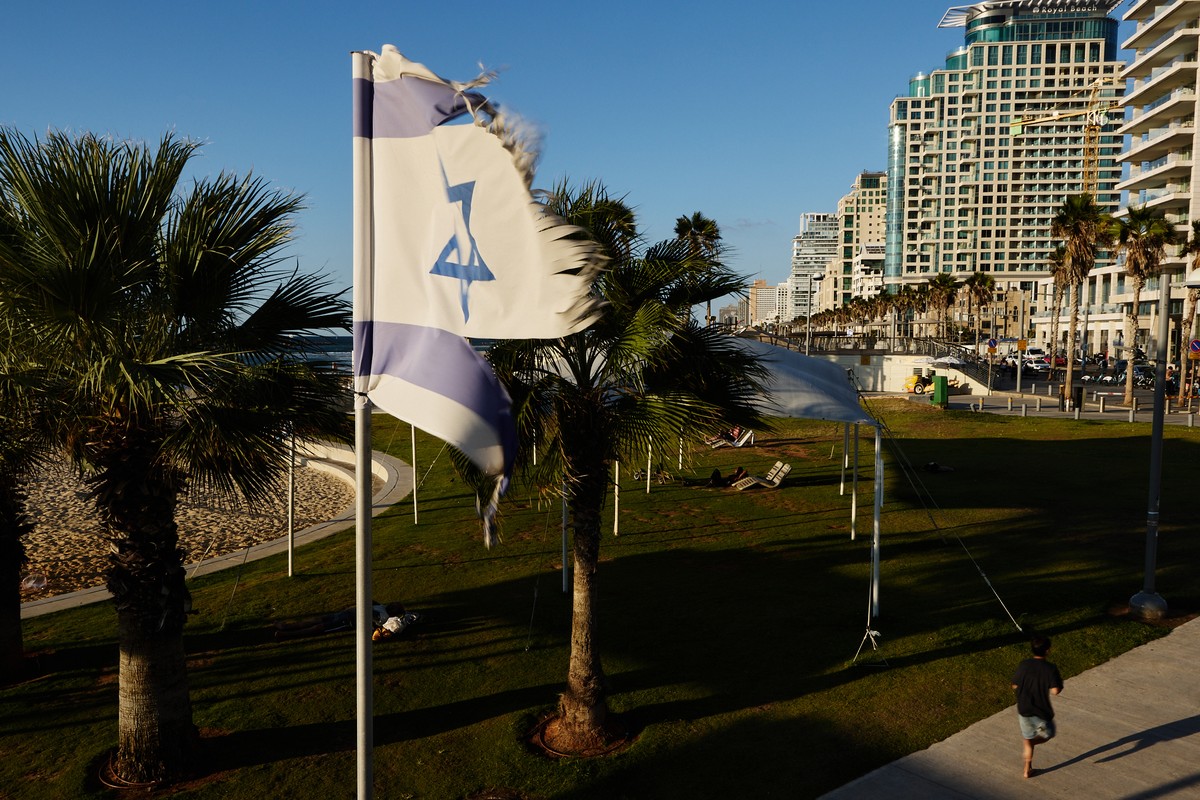
Yet for too long, Israelis have confused survival with continuity. And whatever happens in the Knesset over the next few days and weeks, the country’s continued existence does not mean it remains the same country. Rather, its transformation will come step by step: another loyalist appointed, another illegal outpost recognized, another Palestinian farmer dispossessed, another generation of reservists called to fight a war without end. Elections may endure, but they risk offering diminishing choices. The flag will still fly, the cafés will still be full, yet what does that matter when the country beneath becomes more authoritarian, more violent, more isolated?
因此,对以色列人来说,这次选举背后有一个更广泛的问题:不仅是犹太人可以在哪里生活,而且是他们想在哪里生活。我在10月7日之后开始写我即将出版的小说,因为我想逃离当下。这是一部喜剧冒险故事,讲述五个犹太兄弟姐妹——我的祖先——在19世纪末逃离立陶宛,以躲避被征入沙皇军队。我以为回到130年前就能避开以色列的时事。结果,我发现同样的问题在等着我。犹太人能在哪里安全?他们能在哪里被接纳?为了归属,他们必须放弃什么?
There is therefore a broader question underpinning this election for Israelis: not only where Jews can live, but where they want to live. I began writing my forthcoming novel, , after October 7 because I wanted to escape the present. It is a comic adventure about five Jewish siblings—my ancestors—fleeing Lithuania at the end of the 19th century to escape conscription into the tsar’s army. I thought that by going back 130 years I could avoid Israeli current affairs. Instead, I found the same questions waiting for me. Where can Jews be safe? Where can they be accepted? What must they surrender to belong?
这些问题正呈现出一种残酷的新形态。日益高涨的反犹主义让部分侨居地的人感到更不安全。但一个越来越宗教化、民族主义化和专制化的以色列,正变成许多自由派犹太人在身体上或许还能居住,但在政治上或道德上已不再愿意居住的地方,尤其是如果住在那里还意味着接受持续的战争威胁。需要明确的是:我不会离开。
Those questions are adopting a cruel new shape. Rising anti-Semitism makes parts of the diaspora feel less secure. But an ever more religious, nationalist, and authoritarian Israel is becoming a place that many liberal Jews may be able to inhabit physically, but no longer wish to inhabit politically or morally, especially if living there also means accepting the constant threat of war. To be clear: I will not leave.
57岁的我太老了,无法在别处重新开始,这里是我的语言、我的风景、我的家。但我不指望我的两个十几岁的女儿在这里建立她们的未来——我也无法诚实地告诉她们应该这样做。
At 57, I am too old to begin again elsewhere, and this is my language, my landscape, my home. But I do not expect my two teenage daughters to build their futures here—and I cannot honestly tell them that they should.