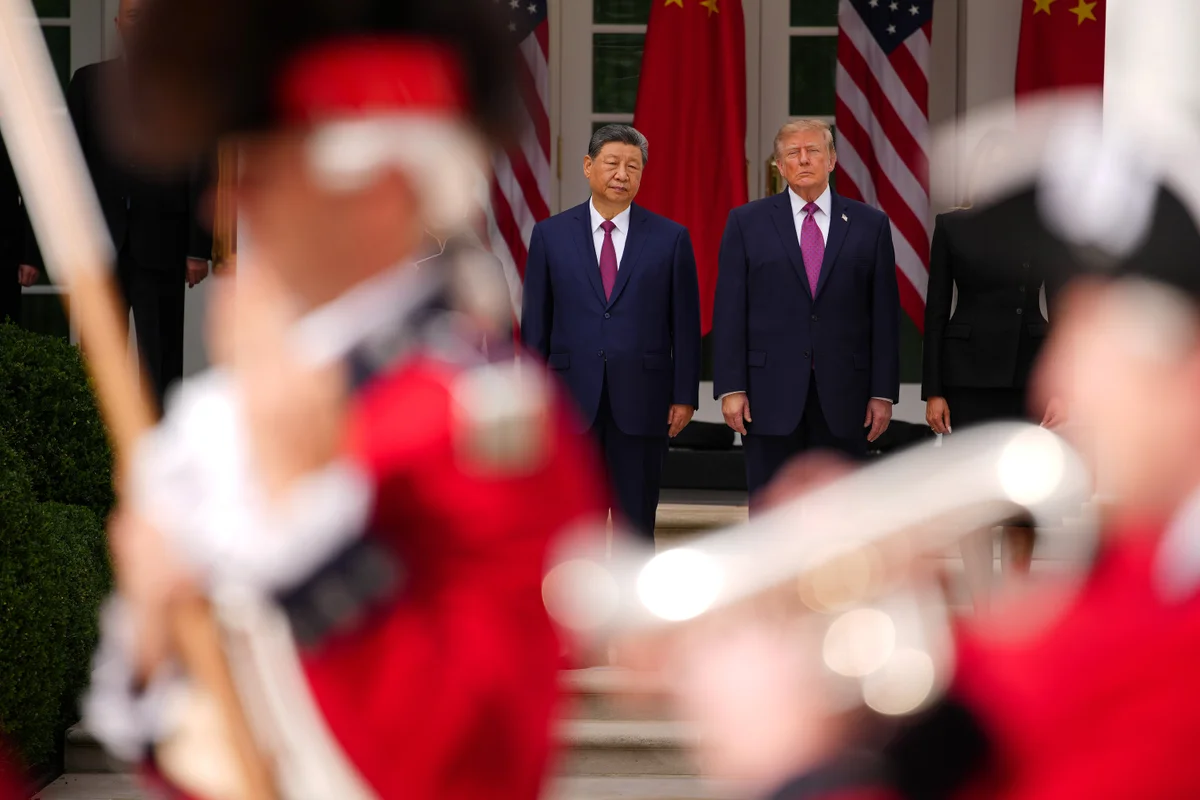
特朗普的贸易战大多已淡出头条。每当美国总统言行失控时,对新关税的担忧时有升温——例如,他威胁要终止美国与贸易逆差国家的贸易,除非美联储降息。但世界上两大经济体正在陷入公开经济冲突的感觉,已让位于其他更为突出的恐惧,比如特朗普终结美国民主、人工智能毁灭人类等等。
Donald Trump’s trade wars have largely fallen off the headlines. Fears of new tariffs flare up from time to time when the US president goes off the rails – for instance, threatening to end US trade with countries with which it has a deficit unless the Federal Reserve cuts interest rates. But the sense that the world’s two largest economies are plowing ahead into an overt economic conflagration has taken a back seat to other, more salient fears, about Trump ending American democracy, AI killing us all and stuff like that.
这种平静具有误导性。在暗处,世界正朝着一场可能规模宏大的经济战争迈进,历史表明,这场战争很可能演变成真正的战争。
The sense of calm is misleading. Under the radar, the world is marching toward an economic war of potentially epic proportions, one that, history suggests, could well spill over into the real thing.
去年,华盛顿和北京在不断升级的贸易冲突中达成的休战,已延长至明年1月,降低了双方的紧张程度——结束了以牙还牙的关税升级,并为未来某项尚未明确的贸易协议打开了大门。
The truce reached by Washington and Beijing last year in their escalating trade conflict, which has been extended until next January, lowered the heat between the two – putting an end to the escalation of tit-for-tat tariffs and opening a door to some as yet undefined future trade deal.
但中美双方都没有采取任何措施来建立能够限制新敌对行动爆发的相互保证。相反,双方都专注于在看似不可避免的下一轮较量中占据上风,这场对峙被双方都定义为国家安全优先事项,对于确保经济、技术和军事优势至关重要。
But neither China nor the US has done anything to establish the mutual assurances that could limit the outbreak of new hostilities. Rather, they are both focused on gaining the upper hand in what seems like an inevitable next round, in a standoff that both sides have defined as a national security priority, essential to ensure economic, technological and military supremacy.
这场新军备竞赛与过去不同。中美双方不再是制造武器来互相炸毁,而是专注于确保其依赖的国际供应链的韧性,并想方设法限制——如果不得不,甚至掐断——对手经济和技术进步所必需的供应链。
The new arms race is different from those in the past. Rather than building weapons to blow each other up, China and the US are focusing on ensuring the resilience of the international supply chains on which they rely and figuring out how to constrain – and if push comes to shove, throttle – the supply chains essential to the economic and technological progress of their rival.
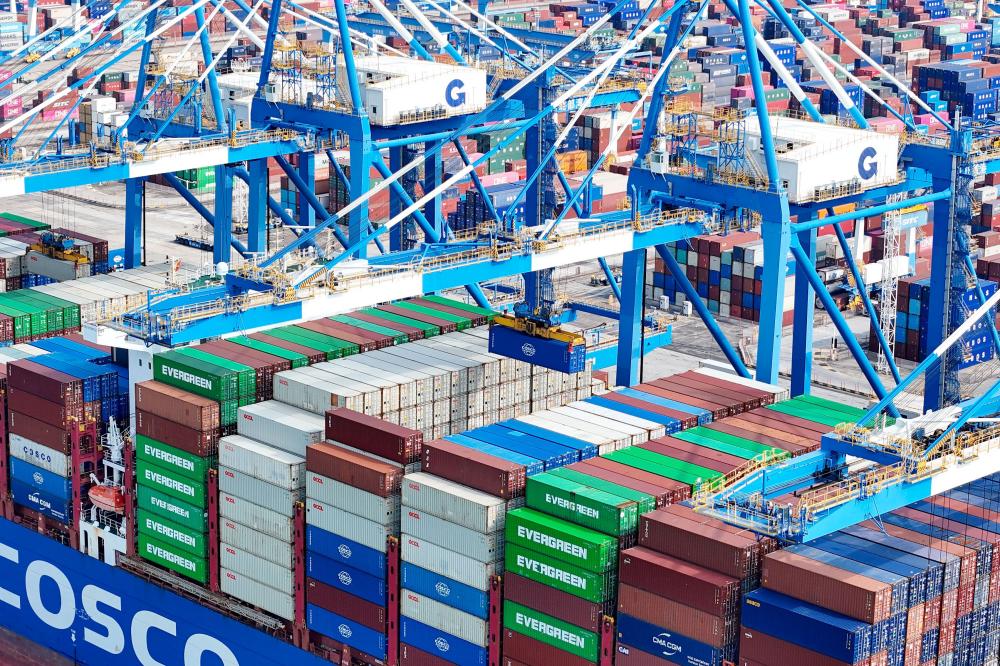
美国民主的生存取决于对亿万富翁征税 这两套策略至少可以追溯到新冠疫情时期,当时中国国家主席习近平呼吁全国“收紧国际生产链对中国的依赖,形成对那些人为切断[对华]供应的外国人的强大反制和威慑能力”。
The survival of American democracy depends on taxing billionaires The paired strategies go back at least to the Covid pandemic, when China’s Xi Jinping called on the nation to “tighten international production chains’ dependence on China, forming a powerful countermeasure and deterrent capability against foreigners who would artificially cut off supply [to China]”.
拜登政府早期,国家安全顾问杰克·沙利文阐述了美国的目标:限制中国获取一小批具有军事用途的先进技术,同时不颠覆全球经济秩序。
Early in the Biden administration, national security adviser Jake Sullivan articulated the American goals: to limit China’s access to a narrow set of advanced technologies with military applications without upending the global economic order.
他将该策略描述为在贸易和投资管制的“高篱笆”周围,构建一个禁用技术的“小院”。
He described the strategy as building a “small yard” of forbidden tech surrounded by a “high fence” of trade and investment controls.
如今,冲突已经突破了最初这些理由的界限。过去五年多来,美国对华技术出口、投资和技术转让的限制不断增多。这些限制不仅打击了中国的军事能力,还在更广泛范围内减缓了其技术进步。而特朗普滥施关税的做法也毫无帮助。
By now, the conflict has breached the bounds of these initial rationales. Restrictions on American tech exports, investments and technology transfers to China have proliferated over the last half decade. And they are hitting not only China’s military capabilities but slowing its technological progress writ large. And Trump’s wanton deployment of tariffs is not helping.
另一方面,中国正变得越来越强硬,利用其对关键矿产供应的绝对优势,这些矿产对民用和军用高科技产业至关重要。去年,中国限制稀土及其制成的磁体出口,令特朗普政府震惊,以此报复美国的关税以及限制中国获取高端半导体和制造所需光刻机的努力。
China, on the other hand, is becoming increasingly assertive, leveraging its overwhelming dominance over the supply of critical minerals that are essential to high-tech industries for civilian and military uses. Last year, it stunned the Trump administration by throttling exports of rare earths and magnets made from them to retaliate against US tariffs and efforts to restrict China’s access to high-end semiconductors and the lithography machines needed to make them.
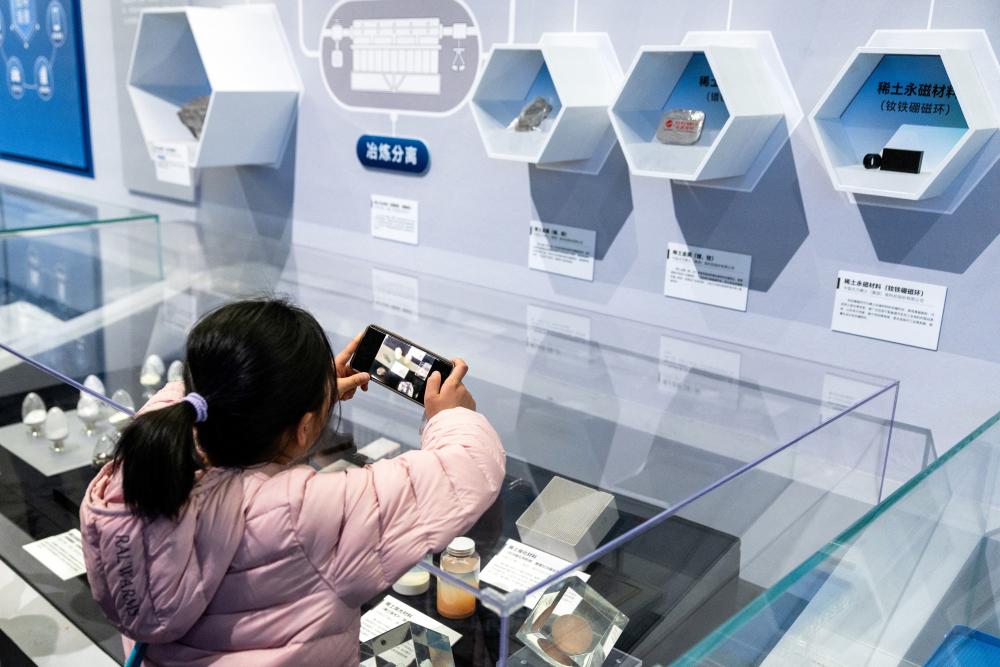
它放松了其中一些管制,但仍维持许多其他限制。这些限制大多是为了报复美国的行动而实施的,但也被用于打击其他国家因其不喜欢的各种政策。风险很高。国际能源署估计,如果中国阻断美国和欧洲获取稀土磁铁,每年可能给其经济造成约1.5万亿美元的损失。
It has relaxed some of these controls, but it maintains many other restrictions While they have largely been imposed to retaliate against American actions, they have also been used to hit other countries for a variety of policies it dislikes. The stakes are high. The International Energy Agency has estimated that if China were to block the US’s and Europe’s access to rare earth magnets, it could cost their economies about $1.5tn per year.
供应链战争将走向何方?特朗普政府正在向开采和加工稀土及其他关键矿产的项目投入数亿美元,希望缩小中国的领先优势。它还在加大力度,限制中国获取前沿半导体,并禁止中国购买制造这些半导体所需的机器。
Where does the supply chain war go from here? The Trump administration is pouring hundreds of millions into projects to mine and process rare earths and other critical minerals, hoping to close China’s lead. It is also doubling down on efforts to limit China’s access to frontier semiconductors and to bar it from buying the machinery needed to make them.
另一方面,中国宣布了一系列高科技出口限制,涵盖人工智能芯片和太阳能技术等物品。此外,它还威胁要惩罚那些致力于减少对其矿产投入品依赖的国家。
China, on the other hand, has announced a range of high-tech export restrictions covering things such as artificial intelligence chips and solar power technology. Moreover, it has threatened to punish countries that work to reduce their dependence on its mineral inputs.
人们希望能找到一条和平共处的道路。这可能需要对什么构成正当的国家安全风险、从而可能需要采取封锁供应链的行动达成某种共识。划定“界限”至关重要。普通商业活动中的挫折不应以战时态势来处理。
One hopes there is a path to a peaceful entente. This would probably require some shared understanding of what constitutes a legitimate national security risk that may warrant actions to block supply chains. Defining the “yard” is essential. Frustrations of standard commerce should not be dealt with on a wartime footing.
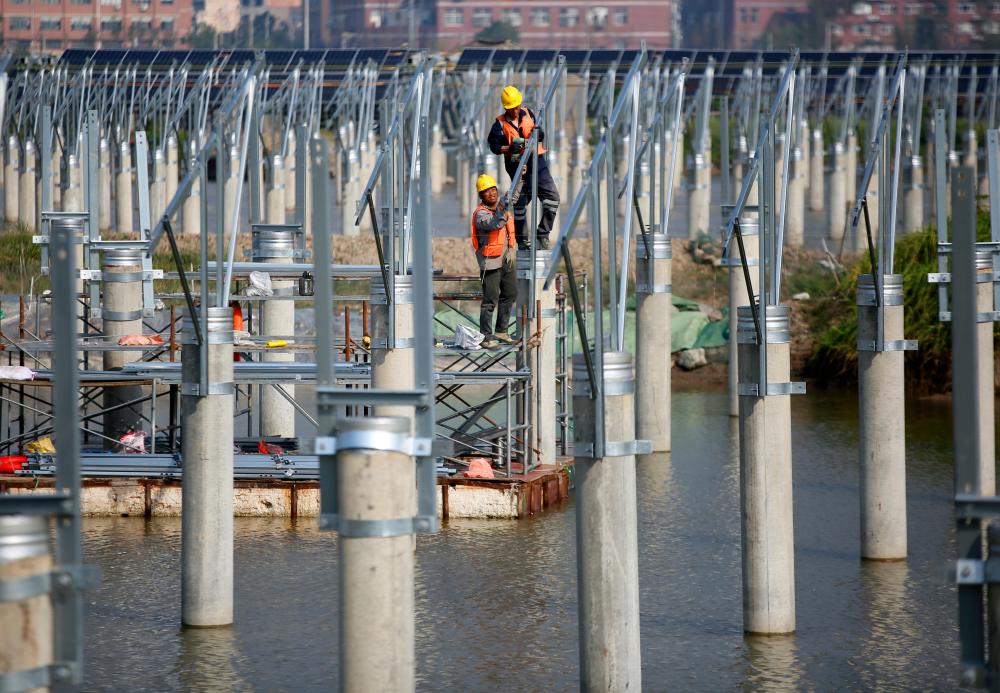
中国很可能在可预见的未来主导可再生能源技术,尤其是太阳能产业。它也可能主导电动汽车产业。这可能会让布鲁塞尔和华盛顿感到不快,但不值得为此开战。另一方面,中国将不得不接受,其重商主义的经济策略对世界其他地区来说是不可持续的。其大规模出口增长与零进口增长相结合的模式是不可持续的。
China will probably dominate renewable energy technologies, especially the solar power industry, into the foreseeable future. It may also dominate the electric vehicle industry. This might hurt in Brussels and Washington, but it’s not worth a war. China, on the other hand, will have to accept that its mercantilistic economic strategy is not tenable for the rest of the world. Its combination of massive export growth with zero import growth is not sustainable.
这看似可行。然而,世界经济保持和平的可能性似乎微乎其微。人们或许会回想起,在第二次世界大战初期,国际联盟限制轴心国获取原材料,轴心国试图夺取领土。或者回想起,罗斯福阻止美国向日本出售废钢和石油,这很可能促使东京决定进攻珍珠港。如今,美国战斗机、潜艇和导弹都使用稀土磁体。如果中国封锁这些材料的获取途径,会发生什么?
This might seem doable. And yet the odds that the world economy will remain at peace seem slim. One might recall the Axis powers’ efforts to seize territories as the League of Nations curtailed their access to raw materials in the early stages of the second world war. Or FDR’s blocking of sales of American scrap steel and oil to Japan, which likely contributed to Tokyo’s decision to attack Pearl Harbor. Today, American fighter jets, submarines and missiles use rare earth magnets. What would happen if China blocked access to these materials?
时局奇特。不久之前,贸易还被视为或许是实现世界和平最有力的工具,能在各国之间建立正和的相互依存关系。那已经结束了。相互依存已成为一种脆弱性。随着中国和美国争夺下一代技术的控制权,贸易已成为战争的一个战场。
The moment is strange. It’s not that long ago that trade was proposed as perhaps the most powerful tool to deliver world peace, building positive-sum interdependence among nations. That’s over. Interdependence has become a vulnerability. As China and the United States fight over who will control the next generation of technology, trade has become a theater of war.