赛斯·博伦斯坦、安东·L·德尔加多、西比·阿拉苏 随着联合国气候谈判在土耳其安塔利亚开幕,三个关于气候变化的故事正如同热门电影类型一般徐徐展开。
SETH BORENSTEIN, ANTON L. DELGADO, SIBI ARASU Three stories about climate change are playing out like popular movie genres as United Nations climate negotiations begin in Antalya, Turkey.
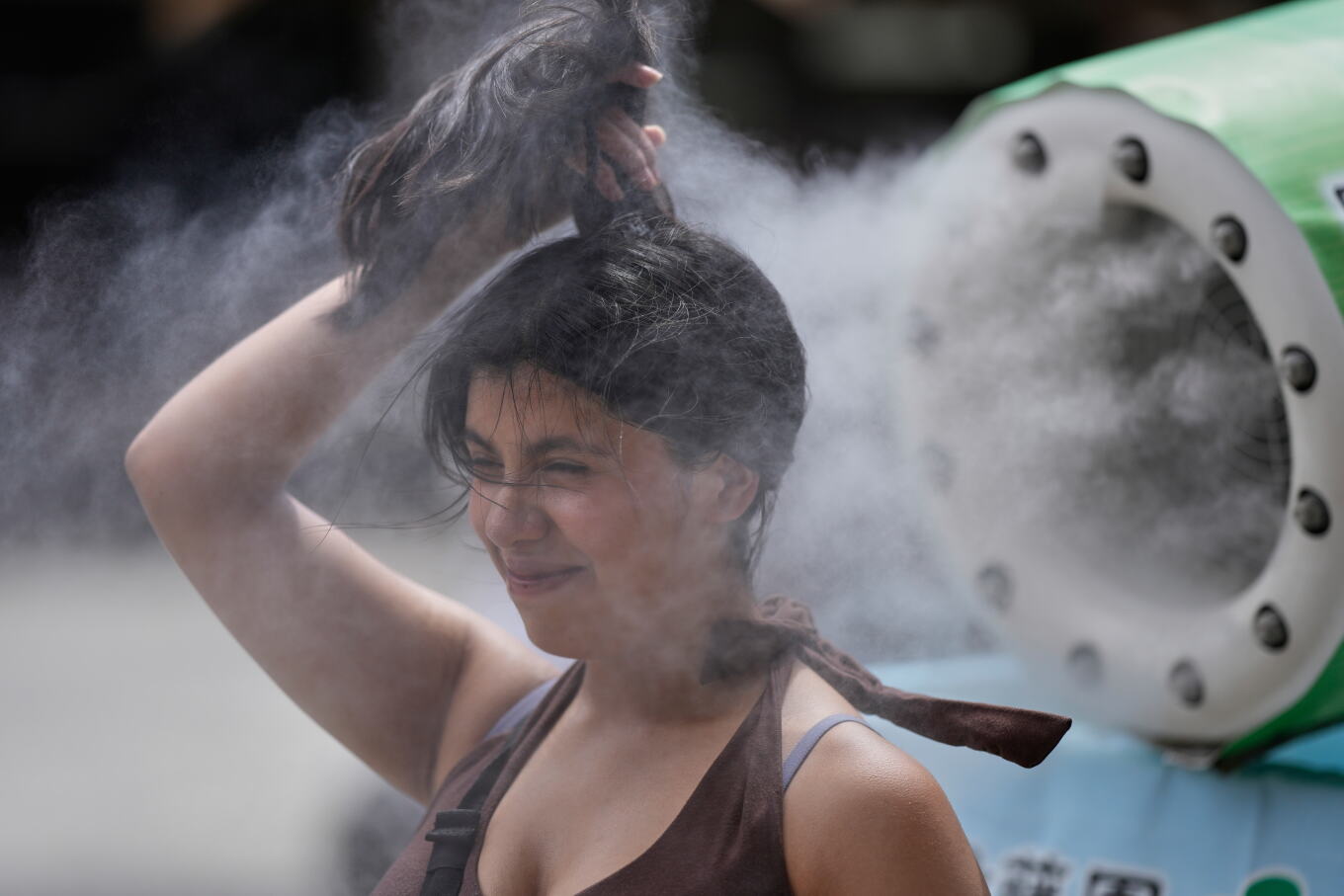
首先是恐怖片。许多科学家认为全球变暖正在加速。两个月前,联合国调整了其维持了十年的将全球气温升幅限制在1.5摄氏度(2.7华氏度)的目标,因为世界正在突破这一临界点。气温上升带来的恶果在全球各地都能感受到,欧洲致命的夏季热浪和尼泊尔毁灭性的洪水就是鲜明的例子。
There’s the horror story. Many scientists believe global warming is accelerating. Two months ago, the U.N. readjusted its decade-old goal of limiting global temperature rise to 1.5 degrees Celsius (2.7 degrees Fahrenheit) because the world is blowing past that threshold . The fallout from rising temperatures is felt globally, with Europe’s deadly summer heat waves and Nepal’s devastating flooding as stark examples.
其次是三角恋。一个多世纪以来,世界一直由煤炭、石油和天然气提供动力。这种爱恨交织的关系推动了经济发展,同时也产生了使地球变暖的排放物。但可再生能源正吸引着全球的部分目光,因为它比化石燃料更便宜、更清洁。然而,世界并没有从一种能源转向另一种能源,而是两者并用,以满足耗电量巨大的人工智能和不断增长的经济发展的需求。这无助于遏制气候变化。
There’s the love triangle. For more than a century the world has been powered by coal, oil and gas. This love affair spurred economic development, as well as the emissions warming the planet. But renewable energy is capturing some of the world’s attention because it’s cheaper and cleaner than fossil fuels. Instead of switching from one to the other, the world is using both to meet demand from power-hungry artificial intelligence and ever-growing economic development. This isn’t helping curb climate change.
最后是战争片。俄罗斯2022年入侵乌克兰引发了欧洲能源冲击。今年,美国和以色列轰炸了伊朗。冲突关闭了霍尔木兹海峡,并导致化石燃料价格飙升,迫使各国重新思考其能源系统。
Then there’s the war movie. Russia’s 2022 invasion of Ukraine triggered a European energy shock. This year the United States and Israel bombed Iran. The conflict closed the Strait of Hormuz and sent fossil fuel prices skyrocketing, forcing nations to rethink their energy systems .
随着第31届缔约方大会(即COP31)于周一以世界领导人的演讲拉开帷幕,并将在随后深入探讨如何兑现过去的气候承诺,这些故事正在发生碰撞。
These stories are colliding as the 31st Conference of Parties, or COP31, starts Monday with speeches from world leaders and will later dig into how to follow through on past climate pledges.
今年一个关键议题是落实摆脱化石燃料的承诺。共同主办国土耳其也在推动一项独立计划,通过将更多的全球能源使用(包括交通运输)转向由太阳能和风能产生的电力,来协助实现这一目标。谈判代表们还将敲定如何向贫穷国家提供承诺的资金,以转向可再生能源、适应变暖的世界并从气候造成的损害中恢复。
A key issue this year is the implementation of promises to transition away from fossil fuels. Co-host Turkey is also pushing a separate plan that would help do that by shifting more global energy use — including transportation — to electricity generated from solar and wind power. Negotiators also will hash out how to provide promised funds to poor countries to switch to renewables, adapt to a warmer world and recover from climate-induced damage.
世界资源研究所国际气候主管戴维·瓦斯科(David Waskow)表示:“这确实是一个将放大镜聚焦于世界上正在发生的气候变化(无论是好是坏)的时刻。”
“It’s really the moment that we place a magnifying lens on what’s happening in the world on climate change, both good and bad,” David Waskow, international climate chief at the World Resources Institute, said.
尽管美国是全球历史上最大的碳排放国,但它缺席了去年的联合国气候变化大会,且预计今年也不会参与。
While the U.S. is the world’s largest historic carbon polluter , it skipped last year’s COP and isn’t expected to participate this year.
德国新气候研究所联合创始人尼克拉斯·霍恩(Niklas Höhne)表示:“气候谈判中总是有两个相关且困难的主题。第一个是谁产生排放以及排放多少。这已经够难了。但更复杂的是另一个问题,那就是谁来付钱。在这方面,我们处在一个尤其困难的境地,因为作为最大出资国的美国已经退出了。而且没有其他任何一方能够介入。”
“There’s always two topics in the climate negotiations that are relevant and difficult,” said Niklas Höhne, co-founder of Germany’s NewClimate Institute. “The first one is who produces emissions (and) how much. That is difficult enough. But what is even more complicated is the other issue, and that is who pays. And on this one, we are particularly in a difficult situation because the U.S., as the largest contributor, has dropped out. And there’s no other player who can jump in.”
11年前,世界正朝着到本世纪末气温比工业化前水平升高4摄氏度(7.2华氏度)的轨道发展。2015年,各国设定了将升温控制在2摄氏度(3.6华氏度)以下的目标,但更倾向于1.5摄氏度(2.7华氏度)的极限。
Eleven years ago, the world was on track to hit 4 C (7.2 F) of warming above preindustrial levels by the end of the century. In 2015, nations set the goal of keeping warming to below 2 C (3.6 F), but with a preferred limit of 1.5 C (2.7 F).
联合国发现,目前全球气温已升高1.4摄氏度(2.5华氏度),并正朝2.6摄氏度(4.7华氏度)迅猛发展。
Now, the world is at 1.4 C (2.5 F) of warming and is hurtling toward 2.6 C (4.7 F), the U.N. found.
德国波茨坦气候影响研究所所长约翰·罗克斯特伦(Johan Rockström)表示:“到目前为止,我们已经失败了。”
“We have failed so far,” said Johan Rockström, director of Germany’s Potsdam Institute for Climate Impact Research.
罗克斯特伦表示,地球可能会经历更频繁、更极端的天气,例如洪水、干旱和风暴。地球可能很快就会到达“临界点”,例如洋流改变和亚马逊雨林崩溃。
Rockström said Earth will likely experience more frequent and extreme weather, such as floods, droughts and storms. And the planet may soon reach “tipping points,” such as ocean currents changing and the Amazon rainforest collapsing .
尽管燃烧化石燃料是变暖的主要原因,但它在气候大会达成的最终文件中却极少被明确作为目标,这主要是因为此类决策需要达成协商一致。今年4月,56个国家在一个单独的会议上开会,推动更直接地逐步淘汰化石燃料。
Even though the burning of fossil fuels is the main cause of warming, it has rarely been targeted in final documents agreed upon at the conference, mostly because those decisions require consensus. This April, 56 countries met at a separate conference to push for a more direct phase out of fossil fuels .
“我们之所以看到气温升幅突破1.5摄氏度,是因为我们避开了关于气候变化是如何发生的以及谁应负责的这个绝对根本的问题,也就是问题的根源——化石燃料,”萨塔特·桑帕达气候基金会(Satat Sampada Climate Foundation)创始主任哈尔杰特·辛格(Harjeet Singh)表示,“除非也直到我们解决逐步淘汰化石燃料的问题,否则我们将无法应对这个问题。”
“The reason we are seeing the breach of 1.5 degrees Celsius of warming is because we avoided the absolutely fundamental question of how climate change happened and what’s responsible, the source of the problem and that’s fossil fuels,” said Harjeet Singh, founding director of Satat Sampada Climate Foundation. “Unless and until we resolve the issue of fossil fuel phase out, we will not be able to deal with the problem.”
去年主办《联合国气候变化框架公约》第三十次缔约方大会(COP30)的巴西本月发布了一份详细的自愿路线图,为各国如何摆脱化石燃料过渡提供了方向。
Brazil, which hosted COP30 last year , this month released a detailed voluntary road map offering directions for how countries could transition away from fossil fuels.
曾担任去年气候谈判首席执行官的安娜·托尼(Ana Toni)表示,该路线图旨在将减少化石燃料使用的“大问题”转化为“更具体、可操作的解决方案”。她指出,各国必须做的关键事情之一是停止对化石燃料的补贴。联合国估计,今年全球化石燃料补贴达到了1.1万亿美元。
The road map is meant to turn the “big problem” of reducing fossil fuel use into “smaller actionable solutions,” Ana Toni, who served as CEO of last year’s climate talks, said. One of the key things nations must do is stop subsidizing fossil fuels, she said. The U.N. estimates fossil fuel subsidies globally hit $1.1 trillion this year.
气候分析(Climate Analytics)首席执行官比尔·黑尔(Bill Hare)表示:“阻碍前进的与其说是技术,不如说是各国政府和既得利益工业。人们绝不能低估化石燃料工业在放缓行动方面的权力和影响力。”巴巴多斯青年活动人士阿什利·拉什利(Ashley Lashley)参加的第一次气候大会是在五年前。她当时对缺乏进展感到沮丧,但由于有一种维持1.5度目标存活的紧迫感,她仍抱有希望。
“What’s standing in the way is not so much technology as governments and incumbent industries,” said Bill Hare, CEO of Climate Analytics. “One cannot underestimate the power and influence of the fossil fuel industry in slowing down action.”Barbados youth activist Ashley Lashley’s first COP was five years ago. She was frustrated by the lack of progress back then, but hopeful because there was a sense of urgency to keep the 1.5-degree goal alive.
拉什利仍然怀着一些希望参加谈判,但她比以往任何时候都更加沮丧。她说:“科学变得越来越令人担忧,但在政治上,我们似乎仍在谈判我们准备容忍多大程度的失败。”
Lashley still attends negotiations with some hope, but she is more frustrated than ever. She said “the science has become more alarming, but yet politically we seem to be negotiating how much failure we are prepared to tolerate.”
新加坡青年环保人士胡绮芸(音)表示,她的这一代人已经厌倦了“看到他们的现在和未来被野火烟雾、毁灭性洪水和山体滑坡所笼罩”。给大多数专家带来希望的是太阳能和风能的廉价,以及电动汽车的发展,这增强了摆脱化石燃料过渡的经济论据。
Qiyun Woo, a Singaporean youth environmentalist, said her generation is tired of “seeing their present and futures blanketed in wildfire smoke, in devastating floods (and) landslides.”What gives most experts hope is how cheap solar and wind energy are, along with the growth in electric cars, strengthening the economic argument for transitioning away from fossil fuels.
霍恩说:“减少排放从来没有像今天这样容易,因为今年可再生能源的发展再次比以往更快。”
“It has never been as easy to reduce emissions than it is today because, again, this year, renewable energy has been developing faster than before,” Höhne said.
气候谈判的大部分工作都是在场外进行的,在场外并非所有人都必须达成一致,一些国家比其他国家做得更多。
Much of the work at climate negotiations gets done on the sidelines, where not everyone has to agree and some nations do more than others.
今年的一项重要场外倡议是土耳其的目标,即到2035年将电力占全球能源使用的比例从21%提高到35%,最好是通过使用可再生电力。
One important sideline initiative this year is Turkey’s goal of increasing electricity’s share of global energy use from 21% to 35% by 2035, preferably by using renewable power.
资深联合国气候变化大会观察员、“非洲电力转变”组织主任穆罕默-阿多表示,此次会议召开之际,世界正处于严重分裂之中。
Mohamed Adow, a veteran COP observer and director of Power Shift Africa, said that the conference is taking place at a time when the world is deeply fragmented.
他说:“霍尔木兹海峡的关闭加剧了经济和能源安全压力。我们不指望这次特定的会议能够充分应对当前影响生计和经济的挑战。”阿多表示,气候会谈因美国持续缺席而受阻,并补充说,对于尼泊尔等国家来说,这很不公平——当世界上最富有的国家和最大的污染国作壁上观时,它们却不得不独自面对灾难性的破坏。
“The closure of the Strait of Hormuz has intensified economic and energy security pressures,” he said. “We don’t expect this particular conference to be able to sufficiently respond to the present day challenge ... that is affecting livelihoods and economies.”The climate talks are hindered by the continued absence of the U.S. , Adow said, adding that it wasn’t fair to nations like Nepal, which have to face catastrophic destruction alone while the world’s wealthiest country and biggest polluter sits on the fence.
他说:“总有一天,我们要追究美国对其造成的气候损害的责任。”
“A time will come when we will have to hold the U.S. accountable for the climate harms that it’s caused,” he said.
博伦斯坦自华盛顿、德尔加多自曼谷、阿拉苏自印度班加罗尔进行了报道。
Borenstein reported from Washington, Delgado from Bangkok and Arasu from Bengaluru, India.